Why Is My Nose So Oily? Expert Skincare Guide


You wash your face, and twenty minutes later your nose is shiny again. I have been there, and I know how frustrating it feels.
Why is my nose so oily even after doing everything right? That is exactly what this blog answers.
I have spent time looking into the real causes behind an oily nose, and I want to share what actually works. You will learn why it happens, what makes it worse, and how to manage it.
I cover everything from morning oiliness to T-zone imbalance. Trust me, this is simpler to fix than you think.
Why Is My Nose So Oily? Understanding the Basics

Your skin has tiny glands called sebaceous glands that produce an oily substance called sebum. Sebum is not harmful, but too much of it makes your nose look greasy.
The nose sits in the middle of the T-zone, which covers your forehead, nose, and chin. This area has the highest concentration of oil glands on your face, making it naturally oilier than the rest.
If your nose is oily but your cheeks feel dry, that is combination skin. Both issues can exist at the same time and each area needs its own type of care.
Main Causes of an Oily Nose

Several everyday factors can trigger your nose to produce more oil than it should.
Genetics and Naturally Oily Skin
If your parents had oily skin, there is a good chance you do too. Genetics play a strong role in how active your sebaceous glands are.
Some people are simply born with more active oil glands on the nose, and no product will fully stop that.
Hormonal Changes and Sudden Oiliness
If your nose has gotten oilier all of a sudden or lately, hormones are likely involved. Puberty, menstruation, pregnancy, and stress hormones can all spike sebum production.
This is one of the most overlooked causes of sudden oiliness in adults.
Enlarged Pores and Oil Build-Up
Large pores on the nose can trap dirt, dead skin, and oil. Over time, this build-up makes the pores look bigger and the skin shinier.
Clogged pores are both a cause and a result of excess oil.
Combination Skin and T-Zone Imbalance
People with combination skin often notice their nose is oily while the rest of the face feels normal or dry. The T-zone in combination skin is simply more active.
Using the wrong products for your skin type can make this imbalance worse.
Lifestyle Triggers Diet, Stress, and Weather
High-sugar diets, dairy intake, stress, and humid weather can all push your oil glands into overdrive. Even not sleeping enough can affect hormone levels and increase oiliness.
Small lifestyle habits often show up directly on your skin.
Why Is My Nose So Oily in Different Situations?

Your oily nose can behave differently depending on the time of day, habits, or specific conditions.
Why Is My Nose So Oily in the Morning or Even After Washing?
While you sleep, your skin keeps producing oil with nothing to absorb it. By morning, it has built up on the surface. Overwashing during the day makes this worse.
Stripping your skin of natural oils sends a signal to produce even more, so your nose ends up oilier faster than before.
Why Is My Nose So Oily All the Time?
Constant oiliness usually points to overactive sebaceous glands, a diet high in processed foods, or products that do not suit your skin type.
Hormonal imbalances can also keep oil production running on high throughout the day without any clear trigger.
Why Is My Nose Oily, Shiny, Flaky, or Bumpy?
Shininess means excess sebum sitting on the surface. Flakiness combined with oiliness can point to seborrheic dermatitis. Bumps are often clogged pores or milia.
Glasses pressing on the nose can trap oil and bacteria, and post-rhinoplasty skin changes can also affect how oily the area feels during healing.
Why Your Nose Stays Oily All Day
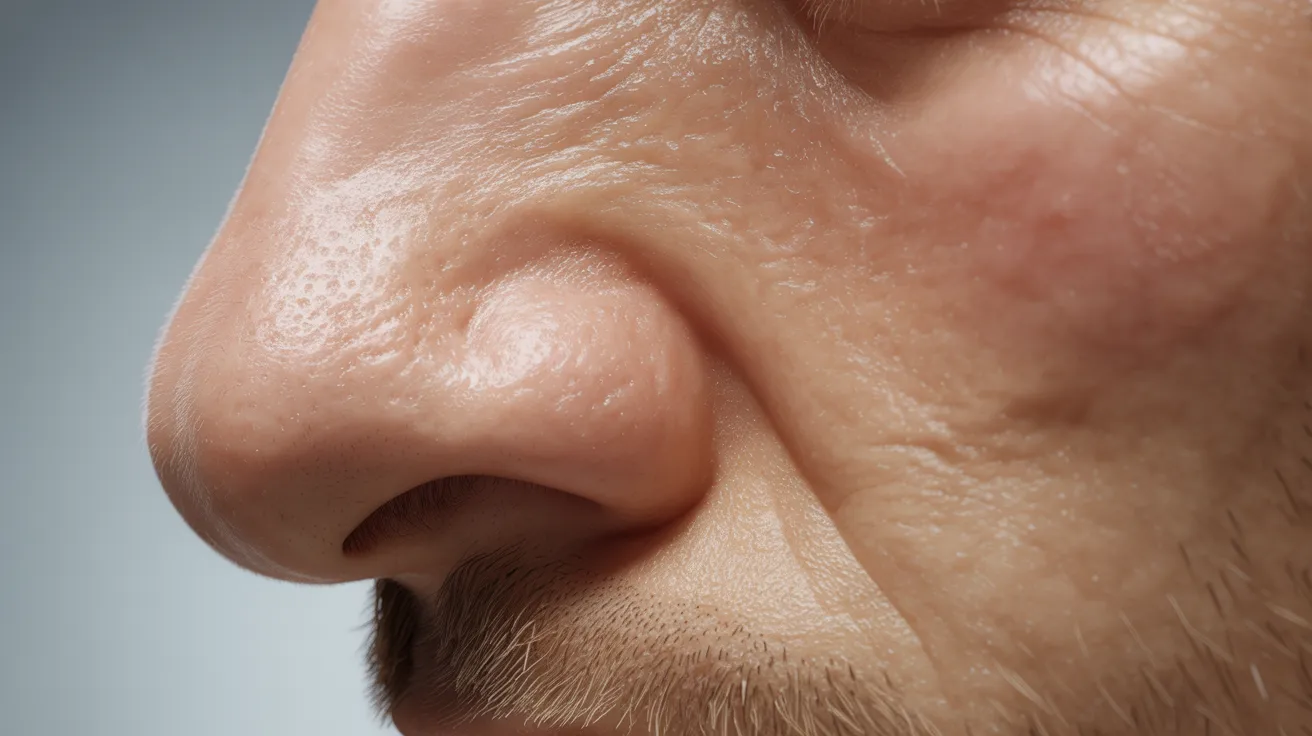
Understanding what keeps the oil coming helps you make smarter choices for your skin.
Overactive Sebaceous Glands
Some people have glands that simply produce more oil than average. This can be genetic or triggered by hormones.
When the glands are overactive, no single wash or product will fully stop the cycle without a consistent routine.
Skincare Mistakes That Increase Oiliness
Using heavy creams, skipping moisturizer, or washing your face too many times a day are common mistakes. Each of these can confuse your skin and push oil production higher.
Even using the wrong SPF can block pores and increase shine.
Environmental and Daily Habits Affecting Oil Production
Heat and humidity make oil glands more active. Touching your face throughout the day spreads oil and bacteria.
Wearing face masks for long periods can also trap heat and increase oiliness on the nose.
How to Reduce Oil on Your Nose
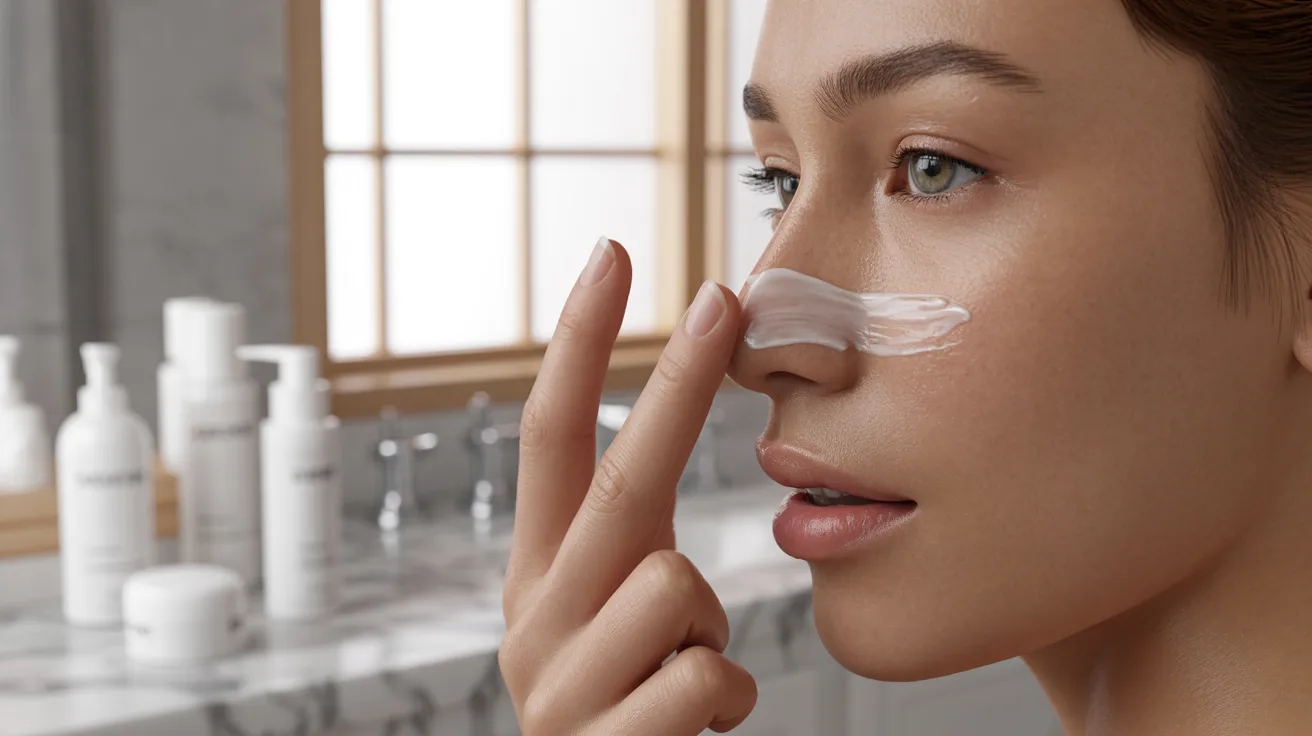
Practical steps that actually work to manage shine and keep your nose looking cleaner.
Start with the Right Cleanser and Moisturizer
Wash your face twice a day using a gentle gel or foaming cleanser made for oily or combination skin. Do not scrub too hard as it irritates the skin and increases oil.
Always follow with a lightweight, oil-free moisturizer. Skipping it is a common mistake since dry skin overproduces oil to compensate, making your nose even shinier.
Add Salicylic Acid and Clay Masks to Your Routine
Salicylic acid breaks down oil and debris inside the pore. Use it two to three times a week in a toner or serum.
Once or twice a week, apply a kaolin or bentonite clay mask to pull out excess oil. Avoid leaving the mask on too long as over-drying triggers more oil production.
Pick the Right Sunscreen for Oily Skin
Many people skip sunscreen because it adds grease to the nose. The fix is simple. Look for a non-comedogenic, matte-finish SPF.
These formulas sit lightly on the skin, do not block pores, and keep your nose from looking shiny throughout the day.
Tips to Prevent an Oily Nose
Simple daily habits that help keep excess oil under control over time.
- Wash your face twice a day and avoid going beyond that, as overwashing strips the skin and causes it to produce more oil.
- Use blotting papers during the day to manage shine without disrupting your skin barrier.
- Drink enough water and use a light, water-based moisturizer to keep your skin balanced and prevent it from overproducing oil.
- Cut back on sugar, dairy, and fried foods and add more zinc-rich fruits and vegetables to your diet.
- Manage stress through regular exercise and proper sleep, as high cortisol levels directly increase oil production.
- If your nose stays extremely oily, keeps breaking out, or shows signs of seborrheic dermatitis, see a dermatologist for professional guidance.
Conclusion
An oily nose is one of the most common skin concerns, and the good news is it is very manageable.
I dealt with the same frustration for years before figuring out what was actually causing it. Once I stopped overwashing and used the right products, things improved quickly.
Why is my nose so oily may not have one single answer, but it does have real solutions. Start small, stay consistent, and be patient.
If this helped you, leave a comment below or share it with a friend. More skincare tips are waiting in the related posts.
Frequently Asked Questions
Why is my nose so oily even though I wash my face regularly?
Overwashing can strip natural oils and cause your skin to produce even more sebum. Washing twice a day with a gentle cleanser is usually enough.
Can diet really affect how oily my nose gets?
Yes. Foods high in sugar and dairy are linked to increased sebum production. Eating a balanced diet can help reduce oiliness over time.
Is it normal to have an oily nose but dry cheeks?
Yes, this is called combination skin. The nose has more oil glands than the cheeks, so having both dry and oily areas at the same time is very common.
What ingredient works best for an oily nose?
Salicylic acid is one of the most effective options. It goes into the pore, clears out oil and debris, and helps reduce shine with regular use.
When should I see a doctor about my oily nose?
If the oiliness is severe, comes with persistent breakouts, or looks flaky and irritated, it is worth visiting a dermatologist to rule out conditions like seborrheic dermatitis.