How to Layer Scents to Create a Personal Signature Fragrance at Home

Creating a signature scent through layering has gained popularity for those who value uniqueness and control in their beauty rituals. Scent layering allows you to build a personalized fragrance wardrobe while tailoring intensity to personal taste and occasion. This method delivers creative expression and a deeper understanding of how fragrances transform on the skin.
Scent layering is the art of combining different fragranced products or perfumes to develop a custom aroma that feels truly your own. Many fragrance enthusiasts turn to layering for more flexibility, whether aiming to enhance longevity, adjust projection, or create new blends at home. Being able to adjust and build your scent wardrobe has become important for those who prefer personal touches over mass-market uniformity.
Understanding fragrance notes and layering structure
To master scent layering, you must first be familiar with the basic structure of perfumes. Fragrances are typically composed of top, heart, and base notes, each unfolding at different stages of wear. Top notes are bright and fleeting, heart notes give the fragrance its personality, and base notes provide depth and stability.
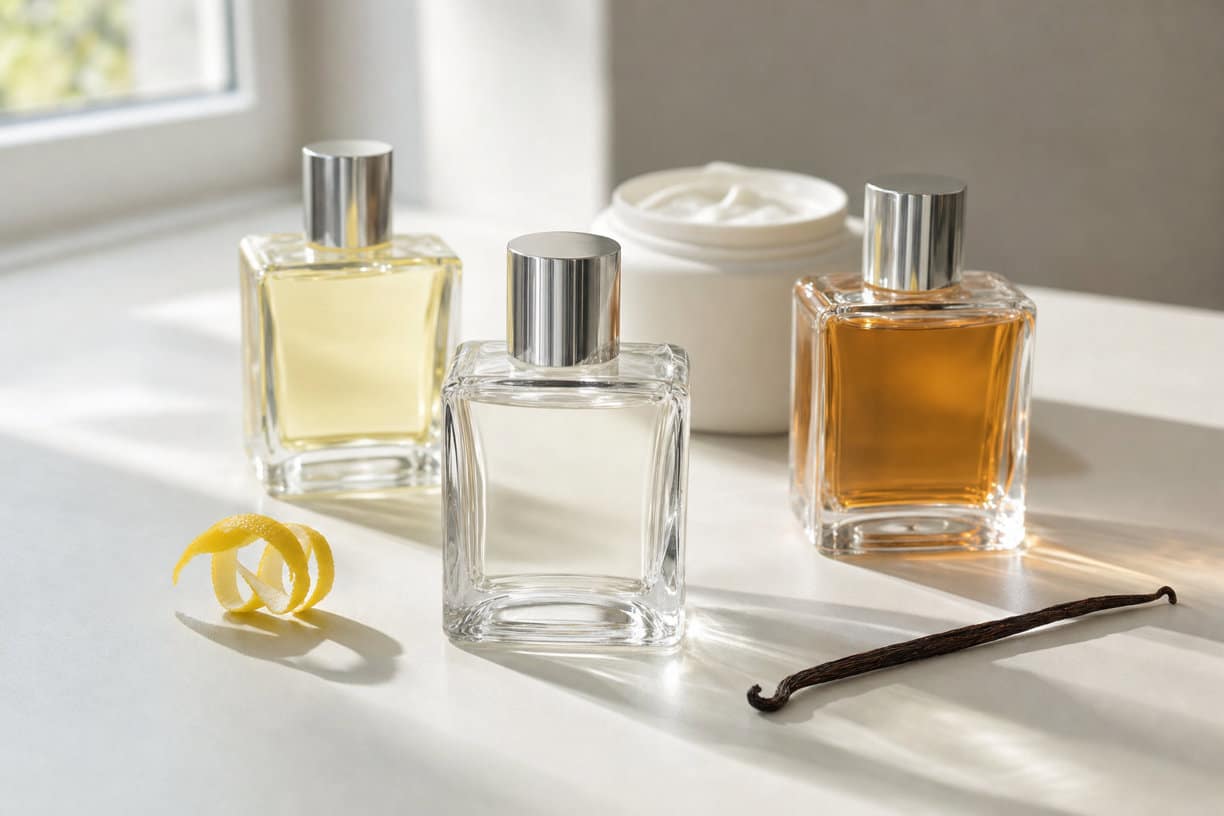
When you layer scents, these stages interact in new ways. Combining products with distinct notes can alter how each element develops throughout the day. For instance, layering a citrus eau de toilette with a vanilla-scented body lotion can boost freshness at the outset and allow the sweetness to linger. Some combinations emphasize the brightness of top notes, while others create a smoother transition into lasting base notes. Understanding these stages helps prevent clashing and supports harmonious blending.
Preparation steps to maximize your signature blend
Starting with a clean, moisturized base is key for successful scent layering. Unscented or lightly fragranced body lotions, shower gels, or oils act as neutral canvases and prevent the scent from being muddied by unrelated aromas. Moisturized skin helps fragrances adhere better, allowing the true character of each layer to shine through and improving longevity throughout the day.
Apply your moisturizershortly after bathing and let it absorb before layering scents. This technique supports even dispersion, while also reducing the risk of irritation or scent distortion. For example, start with an unscented lotion, followed by a musky-scented oil on pulse points, then finish with a floral fragrance spray on hair and clothing for a complex effect. By beginning with this clean, hydrated foundation, you set yourself up for a balanced and controlled final result.
Layering strategies to achieve creative results
There are several trusted approaches to layering, ranging from blending similar notes to contrasting diverse families. Pairing products within the same fragrance family, such as vanilla-on-vanilla or amber-on-amber, is an easy way to ensure a seamless and harmonious effect. This strategy helps beginners avoid clashes and amplifies the signature elements they already enjoy. For example, layering a vanilla body cream with a matching vanilla or amber perfume can intensify warmth and sweetness.
For a more dimensional result, blending contrasting families works well. Mixing fresh notes with gourmand bases, or floral profiles with woody undertones, can create depth and personal flair. When choosing this approach, consider maintaining an anchor note, using one consistent scent base in every layer, so the blend feels coherent rather than chaotic. In some routines, a gourmand scent, such as the best Escapade Gourmande dupe, can serve as a midpoint, bringing together creamy, sweet, and fresh notes. Spraying a gourmand perfume after layering citrus or floral mists can add richness, while adding a final woody or musky note grounds the entire structure.
Pairing guidance, common mistakes, and care tips
Choosing your combinations based on desired mood helps direct layering choices. For a cozy and sweet profile, opt for edible notes like vanilla or almond paired with soft musk. Fresh and clean profiles benefit from citrus with light florals, supporting an airy effect. For a warm and evening-leaning result, combine spices with a hint of amber or soft woods, which add sophistication. For instance, pairing a rose fragrance with a sandalwood base can produce a refined and lingering evening scent.
Avoid common mistakes such as over-spraying, mixing too many strong bases, and neglecting to wait between layers. Blending multiple intense scents can overwhelm, while ignoring dry-down time often results in unpredictable final aromas. It is best to apply lighter scents first and allow each layer to settle before adding the next. Waiting at least five minutes between sprays gives each product time to develop and merge smoothly.
To extend longevity, apply fragrance to pulse points and consider layering products at different times, starting with body lotion, then adding eau de toilette or parfum after a few minutes. When using scented hair or fabric mists, make sure to test on a small area first to avoid staining or unwanted sensitivity. Careful application helps each layer remain clear and balanced.
Patch testing is vital, especially if you use numerous scented body products. Apply a small amount of each product separately on your inner arm, check for any signs of irritation, and introduce new combinations gradually. This approach helps avoid adverse reactions and ensures your layered fragrance is as comfortable as it is personal.
Documenting blends that receive the most compliments or appeal to your senses can streamline your routine and ensure consistent results. Rotating these favorites seasonally allows you to enjoy variety and keeps your scent wardrobe feeling fresh, all while making the most of what you already own.