Is Lip Gloss Good for Your Lips or Bad? Find Out


You’ve probably asked this at least once, is lip gloss actually helping your lips or slowly damaging them?
I’ve wondered the same thing. I used to apply lip gloss all day and then wonder why my lips felt dry by evening.
In this article, I’ll break down exactly what lip gloss does, what’s in it, and how it compares to lip balm. You’ll learn the real pros and cons, plus how to use it the right way.
With years of research into skincare and beauty products, I’ll help you make smarter choices for your lips.
What Is Lip Gloss and How Does It Work?
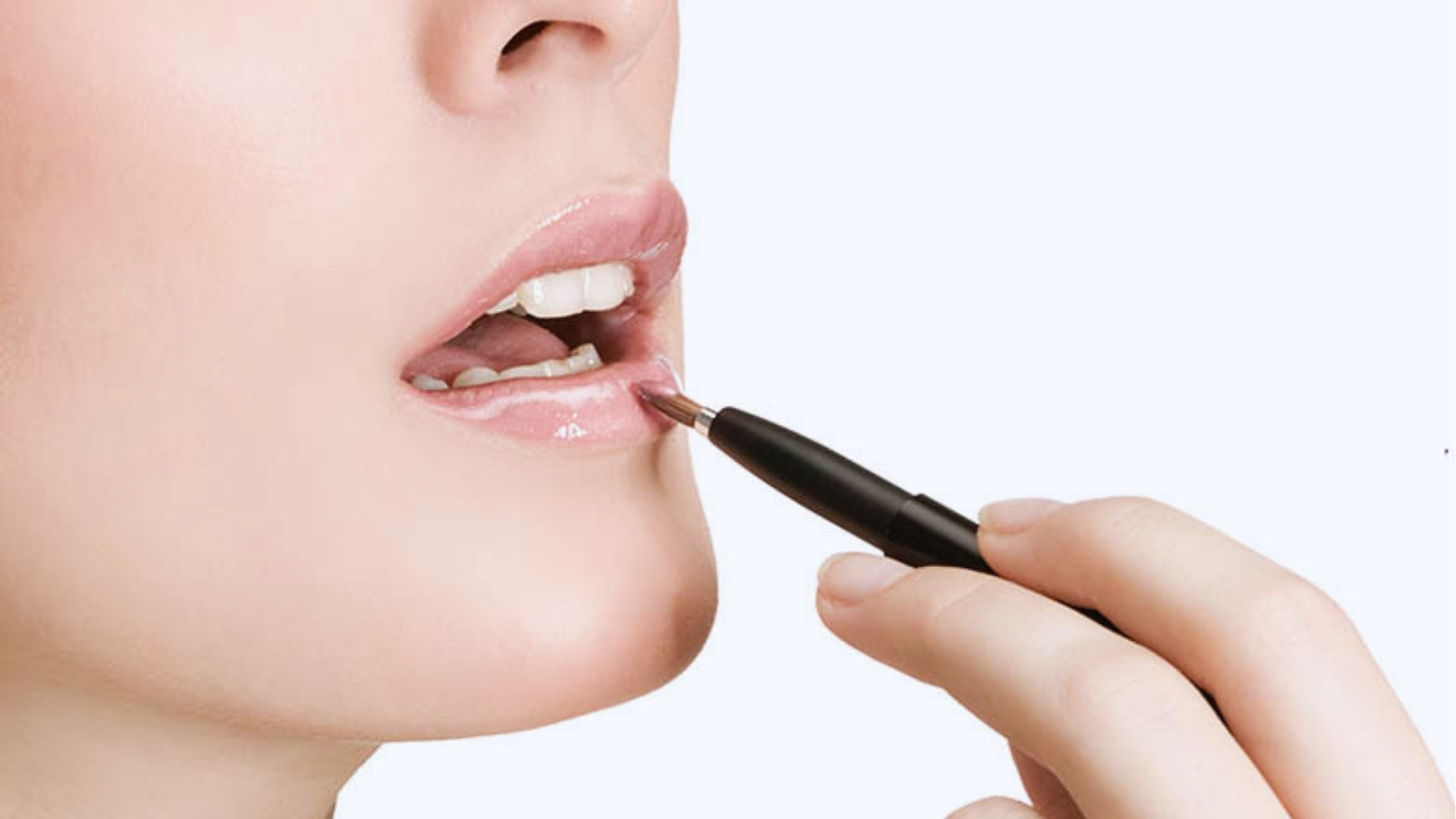
Knowing what’s inside your lip gloss helps you pick a product that actually works for you. Lip gloss is made from a mix of oils, waxes, and emollients.
These ingredients coat the lips and create that shiny, plump finish. Waxes hold the formula in place while oils add softness and slip.
It sits right between lip balm and lipstick in terms of function. Lip balm is made to hydrate and repair. Lipstick gives color and full coverage.
Lip gloss does something in the middle, it offers light moisture and shine without the heaviness of lipstick or the medicinal feel of balm.
Potential Downsides of Lip Gloss
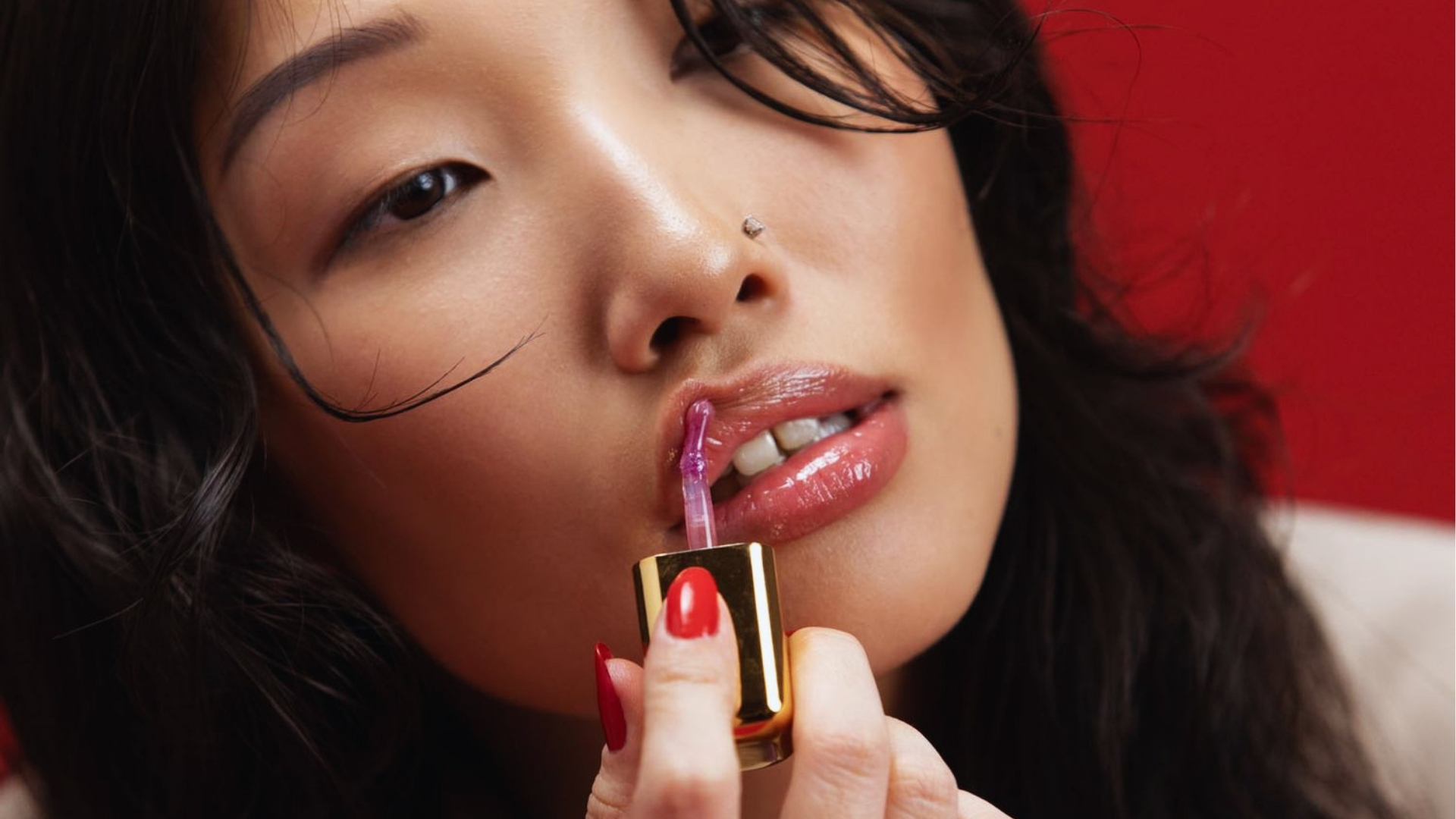
Not all lip gloss formulas are created equal, and some ingredients can cause more harm than good.
May Cause Dryness with Certain Ingredients
Some lip glosses contain alcohol, menthol, or volatile oils. These ingredients feel tingly and fresh at first.
But they can dry out your lips over time. If your lips feel tight or flaky after using gloss, check the label for these.
Risk of Irritation or Allergies
Fragrances, artificial pigments, and plumping agents can trigger reactions. If your lips swell, itch, or turn red, the formula may not suit your skin. Always patch test a new product before full use.
Overuse and Lip Product Buildup
Applying gloss too often can trap dirt and bacteria on the lips. It can also affect the natural texture of your lips if you never let them breathe. Less is often more when it comes to gloss.
Lip Gloss vs Lip Balm Which Is Better for Your Lips?
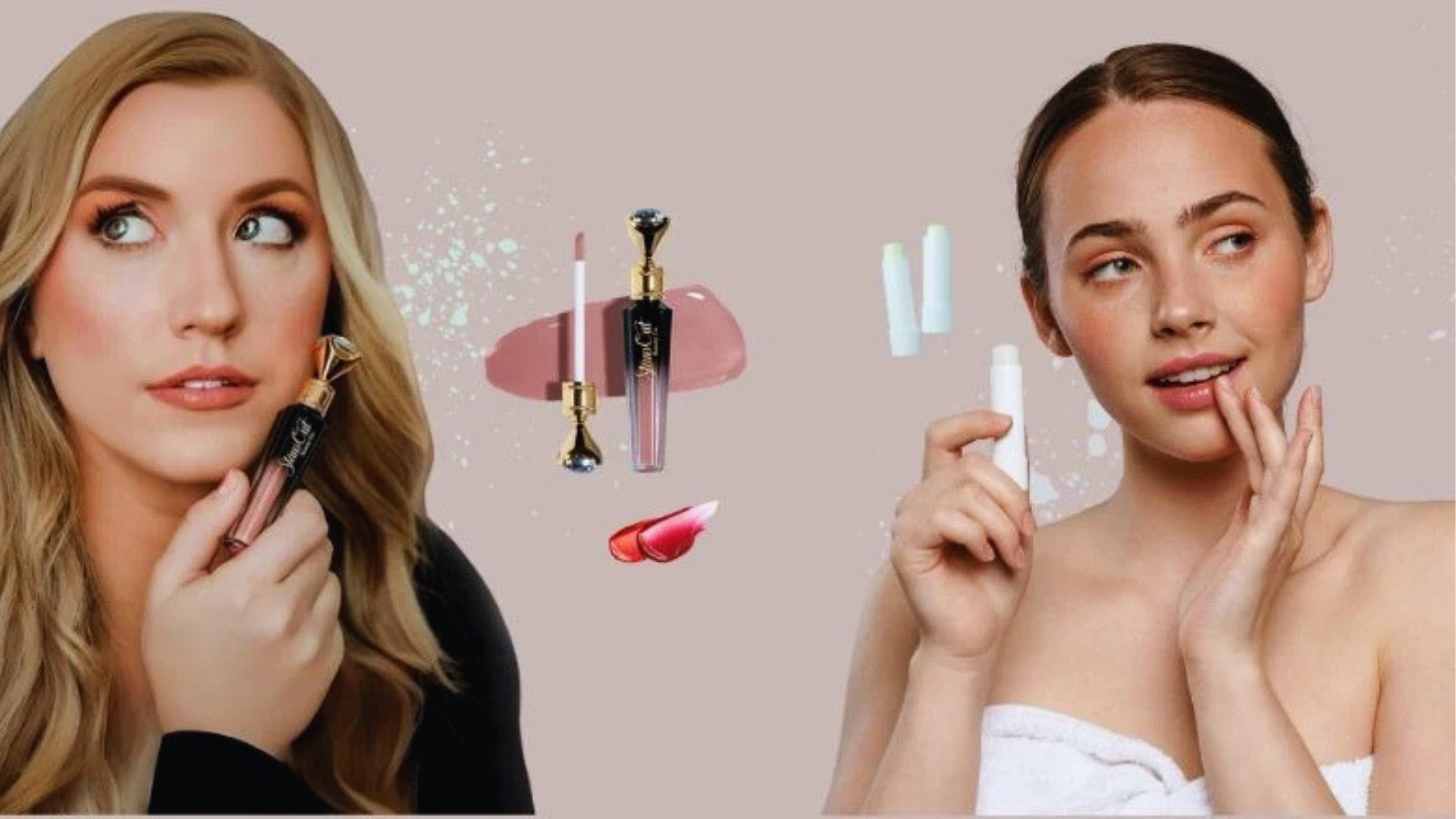
Both products serve different purposes, and the right choice depends on what your lips need that day.
When to Choose Lip Gloss
Go for gloss when you want shine, a fuller look, or a polished makeup finish. It works great for everyday wear and layering over other products.
When to Choose Lip Balm
Choose lip balm when your lips are chapped, cracked, or very dry. Balm is designed to heal and deeply hydrate. It works best at night or as a base layer.
Best Practice Using Both Together
Apply a thin layer of lip balm first. Let it absorb for a minute. Then apply lip gloss on top. This gives you the best of both hydration from the balm and shine from the gloss.
Different Types of Lip Gloss and Their Effects
The type of gloss you choose can make a big difference in how your lips feel and look.
Clear vs Tinted Gloss
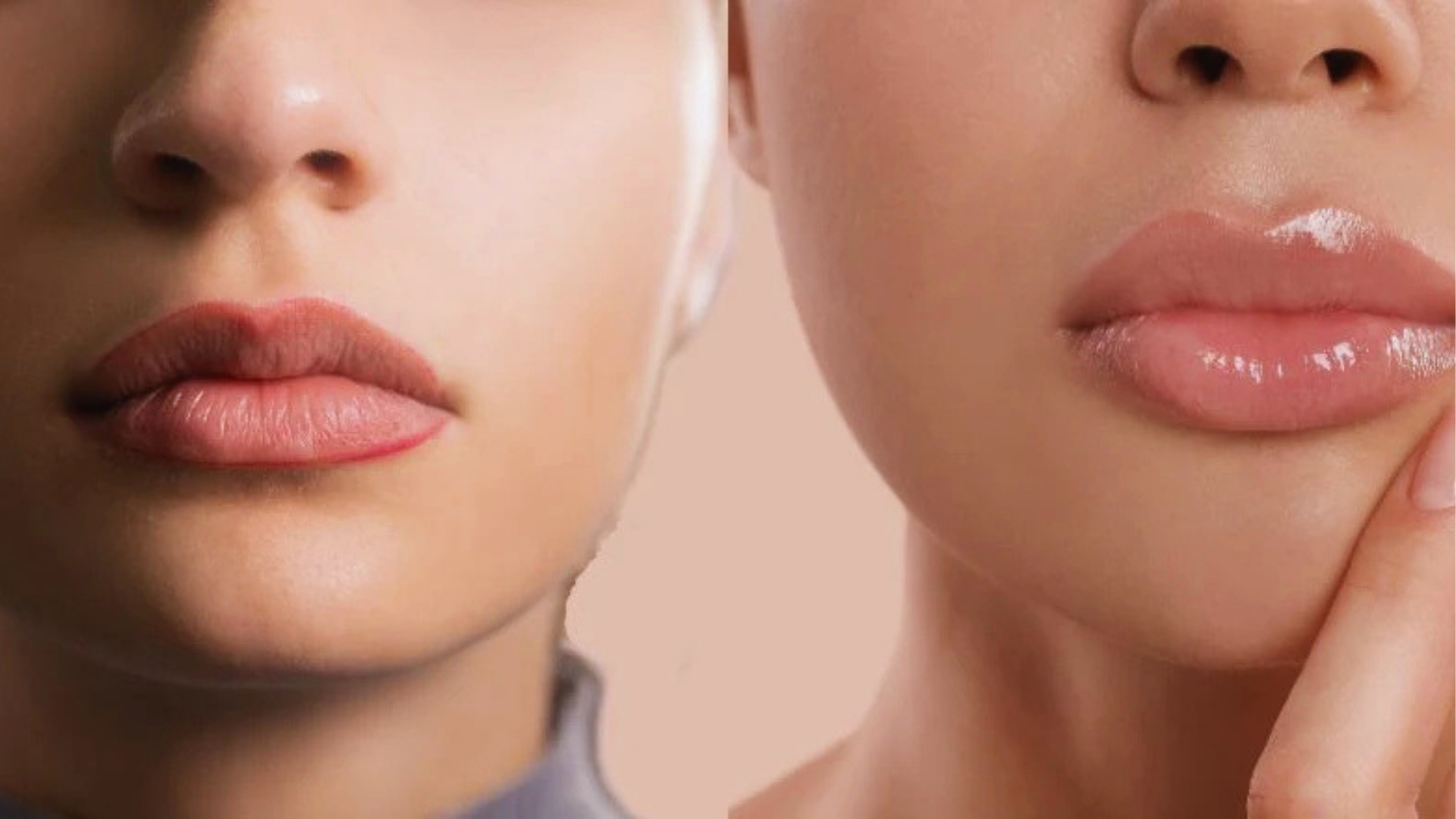
Clear gloss has fewer ingredients and is less likely to irritate. Tinted gloss adds pigment to the formula, which can sometimes cause sensitivity in some people.
If you have reactive skin, start with a clear formula.
Plumping Lip Gloss
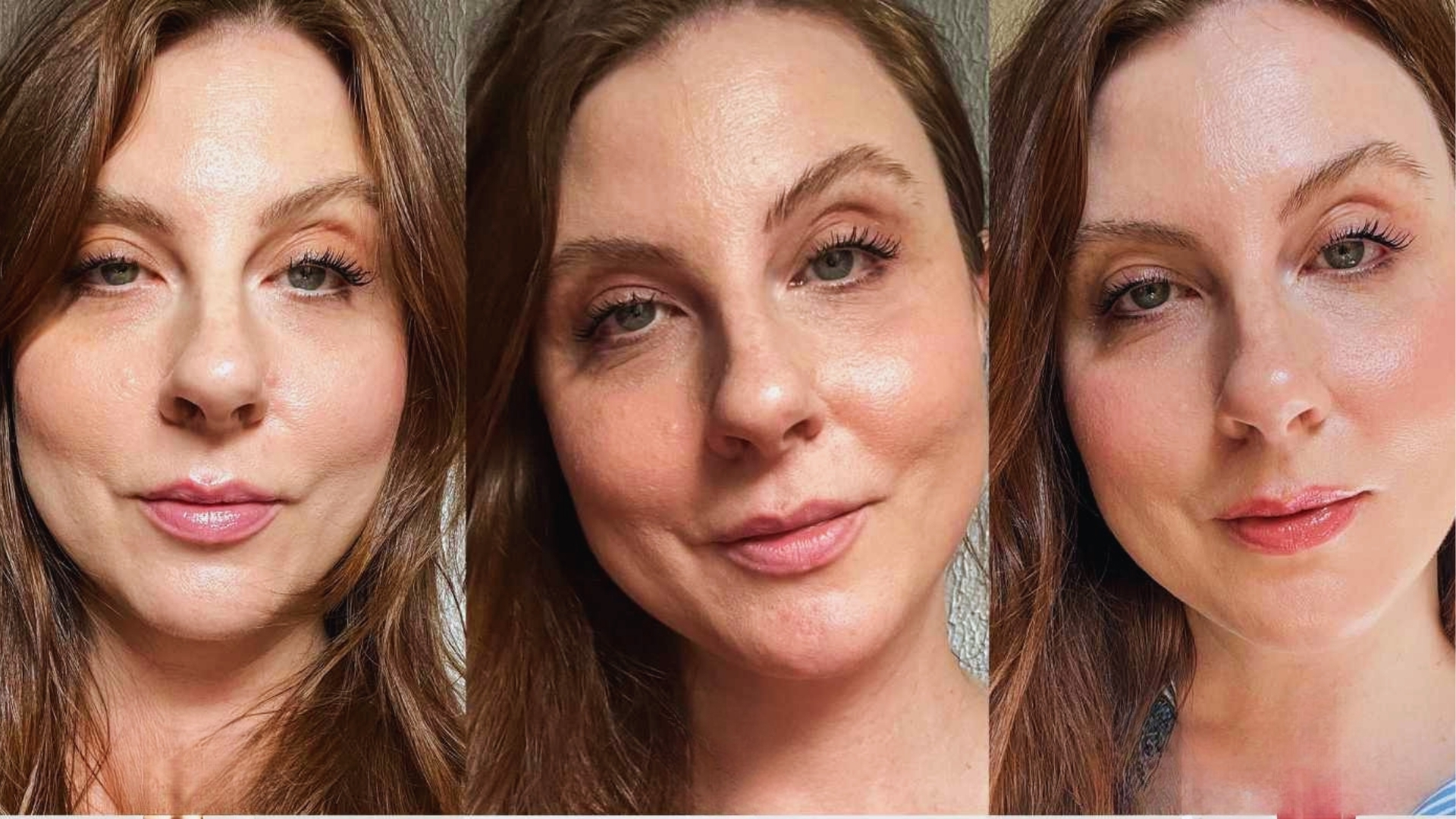
These glosses use active ingredients like cinnamon, ginger, or hyaluronic acid to create a fuller look. The fullness is temporary and fades within a few hours.
Some people find plumping glosses tingly, which is normal in small amounts.
Hydrating vs Long-Wear Formulas
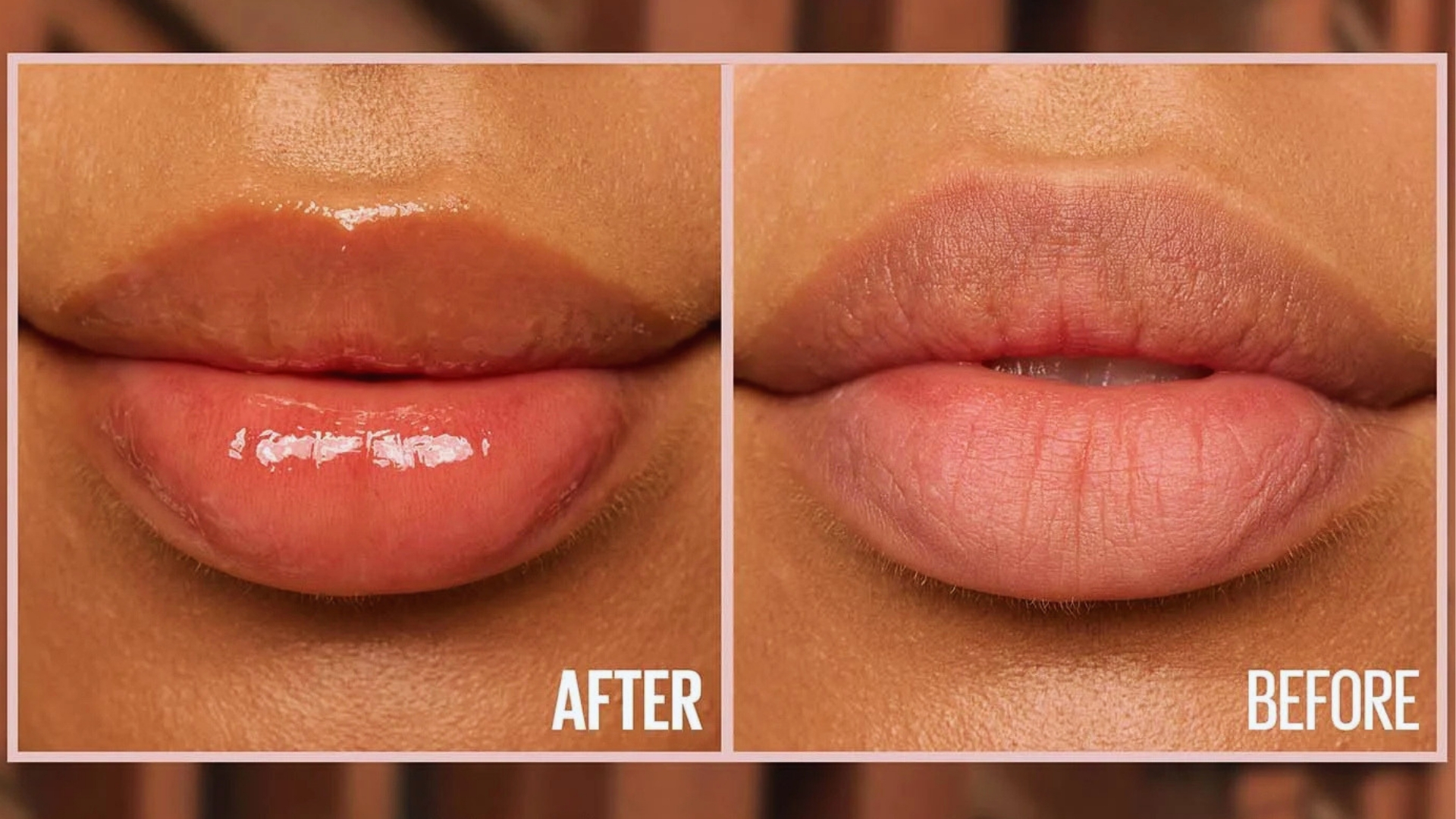
Hydrating glosses feel comfortable and soft but may fade faster. Long-wear glosses last longer but can feel slightly drier on the lips. Pick based on your priority comfort or staying power.
How to Use Lip Gloss Without Damaging Your Lips
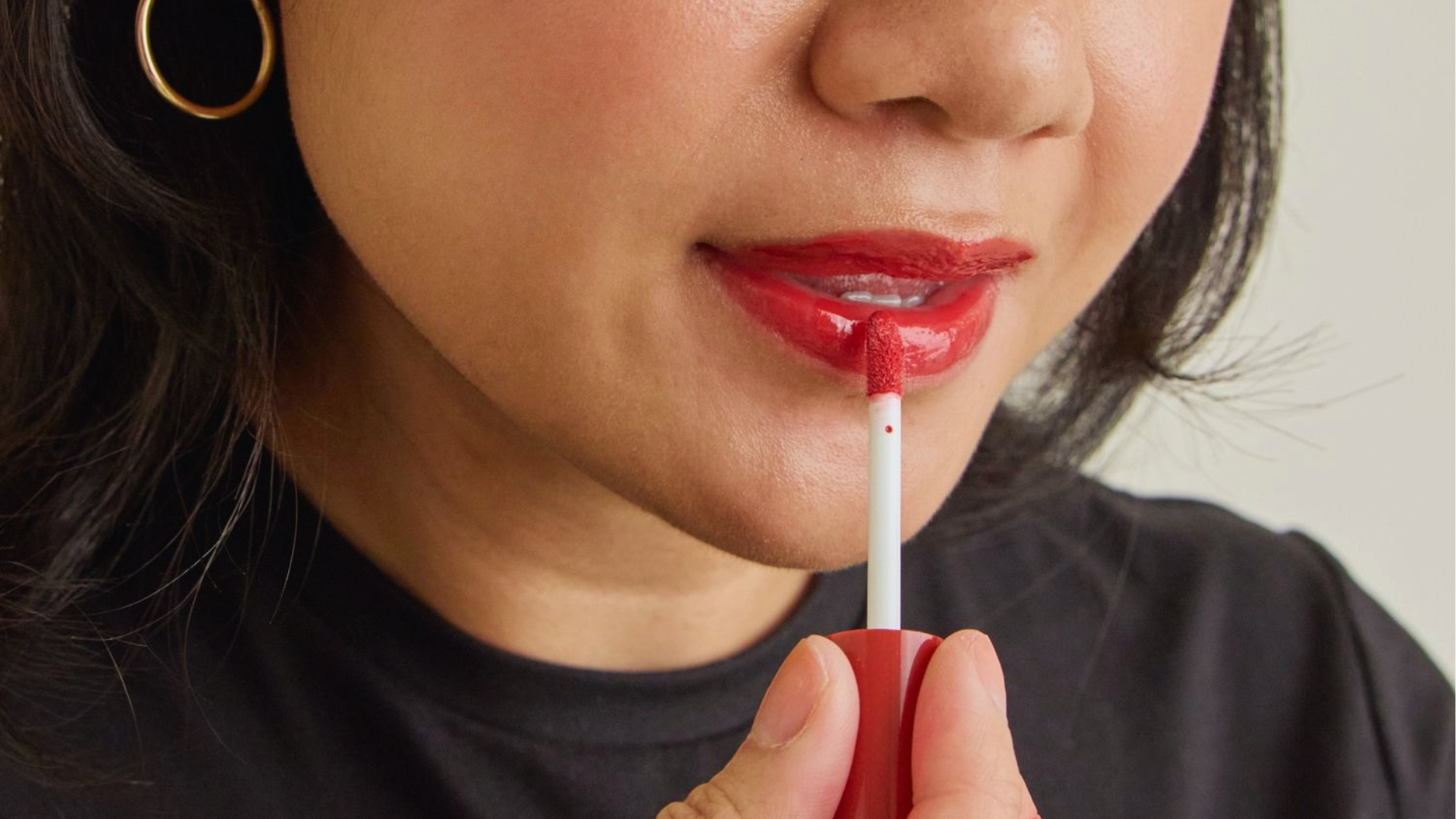
A few simple habits can keep your lips healthy while you still enjoy that glossy finish.
Apply on Clean, Moisturized Lips
Always start with clean lips. Use a lip balm as your base to lock in moisture before applying gloss. This creates a protective barrier between your lips and the gloss formula.
Avoid Overuse and Reapplication
Try not to reapply gloss every hour. Give your lips time to breathe between applications. Constant reapplication can cause buildup and make your lips dependent on product.
Remove Gloss Before Sleeping
Always remove your lip gloss before bed. Use a gentle makeup remover or a soft damp cloth. Sleeping with gloss on can trap dust and cause irritation or dryness overnight.
Benefits of Lip Gloss for Your Lips
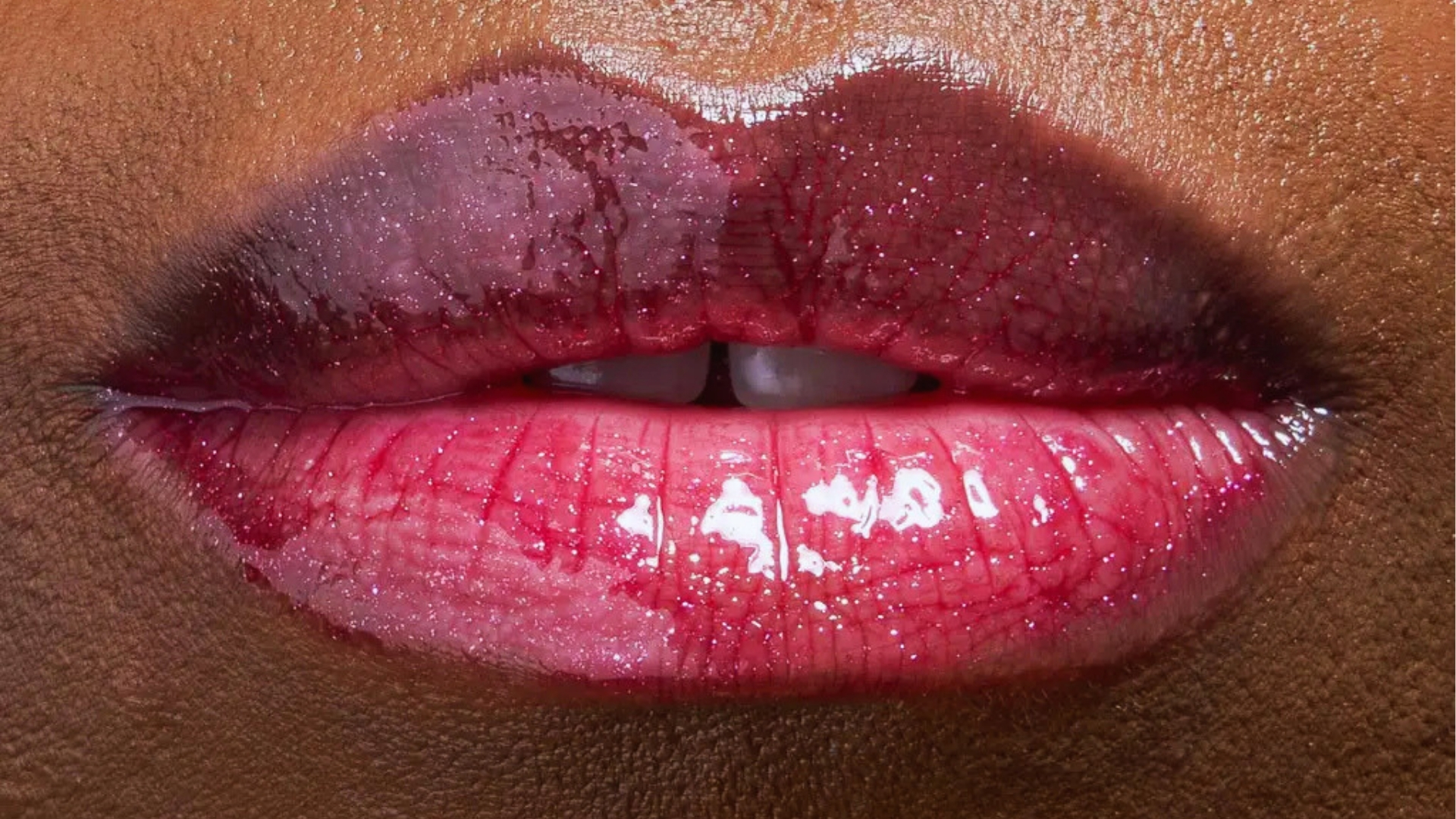
When used the right way, lip gloss can be a simple and effective part of your daily routine.
Improves Appearance and Shine
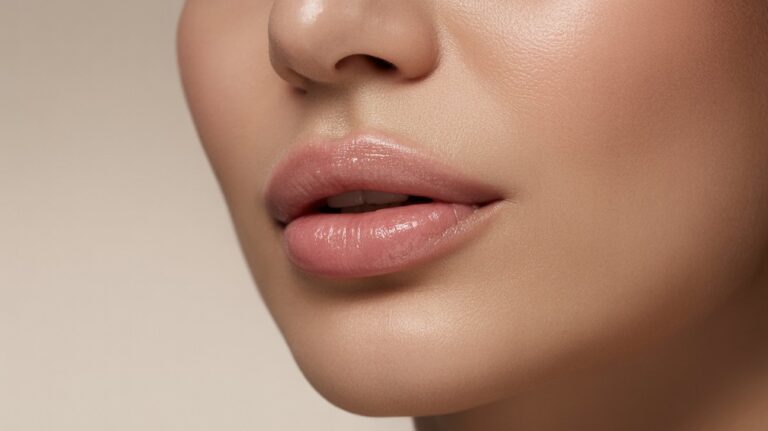
Lip gloss reflects light and creates the illusion of fuller, plumper lips. Even a clear gloss can make your lips look more defined and polished without any color.
Provides Light Hydration and Protection
The occlusive layer from gloss helps seal in existing moisture. Some gloss formulas also include SPF, which adds sun protection for your lips during the day.
Easy Application and Versatility
Lip gloss is one of the easiest products to apply. You can wear it alone for a natural look or layer it over lipstick for added dimension. It fits into any makeup routine easily.
Boosts Confidence and Aesthetic Appeal
There’s something about a glossy lip that feels fresh and put-together. It adds a youthful finish to any look and takes just seconds to apply.
Tips to Keep Your Lips Healthy While Using Lip Gloss
Small daily habits go a long way in keeping your lips soft, smooth, and gloss-ready.
- Exfoliate your lips once or twice a week using a gentle scrub or a soft toothbrush with coconut oil to remove dead skin and keep them smooth.
- Smooth lips help lip gloss apply more evenly and look better throughout the day.
- Choose glosses with nourishing oils like jojoba, castor, or argan oil for added softness and care.
- Look for shea butter and vitamin E on the ingredient list both help keep lips soft and healthy.
- Avoid glosses with long lists of synthetic fragrance, especially if your lips are sensitive.
- Drink enough water daily and eat foods rich in vitamin E and C to support lip health from the inside out.
Conclusion
I used to think lip gloss was just a fun beauty product with no real effect on lip health. But after learning more, I now use it with a little more care.
Is lip gloss good for your lips? Yes, when you use it the right way.
Pair it with a good lip balm, choose clean formulas, and give your lips rest when needed. That balance is the key.
I hope this helped you feel more confident about your lip care routine. Try these tips and let me know in the comments how it goes!
Frequently Asked Questions
Does lip gloss dry out your lips?
Some glosses with alcohol or menthol can dry out your lips over time. Choosing a formula with nourishing oils helps prevent this.
Can I wear lip gloss every day?
Yes, you can wear it daily as long as you moisturize underneath and remove it before bed. Giving your lips breaks helps maintain their natural health.
Is lip gloss safe for sensitive lips?
Clear, fragrance-free glosses are usually safe for sensitive lips. Always check the ingredient list and avoid formulas with strong plumping agents or artificial dyes.
What is better for chapped lips, gloss or balm?
Lip balm is better for chapped lips because it is made to repair and hydrate. Use balm first and add gloss once your lips have healed.
Can lip gloss cause allergic reactions?
Yes, certain ingredients like fragrances and pigments can cause reactions in some people. If you notice redness, swelling, or itching, stop using the product right away.