Why Are My Feet So Dry? Causes and Easy Remedies

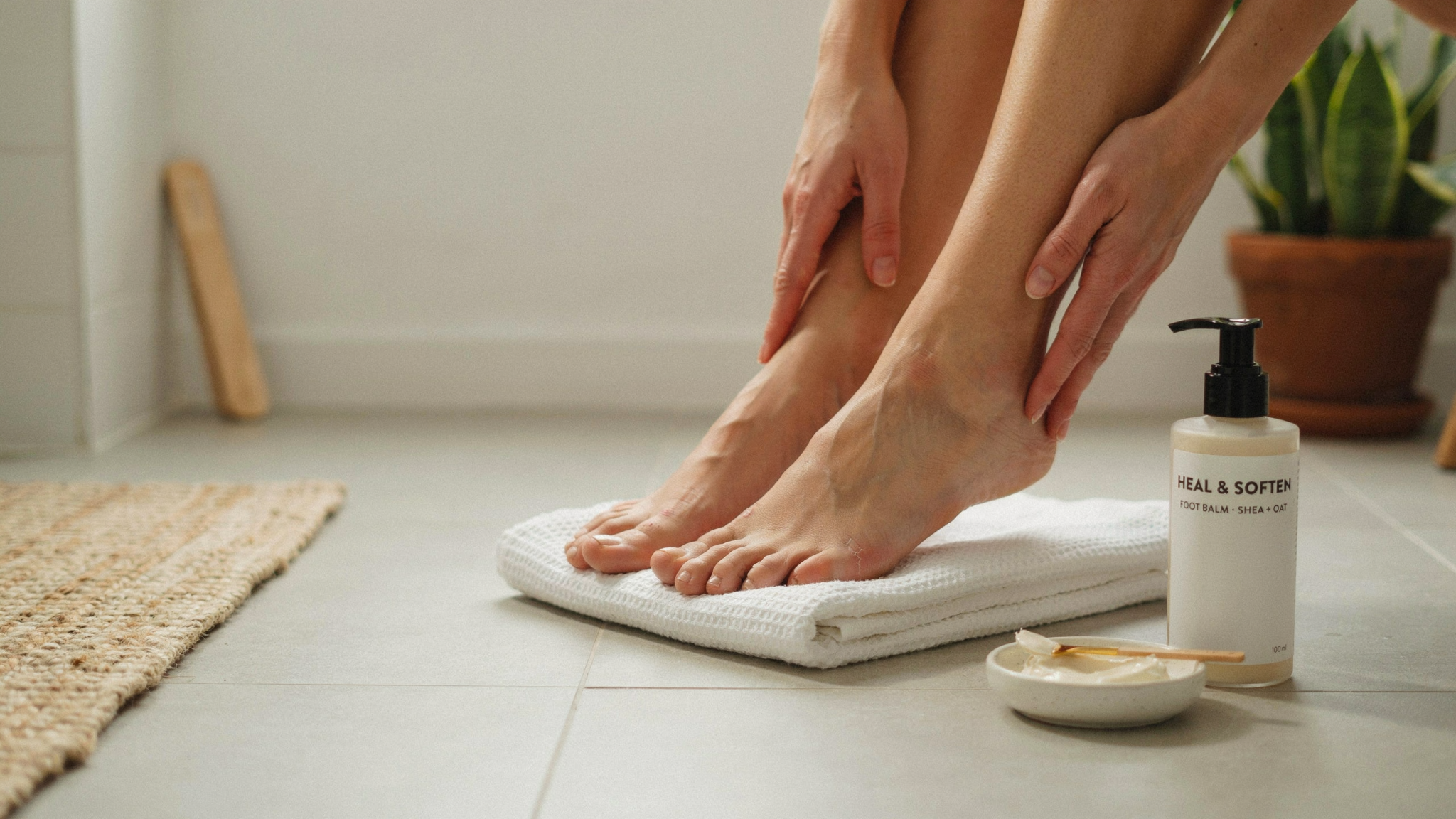
If you've been asking yourself why are my feet so dry, you're not alone. Dry, rough, or cracked feet can be uncomfortable and sometimes difficult to manage.
The good news is that understanding the cause is often the first step toward finding relief.
In this guide, you'll learn the most common reasons feet become dry, simple home treatments that can help, daily habits that may be making the problem worse, and when it may be time to seek professional advice.
I’ll help you identify possible causes and find practical solutions that fit your routine.
Why Are My Feet So Dry?

Dry feet happen when the skin loses moisture faster than it can replace it.
Several everyday habits, environmental factors, and health conditions can contribute to dryness, rough patches, and cracked heels.
Dry feet occur when the outer layer of skin lacks enough moisture to stay soft and flexible. This can lead to flaking, itching, roughness, and discomfort over time.
Healthy skin contains natural oils that help lock in moisture and protect against dryness.
When this protective barrier becomes weakened, moisture escapes more easily, leaving the skin dry and irritated.
Common Causes of Dry Feet
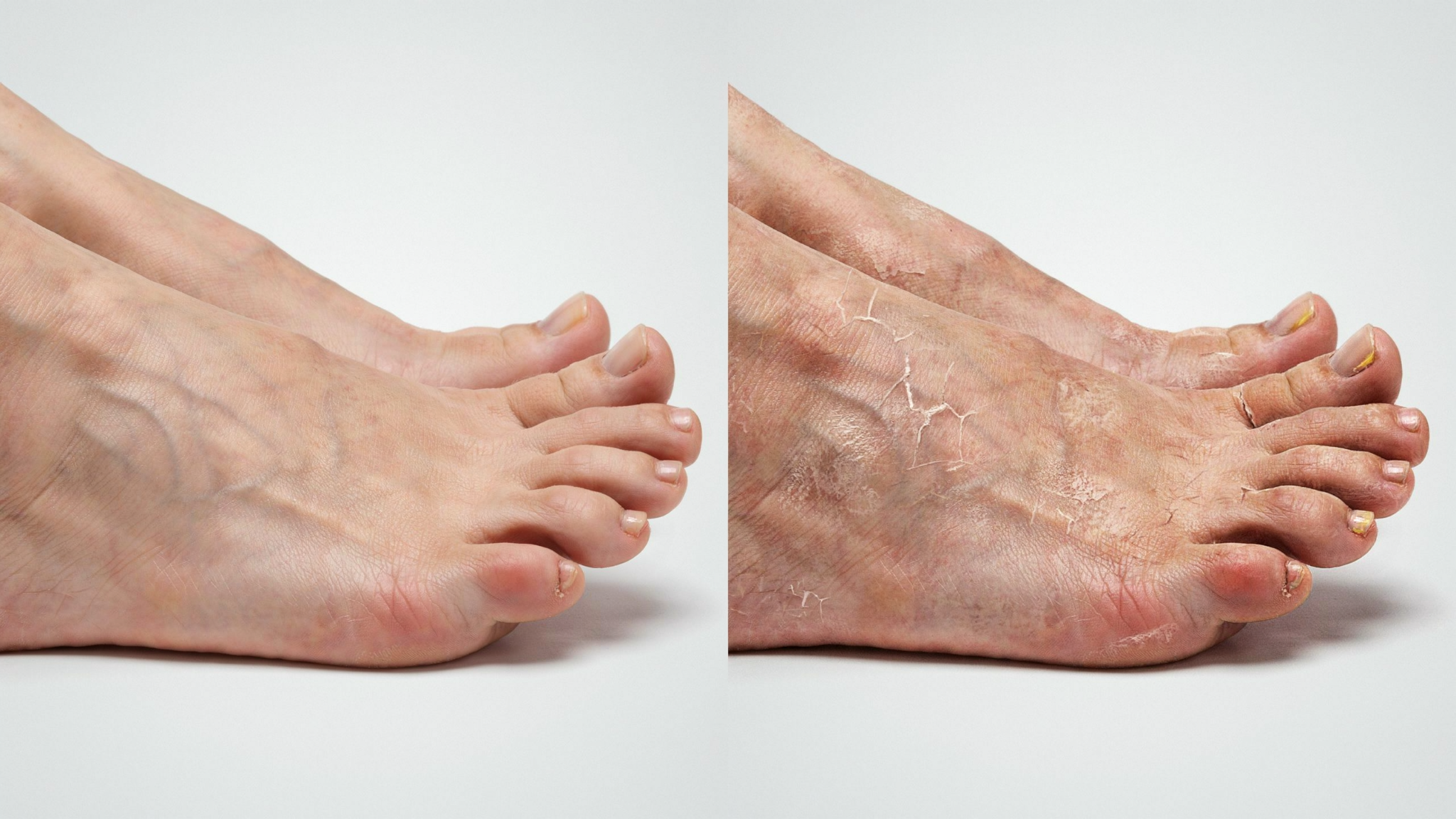
Many cases of dry feet are linked to everyday factors that affect the skin's ability to retain moisture.
Cold and Dry Weather
Low humidity and cold temperatures can pull moisture from the skin. This often makes dry feet more noticeable during the winter months.
Frequent Hot Showers and Baths
Hot water can strip away the skin's natural oils. Repeated exposure may leave your feet feeling rough and dehydrated.
Harsh Soaps and Skin Products
Some cleansers contain ingredients that remove too much oil from the skin. This can weaken the skin barrier and increase dryness.
Standing for Long Periods
Long hours on your feet can create pressure and friction. Over time, this may contribute to rough skin and cracked heels.
Aging and Natural Skin Changes
As people age, the skin naturally produces less oil. This can make it harder to maintain moisture and keep feet soft.
Wearing Open-Back Shoes
Sandals and other open-back footwear expose the heels to air and friction. This can increase moisture loss and lead to dry, cracked skin.
Dehydration
Not drinking enough fluids can affect overall skin hydration. When the body lacks water, the skin may become drier and less flexible.
Medical Conditions That Can Cause Dry Feet
Sometimes dry feet are linked to an underlying health condition rather than everyday habits or environmental factors.
1. Eczema
Eczema can cause dry, itchy, and inflamed skin on different parts of the body, including the feet.
Flare-ups may lead to redness, peeling, and increased sensitivity, making the skin feel rough and uncomfortable.
2. Psoriasis
Psoriasis is a skin condition that causes skin cells to build up more quickly than normal.
This often results in thick, dry, and scaly patches that can appear on the soles of the feet and sometimes crack.
3. Athlete’s Foot
Athlete’s foot is a fungal infection that commonly affects the skin between the toes and on the soles. It can cause peeling, itching, dryness, and irritation that may resemble regular dry skin.
4. Diabetes
People with diabetes may experience dry feet due to reduced circulation and changes in nerve function. Dry skin can increase the risk of cracks, which is why regular foot care is especially important.
5. Thyroid Conditions
An underactive thyroid can slow down many body functions, including oil production in the skin. This may lead to persistent dryness and rough skin on the feet.
Signs and Symptoms of Dry Feet
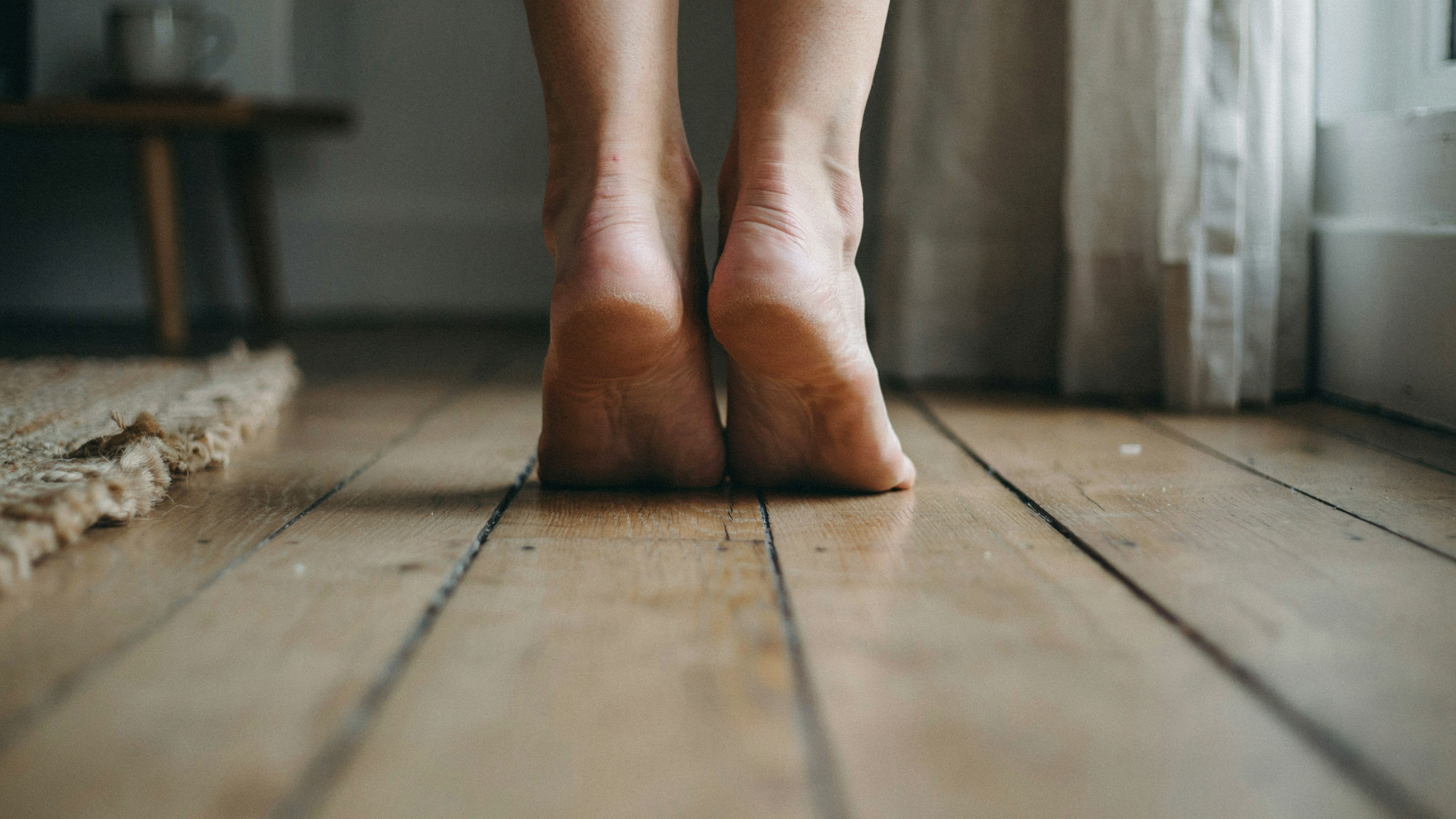
Dry feet often develop gradually, and recognizing the early signs can help prevent more serious skin problems.
Flaky or Peeling Skin
Small flakes of skin are often one of the first signs of dryness. The skin may look dull, rough, or uneven.
Rough and Scaly Patches
Dry feet can develop areas of thickened skin that feel rough to the touch. These patches commonly appear on the heels and balls of the feet.
Itching and Irritation
As the skin loses moisture, it may become itchy and irritated. Scratching can sometimes make the problem worse.
Cracked Heels
Severe dryness can cause the skin around the heels to split. These cracks may become painful if left untreated.
Pain or Discomfort While Walking
Dry, thickened, or cracked skin can make walking uncomfortable. In some cases, pressure on the affected areas may cause soreness.
How to Treat Dry Feet at Home
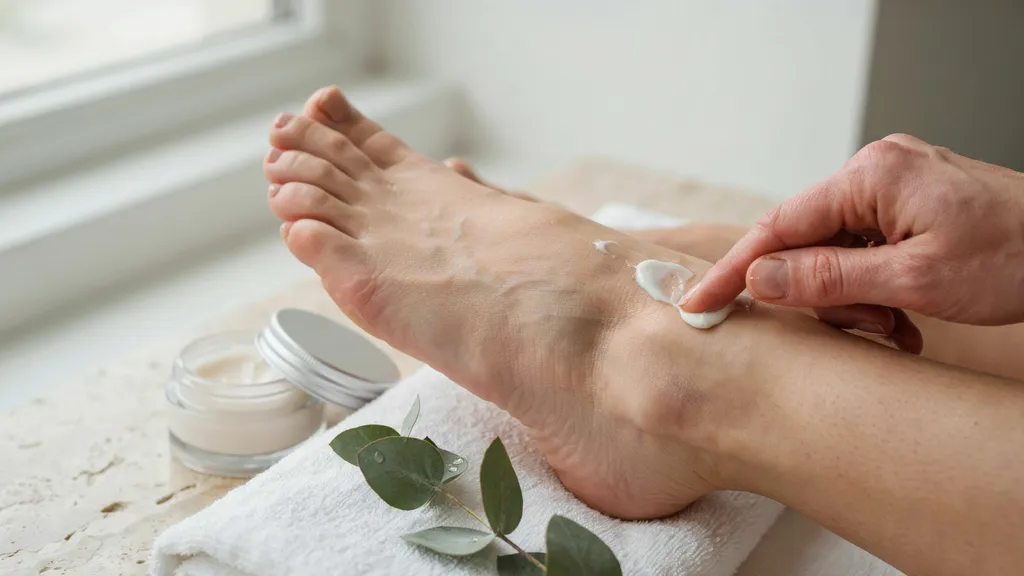
Simple daily care habits can help restore moisture and improve the appearance of dry feet.
Moisturize Daily
Apply a rich foot cream or moisturizer after bathing and before bed. Consistent moisturizing helps replace lost moisture and keeps the skin soft.
Soak Your Feet Properly
Soaking your feet in warm water for a short period can help soften rough skin. Avoid using very hot water, which can make dryness worse.
Exfoliate Gently
Use a pumice stone or gentle foot scrub to remove dead skin. Avoid aggressive scrubbing, as it can irritate sensitive skin.
Apply Overnight Foot Treatments
A thick moisturizer applied before bedtime can work overnight to soften dry skin. Covering your feet with socks may help lock in moisture.
Wear Moisturizing Socks
Soft socks can help reduce moisture loss throughout the day and night. They also protect dry skin from friction.
Stay Hydrated
Drinking enough water supports overall skin health. Proper hydration helps the skin maintain its natural moisture balance.
Best Ingredients for Dry Feet Care
Certain moisturizing ingredients are especially effective for improving dry and rough feet.
| Ingredient | How It Helps Dry Feet |
| Urea | Helps attract moisture to the skin while softening thick, rough areas. Commonly found in foot creams made for dry skin. |
| Shea Butter | Provides deep hydration and helps improve the skin's softness. Often used in rich creams and moisturizing balms. |
| Coconut Oil | Helps reduce moisture loss and leaves the skin feeling smoother. Popular as a natural moisturizing option. |
| Glycerin | Draws water into the skin and helps maintain hydration. Frequently included in lotions and foot care products. |
| Petroleum Jelly | Creates a protective barrier that locks in moisture. Particularly helpful for very dry skin and cracked heels. |
Step-by-Step Routine for Soft Feet

Following a simple routine can help improve dry feet and maintain smoother skin over time.
Step 1: Clean Your Feet Gently
Wash your feet with lukewarm water and a mild cleanser. Pat them dry instead of rubbing them with a towel.
Step 2: Soak and Soften the Skin
Soak your feet for 10 to 15 minutes in warm water. This helps loosen dry skin and prepares it for exfoliation.
Step 3: Remove Dead Skin Carefully
Use a pumice stone or foot file on rough areas. Work gently to avoid damaging healthy skin.
Step 4: Apply a Rich Moisturizer
Massage a thick foot cream into the heels and other dry areas. Pay extra attention to cracked or rough patches.
Step 5: Lock in Moisture Overnight
Put on clean cotton socks after moisturizing. This helps keep the moisturizer in place while you sleep.
Habits That May Be Making Dry Feet Worse
Some daily habits can contribute to dryness without you realizing it.
- Skipping Moisturizer: Dry skin often worsens when moisture is not replaced regularly.
- Using Very Hot Water: Hot water can strip away the skin's protective oils.
- Walking Barefoot Frequently: Bare feet are exposed to friction and moisture loss.
- Ignoring Early Signs of Dryness: Small dry patches can become larger and more difficult to manage.
- Wearing Poorly Fitting Shoes: Tight or uncomfortable footwear can increase pressure and irritation.
How to Prevent Dry Feet
Preventive care is often easier than treating severe dryness later.
- Choose Gentle Skin Care Products: Use mild cleansers that do not strip away natural oils.
- Wear Proper Footwear: Well-fitting shoes help reduce friction and pressure.
- Moisturize Consistently: Daily moisturizing helps maintain healthy skin.
- Protect Feet From Harsh Weather: Keep feet covered during cold and dry conditions.
- Maintain Good Hydration Habits: Drinking enough water supports overall skin health.
When to See a Healthcare Professional
While many cases of dry feet improve with home care, some situations require professional attention.
- Persistent Cracking and Bleeding
- Signs of Infection
- Severe Itching or Pain
- Dry Feet Related to Medical Conditions
Conclusion
If you've been wondering why my feet are so dry, the answer is often linked to daily habits, environmental factors, or an underlying condition.
The good news is that small changes can make a noticeable difference over time.
In my opinion, consistent moisturizing is one of the simplest yet most effective habits for keeping feet soft and comfortable.
Imagine ending your day with smoother, healthier-looking feet.
If this guide helped you, leave a comment, share it with others, or try more foot care and skincare articles.
Frequently Asked Questions
Why are my feet so dry even after using moisturizer?
Dry feet may persist if moisturizer is not applied consistently or if an underlying condition is contributing to the problem. Using richer products may also help.
What is the best moisturizer for very dry feet?
Products containing urea, glycerin, shea butter, or petroleum jelly are often effective. These ingredients help attract and lock in moisture.
Can dry feet heal on their own?
Mild dryness may improve with proper care and hydration. More severe cases usually need regular moisturizing and protective foot care.
Are dry feet more common during winter?
Yes, cold temperatures and low humidity can remove moisture from the skin. This often makes dryness worse during colder months.
When should I see a healthcare professional for dry feet?
Consider seeking advice if you have deep cracks, bleeding, signs of infection, or ongoing dryness that does not improve with home care.