Is Dandruff Contagious? Causes and Treatment

You spot white flakes on your shoulder and the first thought that hits is, can someone else catch this from me?
It is a fair question. And the answer is no. Dandruff is not contagious. You cannot pass it to another person through touch, shared combs, or close contact.
Dandruff starts on your own scalp. It is triggered by excess oil, a fungus called Malassezia, dry skin, or harsh hair products. These are personal scalp issues, not infections that spread.
In this blog, we break down exactly what causes dandruff, what conditions look similar, and what actually works to treat and prevent it.
Let us get into it.
Is Dandruff Contagious?
Dandruff is not contagious. You cannot catch it from sharing a comb, hugging someone, or sitting near a person who has it. It starts on your own scalp.
The main causes are excess oil, a yeast-like fungus called Malassezia, dry skin, or sensitivity to hair products. These are internal triggers, not something that passes between people.
Many people assume dandruff spreads like an infection. It does not. It is a scalp condition that each person develops on their own.
What Is Dandruff?

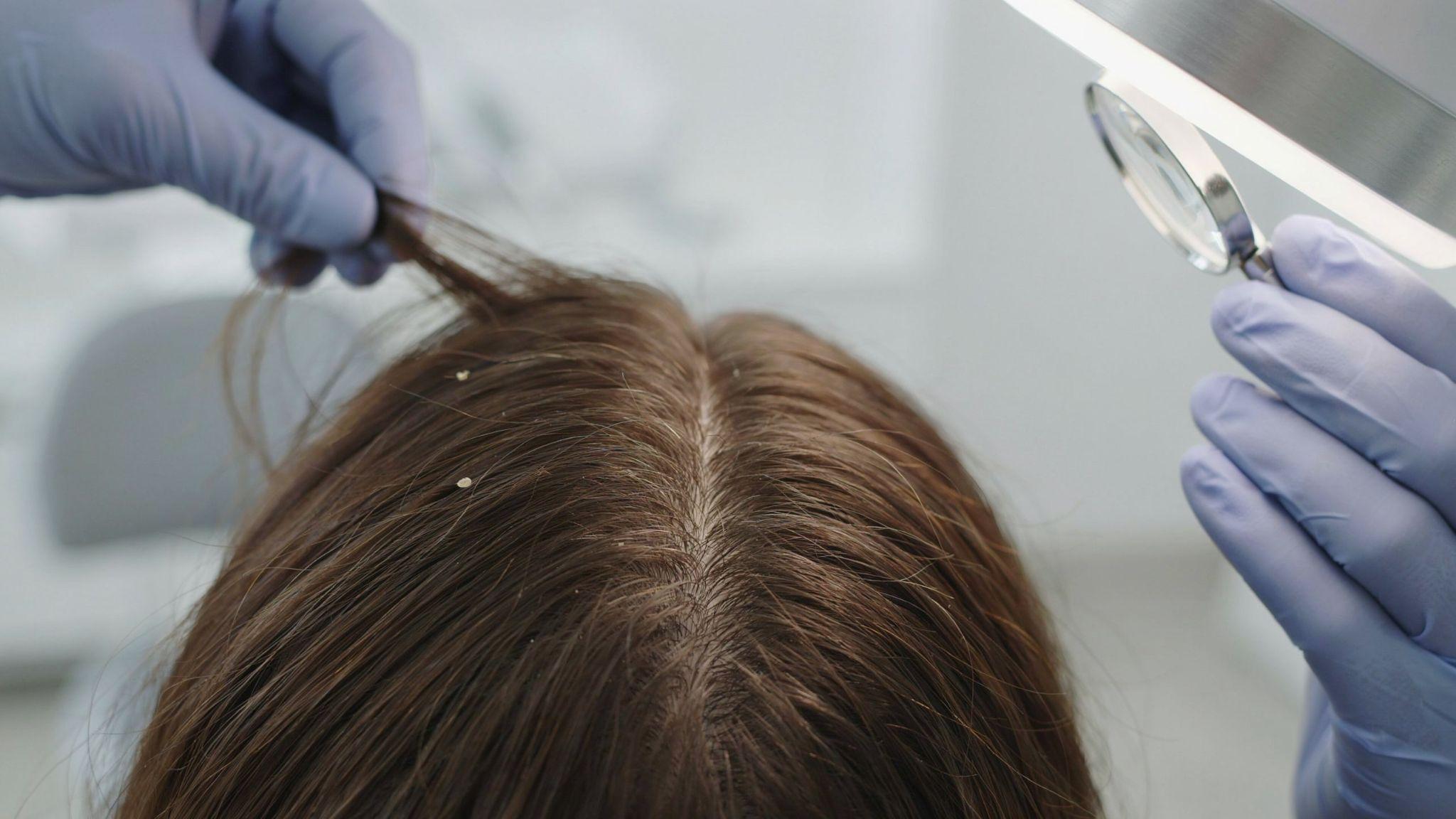
Dandruff is a common scalp condition where dead skin cells shed in visible white or yellowish flakes. It often comes with itching and an oily scalp.
The scalp becomes irritated, leading to faster skin cell turnover. These excess cells clump together and fall off as flakes.
Dandruff and dry scalp are different. Dry scalp produces small, white flakes due to lack of moisture. Dandruff flakes are larger, oilier, and linked to scalp irritation or fungal activity.
What Causes Dandruff?

Dandruff has several causes, and knowing them helps you find the right fix faster.
Malassezia Yeast and Scalp Irritation
Malassezia is a fungus that lives on most scalps.
When it grows too much, it breaks down scalp oils into fatty acids. These fatty acids irritate the skin and speed up skin cell shedding, causing flakes.
Excess Oil Production
An oily scalp creates the perfect environment for fungal growth.
When sebaceous glands produce too much oil, the scalp becomes greasy. This leads to skin cell buildup and visible flaking.
Dry Skin
A dry scalp sheds small, dry flakes.
Cold weather, low humidity, and overwashing can strip natural moisture from the scalp. This makes the skin flake without any fungal involvement.
Sensitivity to Hair Care Products
Some shampoos, conditioners, and styling products contain harsh chemicals.
These can irritate the scalp and cause redness, itching, and flaking. This reaction is called contact dermatitis.
Skin Conditions Linked to Dandruff
Certain skin conditions make dandruff worse.
Seborrheic dermatitis causes oily, scaly patches on the scalp. Psoriasis leads to thick, crusty flakes. Eczema can also trigger scalp irritation and shedding.
Common Symptoms of Dandruff
- White or yellow flakes appear on the scalp and fall onto hair and clothing. They are more visible on dark-coloured outfits.
- The scalp feels itchy and uncomfortable, especially in patches. Scratching often makes the irritation worse.
- Redness and mild inflammation can develop on the scalp. This usually signals ongoing irritation or a reaction to a product.
- Flakes settle on the shoulders and collar throughout the day. This is often the first sign people notice before checking the scalp.
Conditions That Can Be Mistaken for Dandruff
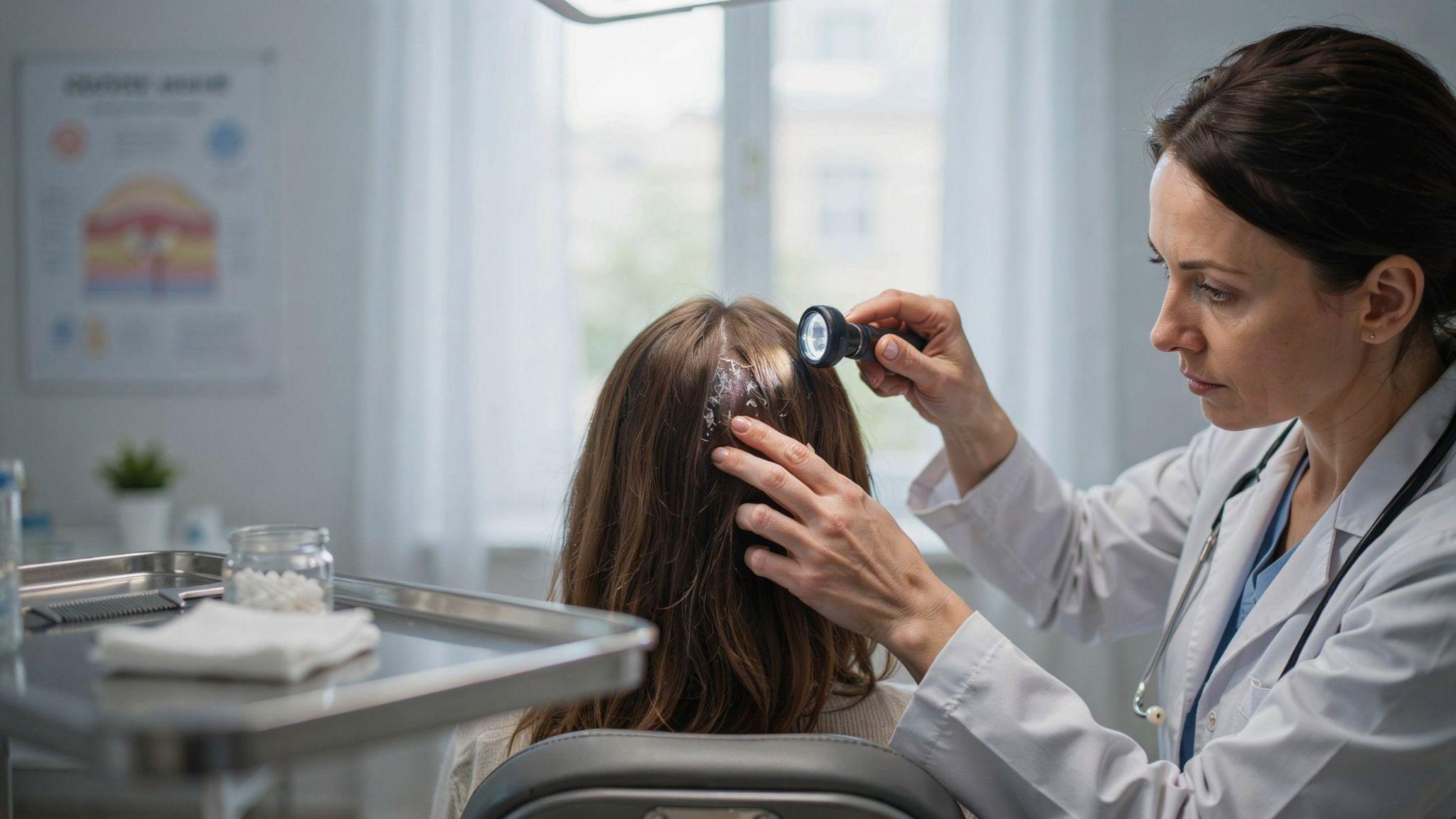
Not everything that flakes is dandruff. Some scalp conditions look similar but need different treatment.
Scalp Psoriasis
Scalp psoriasis causes thick, silvery scales and red patches. The flakes are larger and more stubborn than regular dandruff. It is an autoimmune condition and needs medical attention, not just an anti-dandruff shampoo.
Seborrheic Dermatitis
Seborrheic dermatitis is a more severe form of dandruff. It causes greasy, yellowish flakes along with redness and itching. It can spread beyond the scalp to the face, ears, and chest.
Head Lice and Nits
Lice eggs, called nits, are sometimes confused with dandruff. The key difference is that nits stick firmly to the hair shaft and do not fall off easily. Dandruff flakes come off with a light touch.
Fungal Scalp Infections
Tinea capitis is a fungal infection that causes scaly patches, hair loss, and itching. It is more common in children. Unlike dandruff, it spreads through direct contact and requires antifungal treatment from a doctor.
Can a Fungal Scalp Infection Be Contagious?

Fungal scalp infections like Tinea Capitis, also known as scalp ringworm, are contagious unlike dandruff.
This infection spreads through direct contact with an infected person, shared combs, hats, or towels. It causes scaly patches, itching, and sometimes hair loss.
Signs that it may not be ordinary dandruff include bald patches, broken hair, swollen lymph nodes, or flakes that appear only in specific spots.
If you notice these signs, see a doctor for proper antifungal treatment.
How to Treat Dandruff Effectively
- Anti-dandruff shampoos are the most common and effective way to manage flaking. Look for ones that target the root cause, not just the visible flakes.
- Key ingredients to look for include zinc pyrithione, ketoconazole, selenium sulfide, and salicylic acid. Each one works differently depending on your scalp type and dandruff severity.
- Wash your hair regularly but avoid overdoing it. Skipping washes lets oil build up, while washing too often can dry out the scalp.
- A healthy scalp routine includes staying hydrated, eating a balanced diet, and managing stress. These factors directly affect scalp health and flaking patterns.
- Dandruff can come back even after treatment. Rotating between two anti-dandruff shampoos and using them consistently helps keep recurring flakes under control.
How to Prevent Dandruff From Coming Back
Keeping dandruff away requires small but consistent habits. Wash your hair regularly to prevent oil and dead skin from building up on the scalp.
Check your hair products and avoid anything with harsh chemicals that irritate the scalp.
Stress triggers flare-ups, so managing it through sleep, exercise, or simple relaxation helps.
A diet rich in zinc, B vitamins, and healthy fats supports scalp health from within. What you eat shows up on your scalp too.
Conclusion
Dandruff is common, manageable, and not something you can pass on to others. It comes from your own scalp, whether from excess oil, fungal activity, or dry skin.
The right shampoo, a clean scalp routine, and a few lifestyle changes go a long way.
I have seen how small, consistent habits make the biggest difference for scalp health.
If nothing seems to work, do not wait. Book a consultation with a dermatologist today and get the answers your scalp deserves.
Frequently Asked Questions
Can you get dandruff from someone else?
No, dandruff is not contagious. It develops from your own scalp conditions like excess oil, fungal activity, or dry skin.
What is the fastest way to get rid of dandruff?
Using an anti-dandruff shampoo with ingredients like zinc pyrithione or ketoconazole works quickly. Consistent use over several weeks gives the best results.
Is dandruff a sign of poor hygiene?
Not necessarily. Dandruff can affect people who wash their hair regularly. It is a scalp condition, not a cleanliness issue.
Can dandruff cause hair loss?
Dandruff itself does not directly cause hair loss. However, excessive scratching and untreated scalp inflammation can weaken hair roots over time.
How do I know if I have dandruff or a fungal infection?
Dandruff causes general flaking and itching across the scalp. A fungal infection like Tinea Capitis causes patchy hair loss, broken hair, and needs a doctor's diagnosis.