11 Native American Hairstyles to Influence Your Look


I have always been drawn to hairstyles that carry meaning. Native American hairstyles are more than just looks. They reflect identity, tradition, and community.
In this blog, I cover 11 styles you can draw inspiration from, what they mean culturally, and how to approach them respectfully. I also share hair care tips and common mistakes to avoid.
I have spent time researching Indigenous hair traditions carefully.
Every style listed here comes with context, not just instructions. You will leave with real knowledge, not just a trend list.
Let this guide help you appreciate these styles the right way.
What Are Native American Hairstyles?
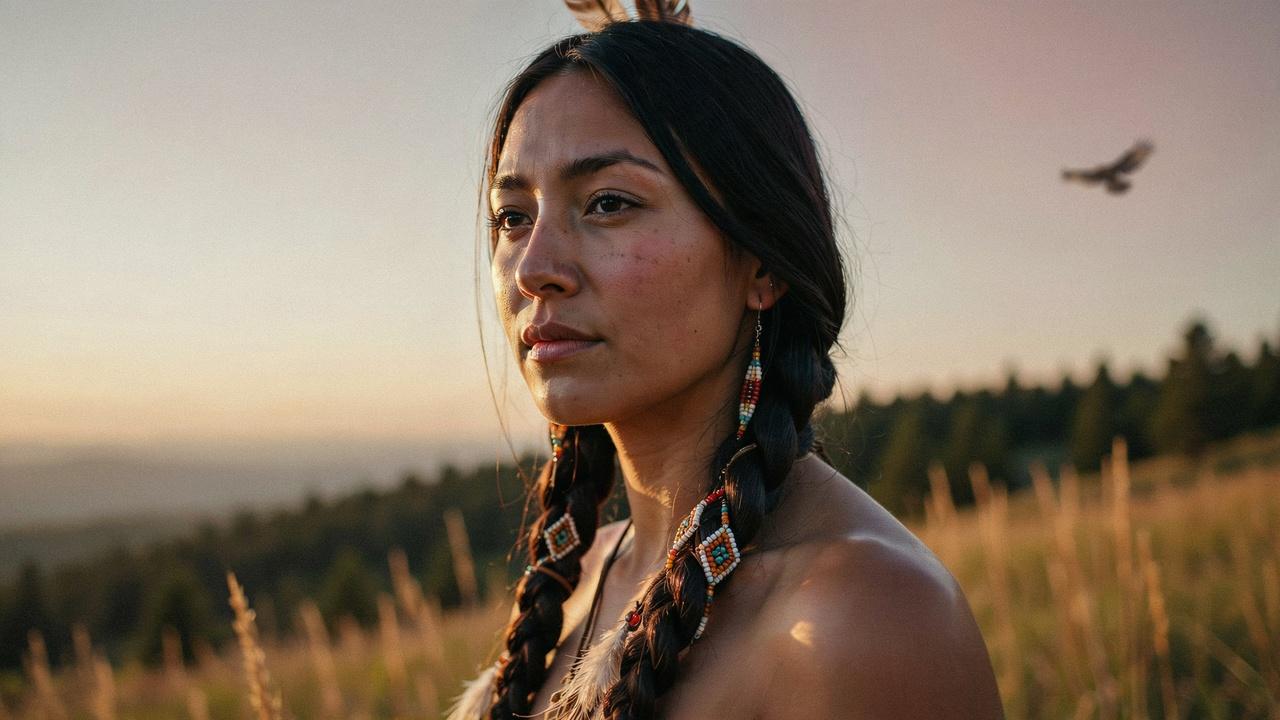
Native American hairstyles are deeply rooted in culture and identity. Each tribe has its own traditions around hair.
For many Indigenous peoples, hair is sacred. It connects a person to their ancestors, their land, and their community.
These hairstyles are not just about appearance. They carry stories. A braid might mark a life stage. A knot might signal status.
Hair accessories like feathers and beads often hold spiritual meaning.
Many Native American hairstyles have been passed down through generations. They are living expressions of culture, not costume choices.
Find 11 Timeless Native American Hairstyles
These styles carry deep meaning and have inspired hair culture far beyond their origins.
1. Long Loose Hair
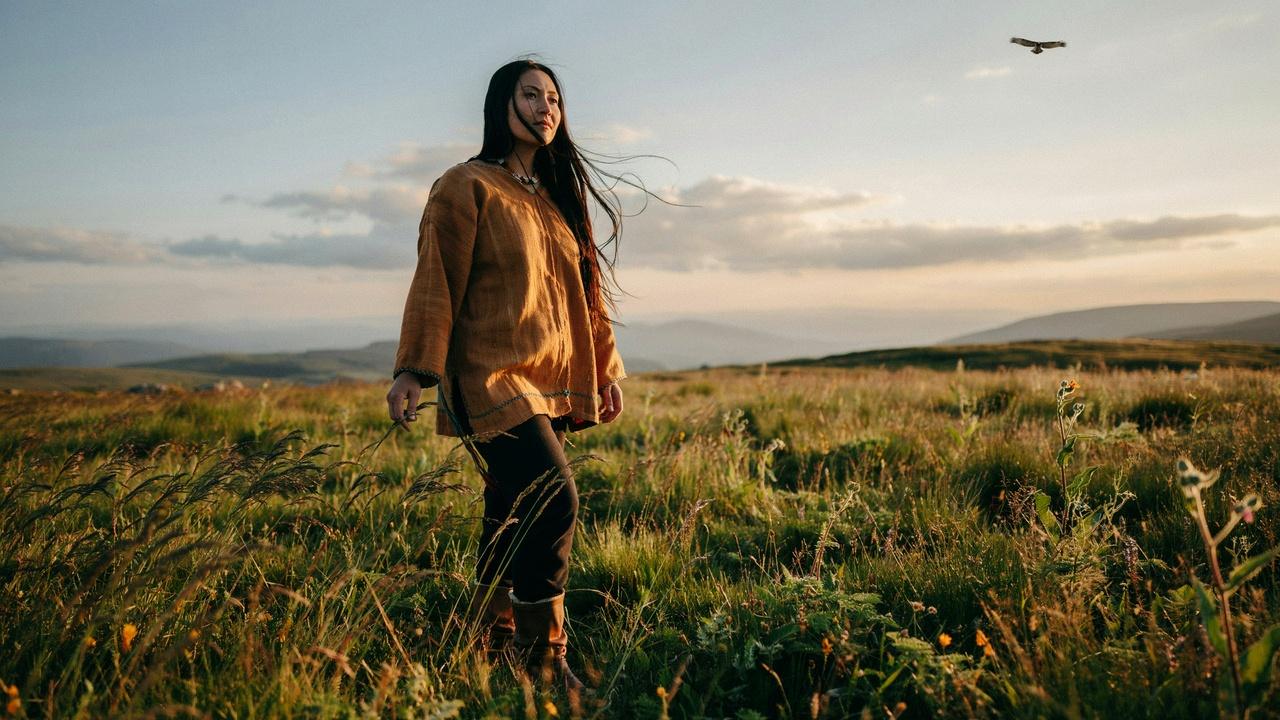
Many Indigenous peoples traditionally wore their hair long and loose. Length was a sign of connection to nature and spiritual strength. Hair was rarely cut unless in mourning.
2. Traditional Single Braid
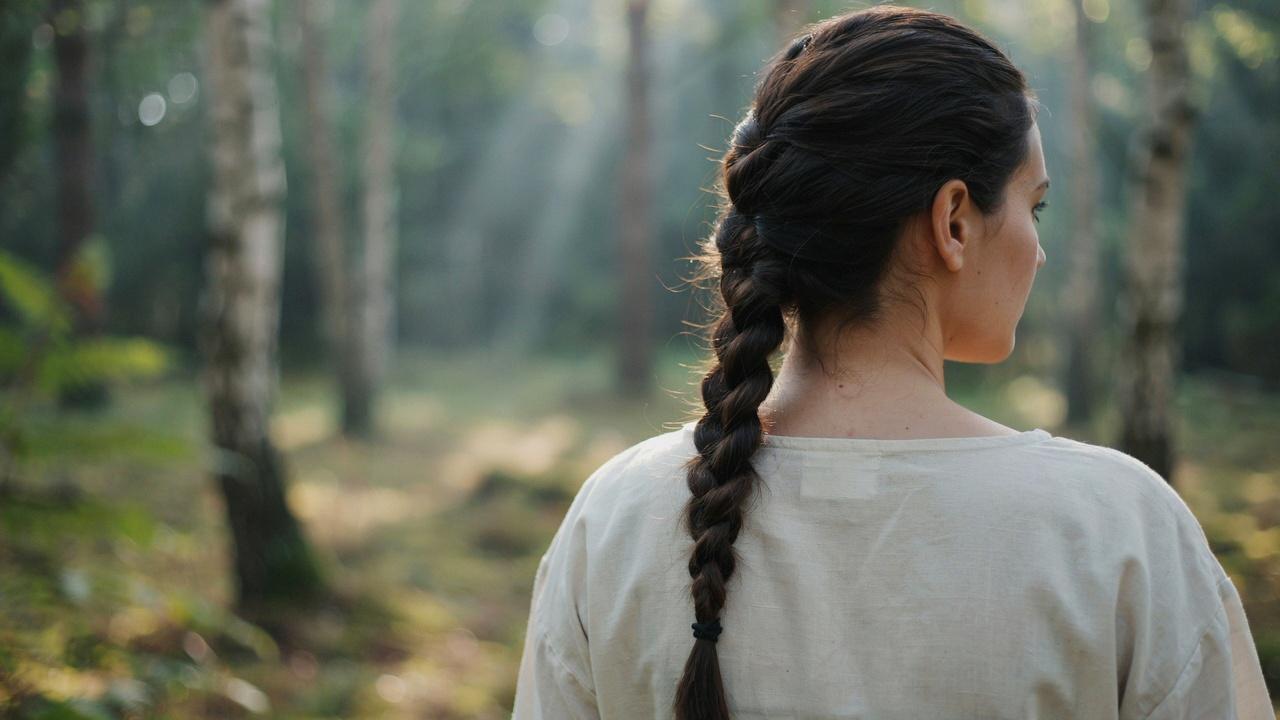
A single braid down the back is one of the most recognized Native American hairstyles. It was worn by men and women across many tribes. The braid symbolized unity and simplicity.
3. Double Braids
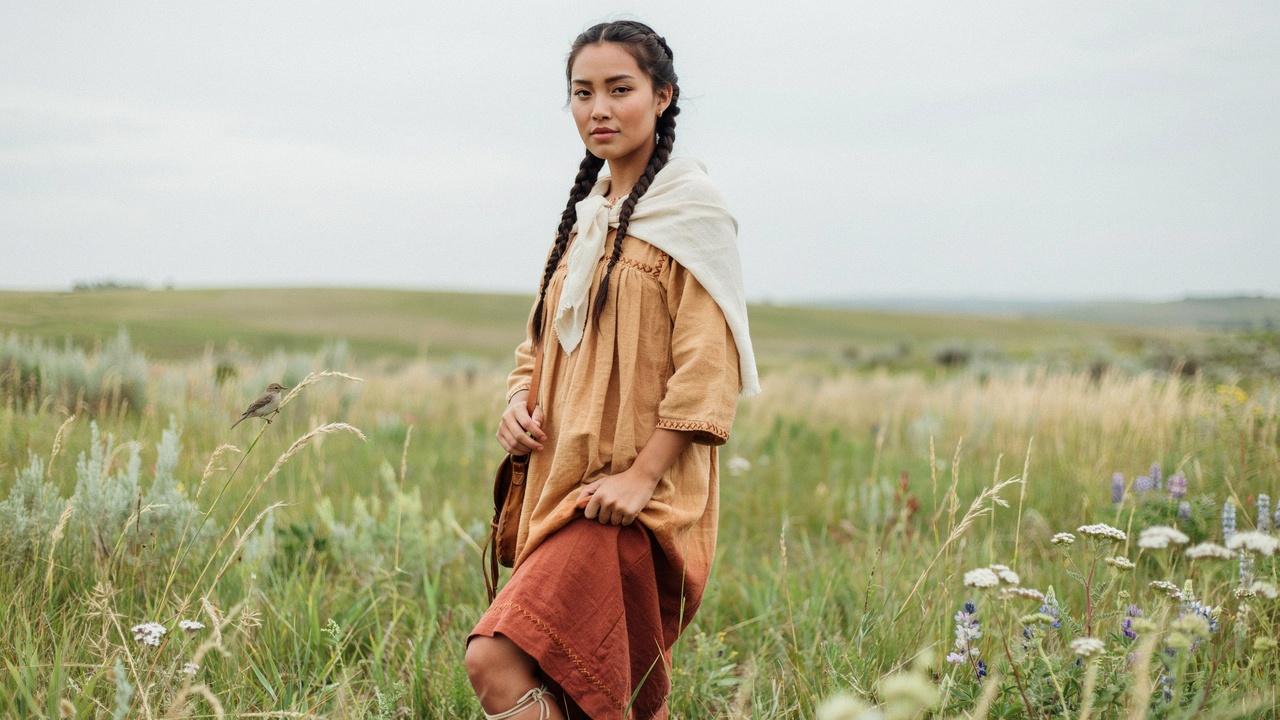
Two braids, one on each side, are common across many nations. This style was practical for daily life and also carried cultural significance.
It is still worn today at powwows and cultural events.
4. Top Knot or Traditional Bun
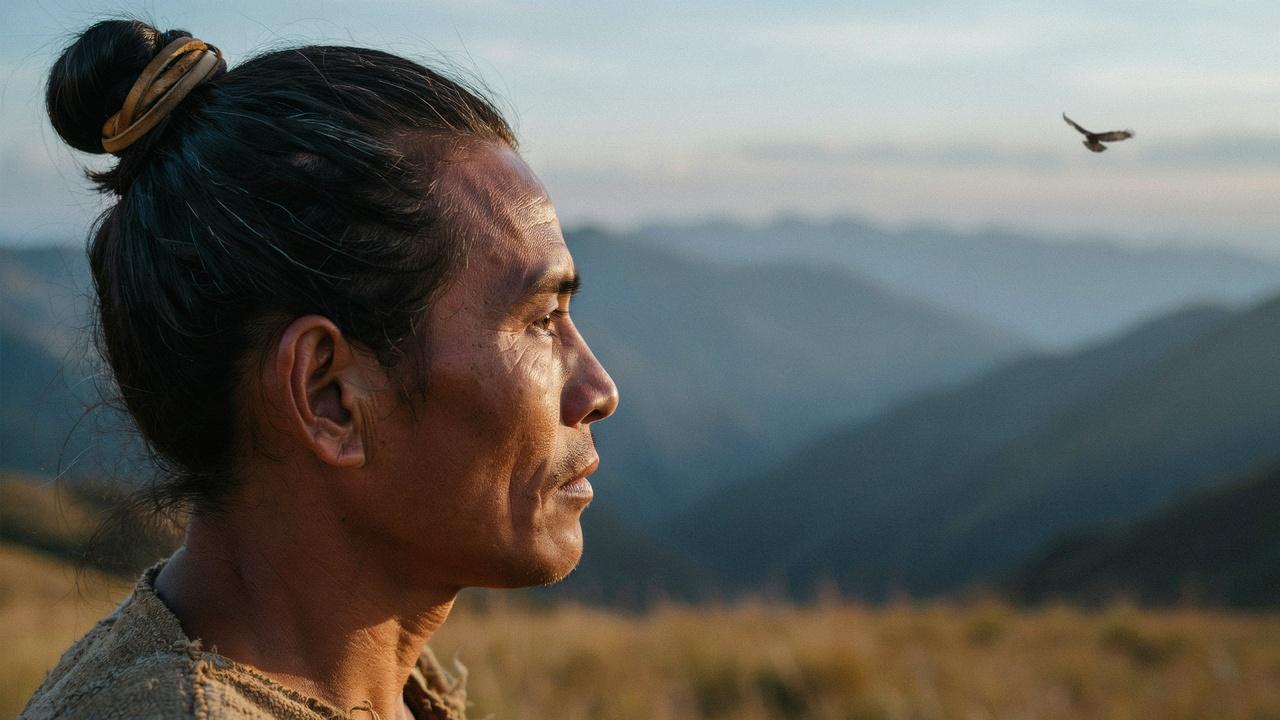
The top knot was worn by various tribes, especially for ceremonies. It kept hair neat and off the face.
Different tribes styled it in their own ways, sometimes wrapping it with cloth or leather.
5. Mohawk-Influenced Hairstyle
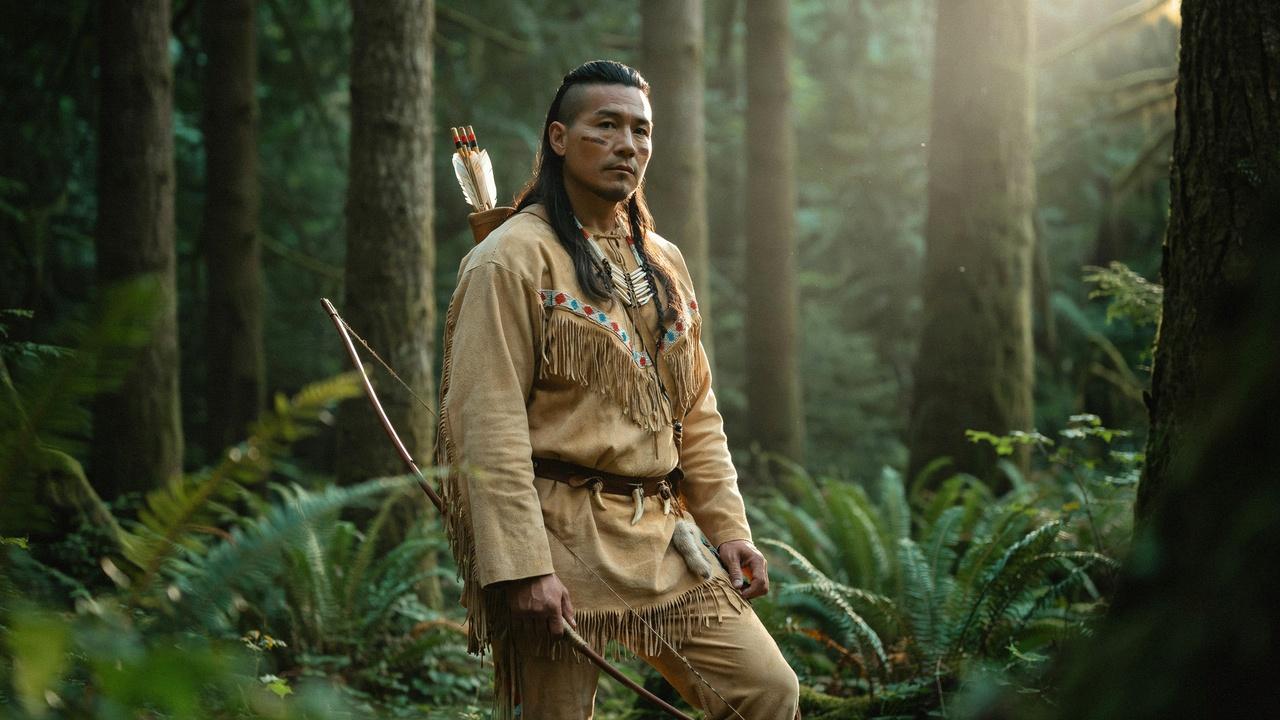
The Mohawk hairstyle comes from the Haudenosaunee people, specifically the Mohawk nation. The traditional version was very different from the punk style seen today.
Warriors shaved the sides and left a strip of hair in the center.
6. Cornrow-Influenced Protective Braids
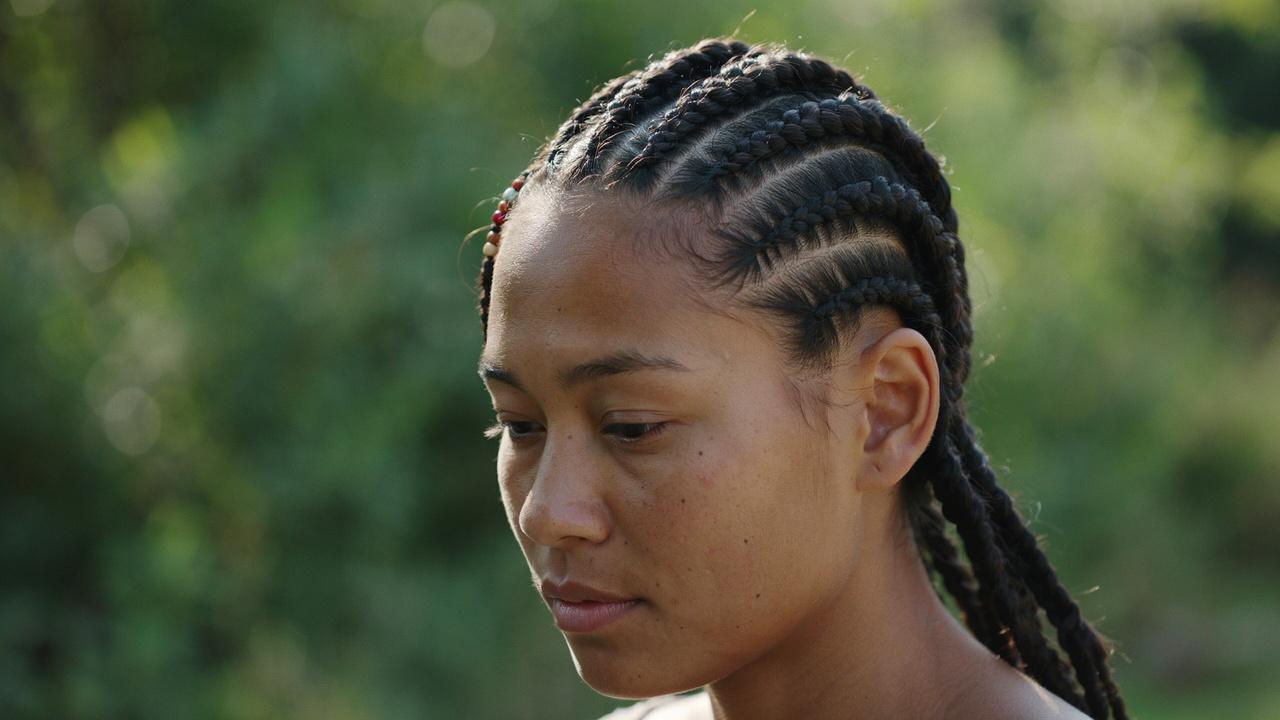
While cornrows are closely linked to African hair culture, some Native American communities also used tight, close-to-scalp braiding techniques for protection and practicality.
These styles helped manage long hair in all kinds of weather.
7. Feather-Influenced Hair Accessories
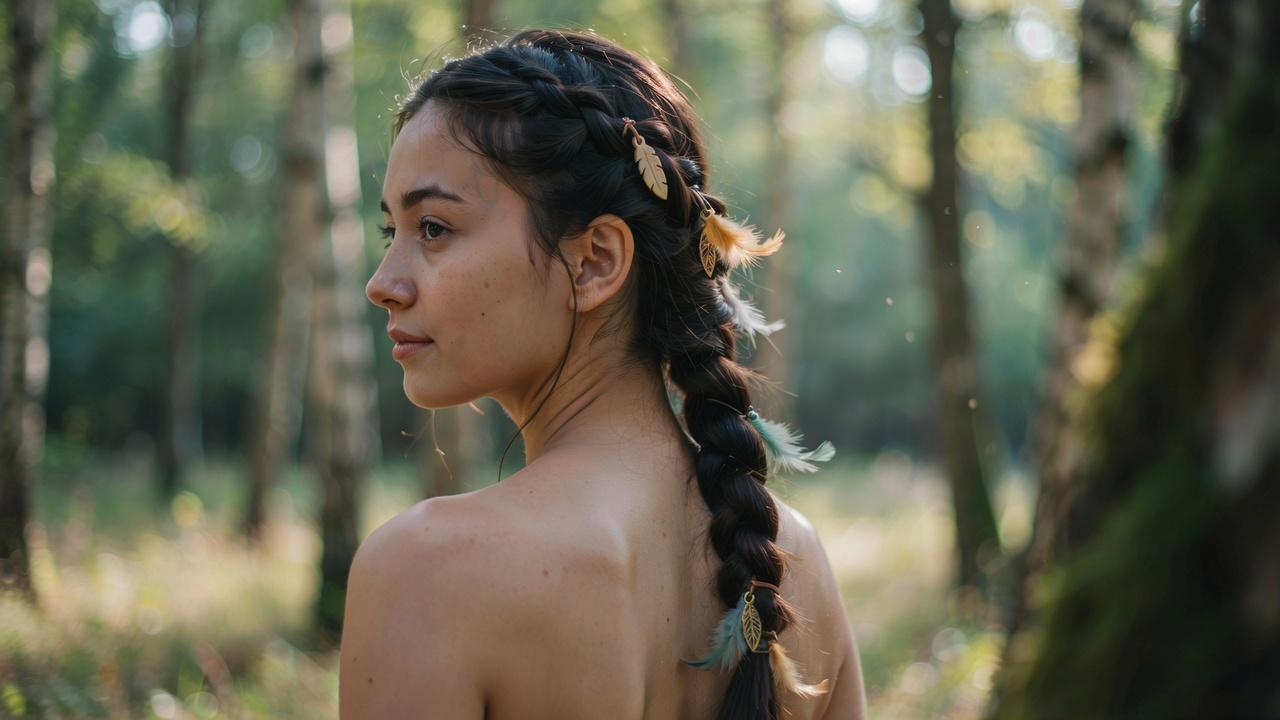
Feathers were not just decoration. In many tribes, feathers in the hair marked achievements, spiritual roles, or tribal identity. The meaning behind each feather varied by tribe and tradition.
8. Scalp Lock Hairstyle
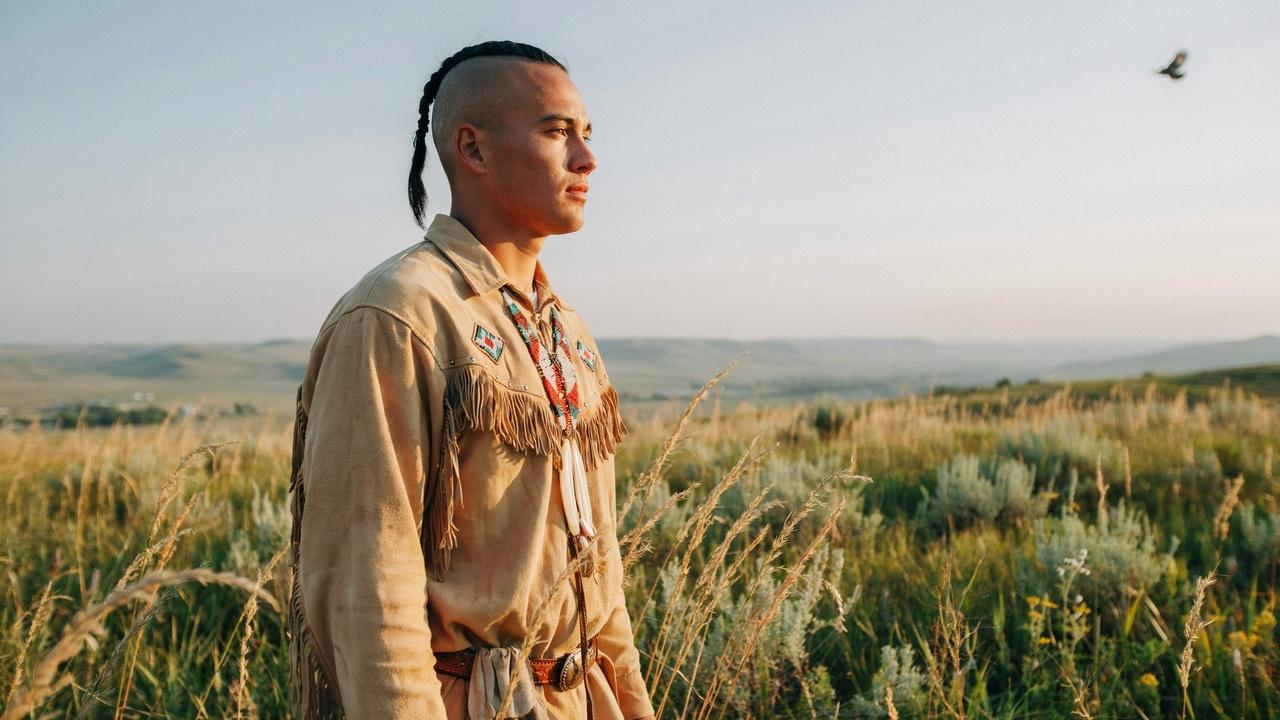
The scalp lock was common among certain Plains tribes. Most of the head was shaved, and a single lock of hair was left at the crown. This style held deep warrior significance.
9. Hair Wraps with Beads
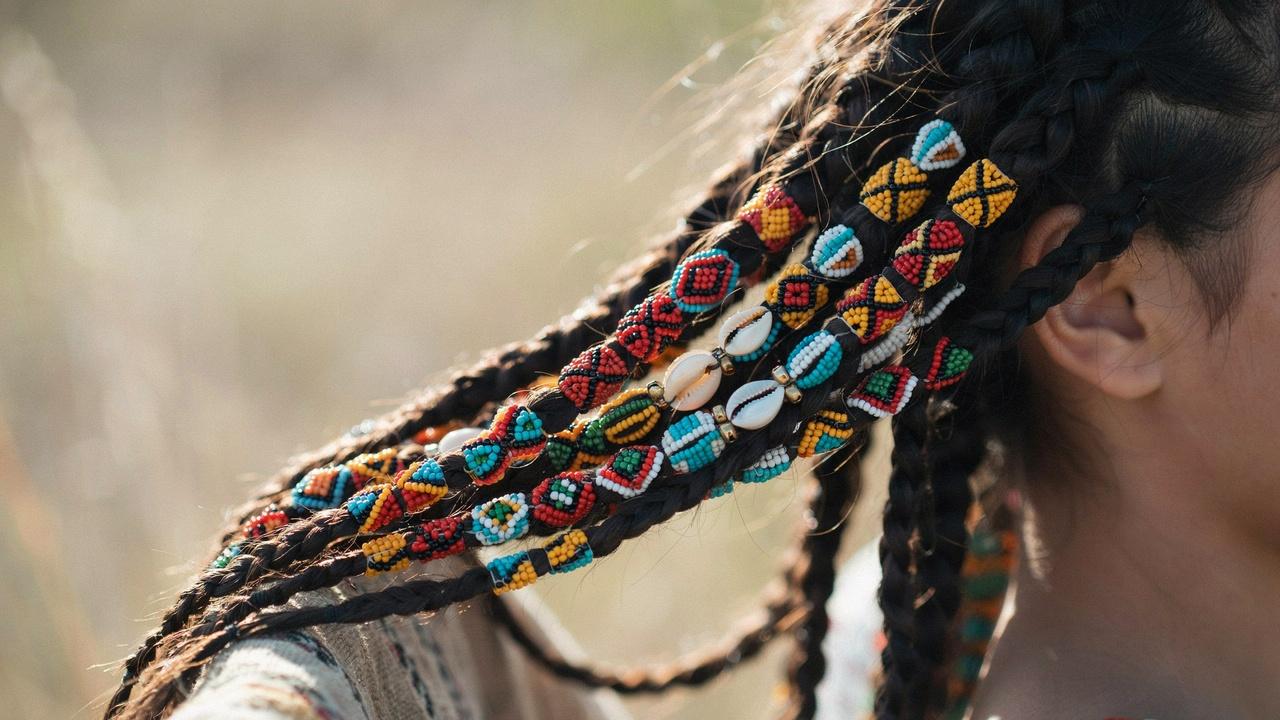
Beads woven into hair or wrapped around braids were a form of personal and cultural expression. Different colors and patterns held meaning.
This style was common in many nations and is still seen at cultural gatherings today.
10. Ribbon-Wrapped Braids
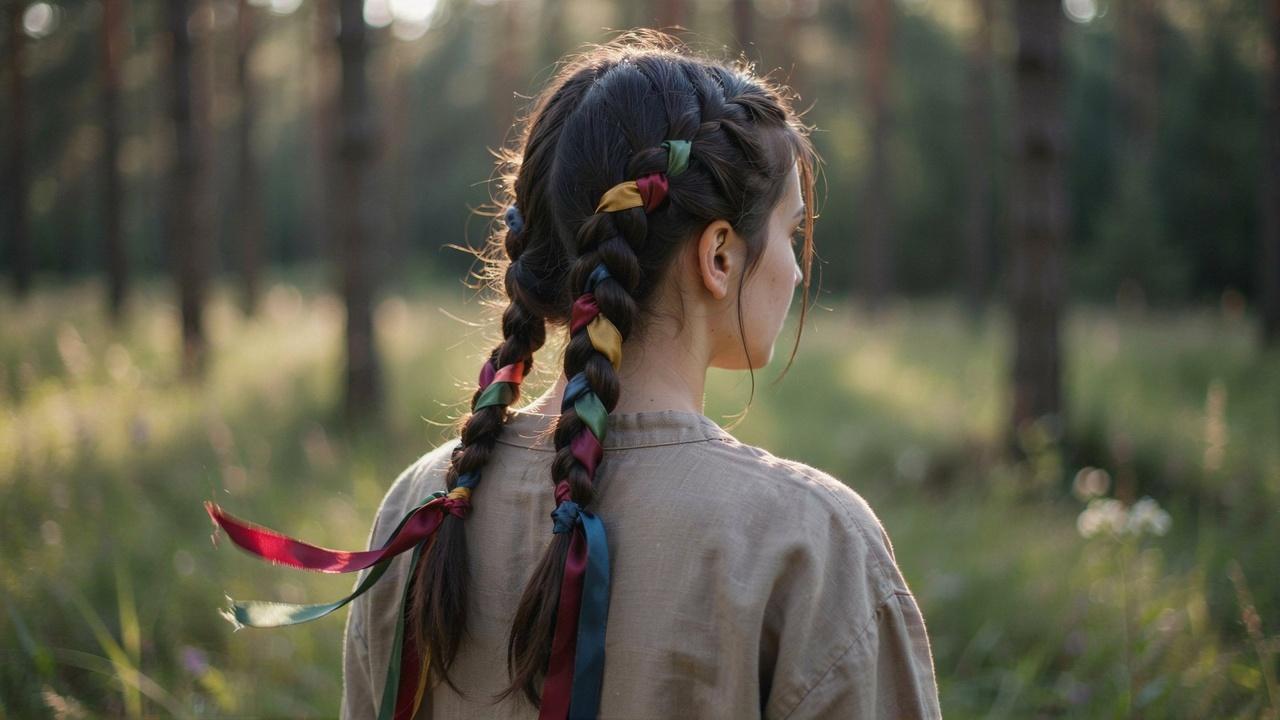
Ribbon skirts are well known in Indigenous fashion, and ribbon-wrapped braids follow the same tradition. Colorful ribbons were woven into or tied around braids.
This style is still popular and worn with great intention today.
11. Contemporary Indigenous-Influenced Hairstyles

Ribbon braids, beaded hair clips, and updos with feather accessories are all part of today's Indigenous hair culture.
These styles celebrate heritage while living in the present.
The Cultural Significance of Native American Hairstyles

Hair in Native American culture is far more than a style choice. It is a spiritual and personal statement.
For many Indigenous peoples, hair holds energy and memory. Cutting it without reason is considered a loss. Some tribes cut hair only during mourning, as a way of honoring grief.
Hairstyles also marked social roles. A warrior, a chief, and a young child might each wear their hair differently. Hair could signal readiness for marriage, a change in life stage, or spiritual practice.
Accessories added even more layers of meaning. Beads, feathers, and wraps were chosen thoughtfully. They were not random decorations. They were earned or gifted with intention.
Understanding this context matters before you try any of these styles. Wearing them without knowledge is the first step toward disrespect.
Hair Care Tips for Braids and Traditional Hairstyles
Taking care of braided and traditionally styled hair needs consistency and the right approach.
- Moisturize your scalp regularly to prevent dryness and flaking
- Use lightweight oils like jojoba or argan oil to keep braids from becoming stiff
- Do not leave braids in too long, as this can cause breakage at the roots
- When washing braided hair, dilute your shampoo and apply gently to the scalp
- Pat dry instead of rubbing to reduce frizz and preserve the braid shape
- Sleep with a silk or satin scarf to reduce friction overnight
- Avoid tight styles that pull on your edges or hairline repeatedly
How to Style Native American Hairstyles Respectfully
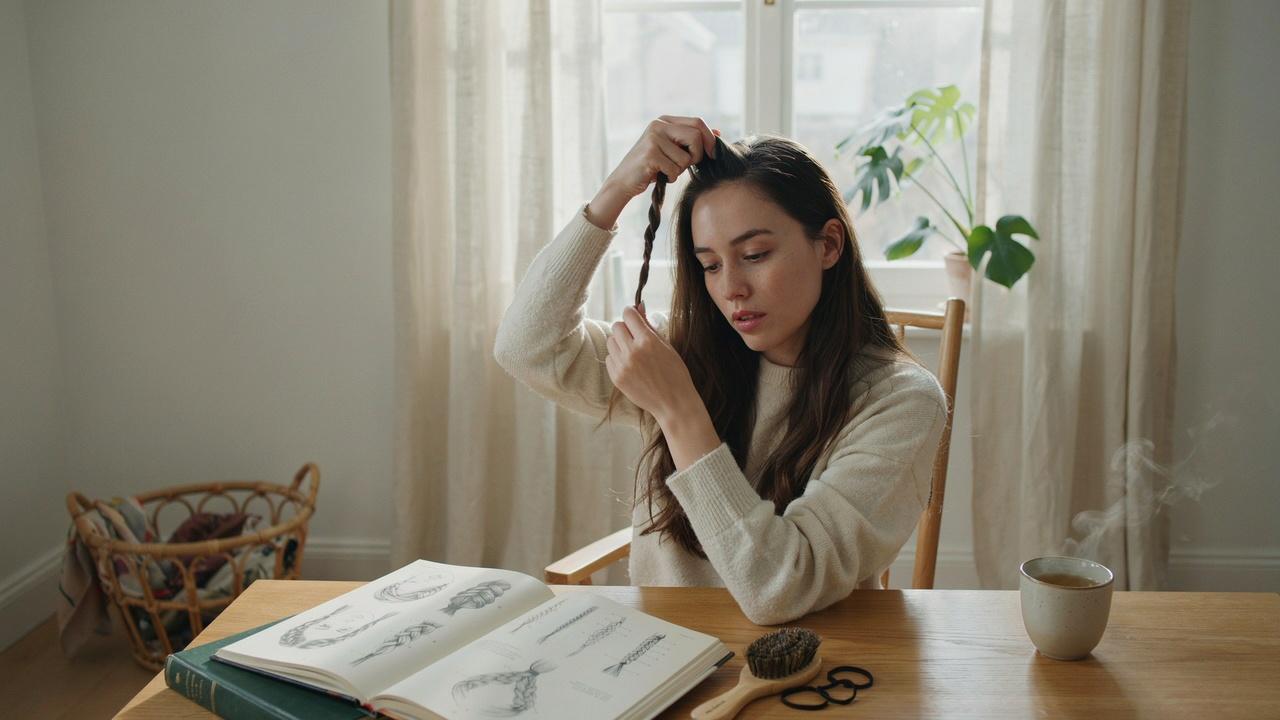
Respecting Indigenous hair culture starts with awareness, not imitation.
If you are not Indigenous, approach these styles with care. Learn the origin of the style before you try it.
Understand which elements are sacred and which are more general. Sacred items like eagle feathers are not yours to use.
Support Indigenous designers and artists if you want accessories. Buy from Native-owned businesses. Avoid mass-produced "Native-inspired" products from large retailers.
At cultural events, follow the lead of Indigenous hosts. Ask questions respectfully. Never wear regalia or ceremonial pieces unless you are invited to do so.
Appreciation and appropriation are different things. Appreciation means learning, respecting, and giving credit. Appropriation means taking without understanding or acknowledgment.
Common Mistakes to Avoid When Recreating Traditional Hairstyles
These mistakes can turn an honest attempt into something disrespectful or damaging.
- Using sacred accessories like eagle feathers as costume props
- Copying ceremonial styles without knowing their meaning
- Calling a style "tribal" without naming the specific nation it comes from
- Buying cheaply made "Native-inspired" accessories from non-Indigenous sellers
- Treating these styles as Halloween or festival costumes
- Ignoring the history behind a style and focusing only on how it looks
- Assuming all Native American cultures have the same hair traditions
Conclusion
I find Native American hairstyles deeply moving. Each one tells a story that goes far beyond appearance. Learning about these styles changed how I think about hair itself.
If this blog helped you see these traditions with new respect, I am glad.
Try incorporating culturally aware choices into your own styling. Start with the tips, do more research, and always credit the source.
Drop a comment below and tell me which style spoke to you. Share this post with someone who loves meaningful hair inspiration.
Your curiosity is the first step toward real appreciation.
Frequently Asked Questions
What makes Native American hairstyles different from other cultural hairstyles?
Native American hairstyles often carry spiritual and social meaning tied to specific tribal traditions. They are not just about appearance but about identity and community connection.
Can non-Indigenous people wear Native American-inspired hairstyles?
Non-Indigenous people can draw loose inspiration but should avoid sacred or ceremonial elements. Always research the origin and meaning before styling your hair in a culturally specific way.
Are all Native American hairstyles the same across tribes?
No, each tribe has its own distinct hair traditions. What is meaningful in one nation may be completely different or absent in another.
What accessories are appropriate to use in Native American-inspired styles?
Commercially available beads and ribbons are generally more appropriate than sacred items like eagle feathers. Buy accessories from Indigenous-owned businesses when possible.
How do I care for braids in Native American-inspired styles?
Keep the scalp moisturized, avoid leaving braids in too long, and sleep with a satin scarf. Gentle washing and lightweight oils help maintain the style without damage.