Stay in the Mix: Maintaining an Active Social Life and Mobile Joints

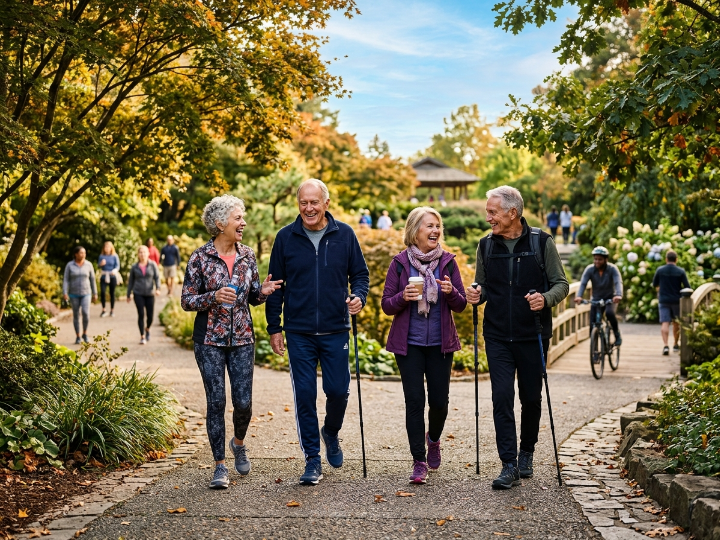
There’s a funny thing about staying social as you get older. Most people talk about having enough time, enough energy, or enough motivation. But honestly? Sometimes it comes down to something much simpler. Can your body comfortably keep up with the life you want to live?
You might love brunches, weekend markets, fitness classes, spontaneous road trips, or long walks with friends. Yet when your joints start feeling stiff, those little moments can become harder than they should be. And that can quietly affect more than your mobility. It can affect your social life too.
Your Social Calendar and Your Joints Are More Connected Than You Think
Most people don’t wake up one morning and decide to become less social.
It happens gradually.
Maybe you skip one event because your knees are bothering you. Then another because standing for three hours sounds exhausting. Then suddenly you’re turning down invitations without even thinking about it.
I noticed this with a relative a few years ago. She loved community events and outdoor gatherings. Then her knee discomfort became more frequent. At first she said she was “too busy.” Later she admitted that walking around crowded spaces simply wasn’t enjoyable anymore.
That’s the part people don’t always discuss. Joint health isn’t only about movement. It’s about participation.
It’s about saying yes when someone invites you out.
Movement Keeps the Conversation Going
One of the biggest misconceptions about joint discomfort is that rest is always the answer.
Well, actually… not exactly.
Research consistently shows that regular, appropriate movement helps maintain joint function and reduce stiffness. The key word is appropriate. Nobody is suggesting you suddenly train for a marathon.
According to the Centers for Disease Control and Prevention (CDC), physical activity can help reduce pain and improve function in adults with arthritis and other joint conditions.
That sounds simple, but the practical effect is huge.
When your joints move regularly:
- Blood circulation improves
- Supporting muscles stay stronger
- Flexibility is maintained
- Daily activities become easier
And daily activities are often where social life happens.
Walking through a shopping district. Meeting friends for coffee. Browsing a weekend craft fair. Dancing badly at a wedding reception…
All those small moments add up.
Pro Tip
If long workouts feel intimidating, start with movement snacks.
Take a 10-minute walk after meals.
Stretching while watching television.
Use stairs occasionally instead of elevators.
Small efforts repeated consistently often matter more than ambitious plans that last two weeks.
The Beauty and Wellness Connection
People interested in aesthetics and healthy living sometimes focus heavily on skincare, treatments, supplements, and nutrition.
Those things absolutely matter. But mobility deserves a place in that conversation too.
Think about it. Looking vibrant and feeling vibrant aren’t always the same thing.
You can have a carefully curated skincare routine and still feel frustrated if climbing stairs leaves your joints aching.
Modern wellness is gradually shifting toward whole-body health, which honestly feels overdue. The goal isn’t simply looking youthful. It’s staying engaged with life.
What Research Says About Staying Active
A study published through the National Institute on Aging highlights that physical activity helps maintain independence, mobility, and quality of life as people age.
Meanwhile, researchers from the Harvard T.H. Chan School of Public Health have repeatedly emphasized that regular movement supports musculoskeletal health and contributes to overall well-being.
One observation I find interesting is that many of the healthiest older adults aren’t necessarily gym enthusiasts.
- They’re walkers.
- Gardeners.
- Travelers.
- People who stay engaged.
- People who keep showing up.
That distinction matters.
When Extra Joint Support Becomes Part of the Picture
For some individuals, lifestyle changes alone may not fully address joint discomfort.
This is where conversations with healthcare professionals become important.
Depending on individual circumstances, physicians may recommend physical therapy, weight management strategies, exercise programs, medications, or injectable treatments designed to support joint function.
At some point while researching options, some people choose to shop Synvisc products online after discussing treatment plans with their healthcare provider. Synvisc is a viscosupplement injection commonly used in certain cases of knee osteoarthritis, helping supplement joint fluid and potentially improve comfort and mobility.
The important thing is understanding that there isn’t one universal solution.
Bodies are different. What works well for one person might not be the right choice for another.
The Mental Side Nobody Talks About Enough
Here’s something that surprised me.
Many discussions around joint health focus entirely on pain levels.
But confidence may be equally important.
If you’re constantly wondering whether your knee will cooperate during an event, that uncertainty becomes exhausting.
You start planning around limitations. You hesitate before accepting invitations.
You calculate distances before agreeing to meet friends. It becomes mental clutter.
The first time I heard someone describe it that way, I thought, “That’s exactly it.” Mobility isn’t just physical freedom. It’s psychological freedom too.
Nutrition Helps More Than Social Media Trends Suggest
Every few months a new “miracle joint food” starts trending online.
Usually with dramatic before-and-after claims.
Most of them don’t hold up particularly well under scientific scrutiny.
What does hold up?
Consistent healthy eating.
According to the Academy of Nutrition and Dietetics, dietary patterns rich in vegetables, fruits, healthy fats, lean proteins, and whole grains may support overall health and help manage inflammation.
Not glamorous advice, I know.
It’s not likely to go viral on social media.
But it works.
Foods often associated with joint-friendly eating include:
- Fatty fish rich in omega-3s
- Berries
- Leafy greens
- Nuts and seeds
- Olive oil
- Beans and legumes
None of these are magic.
Together, though, they create a stronger foundation.
Friendships Can Be Good for Your Health Too
This might sound unrelated at first, but stay with me.
Research published by the National Institutes of Health has linked social connection with better health outcomes and overall well-being.
Social engagement encourages movement almost automatically. You meet someone for lunch.
You walk through a museum. You join a yoga class. You attend community events.
Without realizing it, your social life creates opportunities to stay physically active. And physical activity supports mobility. The relationship works both ways.
That’s why protecting your social life isn’t frivolous. It’s part of maintaining health.
<
Pro Tip
Schedule activities around movement instead of food whenever possible.
Try:
- Nature walks
- Outdoor markets
- Group fitness classes
- Art exhibits
- Botanical gardens
- Local festivals
You’ll socialize and move at the same time without forcing either one.
Finding the Right Balance
One mistake people make is swinging between extremes.
They either push too hard or become overly cautious. Neither approach tends to work very well. Your joints generally appreciate consistency more than heroics. Some days you’ll feel great. Other days… maybe not.
That’s normal. Listen to your body without letting temporary discomfort dictate every decision.
There is a difference between respecting limitations and surrendering to them. That balance takes practice. Probably more practice than most wellness influencers admit.
Final Thoughts
Maintaining an active social life and mobile joints isn’t about chasing perfection. It’s about preserving access to the experiences that make life enjoyable.
The coffee dates. The weekend outings. The family celebrations. The spontaneous plans that happen on a random Tuesday afternoon.
Healthy joints support those moments, but so do movement, nutrition, smart medical guidance, and staying connected to people who matter.
Maybe that’s the real goal.Not simply moving better. Not simply looking healthier. But remaining involved in your own life for as long as possible. Because the best memories rarely happen sitting on the sidelines…