What Do SH Scars Look Like? Signs, Colors, and Patterns

I know searching for this information takes courage.
Maybe you’re trying to understand your own scars. Perhaps you want to support someone you care about. Or you’re educating yourself on this topic.
What do sh scars look like? The answer varies from person to person. Scars appear differently based on healing, skin type, and many other factors.
This guide covers how these scars typically appear, how they form, and what happens during healing. I’m sharing this information without judgment, only understanding.
Let’s talk openly about something many people wonder about but feel hesitant to ask.
What Do Self-Harm Scars Look Like

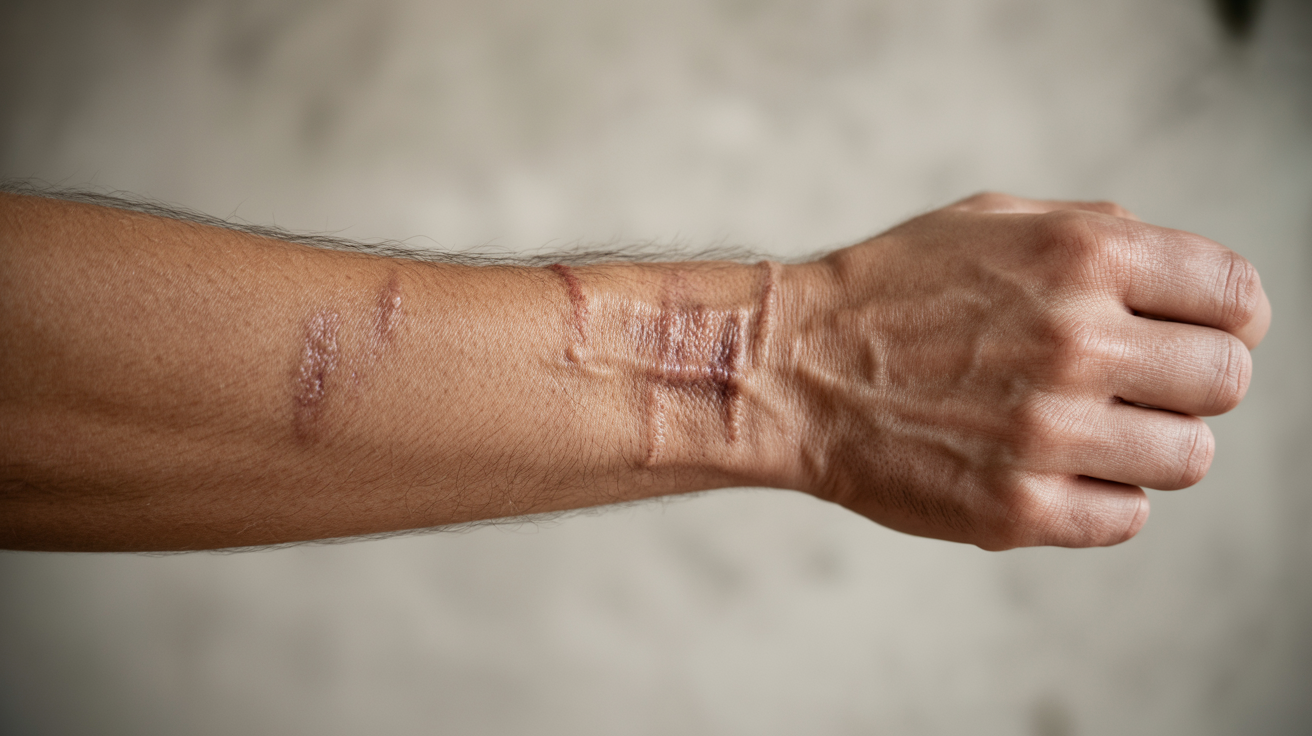
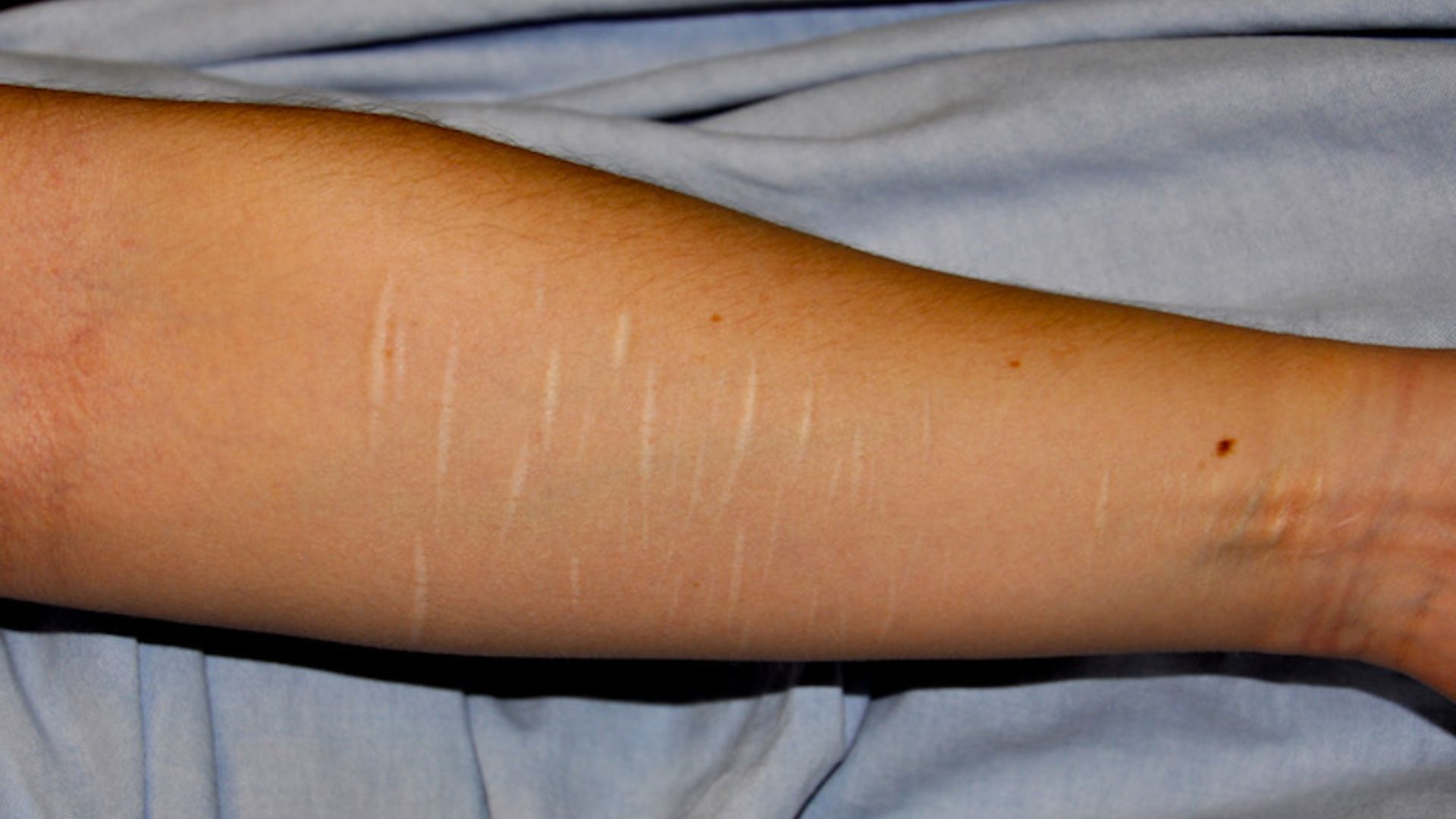
Self-harm scars usually appear lighter than the skin around them.
Once fully healed, they often look white, pale pink, or silvery compared to your natural skin tone. The contrast depends on how dark your skin is naturally.
These scars show different characteristics depending on their age and how deep the original wounds were.
Some feel raised when you touch them. Others sink slightly below the surrounding skin surface. Many heal completely flat over time.
What do sh scars look like in terms of patterns? You might see straight lines, clusters of marks close together, or scattered marks across an area.
The pattern often reflects the method and timing of the injuries.
Color varies widely. Fresh scars tend toward red or purple tones. Older scars fade to lighter shades. Your individual skin type affects how scars appear as they mature.
Texture differences are common. Some scars feel smooth while others have a different texture than nearby skin. This happens because scar tissue forms differently than regular skin.
Fresh vs. Older Scars
The appearance of scars changes significantly as they age.
Understanding these differences helps you recognize where scars are in the healing process and what to expect as time passes.
| Scar Age | Appearance | Texture | Color | Additional Notes |
| Fresh Scars (Under 6 months) | Red, pink, or purple | Often raised and tender to touch | Color intensity depends on natural skin tone | Go through active healing stages with extra blood flow to the area |
| Mature Scars (Over 1 year) | Flatten out considerably | Generally smooth and less tender | Fade to white, light pink, or silvery shades | Transformation happens gradually, healing varies based on genetics and skin characteristics |
Common Areas Where Scars Appear

Self-harm scars can appear on various parts of the body, though certain areas are more common than others.
Location choices often relate to accessibility, privacy concerns, and clothing coverage.
- Arms and wrists: Most common locations due to easy accessibility, can be harder to hide depending on clothing choices
- Thighs and legs: Frequent locations that are more easily covered by clothing, skin thickness differs here, affecting how scars form
- Stomach, chest, or other less visible areas: Chosen for privacy concerns, different body areas heal at different rates.
How Self-Harm Scars Form
Your body responds to any skin injury by starting a healing process. When skin breaks, your body rushes to close the wound and protect against infection.
Collagen fibers form to repair the damaged tissue. These fibers create scar tissue that looks and feels different from regular skin. The process is your body’s way of fixing itself quickly.
What do sh scars look like depends partly on wound depth. Superficial wounds that only affect the top skin layers often heal with minimal scarring.
Deeper wounds penetrate further and create more noticeable scars.
Several factors affect final scar appearance. The depth of the original injury matters most. How you cared for the wound during healing plays a role too.
Your individual healing characteristics influence scarring. Some people naturally develop more obvious scars than others. Genetics affect how your skin repairs itself.
Body location matters as well. Areas with more movement (like elbows or knees) often develop more prominent scars. Skin thickness varies across your body, changing scar formation.
Different Types of Self-Harm Scars
Different methods create distinct scar patterns. Understanding these variations helps explain why scars look so different from person to person.
Cutting Scars
These are the most commonly recognized type. They usually appear as lines or linear marks across the skin. Length and depth vary widely between individuals.
Some cutting scars are faint and barely visible. Others stand out more prominently against surrounding skin. It depends on the original injury depth and healing process.
The pattern often shows multiple parallel lines or marks in the same area. Repeated injuries in one location can create layered scarring. This builds up over time with continued self-harm.
Burn Scars
Burn marks often look circular or have irregular shapes. The outline depends on what caused the burn. These scars frequently have different texture than nearby skin.
Color can vary dramatically. Some burn scars heal darker than surrounding skin. Others become lighter or even white. Pigment changes are common with burn injuries.
The texture might feel rough, smooth, or waxy. Burn scars often feel noticeably different when you touch them. They can be raised or sunken depending on severity.
Other Forms
Scratching creates scars that might look like clusters of small marks. They’re often less defined than cutting scars. The pattern can be more scattered or random.
Impact marks from hitting surfaces leave different patterns. These might look like bruise remnants or discolored patches. They vary widely based on the method used.
Each type creates its own recognizable appearance. What do sh scars look like depends on the specific form of self-harm involved. No two people’s scars are exactly alike.
The Healing Timeline
Most scars take six to twelve months to fully mature. This is when they reach their final appearance and stop changing significantly.
Some people’s scars need up to two years to completely settle.
What happens during healing stages:
- First few months: Scars appear red, raised, and feel tender. Your body actively repairs damage during this stage.
- 6-12 months: Color lightens gradually from red toward pink or white. Texture smooths out and raised areas flatten down.
- Beyond 1 year: Scars settle into permanent appearance. They’ve finished most remodeling and show final results.
Watch for signs a scar needs professional attention. If it stays bright red and raised beyond twelve months, that’s unusual.
Keloid scars or hypertrophic scars might need dermatologist evaluation.
Beyond Physical Appearance
Scars carry emotional weight beyond their physical presence. Many people feel self-conscious about visible marks on their arms or other exposed areas.
Clothing choices often change because of scars. Long sleeves in summer. Avoiding certain styles. These adjustments protect privacy but can feel limiting.
What do sh scars look like to you personally matters more than medical descriptions.
Some people view scars as reminders of difficult times. Others see them as proof they survived and kept going.
Treatment options exist for those who want them. Laser therapy, topical treatments, and other methods can reduce scar visibility. But choosing treatment is entirely personal.
Healing involves more than physical scars fading. Emotional recovery matters just as much. Scars represent a chapter in your story, not your entire identity.
Conclusion
What do sh scars look like? They vary widely in color, texture, and pattern. Every person’s scars are different based on healing and individual factors.
Seeking information about this topic is completely valid.
Whether you’re understanding your own experience or supporting someone else, knowledge helps. Scars are part of someone’s path through difficult times.
Healing happens at your own pace, both physically and emotionally. There’s no pressure to hide or treat scars unless that’s what you want.
Need support? Reach out to mental health resources or talk to someone you trust.
Your story matters, and help is available when you’re ready.
Frequently Asked Questions
Can Self-Harm Scars Completely Disappear Over Time?
Most scars don’t disappear completely but fade significantly over years. Superficial scars might become barely noticeable. Deeper scars remain visible but lighten considerably. Treatment options like laser therapy can reduce visibility further.
Are Raised Scars Different From Flat Ones?
Yes, raised scars indicate excess collagen production during healing. Flat scars result from balanced healing. Raised scars sometimes flatten naturally over time. Silicone treatments or steroid injections can help reduce elevation.
Why Do Some Scars Stay Red While Others Turn White?
Red scars indicate active healing with increased blood supply. White scars have finished healing and contain less melanin. Scars staying red beyond twelve months might need dermatologist evaluation for hypertrophic scarring.
How Long Should I Wait Before Considering Treatment Options?
Wait at least twelve months before considering treatment. Scars change dramatically during their first year of healing. After one year, you’ll see the likely permanent appearance and can evaluate treatment options effectively.
Do All Forms of Self-Injury Leave Visible Marks?
No, superficial scratching or minor injuries often heal without scarring. Deeper wounds almost always leave some scarring. Every person’s skin heals differently based on individual characteristics and wound depth.