What Does Cold Water Do to Your Hair: Benefits & Tips


Do you struggle with frizz and dullness even after washing your hair?
I’ve spent years experimenting with different hair care routines, and one simple step changed everything.
In this blog, we’ll learn what does cold water do to your hair and how it affects shine, frizz, and overall health.
From my personal experience as someone who’s tried countless techniques, I’ve learned that small adjustments in water temperature can make hair smoother and easier to manage.
Keep reading to understand how a simple cold rinse can convert your daily hair care routine while keeping strands strong and vibrant.
What Does Cold Water Do to Your Hair: On a Temperature Basis
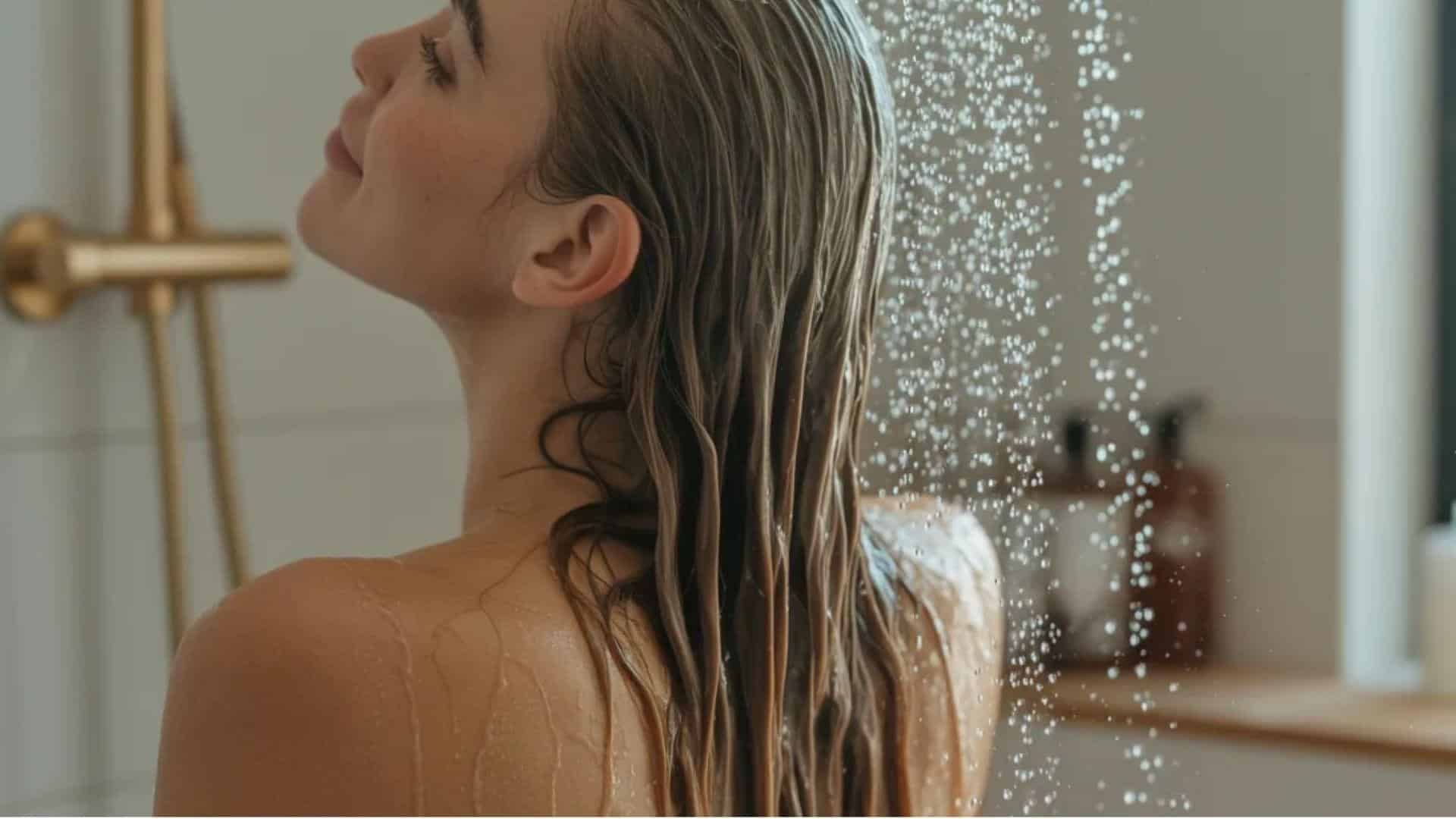
Hair is made up of layers, and the outermost layer is called the cuticle. It acts like a protective shield, keeping moisture inside and making hair smooth.
When the cuticle lies flat, hair looks shinier and feels softer. Water temperature can affect the cuticle’s position.
Warm water opens the cuticle, which helps remove dirt and oils, but can also make hair dry if used too often.
Hot water can strip natural oils and cause breakage. Cold water, on the other hand, helps the cuticle lie flat again after washing.
This locks in moisture, reduces frizz, and gives hair a smoother, healthier look. A cold rinse at the end of a wash is usually enough.
Main Benefits of Washing Hair With Cold Water
Cold water can benefit hair in many ways.
A cool rinse at the end helps hair look and feel healthier, smoother, and easier to manage while supporting both the hair shaft and scalp.
1. Helps Smooth the Hair Surface

Cold water flattens the outer cuticle layer of the hair, which reduces roughness and tangles. When the surface is smoother, hair moves easily without catching or breaking.
Regular use of a cool rinse can make styling easier and keep hair feeling soft, controlled, and more manageable day after day.
2. Supports Natural Shine

Flat, smooth cuticles reflect light better, which gives hair a natural shine. Cold water helps the hair maintain this surface, making strands appear healthy and glossy without extra products.
Over time, hair treated with cool rinses can show improved luster and a fresher, well-kept appearance.
3. Helps Reduce Frizz and Flyaways
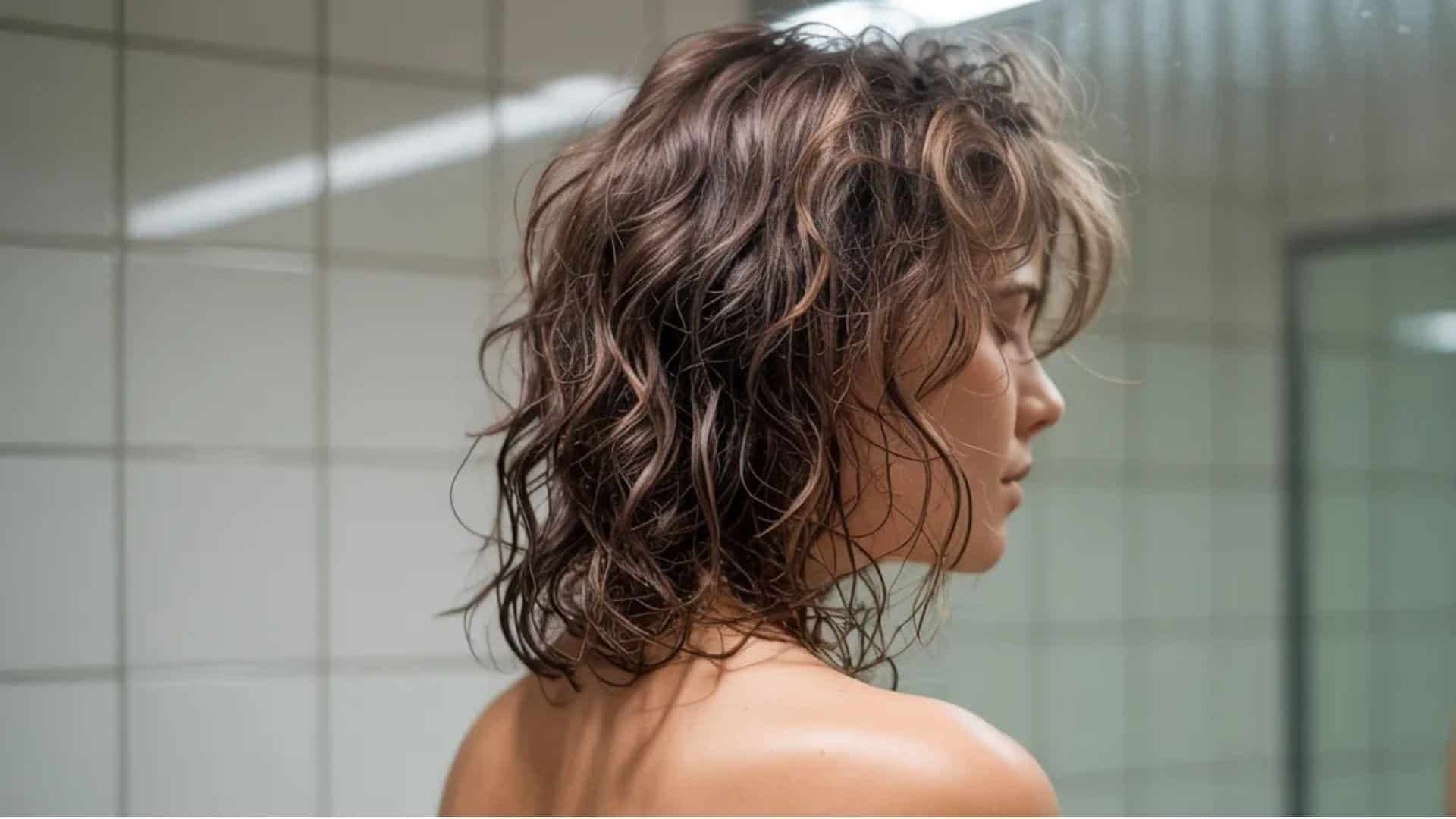
Cold water helps lock moisture inside the hair shaft, which reduces frizz and flyaways. By controlling water loss, hair responds better to humidity and is less likely to appear unruly.
A simple cool rinse at the end of washing can make hair more manageable and tidy throughout the day.
4. Helps Maintain Natural Scalp Oils
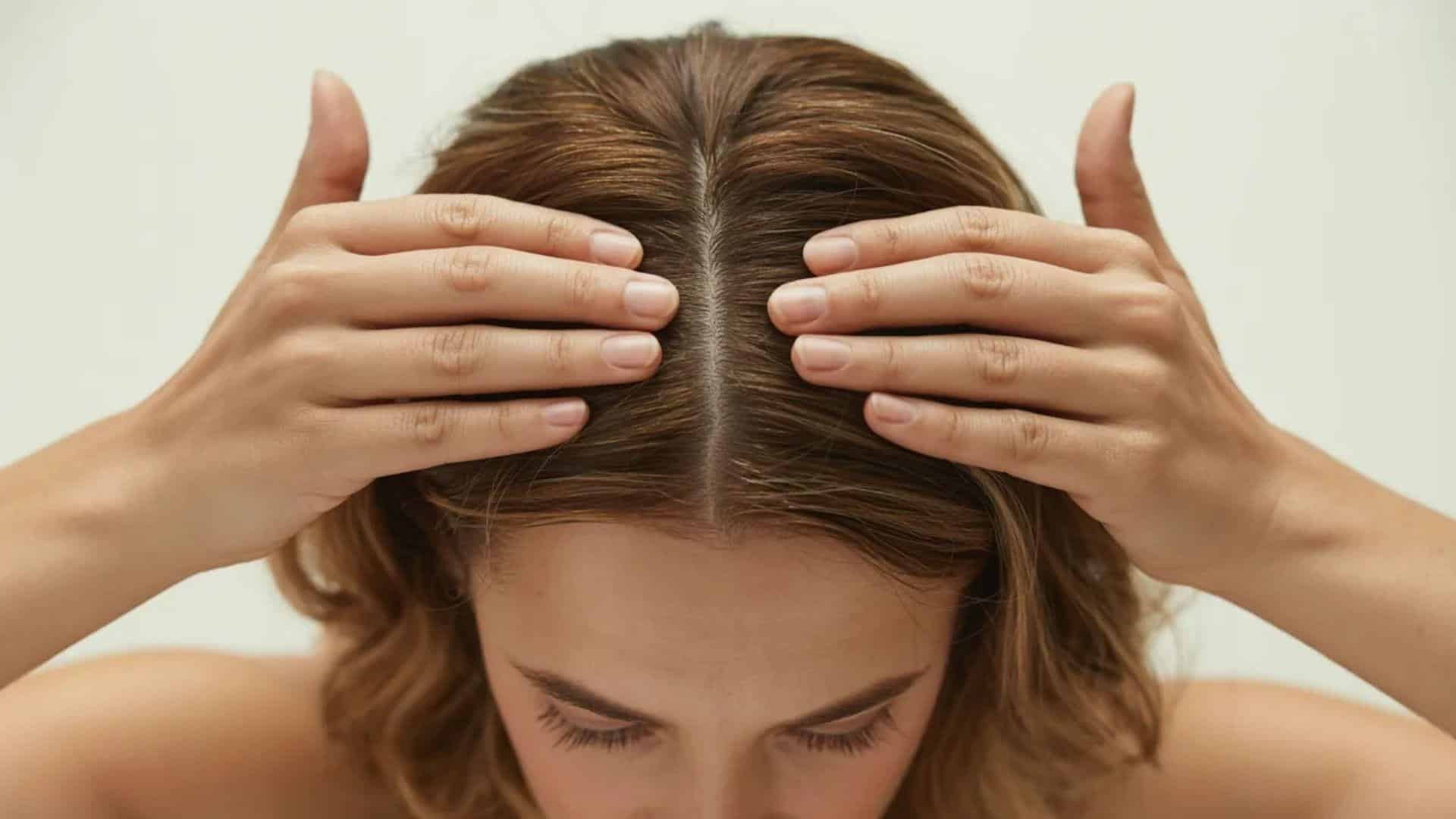
Cold water prevents the scalp from drying out by keeping natural oils in place. These oils protect hair and provide a comfortable, hydrated scalp environment.
Using cool water regularly can reduce itchiness, dryness, and irritation while keeping hair nourished and less prone to breakage or dullness.
5. May Help Preserve Hair Color

For color-treated hair, cold water rinses reduce pigment loss during washing. By keeping the cuticle closed, hair retains dye longer and maintains vibrancy.
Regular use of cool rinses can make colored hair look brighter and healthier while minimizing fading, helping maintain the intended shade over time.
6. Can Improve Scalp Blood Flow
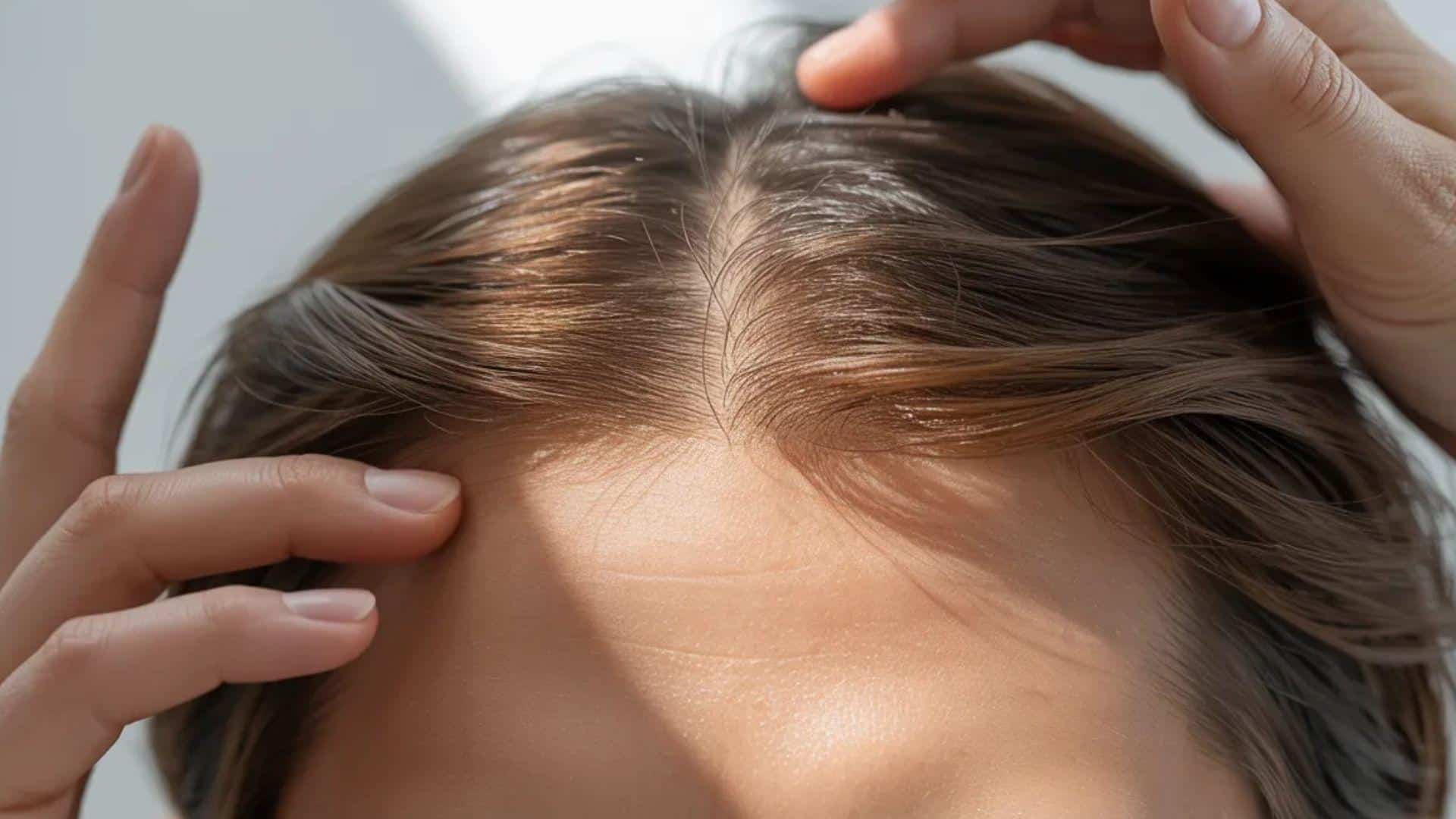
Cold water can stimulate the scalp slightly, improving blood circulation. Better circulation can support nutrient delivery to hair roots and overall scalp health.
While not a miracle for growth, this small benefit contributes to stronger, more resilient hair over time and keeps the scalp feeling refreshed and balanced.
Possible Downsides of Using Very Cold Water
Cold water is beneficial, but very cold water can have some drawbacks for hair and scalp.
Product Removal Challenges: Very cold water may not rinse shampoo and conditioner as effectively, leaving residues behind. This can reduce cleanliness and make hair feel heavy or sticky after washing.
Discomfort in Cold Weather: Using extremely cold water can be uncomfortable, especially in the winter months. It may make washing hair unpleasant and harder to maintain consistently.
Impact on Chemically Treated Hair: Extremely cold water can affect hair elasticity, particularly on chemically treated or fragile hair. This may increase brittleness if used too frequently.
Use cold water wisely to enjoy the benefits without causing hair or scalp issues.
Warm vs. Cold Water: Which One Should You Use?

Using the right water temperature affects hair health. Warm and cold water have different benefits, and combining them keeps hair clean, smooth, and easier to manage.
When Warm Water Works Better: Removes dirt and oil while preparing hair to absorb conditioner effectively.
Why a Cold Final Rinse Is Recommended: Flattens cuticles, locks in moisture, reduces frizz, and adds shine.
Ideal Hair Washing Routine: Wash with lukewarm water, then finish with a 30–60 second cool rinse to smooth and protect hair.
Using both warm and cool water wisely keeps hair healthy, smooth, and manageable.
Cold Water for Different Hair Types
Cold water affects hair differently by type, helping improve shine, manageability, and frizz while protecting strands.
Straight Hair: Improves smoothness and adds natural shine, making strands look healthier and easier to style.
Wavy or Curly Hair: Reduces frizz and helps define natural curl patterns, keeping waves and curls more controlled and polished.
Dry or Damaged Hair: Locks in moisture and prevents further dryness, helping hair feel softer and less prone to breakage.
Fine or Thin Hair: Adds the appearance of volume and maintains a healthy oil balance, preventing strands from looking flat or greasy.
Using cold water wisely keeps all hair types healthier and more manageable.
How to Use Cold Water Correctly in Your Hair Routine

Using cold water correctly ensures your hair gets benefits without discomfort or damage.
A proper routine balances cleansing, conditioning, and finishing with cool water for healthier, smoother strands.
Step 1- Start with Warm Water: Begin by rinsing your hair with lukewarm water to remove dirt, oil, and buildup effectively.
Step 2- Apply Shampoo and Conditioner: Use shampoo to cleanse and conditioner to nourish the hair. Ensure the conditioner reaches the ends for hydration and softness.
Step 3- Finish with Cool Rinse: End with a cool rinse for 30–60 seconds to flatten cuticles, lock in moisture, reduce frizz, and increase shine.
Following this routine helps hair stay clean, smooth, and healthy.
Expert Tips to Maximize Cold Water Benefits
To get the most from cold water rinses, keep these tips in mind:
- Combine cold water with a hydrating conditioner for softer, smoother hair.
- Avoid using extremely cold water, which can cause discomfort or dryness.
- Follow proper drying habits, gently patting hair instead of rubbing.
- Maintain a balanced scalp care routine to support healthy hair growth and strength.
Following these tips ensures your hair stays healthy, smooth, and well-managed.
Common Myths About Cold Water and Hair
Cold water hair myths can be misleading; knowing the truth ensures effective and realistic use.
Does It Permanently “Close” Cuticles?
Cold water does not permanently close hair cuticles. It temporarily flattens them after washing, improving smoothness and shine, but the effect is not permanent.
Can It Make Hair Thicker?
Cold water cannot increase hair thickness. Hair density and diameter are determined by genetics and overall health, not by rinsing temperature.
Is It Necessary Every Wash?
A cold rinse is not required at every wash. Using it occasionally or as a final rinse is enough to gain benefits without stressing hair or scalp.
Understanding these myths helps you use cold water effectively for healthier hair.
Final Thoughts
From my experience, understanding what does cold water do to your hair can truly improve its health and appearance.
Cold water helps lock in moisture, reduce frizz, and keep the scalp balanced, making hair smoother and easier to manage.
When combined with gentle washing and nourishing conditioner, it supports stronger, shinier strands without extra effort.
Small, consistent steps like a cool rinse can make daily hair care more effective and satisfying.
Try finishing your next wash with a cool rinse and feel the difference immediately!
Frequently Asked Questions
Can Cold Water Reduce Hair Oiliness?
Cold water may help maintain natural oils, but it does not significantly reduce oil production. Proper washing frequency is more important for oily hair.
Does Cold Water Protect Against Split Ends?
Cold water can reduce breakage by smoothing the cuticle, but it cannot repair or prevent split ends completely. Regular trimming is essential.
Is Cold Water Better for Scalp Dandruff?
Cold water can soothe the scalp, but it does not treat dandruff. Anti-dandruff shampoo and proper care are needed.
Can Cold Water Prevent Hair Color Fading in All Types?
Cold water helps maintain color in treated hair but has a limited effect on natural fading caused by sun or styling.
Does Cold Water Affect Hair Styling Products?
Cold water may leave some product residue if hair is not rinsed properly, so ensure thorough washing before the cool rinse.