I Tips vs. K Tips Hair Extensions Guide for Perfect Hair


Hey girls, ever thought of which hair extension method will give you that flawless, Instagram-ready look?
Whether dreaming of extra length, volume, or just a fun change, picking the right method can feel tricky.
In this guide, we step into I tips vs. K tips so you can see the differences, benefits, and care tips for each.
From my years of experience helping clients achieve beautiful, healthy hair, I’ve learned that the right extensions can make a huge difference.
By the end, you’ll know which method suits your hair type, lifestyle, and style goals perfectly.
Let’s get started.
What Are I Tip Hair Extensions?
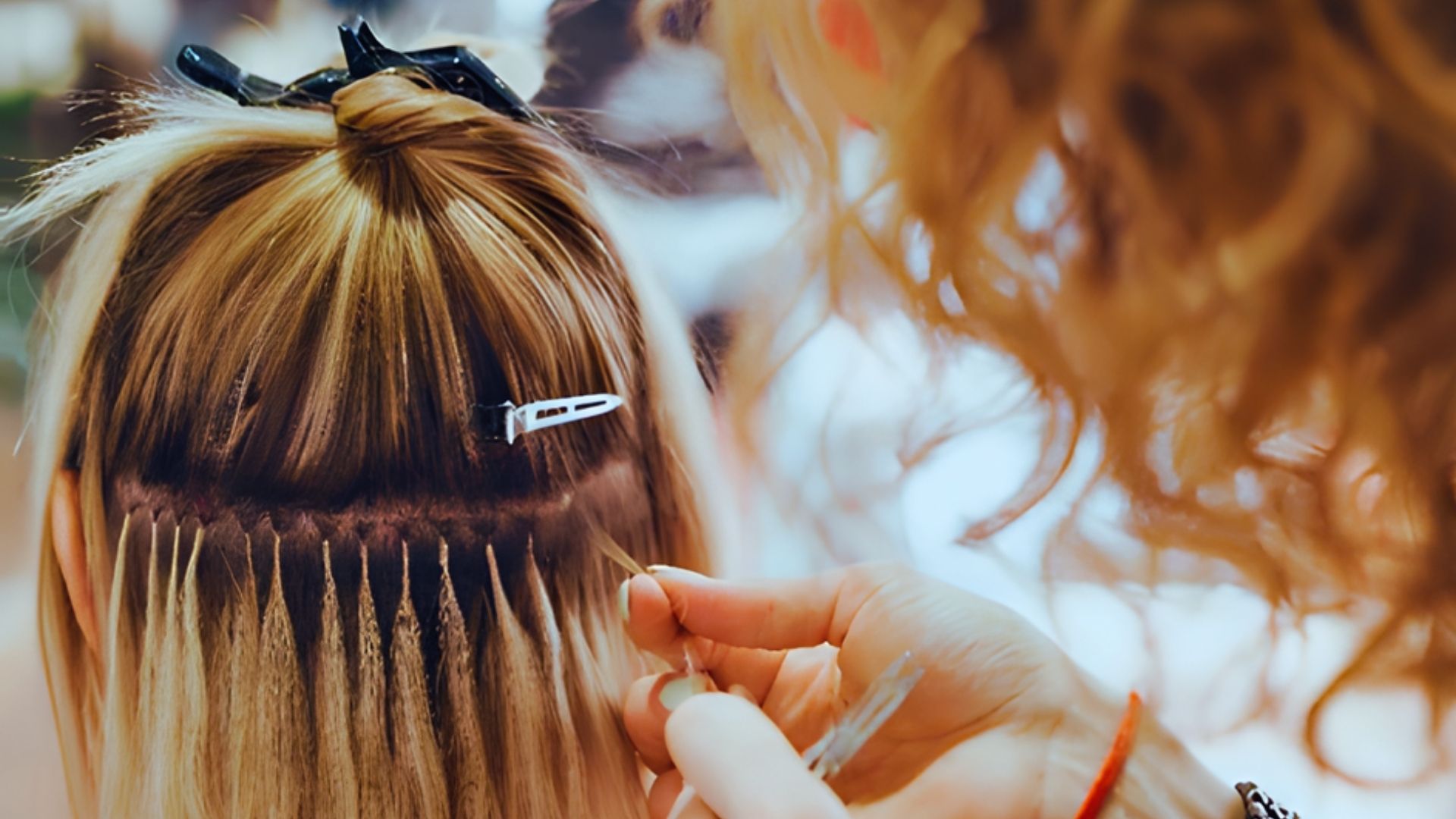
I tip hair extensions to add length and volume without heat or glue. They are attached strand by strand using small beads.
Definition and Overview
I tip extensions are individual hair strands with small “I”-shaped tips, attached using metal or silicone-lined microbeads.
They are installed strand by strand for seamless blending, usually made from 100% human hair.
Application Process
Installation is done by a trained stylist. No heat or adhesive is used.
Tools required:
- Looping tool
- Microbeads (silicone-lined preferred)
- Extension pliers
- Sectioning clips
Step-by-step process:
- A small section of natural hair is separated.
- A microbead is threaded onto the hair using a looping tool.
- The I tip strand is inserted into the bead.
- The bead is clamped with pliers to secure it.
Pros of I Tip Extensions
Many people choose this method because it feels lightweight and flexible.
- No heat or glue during application.
- Reusable and can be repositioned.
- Lightweight and flexible.
- Suitable for many hair types when properly installed.
Cons of I Tip Extensions
While they are a safe option for many, they are not perfect for everyone.
- Beads may slip if not installed correctly.
- Require tightening as hair grows.
- May not suit very fine or fragile hair if the beads are heavy.
- Installation takes several hours.
I tip extensions can be a great choice if you want flexibility and reuse. Still, your hair type and lifestyle should always guide your final decision.
What Are K Tip Hair Extensions?
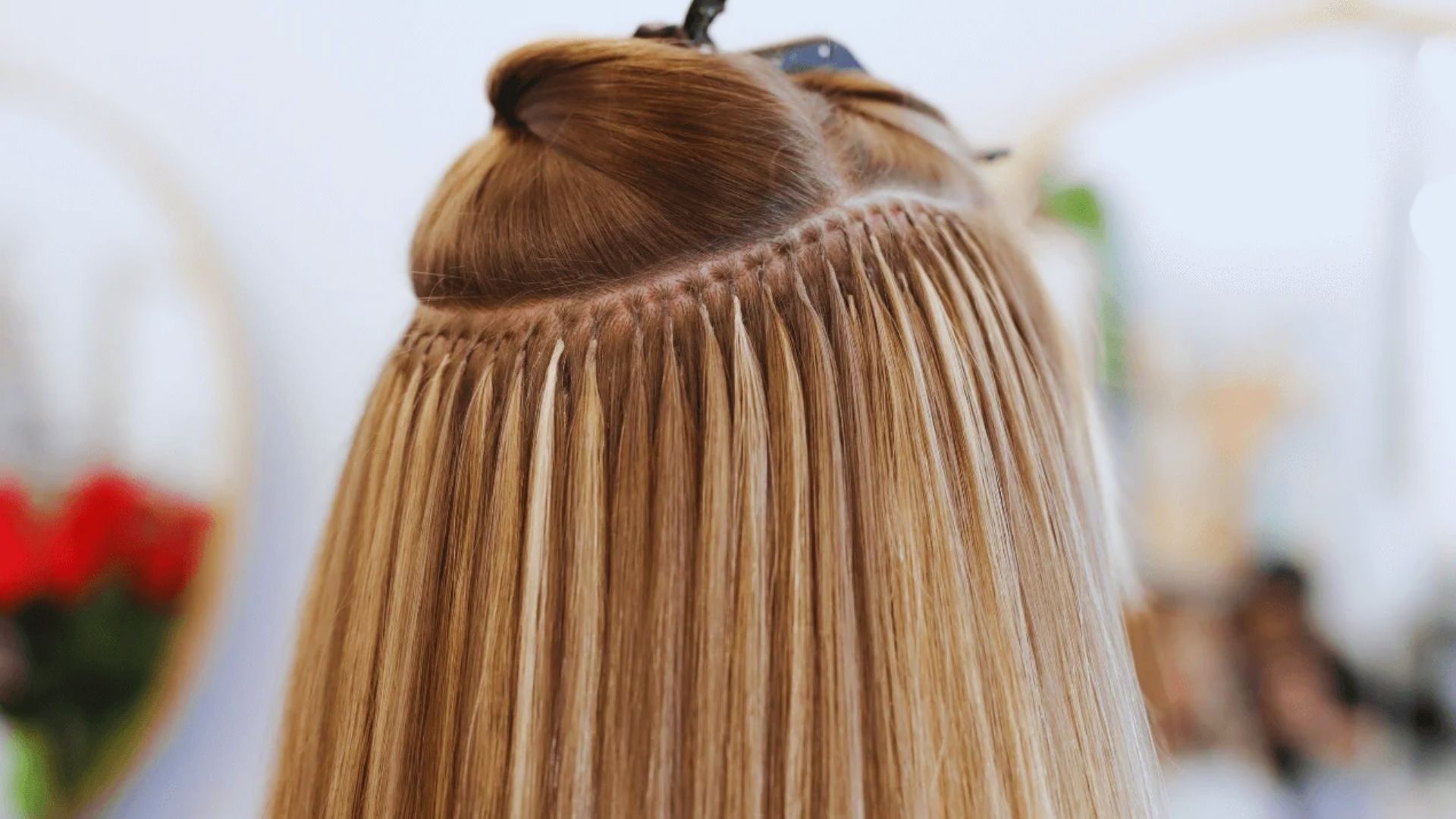
K-tip hair extensions add length and thickness using a heat-based bonding method. They are attached strand by strand with keratin bonds.
Definition and Overview
K tip extensions have a small keratin bond at the top of each strand. This bond is melted with a fusion tool and attached to natural hair. The keratin hardens as it cools, creating a secure hold.
Most K tip extensions are made from 100% human hair. Human hair works best because it bonds well and blends naturally.
Application Process
This method uses heat to attach each strand. It must be done by a trained professional.
Tools required:
- Fusion heat tool
- Keratin-bonded extension strands
- Sectioning clips
Step-by-step process:
- A small section of natural hair is separated.
- The keratin tip is placed near the root.
- A fusion heat tool melts the keratin bond.
- The melted keratin is rolled around the natural hair to secure it.
Pros of K Tip Extensions
K tip extensions are known for their strong and long-lasting hold.
- Long-lasting, typically 3 to 6 months with proper care.
- Blends well and moves naturally.
- Strong hold for medium to thick hair.
- Low daily maintenance once installed.
Cons of K Tip Extensions
This method may not suit every hair type.
- Heat can stress weak, thin, or damaged hair.
- Must be removed by a professional.
- Bonds cannot be reused once melted.
- Installation can take several hours.
K tip extensions offer durability and a natural finish. They work best for healthy, medium to thick hair when applied correctly.
I Tips vs. K Tips: Key Differences
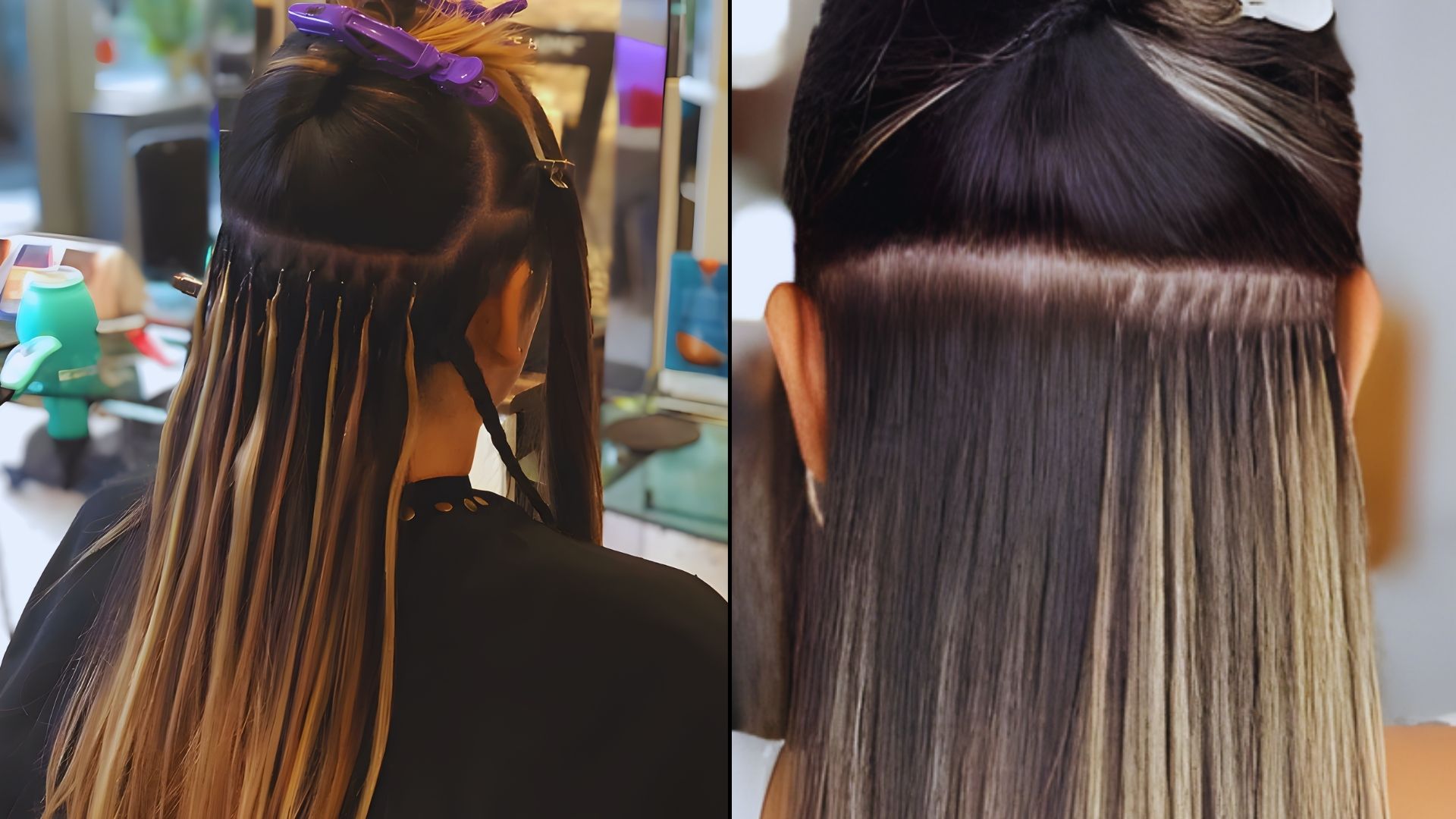
Both I tips and K tips are popular hair extension methods, but they differ in many factors that are mentioned below:
1. Application Method
I tips are installed using small microbeads that are clamped onto natural hair by hand, with no heat involved.
K tips use keratin bonds melted with a heat tool, forming a strong attachment that requires professional installation.
2. Bonding Material
I tips use metal or silicone-lined beads to hold the hair securely.
K tips rely on keratin bonds, which are melted and fused to natural hair. The materials affect reusability, strength, and how gentle each method is on the hair.
3. Suitability for Hair Types
I tips are ideal for thin, fine, or fragile hair because they are lightweight and gentle.
K tips work best for medium to thick hair, providing a durable and secure hold, but may not suit delicate or damaged hair.
4. Reusability and Longevity
I tips can be reused and repositioned as hair grows, typically lasting 2-3 months per install.
K tips are generally one-time use and last longer, around 3-6 months, but cannot be reused once the keratin bond is melted.
5. Maintenance Requirements
I tips need periodic tightening to prevent beads from slipping, but daily care is simple.
K tips require less day-to-day attention but need professional removal or reapplication, making maintenance more dependent on a stylist.
6. Hair Health Impact
I tips are gentler on the scalp and natural hair, reducing the risk of breakage.
K tips use heat, which can stress fragile or thin hair if not applied carefully, so they are better suited for stronger, healthier hair types.
7. Styling Flexibility
I tips allow easy styling, including ponytails, curls, and updos, thanks to their bead installation.
K tips move naturally and look seamless, but may be slightly less flexible for very tight hairstyles due to the keratin bond at the root.
8. Cost Comparison
I tips usually have a lower initial cost and can be reused, with minor costs for tightening.
K tips are more expensive upfront and may require professional removal or replacement, increasing the overall cost over time.
Choose the method that suits your hair type, budget, and styling needs.
I Tips vs. K Tips: Quick Comparison Table
Here’s a clear comparison to help you see the main differences between I tips and K tips.
| Feature | I Tips | K Tips |
|---|---|---|
| Application Method | Microbeads clamped by hand, no heat | Keratin bonds fused with heat |
| Bonding Material | Metal or silicone-lined microbeads | Keratin bonds |
| Hair Type Suitability | Thin, fine, or fragile hair | Medium to thick hair |
| Reusability | Reusable and repositionable | One-time use |
| Longevity | 2-3 months | 3-6 months |
| Maintenance | Periodic tightening | Professional removal/reapplication |
| Hair Health Impact | Gentle, low breakage risk | Heat may stress weak hair |
| Styling Flexibility | Easy for ponytails, curls, and updos | Natural movement is less flexible for tight styles |
| Cost (Full Head, Hair + Install) | $600-$1,800 | $800-$2,500 |
Choose the method that best fits your hair type, budget, and styling needs.
How to Decide Which Extension Method Is Right for You
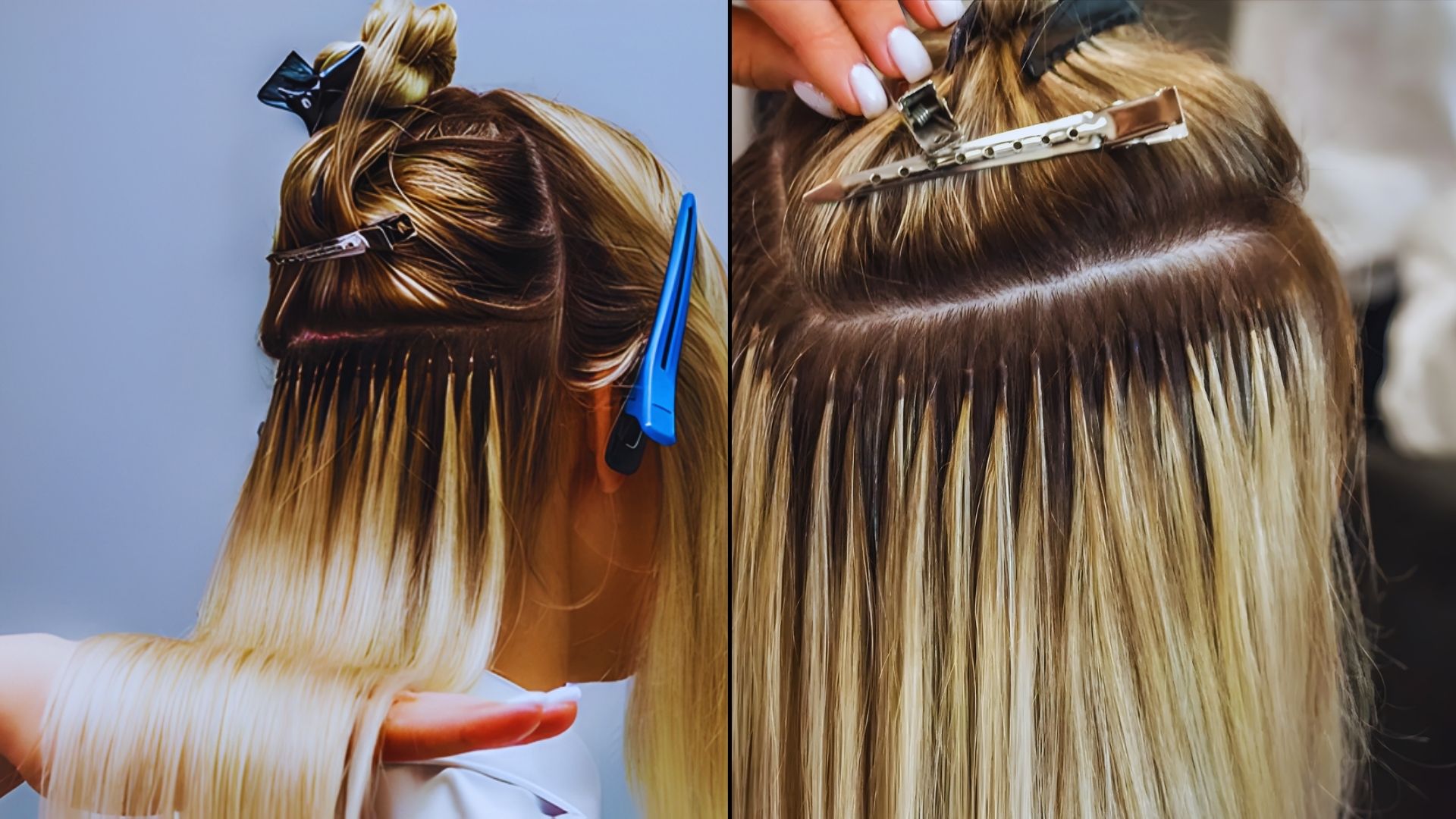
Choosing the right hair extension method depends on your hair type, lifestyle, and budget. Follow these steps to make the best choice:
Assess hair thickness and fragility: Determine if your hair is thin, fine, or strong enough for heat-based methods like K tips. I tips are gentler and safer for fragile hair.
Consider lifestyle and styling needs: Think about how often you style your hair and whether you want flexible options like ponytails, curls, or updos.
Evaluate maintenance and budget: I tips require periodic tightening but can be reused, keeping costs lower. K tips last longer but may be more expensive due to professional removal and replacement.
Consult a professional stylist: A trained stylist can examine your hair, recommend the best method, and ensure safe installation.
These steps make it easier to choose the extension method that fits your hair and daily routine.
Care and Maintenance Tips for Both Extension Types
Proper care helps your extensions last longer and stay healthy.
- Brush gently using a soft-bristle or looped extension brush to prevent tangling.
- Wash hair with sulfate-free shampoo and conditioner, avoiding direct contact with beads or bonds.
- Avoid applying heat directly on the bonds or beads.
- Re-position or tighten I tips every 6-8 weeks and check K tips every 3- months.6
- Schedule regular salon visits to maintain the extensions’ health and appearance.
- Never sleep with wet hair to prevent tangling and matting.
Following these tips will help your extensions look natural and last longer.
Conclusion
Choosing between I tips vs K tips comes down to your hair type, lifestyle, and personal preferences.
I have seen many clients love I tips for their flexibility and gentle touch, especially on fine hair, while K tips give a strong, long-lasting result for thicker hair.
Both methods can look natural and beautiful when installed correctly, so take your time to choose the option that suits your daily routine and hair health.
If you also love using extensions, let me know your preferences in the comments section!
Frequently Asked Questions
Are K-Tips Damaging To Hair?
K tips can stress weak or thin hair due to the heat used during installation. Healthy, strong hair is best, and professional application helps minimize any damage.
Can I Reuse K-Tips Or I-Tips?
I tips are reusable and can be repositioned during maintenance. K tips are one-time use and cannot be reused once the keratin bond is melted.
Which Method Is Better For Updos And Ponytails?
I tips are more flexible for updos and ponytails because the microbeads allow easy movement. K tips move naturally but may be slightly less flexible for tight styles.
Can I Use I Tips And K Tips Together?
Yes, they can be combined in different sections of the hair. A professional stylist should assess hair health and weight distribution before mixing methods.
Are I Tips Safer Than K Tips For Thin Hair?
Yes, I tips are gentler and recommended for thin or fragile hair. K tips use heat and may stress delicate hair if not applied carefully.