Should Women Shave Their Faces?


A few years ago, mentioning face shaving as a woman would get you some raised eyebrows.
Today? It’s a hot topic everywhere. Women are openly sharing their shaving routines and swapping tips without shame.
Maybe you’ve scrolled past those videos showing impossibly smooth skin and wondered if it’s worth trying. Or perhaps a friend mentioned it and you’re curious but hesitant.
This shift didn’t happen overnight. We’ve moved past outdated beauty standards that told us what we could and couldn’t do with our own skin.
Now, real experiences matter more than old rules.
Let’s talk about what actually happens.
What Does It Mean When Women Shave Their Faces?
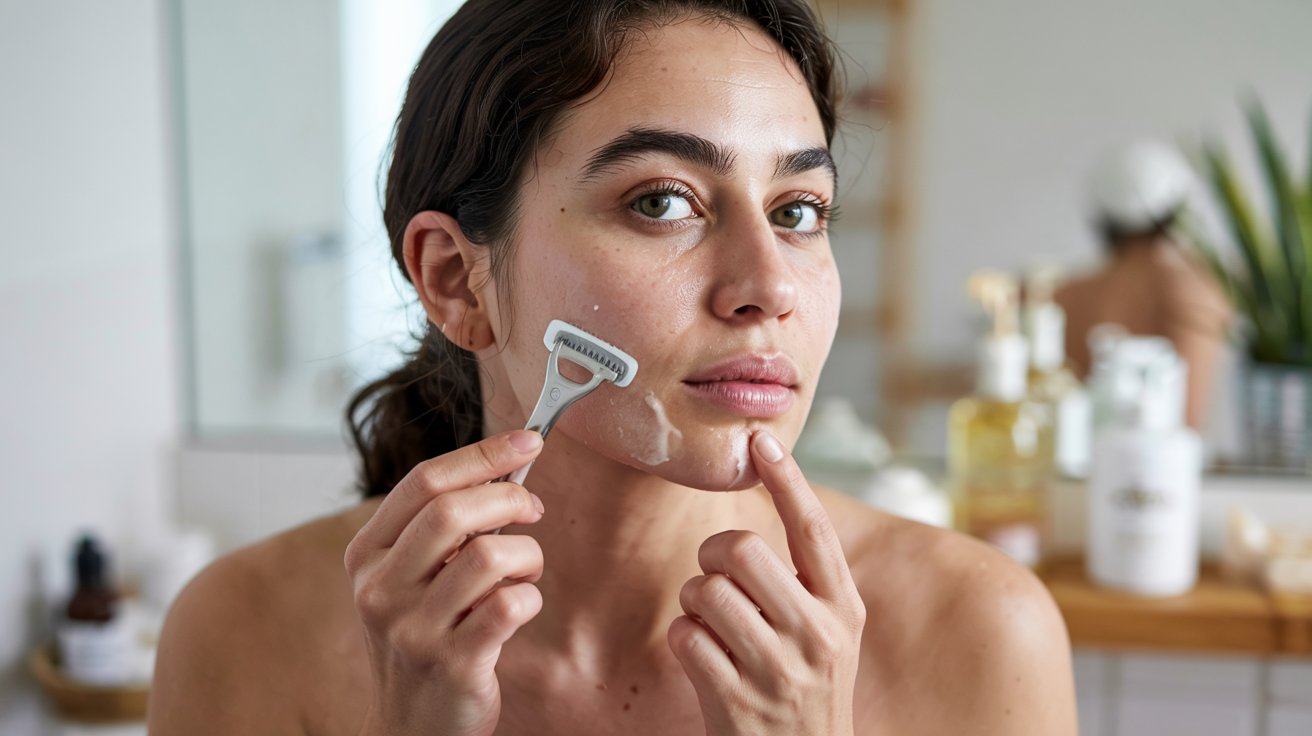
Face shaving for women simply means removing facial hair using a razor.
Most women deal with two types of hair: vellus hair (that soft peach fuzz) and terminal hair (darker, coarser strands). Everyone has some facial hair, though thickness and visibility vary.
You might hear people use “face shaving” and “dermaplaning” interchangeably, but there’s a difference.
Dermaplaning is done by professionals using surgical-grade blades at a specific angle. Regular face shaving uses standard razors at home.
Both remove hair and dead skin, but dermaplaning goes deeper and costs more.
Why Women Decide to Shave Their Face (In Their Own Words)

Women share the real reasons they started shaving their faces, from smoother skin to better makeup and increased confidence.
“I Wanted Smoother Skin” – Texture & Glow Stories
Many women start shaving their faces for practical reasons that go beyond hair removal. Some notice their skin feels rough or bumpy, and shaving helps create a smoother surface.
Others see an immediate glow after removing that top layer of dead skin and peach fuzz.
“My Makeup Finally Looked Better” – Real Makeup Results
Makeup application becomes easier too. Foundation sits better on freshly shaved skin instead of clinging to fine hairs. No more cakey patches or products that won’t blend properly.
“It Boosted My Confidence” – Emotional & Personal Reasons
But it’s not just about looks. For some women, taking control of their facial hair brings real confidence.
They feel more comfortable in their skin and less self-conscious in bright lighting or close-up photos.
First-Time Face Shaving Experiences: Honest Confessions
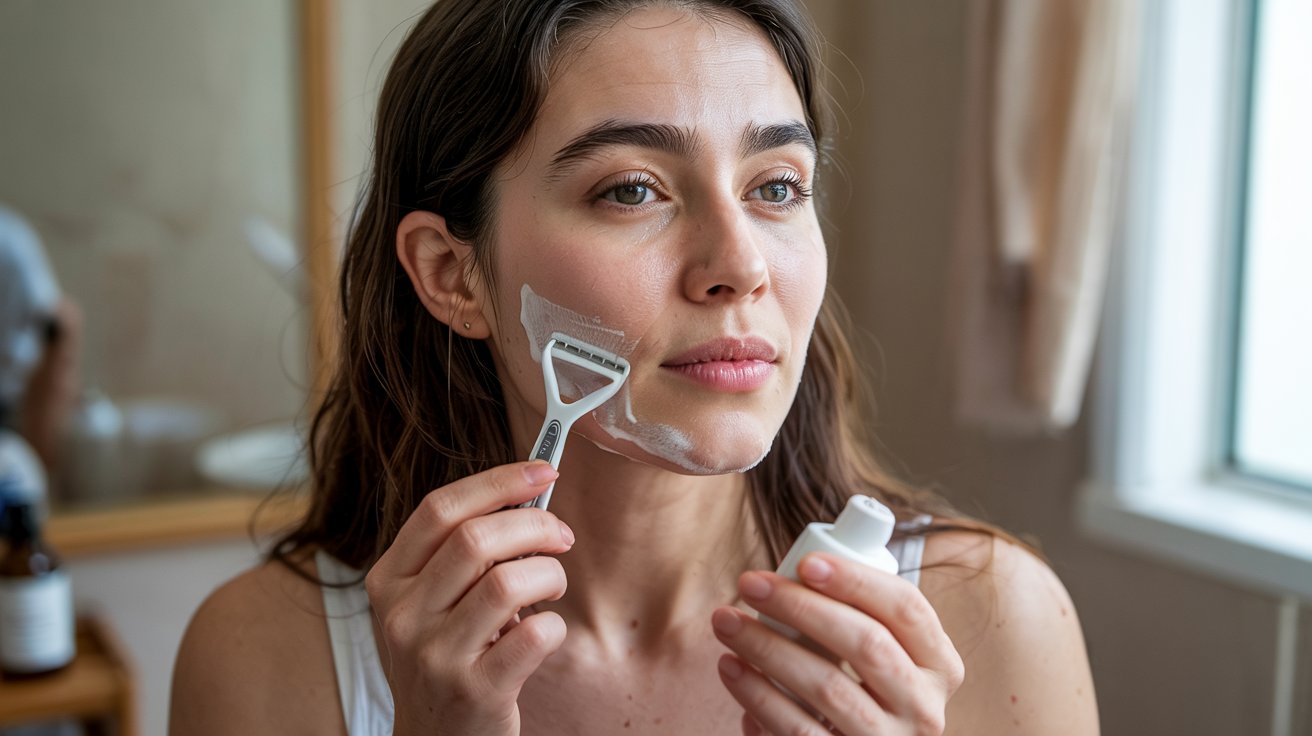
Women reveal what it’s really like trying face shaving for the first time, including surprises and common beginner mistakes.
Nervous, Curious, or Excited? What Women Felt Before Trying
That first time holding a razor to your face brings mixed emotions. Most women admit feeling nervous about doing it wrong or worried the hair would grow back thicker.
Some were purely curious after seeing results online. Others felt excited to finally try something they’d been researching for months.
What Surprised Them Most After the First Shave
The biggest surprise? How soft their skin felt immediately. Many didn’t expect such instant results.
Some were shocked by how much peach fuzz actually came off. Others noticed their skincare products absorbed better right away.
Mistakes Women Admit Making the First Time
Common first-timer errors include shaving without prep, using dull razors, or pressing too hard.
Some used the wrong products afterward and experienced irritation. Others shaved against the grain too aggressively or skipped moisturizer completely.
Does Facial Hair Grow Back Thicker? Women Share What Actually
The biggest myth about face shaving is that hair grows back thicker and darker. Science says this isn’t true, but many women still worry about it before their first shave.
In reality, hair feels stubbly during regrowth because it’s blunt at the tip, not because it changed. Most women notice regrowth within a few days, but it’s the same texture as before.
Long-term shavers confirm their hair hasn’t changed after months or years. It remains soft and fine, just like it started.
Pros of Face Shaving According to Women Who Do It Regularly
- Immediate smoothness: Your skin feels incredibly soft right after shaving. That dull layer of dead skin and fuzz disappears instantly.
- Radiant glow: Removing the top layer reveals fresher skin underneath. Many women notice their complexion looks brighter and more awake.
- Better product absorption: Serums and moisturizers sink in faster without peach fuzz blocking the way. You get more value from your skincare routine.
- Makeup sits perfectly: Foundation glides on smoothly instead of catching on tiny hairs. No more patchy or cakey application issues.
- Budget-friendly: You only need a good razor and basic prep products. No expensive salon appointments or special tools required.
- Quick routine: The whole process takes just a few minutes at home. It fits easily into your existing skincare schedule.
Cons of Face Shaving Women Wish They Knew Earlier
- Skin irritation happens: Redness and sensitivity are common, especially for beginners. Some women experience breakouts if they don’t prep their skin properly first.
- Ingrown hairs can appear: Hairs sometimes grow back under the skin instead of through it. This creates small bumps that take time to heal.
- Visible shadow effect: Women with darker, coarser hair may notice a shadow even after shaving. The hair follicle still shows through the skin.
- Regular maintenance required: Hair grows back within days, so you need to shave frequently. Missing sessions means dealing with stubbly regrowth.
- Not suitable for all skin types: Sensitive, acne-prone, or rosacea skin may react poorly. Some women found it made their existing skin conditions worse.
How Women Safely Shave Their Face (Tips From Experience)

Experienced face shavers share their go-to tools, prep routines, and aftercare habits that prevent irritation and deliver smooth results.
Tools Women Swear By
Most experienced shavers prefer single-blade facial razors designed specifically for women’s faces.
Eyebrow razors work well for beginners since they’re small and easy to control. Keep razors clean and replace blades regularly to avoid bacteria buildup and dull edges.
Skin Prep Rituals That Prevent Irritation
Always start with clean, damp skin after washing your face with warm water. Apply a thin layer of shaving cream, gel, or even a gentle cleanser to create slip.
Never shave dry skin, as this causes friction and increases irritation risk significantly.
Aftercare Habits That Make the Biggest Difference
Rinse with cool water immediately after shaving to close pores. Pat your face dry gently instead of rubbing.
Apply a soothing moisturizer or aloe vera gel right away. Avoid harsh actives like retinol or acids for 24 hours after shaving.
Who Should Avoid Face Shaving? Personal Warnings From Women

Face shaving isn’t for everyone. Women with active acne often find it spreads bacteria and worsens breakouts.
Sensitive skin types may experience prolonged redness and burning that lasts for days.
Those with rosacea or eczema report increased inflammation and flare-ups after shaving. The friction aggravates already compromised skin barriers.
Some women tried it for months but eventually stopped. Constant irritation, ingrown hairs, or simply preferring their natural texture led them to quit.
Others found alternative hair removal methods worked better for their specific skin needs.
Conclusion
Face shaving works amazingly for some women and not at all for others. Your skin type, hair texture, and personal comfort all matter here.
There’s no right or wrong choice. What matters is how you feel about your own skin. If you’re curious, start with a small patch test and see how your skin responds.
Listen to your body, not social media trends. Your routine should make you feel good, not stressed.
Have you tried face shaving? Share your experience in the comments below.
Frequently Asked Questions
Does shaving your face make hair grow back thicker?
No, this is a myth. Hair feels stubbly during regrowth because the tip is blunt from cutting, not because it actually changed texture or thickness.
How often should women shave their face?
Most women shave every 3 to 7 days depending on their hair growth rate. You can adjust the frequency based on how quickly your peach fuzz returns.
Can I shave my face if I have acne?
It’s best to avoid shaving over active breakouts as it can spread bacteria and worsen inflammation. Wait until your skin clears up before trying face shaving.
What’s the difference between face shaving and dermaplaning?
Dermaplaning is a professional treatment using surgical-grade blades at specific angles. Face shaving at home uses regular razors and gives similar but less intensive results.
Will face shaving cause wrinkles or damage my skin?
No, gentle face shaving won’t cause wrinkles when done correctly with proper technique. Using light pressure and keeping your skin moisturized prevents any potential damage.