How to Make Waxing Less Painful (Proven Tips That Work)


How to make waxing less painful comes down to three things: proper prep, the right technique, and smart aftercare.
My first wax hurt so much I almost quit waxing completely. I walked out red, sore, and swore never again. But I went back, and I slowly figured out what actually cuts the pain.
Based on personal experience and insights from licensed estheticians, this guide gives you real, practical steps.
You will learn how to reduce pain during waxing at every stage of your appointment.
I cover the most painful areas, common mistakes, what surprised me most along the way, and whether it truly gets easier with time.
Let’s get started.
Why Waxing Hurts and How to Make Waxing Less Painful
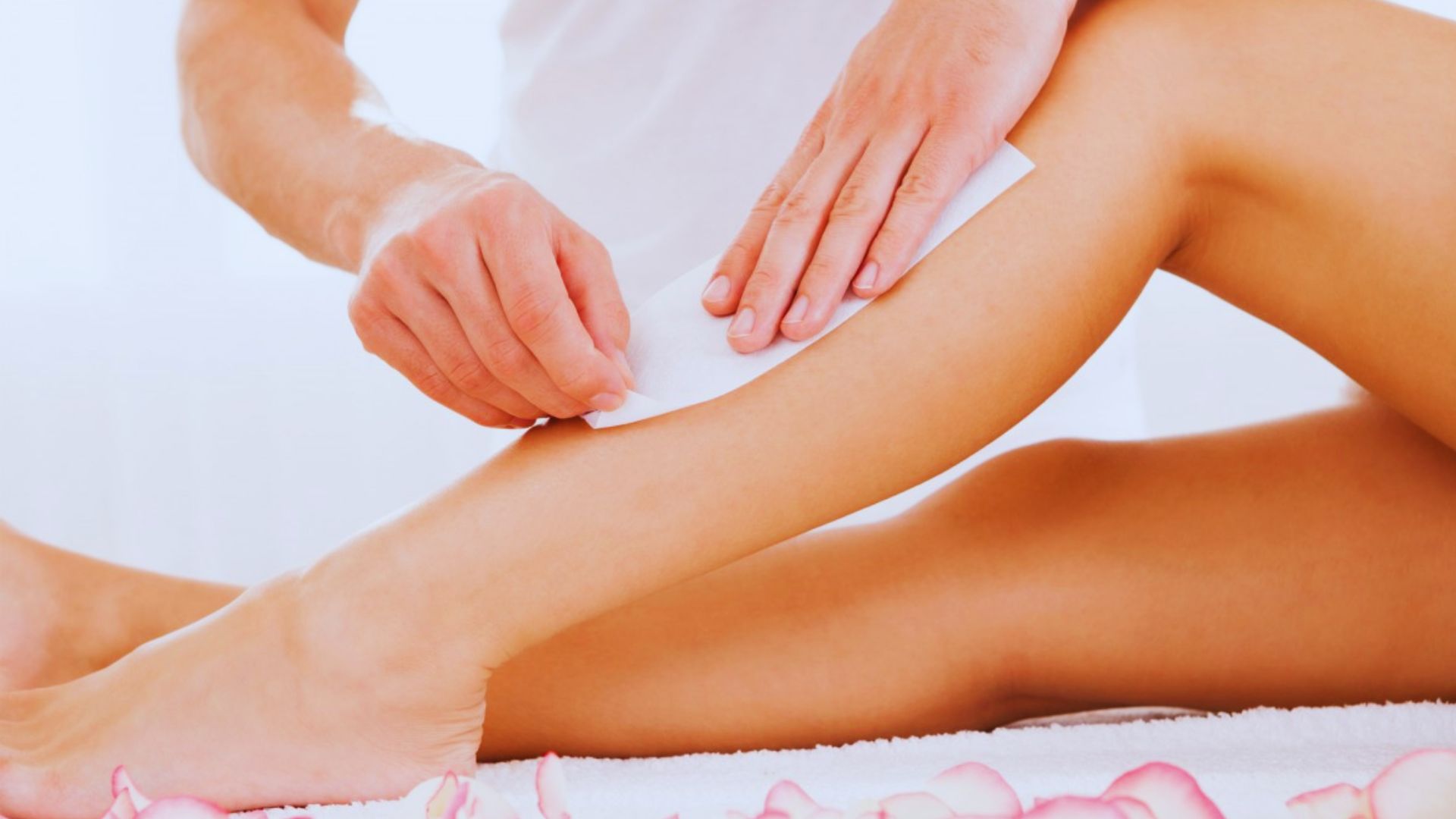
Waxing pulls hair straight from the root. That is why it stings. The wax grips the hair and removes it in one fast motion. Your skin registers every bit of that pull.
A few things affect how much you feel it:
- Your natural pain tolerance
- The area being waxed
- Your skin’s condition that day
- The type of wax used
- How skilled your esthetician is
According to the American Academy of Dermatology, skin sensitivity increases during hormonal shifts, including right before menstruation. That alone can make the same wax feel twice as painful.
The good news is most of these factors are within your control.
How to Make Waxing Less Painful Before Your Appointment
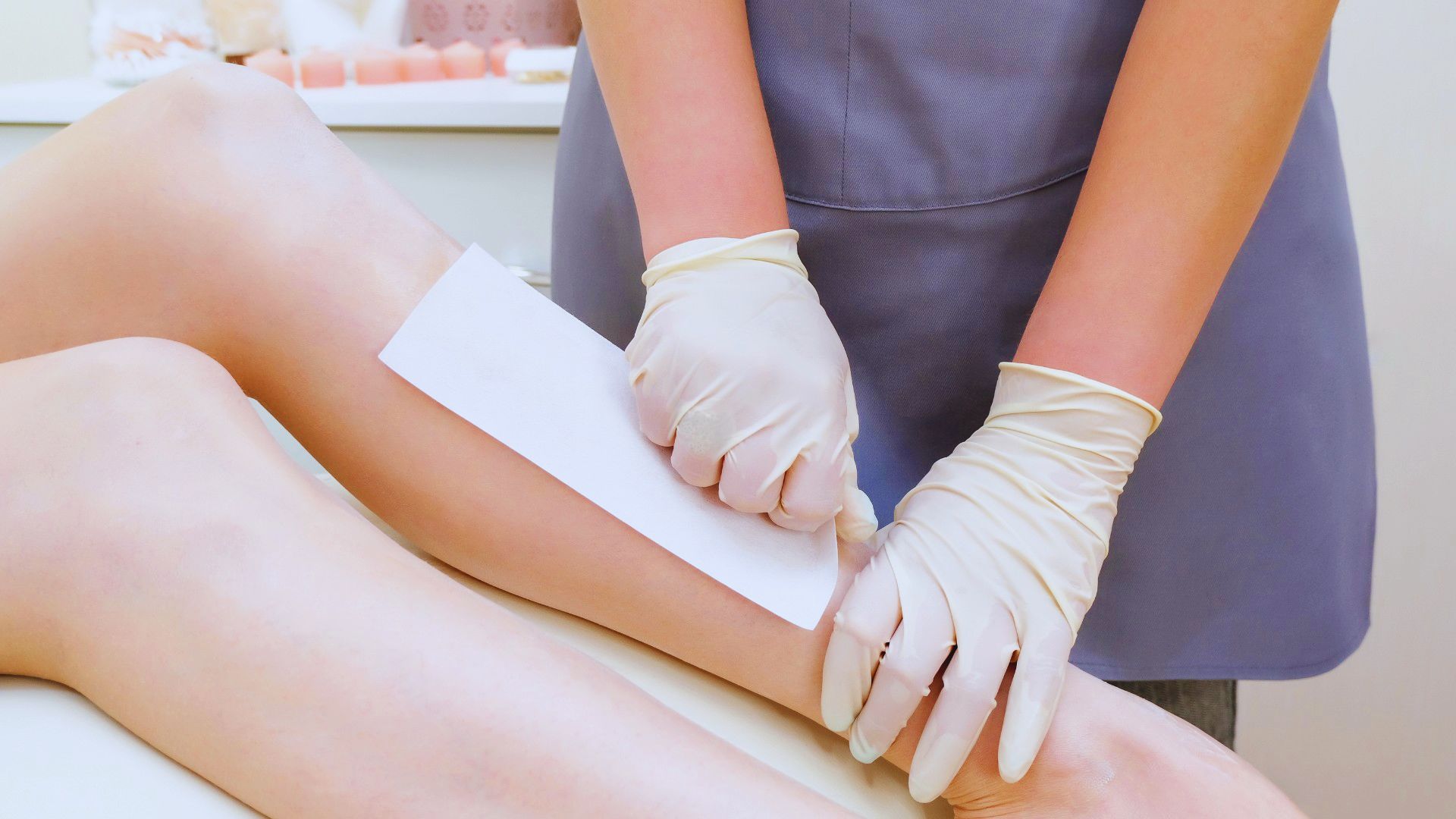
Skipping prep is the single biggest reason waxing hurts more than it should. These waxing pain tips before you go in are simple but they genuinely work.
Let Your Hair Grow to the Right Length
Hair needs to be about a quarter inch long. That is roughly the size of a grain of rice. Too short and the wax will not grip it. Too long and it pulls harder. Two to four weeks of growth is the sweet spot.
Exfoliate Gently 24 to 48 Hours Before to Reduce Waxing Pain
Dead skin traps hair under the surface. A light scrub a day or two before helps the wax grip better and reduces waxing pain during the pull. Use a soft washcloth or a mild scrub. Skip exfoliating on the actual day and let skin settle before your appointment.
Avoid Caffeine and Alcohol Before Waxing
Both make your skin more reactive. Caffeine tightens pores and raises sensitivity. Alcohol does the same. Skip your morning coffee and avoid drinking the night before. This is one of those waxing pain tips that sounds small but makes a real difference.
Time Your Wax Around Your Cycle
Studies show pain sensitivity rises right before and during menstruation. Booking in the week after your period ends gives you a naturally higher threshold. Estheticians recommend this to first-timers especially.
Take a Mild Pain Reliever If Needed
Ibuprofen taken 30 minutes before your appointment can take the edge off. It works best for sensitive areas like the bikini line. You do not need it every time, but it helps when your tolerance is lower.
How to Make Waxing Less Painful During Your Appointment
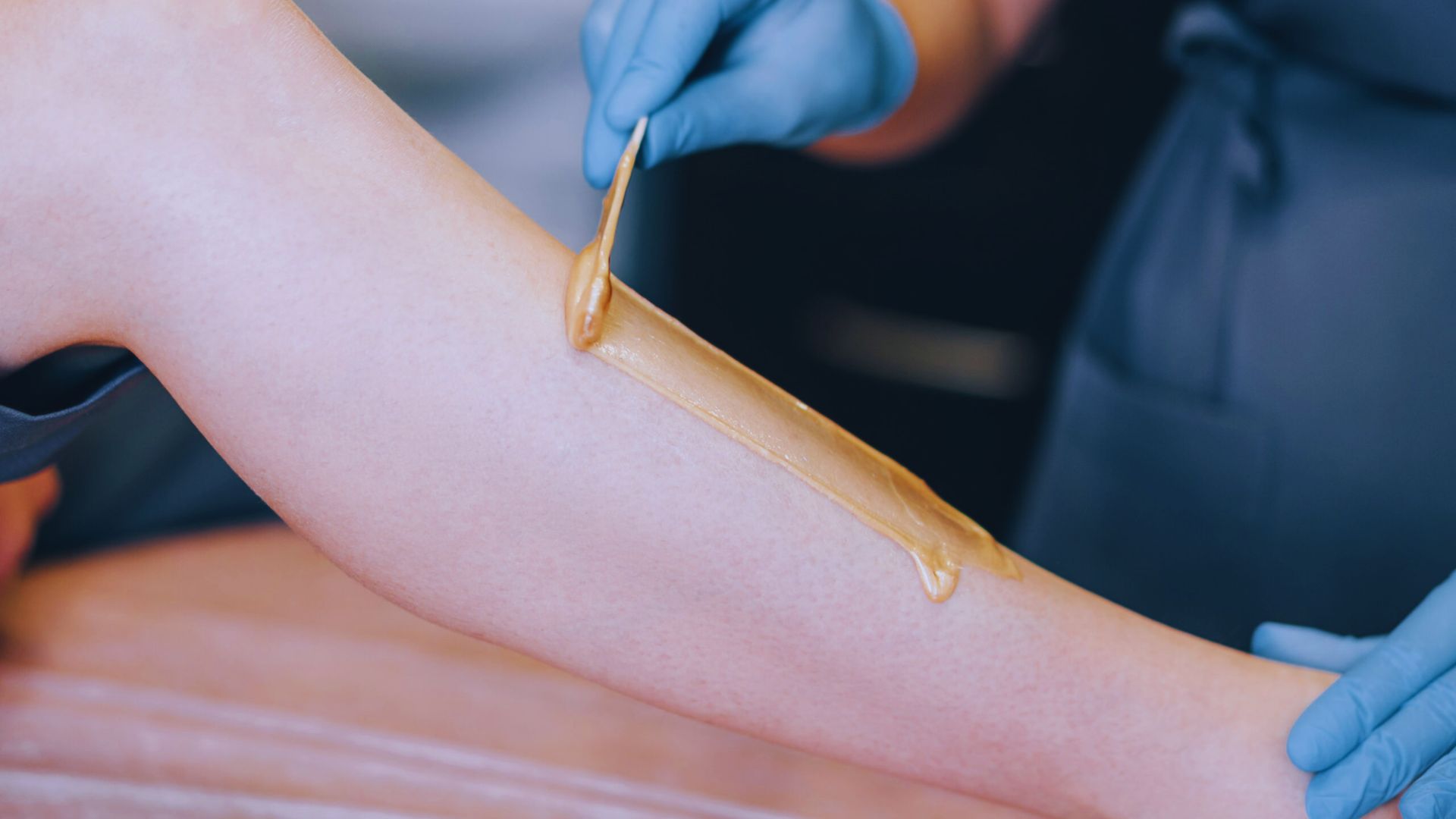
What happens in the room matters just as much as prep. Small in-session choices can shift how to reduce pain during waxing significantly.
Choose the Right Wax Type
Hard wax is the better option for sensitive areas. It grips the hair, not the skin. Soft wax covers larger areas but pulls the skin more. Estheticians recommend hard wax for the bikini line, underarms, and upper lip specifically.
Use the Right Breathing Technique
Breathe in slowly for four counts before the strip is pulled. Then exhale right as it comes off. That controlled exhale reduces the shock your nervous system registers. What actually surprised me was how much this one thing changed the experience. It sounds too simple to matter, but it really does work.
Hold Skin Tight
Taut skin means a cleaner pull. Less drag equals less pain. A skilled esthetician does this automatically. If you are learning how to make waxing less painful at home, always hold skin firm with your free hand before pulling.
Work with an Experienced Esthetician
Speed and angle matter more than most people think. A trained esthetician removes wax quickly and at the correct angle. Hesitation stretches the process and makes it hurt more. This is one of the most overlooked waxing pain tips around.
Apply Numbing Cream (Optional)
Lidocaine-based creams reduce pain in sensitive spots. Apply 30 to 45 minutes before your appointment and wipe it off right before the wax goes on. Always patch test first.
Pro Tips Estheticians Swear By
These are the small things that most people never hear about but make a real difference.
Press the skin firmly with your hand immediately after each strip is pulled. That pressure signal confuses the nerve endings and dulls the sting fast.
Most estheticians do this automatically but it is worth asking for if yours does not.
Never let the esthetician go over the same area twice in one session. It strips skin and causes real irritation. If hair is missed, leave it for next time.
After your session, apply a calming oil like tea tree or chamomile-based oil to the treated area. It reduces redness and keeps ingrown hairs at bay over time.
Fragrance-free options work best for reactive skin.
Aftercare Tips to Make Waxing Less Painful After Your Appointment
What you do after your session is just as important as prep. These steps help reduce waxing pain naturally once you leave the salon.
Soothe Skin Immediately
Apply aloe vera gel or a fragrance-free cooling gel right after your wax. A clean cold compress helps too. Avoid anything with synthetic fragrance. Your skin is more open and reactive right after a session.
Avoid Heat, Sweat, and Friction
Skip the gym, hot showers, saunas, and pools for 24 to 48 hours. Heat inflames freshly waxed skin. Sweat can cause breakouts in treated areas. Give your skin a full day to recover first.
Wear Loose Clothing
Tight fabric rubbing on freshly waxed skin causes real irritation. After a leg or bikini wax, go for loose cotton. It lets your skin breathe and makes the rest of your day far more comfortable.
Moisturize and Calm the Skin
Start using an aloe-based or fragrance-free lotion 24 hours after your wax. Hydrated skin is easier to wax at your next appointment. Dry skin pulls harder and is more prone to ingrown hairs over time.
Long-Term Waxing Pain Tips to Hurt Less Over Time
Regular waxing is the biggest factor in reducing pain long-term. Consistent sessions mean hair grows back finer. Finer hair requires less force to remove.
Stick to a four to six week schedule. Hair follicles weaken over time. After three to four appointments, most people notice a real shift.
The biggest mistake I made early on was going months between sessions. I kept starting over from scratch and wondering why it never got easier.
Most Painful Areas to Wax and How to Handle Them
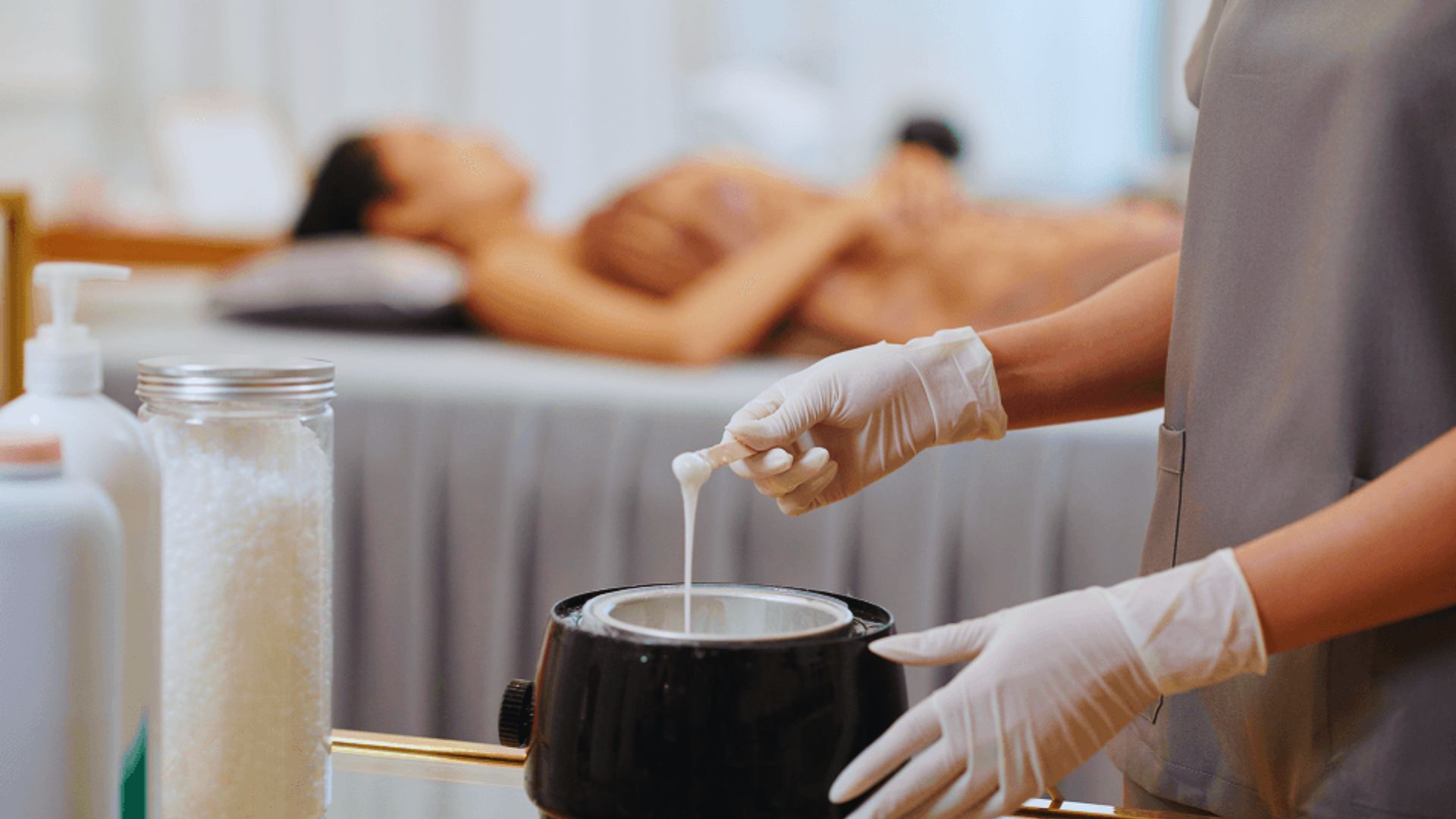
The bikini line and underarms tend to hurt the most. The upper lip is sharp but quick. Legs are the least painful for most people.
For sensitive spots, hard wax is the right call. Numbing cream helps for the bikini area especially.
If you are new, start with your legs to get used to the feeling before moving to trickier areas.
Common Mistakes That Make Waxing More Painful
A few habits make waxing hurt more than it should:
- Waxing over sunburned or irritated skin
- Skipping exfoliation before your appointment
- Hair that is too short or too long
- Booking right before your period
- Using soft wax on sensitive areas
- Re-waxing the same spot twice in one session
That last one causes real skin damage. If a patch is missed, leave it for next time.
Is Waxing Supposed to Hurt Less Over Time?
Yes, and it genuinely does. I noticed a clear difference after about three consistent sessions. Hair came back finer. Each pull felt less intense. Redness cleared faster.
Your skin adjusts to the process too. The first session is almost always the worst.
Skipping too many months resets your progress. Stay on schedule and the improvement is very real.
Conclusion
Waxing does not have to be something you dread every time.
I used to avoid it just because of the pain. Once I got the prep right and started paying attention to what I did during and after, every session became easier.
Growing hair to the right length, exfoliating beforehand, choosing hard wax, breathing through each pull, and calming your skin right after all add up. Staying consistent matters most.
Your hair grows back finer, your skin adjusts, and the pain fades into something very manageable.
If you are serious about learning how to make waxing less painful, follow these steps before every single appointment. Save this guide before your next wax.
Share it with someone nervous about their first session. Which tip are you trying first?
Frequently Asked Questions
How long should hair be to reduce waxing pain?
Hair should be about a quarter inch long, which is two to four weeks of growth. Hair that is too short will not grip properly, making the process more uncomfortable and less effective.
What is the best wax type to reduce waxing pain naturally?
Hard wax is generally less painful because it grips the hair rather than the skin. Estheticians recommend it for sensitive areas like the bikini line and underarms.
Can I learn how to make waxing less painful at home?
Yes, absolutely. Use hard wax, hold skin taut before each pull, and apply aloe vera gel immediately after. Consistent technique at home can reduce pain just as much as going to a salon.
Does waxing pain get better the more you do it?
Yes, with consistent sessions it does. Hair grows back finer over time, which means less resistance and noticeably less pain with each appointment.
How soon after waxing can I exfoliate?
Wait at least 48 hours before using any scrub or active ingredient. Your skin needs time to recover before you add any friction or exfoliant.