How to Prepare Skin Before Shaving


Good shaving prep reduces irritation and small cuts. Skin needs moisture, warmth, and a clean surface before a blade touches it, because dry or dirty skin increases friction and makes hair harder to cut evenly.
Personal care can support confidence in how people present themselves, whether they are meeting someone in person or connecting online through a positive BBW live chat experience. A simple grooming routine can help you feel cleaner, more comfortable, and more prepared for social moments.
Clean and Soften
The first stage of shaving prep is about removing sweat, oil, deodorant, dead skin, and product buildup. Clean skin gives the razor a clearer path and helps shaving cream or gel spread more evenly.
Wash the Area
Use a gentle cleanser and warm water before shaving. Hot water can strip natural oils, while cold water may leave hair too firm for an easy shave. The cleanser should match the area being shaved. A mild body wash can work for legs and arms, while a fragrance-free face wash is usually better for the beard area or sensitive skin.
Use Warm Water
Warm water softens hair and makes it easier for the blade to cut. For the face, shaving after a warm shower or placing a warm towel on the skin for two to three minutes can help. For legs, underarms, or other body areas, let the skin stay under warm water for several minutes before applying shaving product. This gives hair time to absorb moisture and reduces tugging.
Exfoliate Carefully
Gentle exfoliation can remove dead skin cells that trap hairs or clog the razor. A soft washcloth, mild scrub, or chemical exfoliant used on a separate day can help reduce ingrown hairs. Skin should not be scrubbed aggressively before shaving. Too much exfoliation can create tiny irritation points that make shaving feel uncomfortable and leave the skin red afterward.
Choose the Right Shaving Setup
A good shave depends on the product, blade, and technique used after the skin is clean and softened. The right setup should reduce friction, support control, and protect the skin barrier.
Pick a Shaving Product
Shaving cream, gel, foam, or oil creates a protective layer between the blade and skin. This layer helps the razor glide and lowers the chance of scraping the surface.
Different products work better for different needs:
| Skin or Hair Type | Better Option | Why It Helps |
| Sensitive skin | Fragrance-free shaving cream | Reduces exposure to common irritants |
| Coarse hair | Thick shaving gel | Adds cushion and softens dense hair |
| Dry skin | Shaving oil or cream | Adds slip and helps limit moisture loss |
| Acne-prone skin | Non-comedogenic gel | Lowers the chance of clogged pores |
Apply enough product to fully cover the area. A thin or patchy layer can lead to skipped spots, razor drag, and uneven results.
Check the Razor
A clean, sharp razor is safer than a dull one. Dull blades pull at hair, require extra pressure, and increase the risk of nicks, razor burn, and bumps. A razor should be replaced when it feels rough, leaves stubble behind, or shows rust. Rinse the blades during shaving so hair and product do not block the cutting edge.
Shave With Care
Use light pressure and short strokes. Pressing harder does not create a better shave, because it can remove too much surface skin and cause irritation.
Helpful shaving habits reduce common problems during and after the shave:
- Shave in the direction of hair growth first.
- Rinse the blade after every few strokes.
- Reapply shaving product before a second pass.
- Avoid shaving over cuts, rashes, or active irritation.
A second pass should be done only when the skin feels comfortable. Sensitive areas may react better to one careful pass instead of repeated strokes.
Avoid Common Prep Mistakes
Poor razor prep often comes from rushing. Dry hair, plain soap, or an old razor can increase friction and make irritation more likely. Plain soap is usually not ideal because it can remove too much natural moisture and does not provide enough cushion. A dedicated razor product is better because it is made to support blade glide.
Care After Prep and Razor Use
After the shave, rinse the area with cool water to remove leftover product and calm the surface. Pat dry with a clean towel instead of rubbing, because freshly shaved areas can be more sensitive. Apply a gentle moisturizer after drying. Fragrance-free lotion, aloe gel, or a light balm can help restore comfort and reduce tightness.
Smoother Results Start Before the Blade
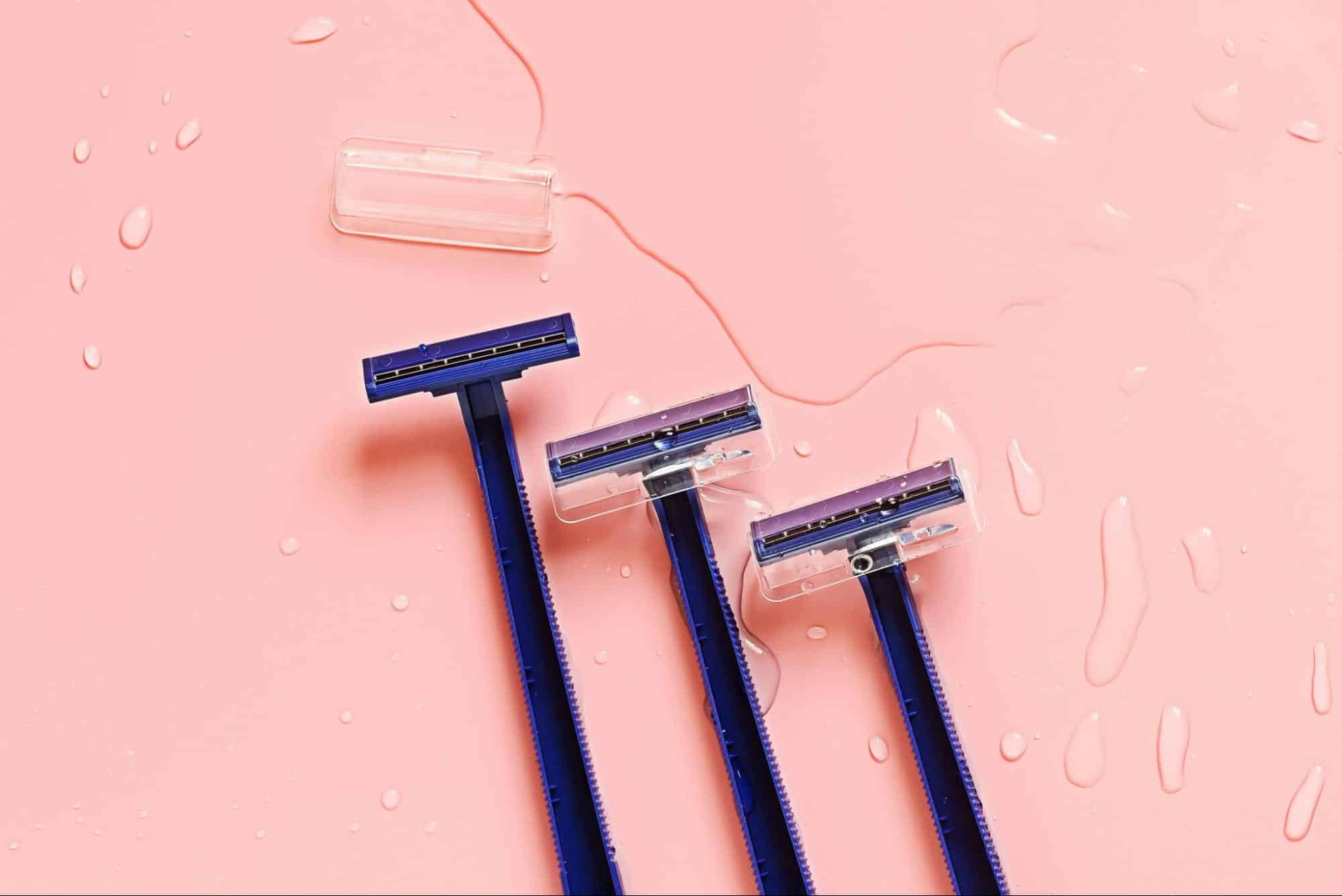
Preparing properly takes only a few minutes, but it can make the result cleaner and more comfortable. Warm water, gentle cleansing, the right product, and a sharp razor all lower the risk of irritation. Consistent prep is especially important for sensitive areas, coarse hair, and places prone to bumps. A careful routine helps protect the barrier and makes each shave easier.