Do Eggs Cause Acne? What Research Shows

I’ve spent years helping people figure out their acne triggers, and the egg question comes up constantly. Do eggs cause acne?
Here’s the truth: for most people, eggs don’t trigger breakouts. But some folks might react differently.
In this article, I’ll walk you through what science actually says about eggs and skin health. You’ll learn about current research, why some people might see breakouts, and how to test if eggs affect your skin. We’ll also cover foods with stronger acne links, like dairy and sugary items.
I’m giving you practical steps you can try today. My goal is simple: help you make informed choices based on real evidence, not internet rumors.
Do Eggs Cause Acne?

Most scientific evidence shows eggs don’t directly cause acne for the general population, though individual reactions vary.
The American Academy of Dermatology doesn’t list eggs as an acne trigger. Their guidelines focus on high-glycemic foods and dairy instead.
A 2022 systematic review found no strong link between eggs and acne in most people. A 2023 study showed that only people with confirmed egg allergies experienced skin inflammation from eggs.
Bottom line: If you don’t have an egg allergy, research suggests eggs probably aren’t causing your breakouts. Individual reactions vary, so personal testing matters more than blanket rules.
Why Do Eggs Cause Acne in Some People?

Individual sensitivities, immune responses, and specific biological factors can make eggs problematic for certain people only.
Food Sensitivities and Immune-Driven Inflammation
When your body sees food as a threat, it launches an immune response. This creates inflammation throughout your system. Inflammation doesn’t just affect your gut. It can show up in your skin too.
For people with egg sensitivities, eating eggs triggers this response. Your body releases inflammatory chemicals. These chemicals can worsen existing acne or trigger new breakouts.
Think of inflammation as a fire alarm in your body.
This explains why some people swear eggs ruin their skin while others eat them daily with zero issues. It’s not about the eggs themselves. It’s about how your specific immune system responds.
How Do Eggs Cause Acne Through Biotin?
You might have heard that biotin in eggs causes acne. Let’s clear this up. One egg has about 10 micrograms of biotin. That’s a tiny amount.
High-dose biotin supplements contain 5,000 to 10,000 micrograms. That’s 500 to 1,000 times more than an egg. Some people taking these massive doses report breakouts.
So can eggs cause biotin-related acne? Highly unlikely. You’d need to eat hundreds of eggs to match a single supplement pill. The biotin angle doesn’t hold up for normal egg consumption.
Hormones in Eggs and Skin Impact
Eggs contain small amounts of hormones. Some people worry these might affect their skin. Let’s look at the actual levels.
Your body produces hormones naturally every day. The tiny amounts in eggs don’t significantly change your hormone levels. They’re too minimal to affect your sebaceous glands or oil production.
Compared to dairy, eggs are a low-risk food for hormone-related skin issues. If you’re worried about dietary hormones and acne, focus on dairy first.
Do Eggs Cause Acne Breakouts or Is It Individual?
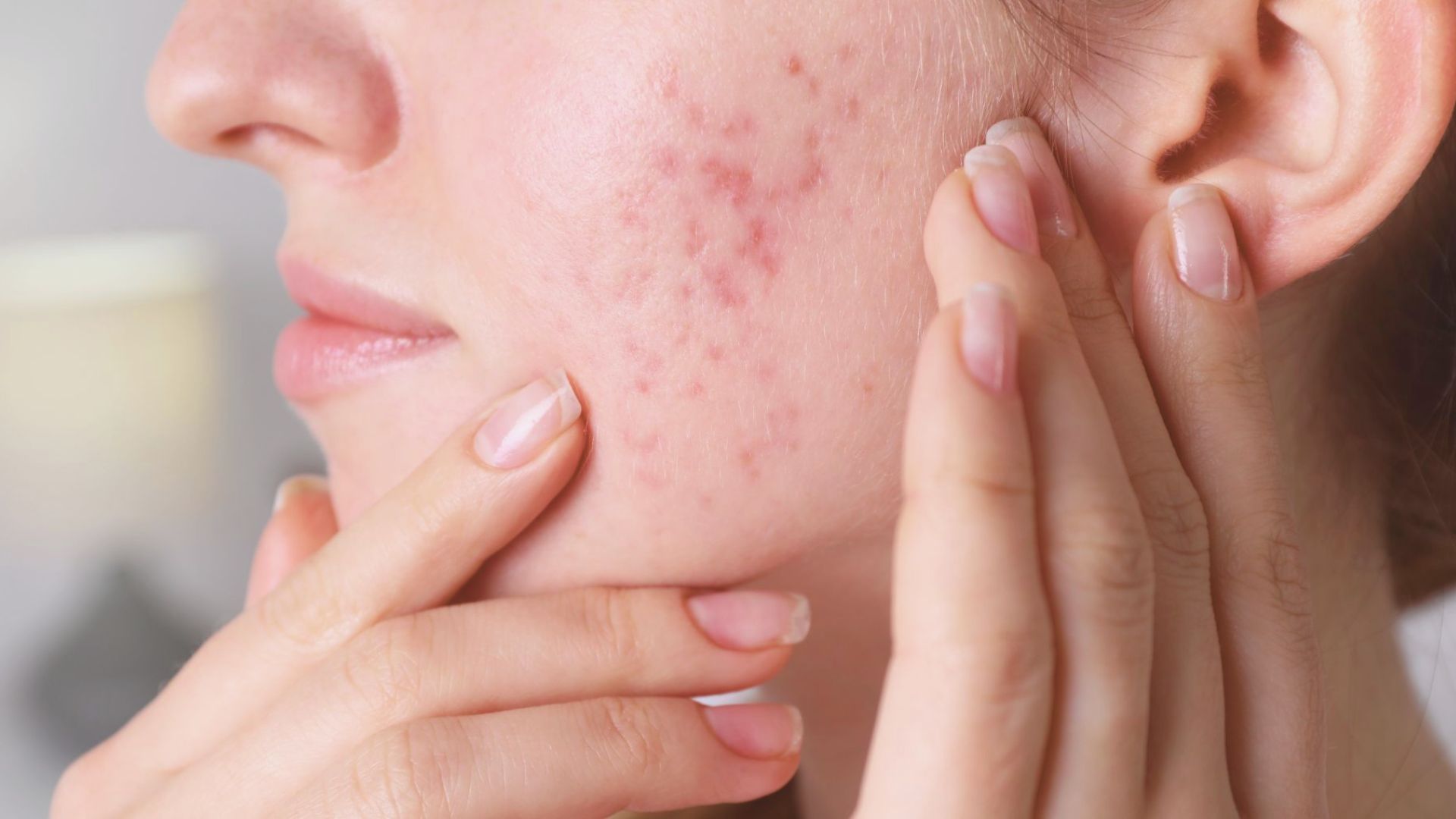
Acne triggers are highly personal; what affects one person’s skin may have zero impact on another’s.
Genetics, Hormones, and Personal Variation
Your genes play a huge role in how your skin behaves. Some people’s skin reacts to specific foods. Others can eat anything without a single pimple.
Hormonal fluctuations matter too. During certain times of the month or life stages, your skin becomes more reactive. A food that’s fine normally might cause issues when hormones are shifting.
This is why cookie-cutter advice fails. You need to understand your body and your triggers. Blanket statements about eggs don’t account for individual biology.
How to Test If Eggs Are a Trigger
Want to know if eggs affect your skin? Try an elimination test. Remove all egg-containing foods for 2 to 4 weeks. This includes obvious items like scrambled eggs and hidden sources like baked goods.
Track your skin during this period. Take photos weekly. Note any changes in breakouts, inflammation, or overall skin texture.
Consider allergy testing if you suspect a true egg allergy. Skin prick tests or blood work can confirm sensitivities. This gives you definitive answers instead of guesswork.
Dietary Factors With Stronger Acne Evidence

Research consistently links high-glycemic foods and dairy to acne more strongly than eggs ever have.
High-Glycemic Foods and Breakouts
Foods that spike your blood sugar have strong links to acne. White bread, sugary snacks, and processed foods fall into this category. They cause insulin surges that affect your hormones.
High insulin levels increase oil production in your skin. They also promote inflammation. Both factors contribute to clogged pores and breakouts.
Multiple studies support this connection. Reducing high-glycemic foods often improves acne. This relationship is much stronger than anything seen with eggs.
If you’re trying to clear your skin through diet, start here. Cut back on refined carbs and sugar. The research backs this approach far more than avoiding eggs.
Dairy Products and Acne Risk
Dairy has more research linking it to acne than almost any other food. Milk, cheese, and yogurt can trigger breakouts in many people.
Dairy contains hormones and growth factors that affect your skin. It can increase insulin-like growth factor 1 (IGF-1). This promotes oil production and inflammation.
Several large studies have found connections between dairy intake and acne severity. The evidence is consistent across different populations.
Why focus on dairy instead of eggs? Because science is stronger. If you’re looking to improve your skin through diet, dairy elimination often shows results. Eggs? Not so much for most people.
Tips for Managing Acne While Evaluating Eggs
Use smart strategies to accurately test eggs as a trigger without confusing variables or unreliable tracking.
- Keep your skincare routine consistent. Don’t change products during elimination testing. New cleansers might cause reactions you’ll wrongly blame on eggs.
- Track breakouts with weekly photos. Take photos in the same lighting and angles each week. Visual proof is more reliable than memory.
- Focus on balanced, low-glycemic meals. Keep the rest of your diet stable while testing eggs. Avoid introducing multiple new foods at once.
- Avoid high-dose biotin supplements. Biotin pills can trigger acne and create false results. Check your multivitamin for high biotin levels too.
- Test one variable at a time. Keep things simple for clear answers. Stick to food-based nutrition during testing unless your doctor recommends otherwise.
Conclusion
After years of working with people on their skin concerns, I can tell you this: eggs don’t cause acne for most of us. Sure, some people have sensitivities that make eggs problematic.
But the blanket fear of eggs isn’t supported by science. Focus on proven triggers like high-glycemic foods and dairy first. If you suspect eggs might be your issue, try the elimination test I outlined above. Your skin will tell you the truth.
Ready to take control of your clear skin path? Drop a comment below sharing your experience with eggs and acne. Let’s learn from each other.
Frequently Asked Questions
Can eating eggs every day cause acne?
No, not for most people. Research shows no direct link between daily eggs and breakouts, unless you have an egg allergy or sensitivity.
How long after eating eggs would I see acne?
If eggs trigger your acne, breakouts typically appear within 2 to 5 days after eating them.
Are egg whites better than egg yolks for acne-prone skin?
Both are equally safe for acne-prone skin. The biotin in yolks is too low to cause issues.
Should I avoid eggs if I have hormonal acne?
No. Eggs contain minimal hormones. Focus on reducing dairy and high-glycemic foods instead for hormonal acne.
Can I eat eggs while on acne medication?
Yes. Eggs don’t interfere with most acne medications like retinoids or antibiotics. Check with your doctor to confirm.