Before You Call a Contractor: 12 Fixes Homeowners Are Doing Themselves

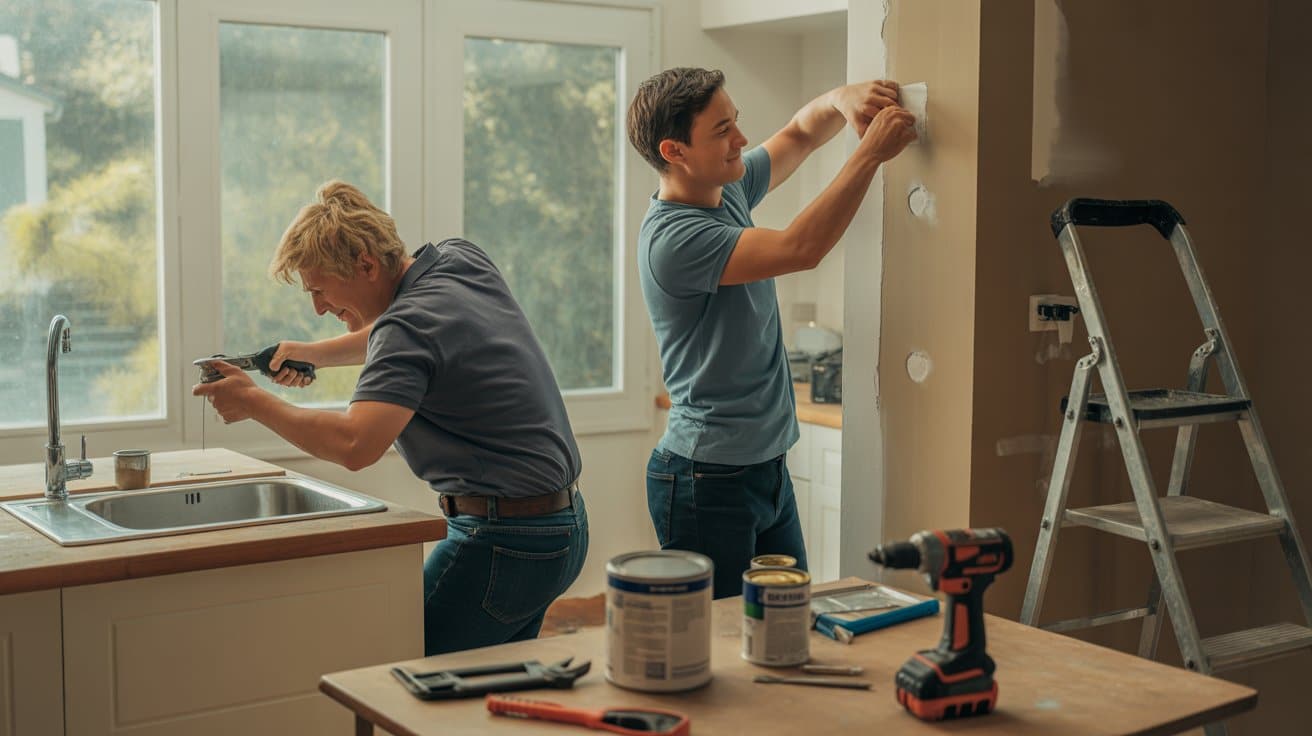
Owning a home comes with a near-endless list of things that can go wrong. A dripping faucet here, a cracked tile there — and before you know it, you’re on the phone with a contractor getting a quote that makes your stomach drop. The good news? A significant number of common household repairs are well within reach for the average homeowner. No journeyman license required. No years of trade experience. Just a bit of patience, the right tools, and the confidence to try.
This article walks through 12 repairs that homeowners are increasingly handling on their own — and why that shift makes a lot of financial sense.
Why More Homeowners Are Going the DIY Route
The rise of detailed tutorial videos, homeowner forums, and better-stocked hardware stores has made self-repair genuinely accessible. What used to require a professional now often requires only an afternoon and a YouTube search. According to the U.S. Census Bureau’s American Housing Survey, DIY home improvement spending has climbed steadily — homeowners are more motivated than ever to keep repair costs in-house.
The savings are real. A plumber charging $150 an hour for a job that takes 20 minutes and $8 in parts is a hard pill to swallow, especially when the fix itself is straightforward. That’s not to say every job should be a DIY project — some repairs genuinely need a licensed pro. But many don’t.
The 12 Fixes You Can Handle Yourself
Below are the most common repairs homeowners are tackling on their own — grouped by category for easy reference.
Plumbing (No License Needed)
1 Fixing a Running Toilet
Usually a worn flapper or float issue. Parts cost under $15. The fix takes 20–30 minutes and requires no special tools.
2 Replacing a Faucet
Shut off the water supply, swap the old fixture, seal and tighten. Most faucet replacements take under an hour.
3 Unclogging Drains
A drain snake or a baking soda and vinegar flush will handle most slow drains before they become emergencies.
Walls, Floors & Surfaces
4 Patching Drywall Holes
Small to medium holes are patchable with a mesh kit and joint compound. Sand, prime, paint — good as new.
5 Replacing Cracked Tiles
Chip out the damaged tile, apply new adhesive, set the replacement, regrout. Time-consuming but beginner-friendly.
6 Fixing Squeaky Floors
A few screws through the subfloor or a squirt of powdered graphite between boards usually does the trick.
Doors, Windows & Weatherproofing
7 Sealing Drafty Windows
Weatherstripping and caulk are cheap. Applying them correctly can noticeably lower heating and cooling bills.
8 Adjusting a Sticking Door
Tighten loose hinges first. If the door frame has shifted, a hand plane or belt sander removes just enough material.
9 Replacing Window Screens
Spline tool, new screen material, and about 30 minutes. This one almost always surprises people with how easy it is.
Electrical & General Maintenance
10 Replacing Outlet Covers & Switches
Turn off the breaker, swap the cover or switch plate. Low risk, instant visual improvement.
That little “Test/Reset” button is there for a reason. Before calling an electrician, push it. Often, that’s all it takes.
12 Cleaning & Replacing HVAC Filters
A clogged filter forces your system to work harder. Replacing it every 1–3 months is one of the highest-ROI tasks a homeowner can do.
Pro tip: Before any repair, check if your local hardware store offers free how-to clinics. Many do — and they’re specifically designed for homeowners tackling projects for the first time.
When the Fixes Add Up: Using Home Equity Wisely
DIY gets you far — but it doesn’t cover everything. Some repairs genuinely require licensed professionals: roof replacements, main sewer line work, load-bearing structural repairs, full electrical panel upgrades. These aren’t weekend projects. They’re significant investments, often running into the thousands.
This is where home equity becomes part of the conversation. If your home has appreciated in value and you’ve been building equity through mortgage payments, you’re sitting on a resource that can fund major improvements. Homeowners who need to tackle a cluster of larger repairs at once — a new roof, updated plumbing, and a kitchen overhaul, say — often find that applying for a home equity loan online is one of the more practical ways to access that capital without depleting savings or carrying high-interest credit card debt.
According to Federal Reserve data, U.S. homeowners collectively hold over $30 trillion in home equity — making it one of the most underutilized financial assets available for home improvement funding.
A home equity loan gives you a fixed lump sum at a fixed interest rate — predictable and straightforward. It’s best used for defined, larger projects rather than ongoing maintenance. For smaller recurring repairs, a cash reserve or a home equity line of credit (HELOC) may be more flexible. The key is matching the financing tool to the scope of the work.
Build Your DIY Toolkit First
You don’t need to own every tool imaginable. But a solid starter kit goes a long way. A cordless drill, a stud finder, a set of screwdrivers, needle-nose pliers, a utility knife, and a quality level will handle the majority of the repairs on this list. Add a caulking gun and a drain snake, and you’re equipped for most plumbing and weatherproofing jobs too.
Spend well on tools you’ll use often. A cheap drill bit set that strips on the first screw wastes more time than it saves money. Mid-range tools from reputable brands hold up and make the work noticeably easier.
Know When to Stop
One of the most important DIY skills is recognizing the limits of what you should attempt. Electrical work beyond outlets and switches, anything involving gas lines, structural modifications, and roofing on steep pitches — these are areas where the risk of doing it wrong isn’t just aesthetic. It can be dangerous, or create far more expensive problems down the road.
If you start a repair and realize the scope is bigger than expected, stop. Document what you’ve done, and call a licensed professional from there. There’s no shame in it. The goal is a well-maintained home, not a completed project at any cost.
Final Thoughts
Homeownership is a long game. The repairs never stop — they just change in size and frequency. Getting comfortable with handling smaller fixes yourself builds confidence, saves money, and gives you a better understanding of how your home works. That knowledge compounds over time. You’ll catch problems earlier, make smarter decisions about when to call a pro, and spend more thoughtfully on the repairs that genuinely need professional attention. Start with the small stuff, take it one fix at a time, and you’ll be surprised how capable you become.