Should I Put Sunscreen on at Night? Expert Guide

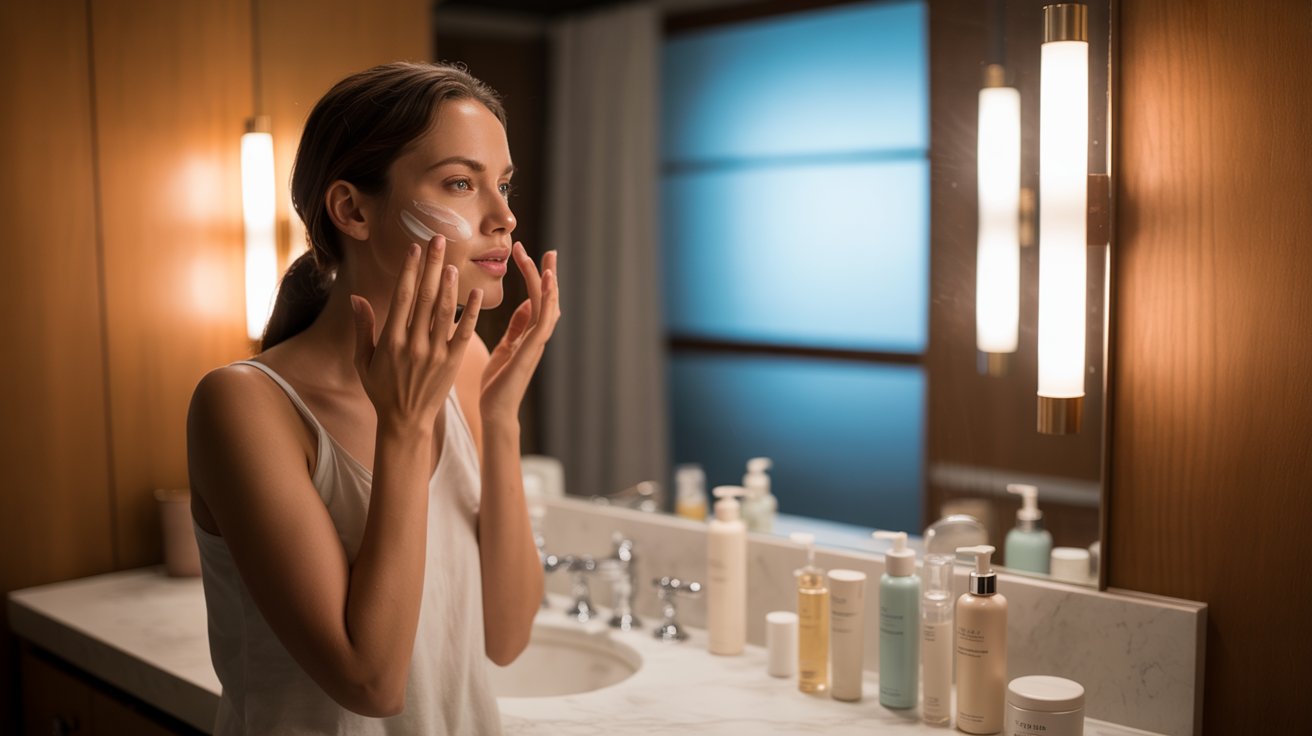
You just finished your nighttime skincare routine and stopped to wonder, should sunscreen be part of it? You are not alone. A lot of people ask this same question.
Sunscreen is one of the best things you can do for your skin. But does that mean you need it around the clock? Not really.
At night, there is no UV radiation from the sun. So wearing sunscreen after dark does not give your skin any extra protection. For most people, it is simply not needed.
What Is Sunscreen and Why Do We Use It?
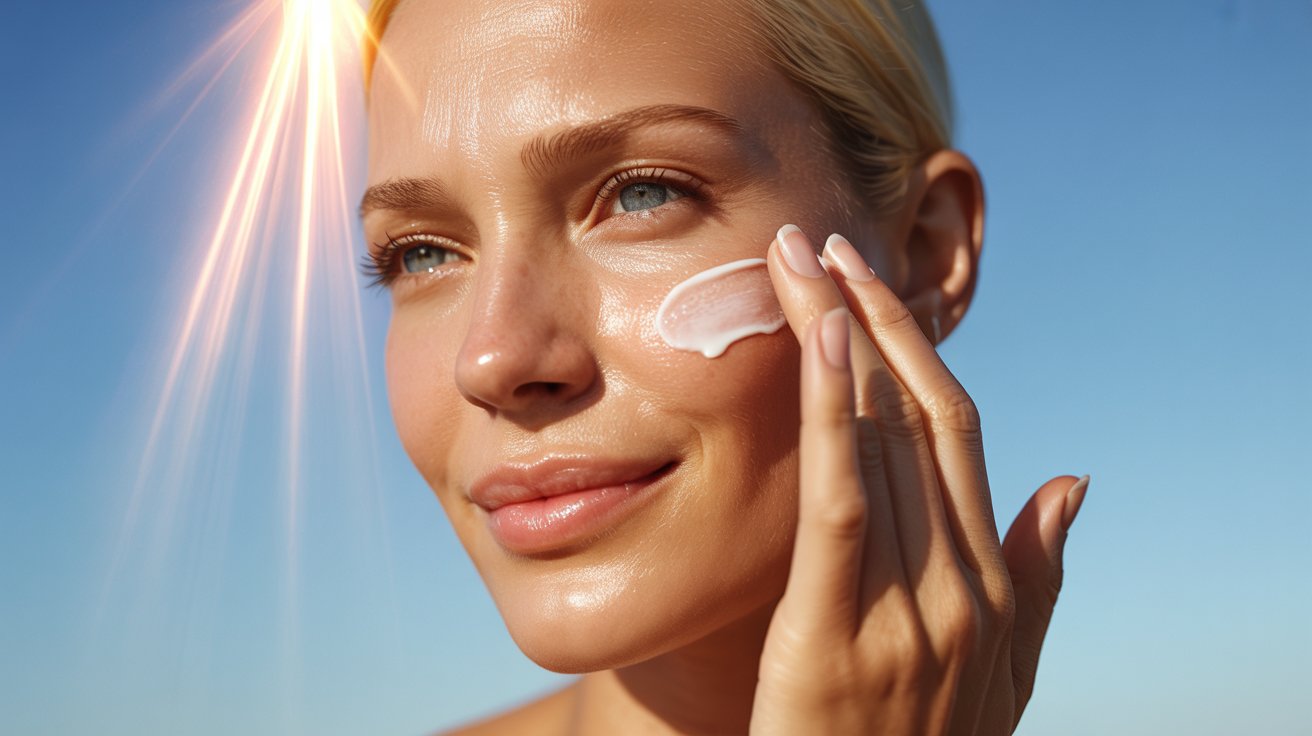
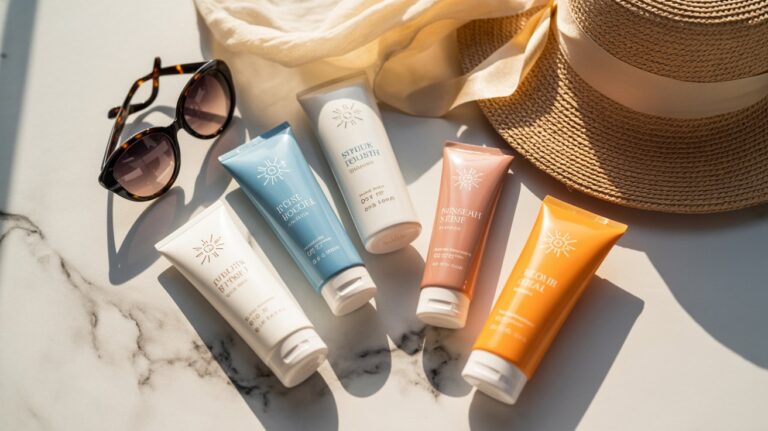
Sunscreen is a skincare product that protects your skin from the sun’s harmful rays. It is one of the simplest ways to keep your skin healthy for the long term.
How Sunscreen Protects Your Skin
Sunscreen works by blocking or absorbing harmful UV rays from the sun. There are two types of rays to know about. UVA rays go deep into the skin and speed up aging.
UVB rays sit on the surface and cause sunburn. Sunscreen creates a shield between your skin and both. This helps prevent sunburn, dark spots, and long-term skin damage.
Key Benefits of Sunscreen
- Slows down early signs of aging like fine lines and uneven skin tone
- Prevents dark spots and pigmentation caused by sun exposure
- Protects the skin from long-term UV damage
- Keeps your skin barrier strong and healthy
- Reduces dryness and irritation over time
Should I Put Sunscreen on at Night? (Quick Answer)
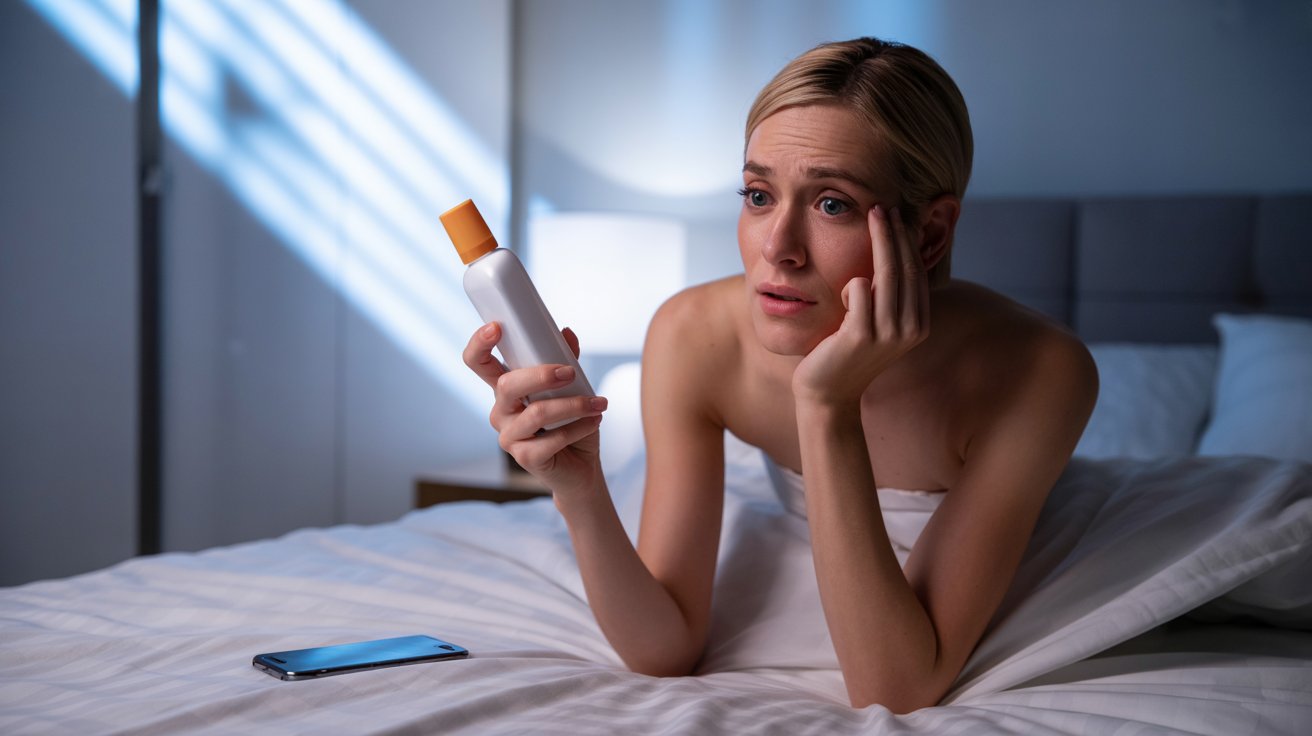
The short answer is no. Dermatologists are clear on this. There is no UV radiation at night, so sunscreen has nothing to protect you from. It is made for daytime use when your skin is actually exposed to the sun.
Some people wonder about blue light from screens causing skin damage at night. While blue light is worth knowing about, the research is still limited. Sunscreen is not the right fix for that concern.
Is There Any Benefit to Wearing Sunscreen at Night?
In most cases, no. But there are a few rare situations worth mentioning.
Protection from Artificial Light (Rare Cases)
If you work around UV lamps or use tanning beds, sunscreen can offer some protection. This is not a common scenario for most people, but it is the one case where nighttime use makes some sense.
Moisturizing Ingredients in Some Sunscreens
Some sunscreens contain hydrating ingredients like glycerin or hyaluronic acid. These can add a bit of moisture to your skin. That said, a regular moisturizer or night cream will do a much better job of this.
Antioxidant Support
Certain sunscreen formulas include antioxidants like vitamin C or niacinamide. These ingredients are good for the skin. But again, using a dedicated serum or night treatment is a smarter way to get those benefits.
Why You Should NOT Apply Sunscreen at Night
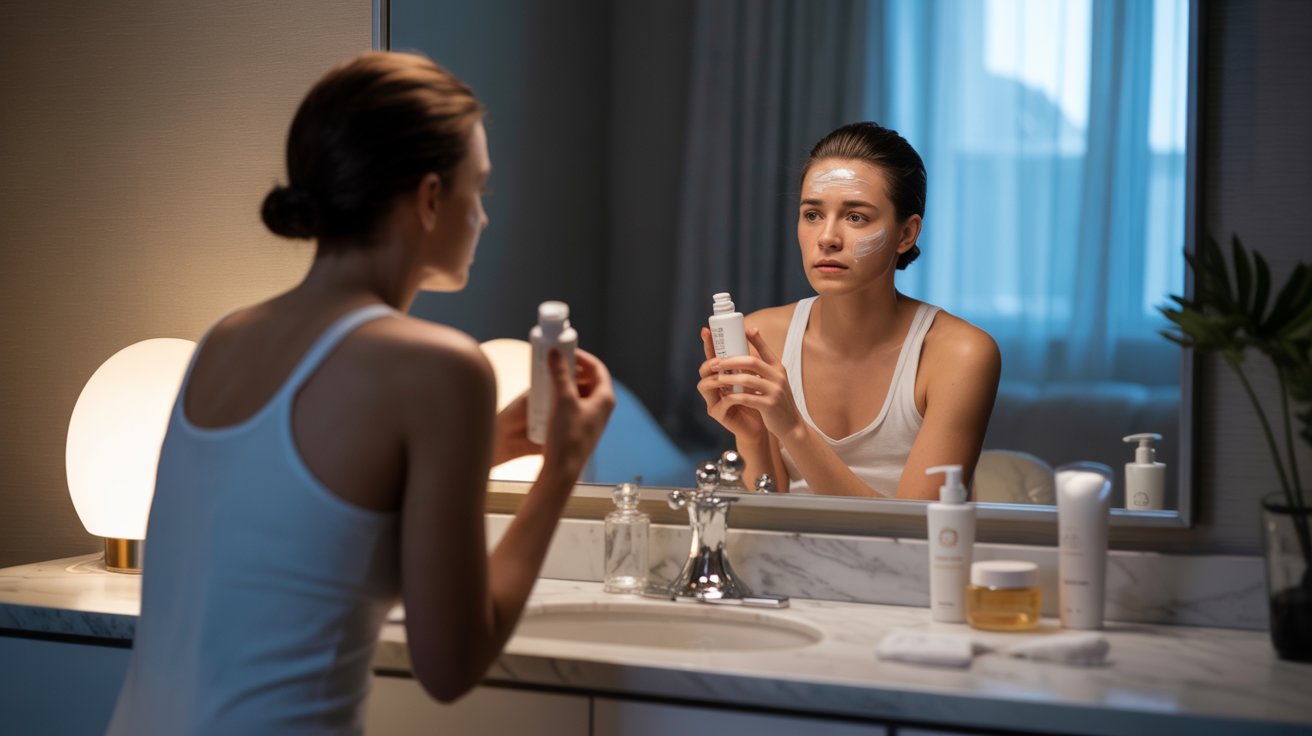
- No Sun = No Protection Needed: Sunscreen has one main job. It protects your skin from UV rays. At night, the sun is gone and there are no UV rays to block. So the core purpose of sunscreen simply does not apply after dark.
- Can Clog Pores and Cause Breakouts: Many sunscreens have heavy SPF filters that sit on top of the skin. At night, this can trap oil, dirt, and sweat in your pores. Over time, this leads to breakouts and congested skin.
- Interferes with Skin Repair Process: Your skin does most of its repairing while you sleep. Thick or occlusive products can slow that process down. Your skin needs to breathe at night to renew itself properly.
- Blocks Absorption of Night Skincare: Serums, retinols, and night creams need direct contact with your skin to work. Applying sunscreen before these products creates a barrier. This stops your treatments from absorbing the way they should.
- Wastes Product Without Real Benefit: Good sunscreen costs money. Using it at night gives you nothing in return. Save it for the morning when it actually does its job.
What Happens If You Sleep with Sunscreen On?
Sleeping with sunscreen on is not a good idea. SPF formulas are thick and can block your pores overnight, leading to breakouts and congested skin.
Chemical sunscreens can also cause irritation or sensitivity, especially if you have reactive skin. On top of that, your nighttime products simply cannot do their job.
Retinols, serums, and moisturizers need direct contact with your skin to work. A layer of sunscreen sitting on top gets in the way of all of that.
Ideal Nighttime Skincare Routine
\
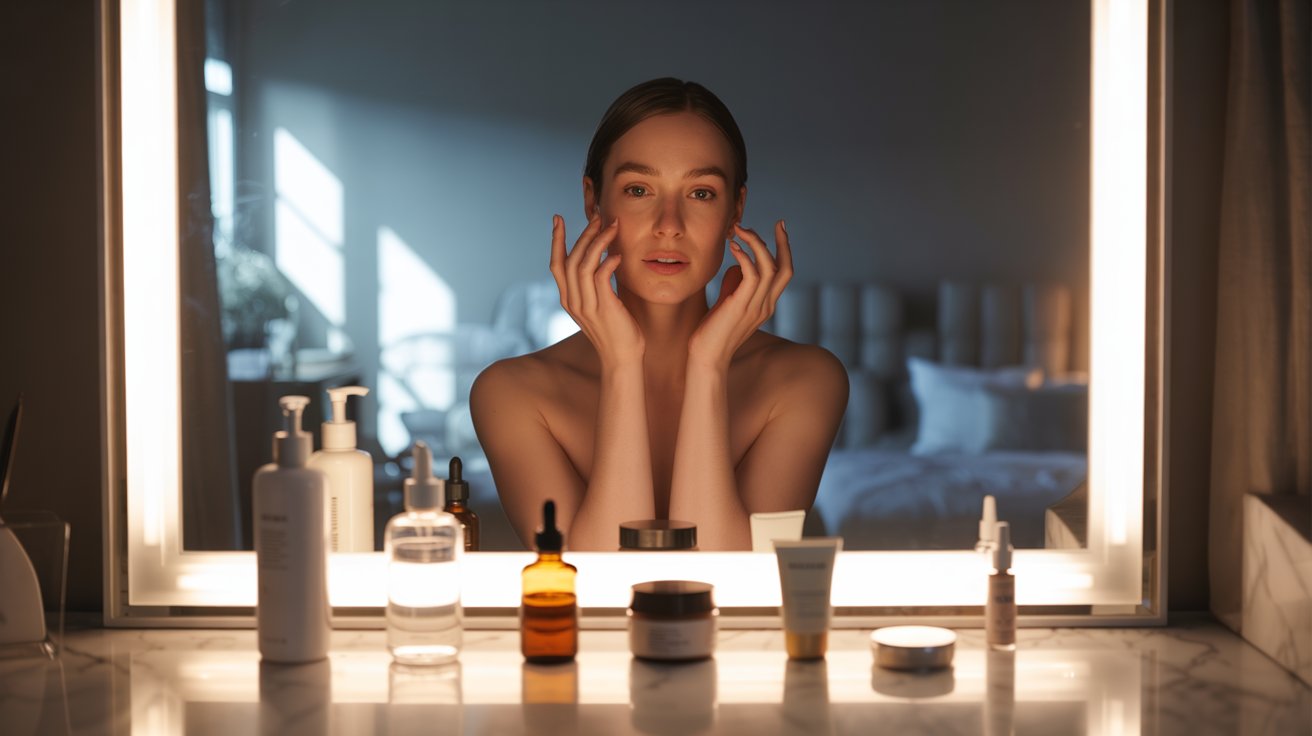
Skipping sunscreen at night does not mean skipping skincare. Here is a simple routine that actually works while you sleep.
Step 1: Cleanser
Start by washing your face with a gentle cleanser. This removes dirt, oil, and any sunscreen left over from the day.
If you wear heavy makeup, consider double cleansing with an oil-based cleanser first. Clean skin is the base for everything else in your routine.
Step 2: Toner
Apply a toner right after cleansing. It helps balance your skin’s pH and preps it to absorb the next steps better.
Look for alcohol-free formulas with soothing ingredients like rose water or witch hazel. A few swipes with a cotton pad or a light pat-in works well.
Step 3: Serum
This is where you target specific skin concerns. Use a vitamin C serum for brightness, a retinol for aging, or a niacinamide serum for pores and uneven tone.
Apply it while your skin is still slightly damp for better absorption. Less is more with serums.
Step 4: Moisturizer
Seal everything in with a good moisturizer. Night creams tend to be richer than day creams and work harder while you sleep.
They help keep your skin soft, plump, and hydrated by morning. Pick one that suits your skin type.
Step 5: Eye Cream
The skin around your eyes is thin and needs extra care. Dab a small amount of eye cream using your ring finger and tap it in gently.
Do not rub. This helps with puffiness, dark circles, and fine lines over time.
Conclusion
Sunscreen is one of the best things you can do for your skin. But it belongs in your morning routine, not your nighttime one.
At night, your skin needs products that repair and hydrate, not block UV rays that are not even there.
Keep your routine simple. Cleanse, treat, and moisturize. That is what actually works while you sleep.
Got questions about your skincare routine? Drop them in the comments below. We would love to help.
Frequently Asked Questions
Should I apply sunscreen before bed?
No, there is no need to apply sunscreen at night. There are no UV rays after dark, so sunscreen has nothing to protect you from.
Does sunscreen affect my nighttime skincare routine?
Yes, it can. Sunscreen creates a layer on your skin that blocks serums and treatments from absorbing properly, making your nighttime products less effective.
Can sunscreen clog pores if worn at night?
It can. Heavy SPF formulas trap oil and dirt in your pores overnight. This can lead to breakouts and congested skin over time.
What should I use instead of sunscreen at night?
Swap sunscreen for a good night cream or moisturizer. Add a serum that targets your skin concerns, like retinol for aging or niacinamide for uneven tone.
Is blue light at night a reason to wear sunscreen?
The research on blue light and skin damage is still limited. Sunscreen is not the right product for that concern. An antioxidant serum works better for screen exposure.