Best UV for Tanning: How to Get a Safe Tan


Want a golden tan without wrecking your skin? You are in the right place.
This article breaks down the best UV index for tanning, how sun exposure actually works, and how to protect your skin while doing it.
I have pulled together real, practical tips so you know exactly what to do before stepping outside.
Years of sun care research back every tip here.
We will cover UV levels, skin types, safe tanning times, common mistakes, and even alternatives to sun tanning.
Let's get into it.
What is the UV Index and How It Works
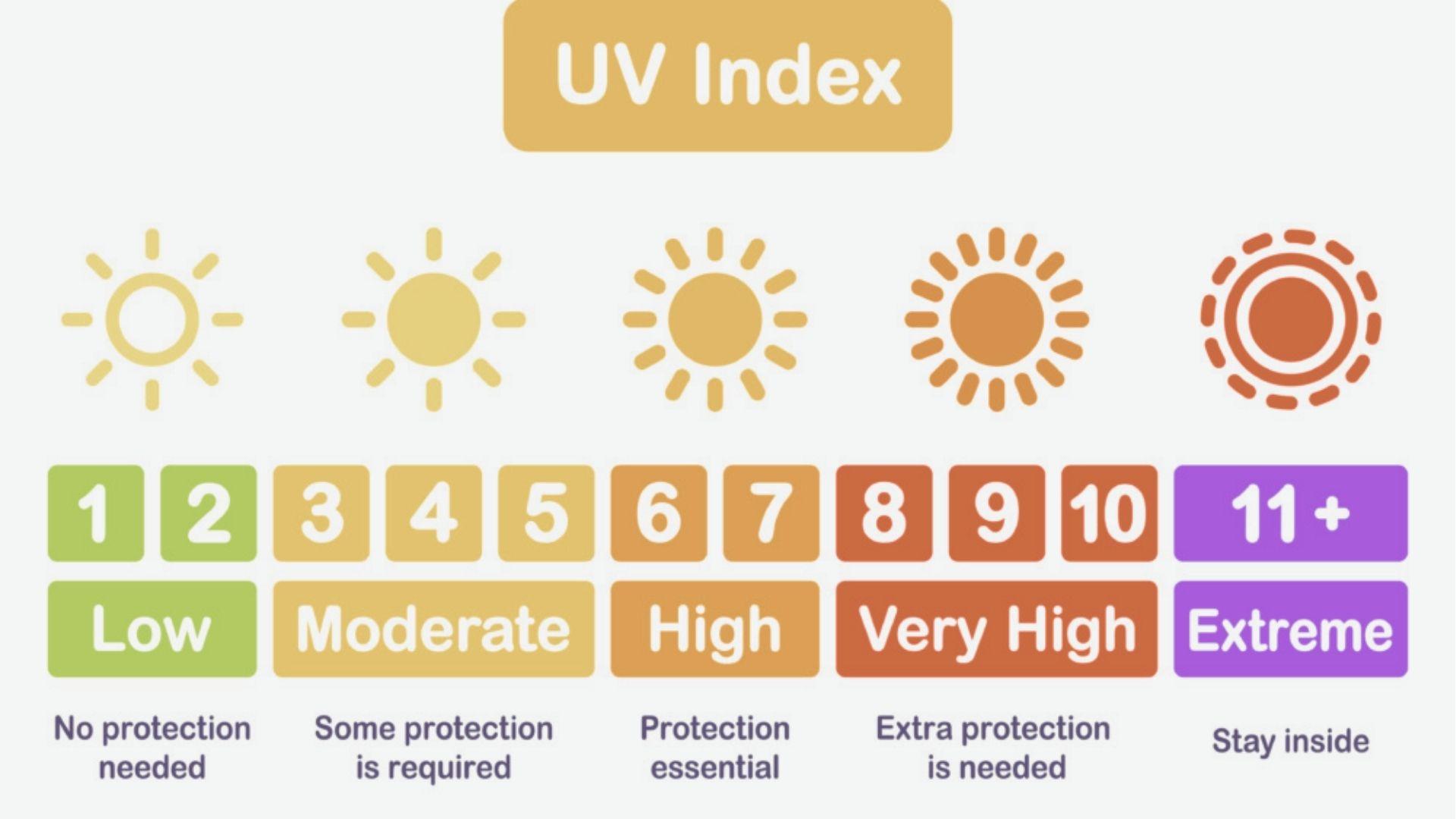
The UV index tells you how strong the sun's ultraviolet radiation is on any given day. It runs from 0 to 11+. The higher the number, the faster your skin reacts.
0–2 is low risk. 3–5 is moderate. 6–7 is high. 8–10 is very high. 11+ is extreme and you should stay indoors if possible.
UV levels peak between 10 AM and 4 PM and are strongest in summer. But clear winter days at high altitudes can still be intense.
Several factors affect UV strength: altitude, latitude, season, cloud cover, and surface reflection. Sand, water, and snow all bounce UV rays back at your skin. Clouds are not a shield either. Up to 80% of UV passes right through them.
Always check your local UV index before heading outside.
Best UV for Tanning: Ideal UV Index Range

Not every UV level is good for tanning. Picking the right range means you can build color without burning.
UV 3–5: Safest Range for Gradual Tanning
A UV index of 3 to 5 is the sweet spot for safe tanning. Your skin gets enough UV exposure to produce melanin and darken slowly. The burn risk is low if you use sunscreen and limit your time outside.
This range works best for:
- Beginners who have not tanned before
- Fair-skinned people
- Anyone recovering from a sunburn
Tanning at UV 3–5 takes longer, but your skin thanks you for it.
UV 6–7: Faster Tanning but Higher Risk
At UV 6 to 7, tanning happens faster. But so does burning. You need to be more careful here.
Tips for tanning at UV 6–7:
- Apply SPF 30 or higher before going out
- Limit sessions to 20–30 minutes
- Reapply sunscreen every 90 minutes
- Wear a hat and sunglasses
This range is okay for people with medium to darker skin tones who already have some base tan.
UV 8+: Why It Is Unsafe for Tanning
A UV index of 8 or above is not safe for tanning. At this level, UV radiation is strong enough to cause sunburn in less than 20 minutes without protection.
The risk of long-term skin damage goes up significantly. This includes early aging, dark spots, and increased skin cancer risk.
Avoid tanning at UV 8+. If you are outdoors, cover up and stay in the shade.
How the Skin Tans Under UV Exposure

Tanning is not just about getting color. It is your skin reacting to protect itself from UV damage.
Role of UVA Rays in Skin Darkening
UVA rays make up about 95% of UV radiation that reaches Earth. They go deep into the skin layers and cause the melanin already in your skin to oxidize. This creates an immediate darkening effect, often called an immediate pigment darkening.
UVA rays are present all year, even on cloudy days. They pass through glass too. This is why you can tan sitting near a sunny window.
Role of UVB Rays in Melanin Production
UVB rays are shorter and do not go as deep, but they trigger your skin to produce new melanin. This is what gives you a lasting tan.
UVB also stimulates vitamin D production in the skin. But too much UVB exposure is what causes sunburn.
The tan you build from UVB takes a day or two to show. That is why you often look more tan the day after sun exposure.
Why Tanning Is Actually a Skin Defense Response
Here is something most people do not realize:a tan is your skin's way of protecting itself.
When UV rays hit your skin, they damage DNA in skin cells. In response, your body ramps up melanin production. Melanin absorbs UV radiation and acts as a shield.
So the darker your skin gets, the more it is trying to protect itself. This is why dermatologists say there is no such thing as a completely "safe" tan. But you can absolutely minimize risk with the right approach.
Safe Sun Exposure Guidelines for Tanning
Getting a tan safely comes down to knowing how long to stay out and when to go outside.
Recommended Sun Exposure Time Based on UV Level
Here is a general guide by UV index and skin type:
| UV Index | Fair Skin | Medium Skin | Dark Skin |
| 3–4 | 20–30 min | 30–40 min | 40–60 min |
| 5–6 | 15–20 min | 20–30 min | 30–45 min |
| 7–8 | 10–15 min | 15–20 min | 20–30 min |
These times apply with SPF 30 sunscreen. Without sunscreen, cut these times in half.
Best Time of Day to Tan Safely (Morning vs Midday)
The best time to tan safely is before 10 AM or after 4 PM. UV levels are lower during these hours, which means you get color without the harsh peak-hour radiation.
Morning tanning, around 8 to 10 AM, is especially good. The air is cooler, your skin is rested, and UV levels are in the moderate range.
Midday sun from 10 AM to 4 PM hits hardest. If you must be out then, cover up and limit skin exposure.
Importance of Gradual Tanning Sessions
Trying to get a deep tan in one session is a bad idea. Gradual tanning over several short sessions is much safer. It gives your skin time to build melanin naturally without overloading it with UV damage.
Start with 15 to 20 minute sessions every other day. Slowly add 5 minutes as your skin adjusts. This approach reduces burn risk and leads to a more even, longer-lasting tan.
Tips to Get a Safe Tan Without Skin Damage
Protecting your skin while tanning does not have to be hard. A few simple habits go a long way.
- Apply SPF 30 or higher before going outside. Put it on 15 to 20 minutes before sun exposure and cover all exposed skin, including ears, neck, and feet.
- Reapply sunscreen every 90 minutes without skipping. If you sweat or swim, reapply sooner. One application does not last the whole day.
- Wear a wide-brimmed hat and UV-protective sunglasses. These protect your face, neck, and the delicate skin around your eyes from direct UV exposure.
- Choose lightweight, long-sleeved UV-protective shirts for long outdoor sessions. You do not have to cover everything. Just protect the most sensitive areas while letting safer spots like your legs get some sun.
- Stay out of direct sun between 10 AM and 4 PM when possible. UV intensity peaks during these hours. Early morning or late afternoon are much safer windows for tanning.
Skin Type and Its Impact on Tanning

Your skin type decides how fast you tan, how quickly you burn, and how much sun is safe for you.
Fair Skin vs Medium Skin vs Dark Skin Response
Knowing your skin type helps you set realistic expectations and avoid unnecessary damage.
- Fair skin (Type I–II): Burns fast. Low natural UV protection. Tans slowly and needs extra care.
- Medium skin (Type III–IV): Burns occasionally. Tans more easily due to higher melanin levels.
- Dark skin (Type V–VI): Rarely burns. Tans deeply. More built-in protection from melanin.
No skin type is fully safe from UV damage. Even dark skin can burn with enough exposure.
How Skin Type Affects Burning Risk and Tanning Time
Fair skin can burn in 10 to 15 minutes at UV 6 without sunscreen. Medium skin may last 20 to 30 minutes. Dark skin can often handle 30 to 40 minutes before risk goes up.
Tanning speed also differs. Fair skin takes weeks to build visible color. Dark skin may show change within a few sessions.
Adjusting UV Exposure Based on Skin Sensitivity
Start with short sessions and adjust based on how your skin reacts. If it felt hot or red last time, go shorter. If it is fine, add 5 minutes slowly.
Stop tanning right away if you notice:
- Warm or tight skin
- Redness
- Itching or stinging
Your skin gives clear signals. Pay attention to them.
Common Mistakes While Tanning
Even small habits can lead to serious skin damage. Here are the most common tanning mistakes to avoid.
- Skipping sunscreen entirely: Many people think sunscreen stops tanning, but it only stops burning. Going without it speeds up skin damage and raises your cancer risk fast.
- Staying out too long at high UV levels: Two or three hours in UV 8+ sun is too much, even with protection. UV damage builds up quietly and leads to faster skin aging over time.
- Ignoring the UV index on cloudy days: Clouds do not block UV rays. Up to 80% still gets through, which is why overcast beach days cause some of the worst burns.
- Not reapplying sunscreen during long sessions: Putting on SPF once and forgetting it is a very common error. Sunscreen wears off within 90 minutes, especially if you sweat or swim.
- Tanning too long in one session to speed up results: More sun time does not mean a better tan. It usually just means more damage, redness, and peeling that sets your progress back.
Risks of Unsafe Tanning
Skipping protection may feel harmless now, but UV damage builds up quietly over time.
Sunburn and Premature Aging

Each burn damages your skin cells. Repeated burns break down collagen, leading to wrinkles, sagging, and rough texture. You may not see it yet, but the damage is already adding up.
Hyperpigmentation and Uneven Skin Tone

Too much UV exposure triggers irregular melanin production. This causes dark spots, sun spots, and melasma. These patches are hard to treat and get worse with more sun. Consistent SPF use is your best defense.
Long-Term Risk of Skin Cancer
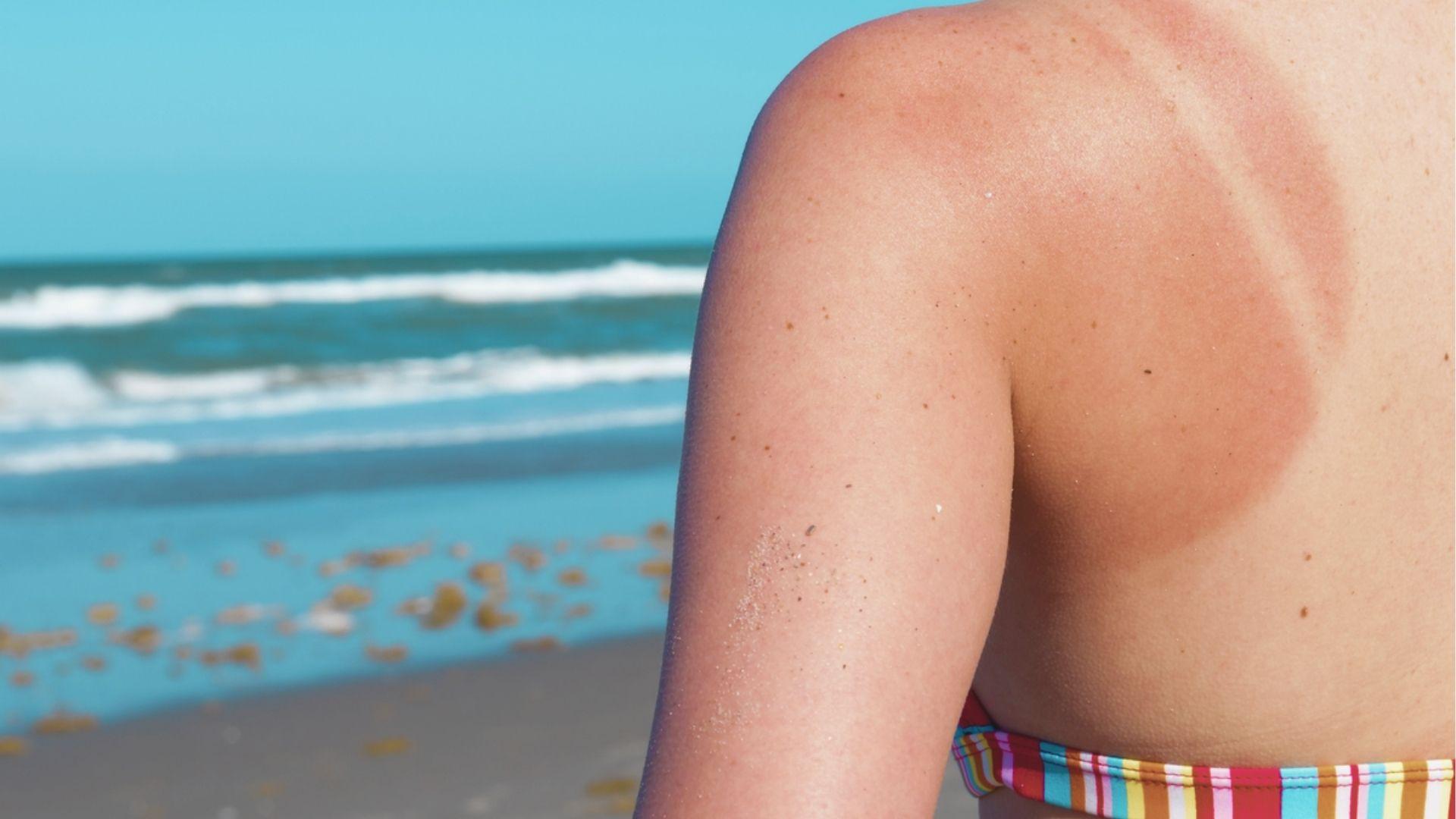
UV radiation is the leading cause of skin cancer, including melanoma. Rates are rising globally. Multiple burns, especially early in life, raise your lifetime risk. Daily sunscreen and regular skin checks go a long way.
Safe Alternatives to UV Tanning
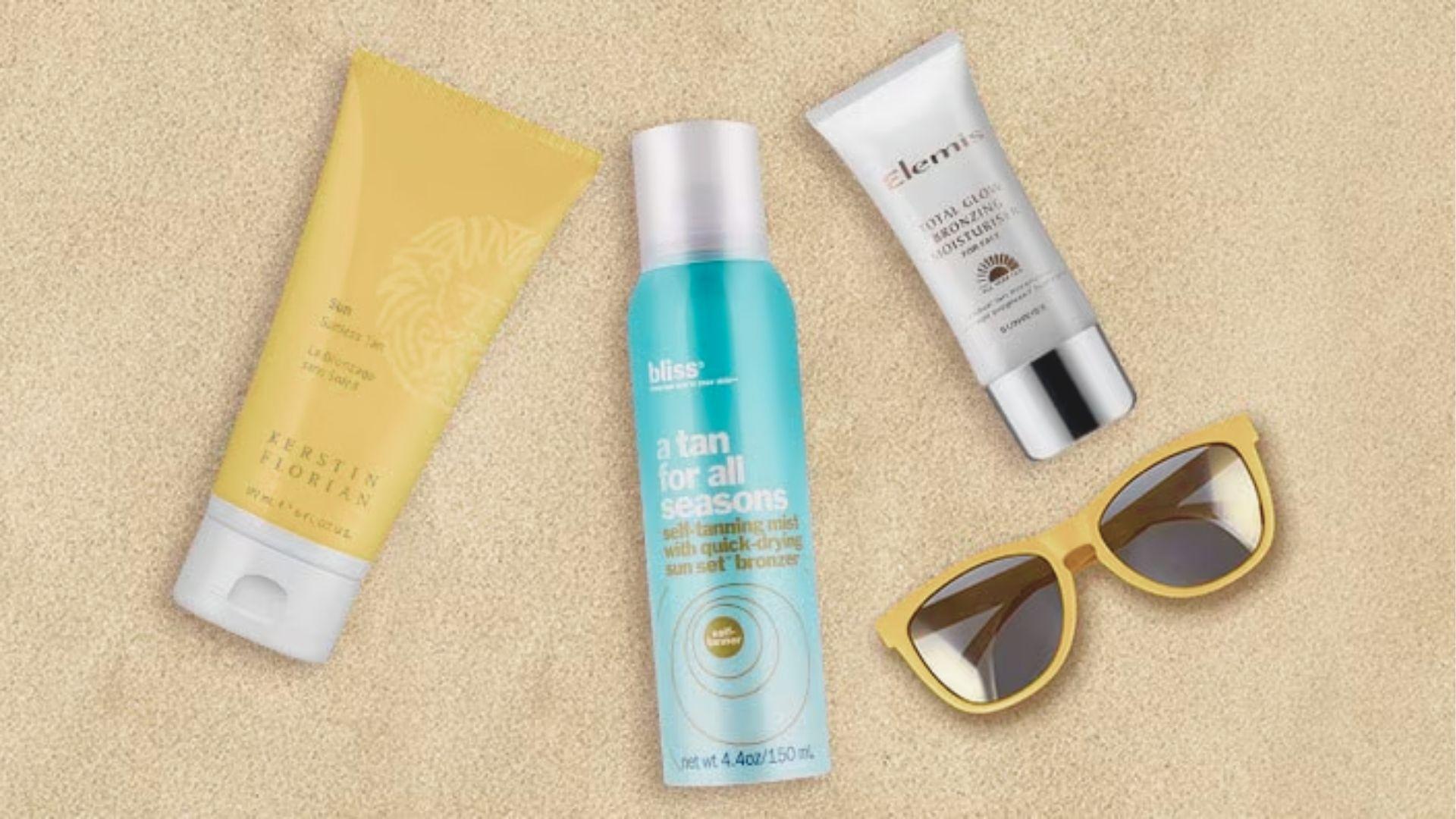
Alt Text:
You do not need the sun for a healthy-looking glow.
Self-Tanning Lotions and Sprays
Self-tanners use DHA, which reacts with your skin's top layer to create color. No UV needed. Results last 5 to 7 days. For best results, exfoliate first, use a mitt, and blend well around knees and elbows.
Spray Tanning for Instant Glow
A professional spray tan gives even, natural-looking color within hours and lasts up to 10 days. It is a solid option before events. Remember, spray tans offer zero UV protection, so sunscreen is still needed outdoors.
Gradual Tanning Products with Skincare Benefits
Gradual tanners are daily moisturizers with a small amount of DHA. Color builds slowly over a few days. Many include hydrating ingredients like hyaluronic acid and vitamin E. They are a gentle, low-risk way to keep a glow year-round.
Conclusion
Tanning does not have to mean burnt skin or long-term damage. Once you understand how UV levels work, it gets much easier to make smart choices outside.
Personally, I started checking the UV index every morning before outdoor plans, and it made a real difference. Less redness, better color, and no regret.
Start small, use your SPF, and be patient with your skin. Got a tanning tip that worked for you? Drop it in the comments. And if this helped, share it with someone who loves the sun.
Frequently Asked Questions
What is the best UV index for tanning safely?
A UV index of 3 to 5 is the safest range for tanning. It allows gradual color development with lower burn risk when you apply sunscreen and limit your session time.
Can you tan with SPF 30 sunscreen on?
Yes, you can still tan with SPF 30. Sunscreen reduces UV intensity but does not block it completely. You will tan more slowly, but your skin will be much better protected.
How long should I stay in the sun to get a tan?
This depends on your skin type and the UV index. In general, 15 to 30 minutes per session at UV 3–5 with sunscreen is a safe starting point for most skin types.
Is it possible to tan on a cloudy day?
Yes. Up to 80% of UV rays pass through cloud cover. Always check the UV index and apply sunscreen before going outdoors, even when the sky looks overcast.
Are self-tanners safe compared to sun tanning?
Self-tanners are generally considered safer than UV tanning because they do not expose your skin to radiation. The active ingredient DHA is approved for cosmetic use and does not cause the same long-term skin damage as UV exposure.