Droopy Eyelids: At What Point Does It Stop Being a Makeup Problem

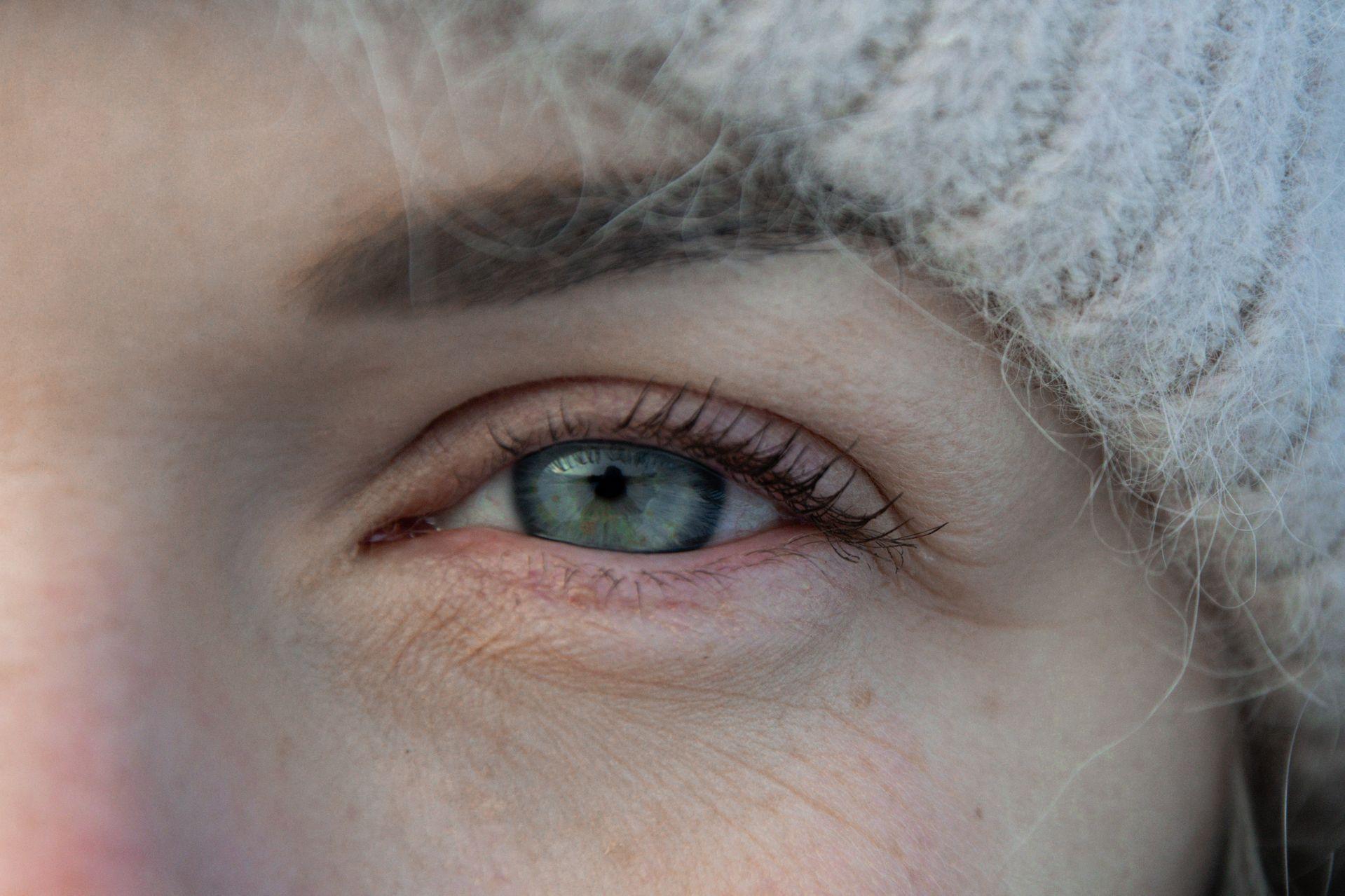
A makeup look that worked perfectly a few years ago can suddenly seem less effective. Eyeliner may transfer more easily, and the eye area may appear smaller despite using the same techniques. For many people, droopy eyelids develop gradually, making it difficult to tell whether the issue is simply cosmetic or a sign of bigger structural changes.
Makeup can often create a more lifted appearance, but there comes a point when changes in the eyelids affect more than aesthetics. Understanding that difference can help people choose the right solution.
When Do Eyelids Begin To Change?
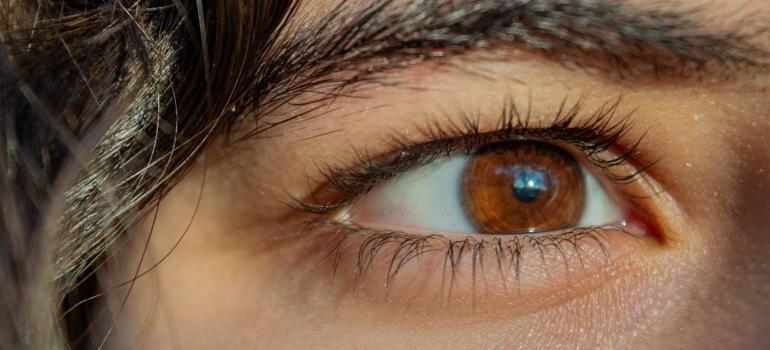
Eyelid changes often begin earlier than most people expect. Reduced collagen production, skin laxity, muscle weakening, and shifts in facial fat can all affect the appearance of the upper eye area.
Some people notice these changes in their thirties, while others maintain firmer eyelids much longer. Genetics, sun exposure, smoking, and lifestyle habits all influence how quickly the area changes.
Common early signs include:
- Increased skin folding above the lash line
- Makeup collecting in creases
- Less visible eyelid space
- Difficulty applying eyeliner
- A heavier appearance around the eyes
Many people initially assume these concerns are simply part of having hooded eyelids, but age-related changes can create a noticeably different appearance over time.
When Does The Issue Become More Than Cosmetic?
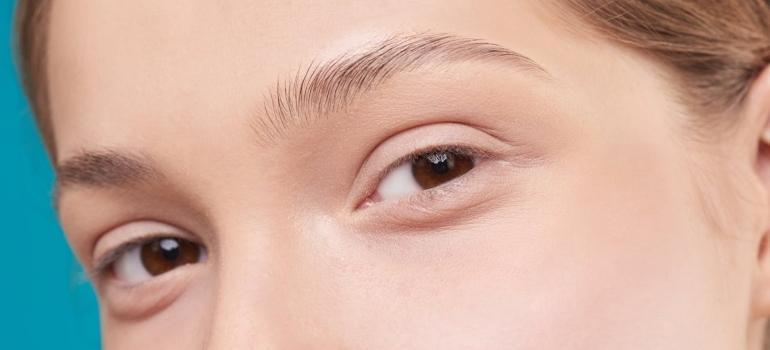
The issue becomes more significant when eyelid changes begin affecting comfort, vision, or daily activities. At that stage, makeup may no longer provide the desired improvement.
A person may spend more time trying to conceal heaviness while achieving increasingly limited results. Skin may also rest closer to the eyelashes, creating irritation or discomfort. For people exploring options beyond cosmetics, an eyelid rejuvenation treatment may become part of the conversation when makeup techniques no longer provide the desired level of improvement.
Several signs may indicate that the concern extends beyond appearance:
- Reduced upper visual field
- Persistent eye fatigue
- Frequent eyebrow raising
- Forehead tension
- Difficulty keeping the eyes fully open
These symptoms often develop gradually, making them easy to overlook.
What Role Does Skin Aging Play?
Skin aging is one of the most common contributors to eyelid changes. As collagen and elastin decline, the skin loses some of its ability to remain firm and resilient.
The same processes that create fine lines and wrinkles around the eyes can also contribute to excess skin on the upper eyelids. Because the skin in this area is particularly thin, even small changes can become noticeable.
Environmental factors can accelerate these effects. Sun exposure, inadequate sleep, chronic stress, and smoking often increase visible signs of aging around the eyes.
When Can Makeup Correct The Appearance?
In many cases, makeup remains an effective solution during the early stages. Strategic application techniques can create definition and improve balance around the eyes.
Professional makeup artists often recommend adjusting techniques rather than using more product. Small changes frequently produce better results than heavier makeup application. Many tutorials designed to make your eyes look bigger with makeup focus on creating the appearance of additional lid space without altering the underlying anatomy.
Techniques may include:
- Applying darker shades above the natural crease
- Keeping eyeliner thinner near the inner corner
- Focusing mascara on the upper outer lashes
- Highlighting the brow bone carefully
- Choosing matte shadows over shimmer
Can Lifestyle Habits Affect Eyelid Appearance?
Yes, lifestyle habits can influence how quickly changes around the eyes become noticeable. While genetics play a significant role, daily choices often affect skin quality and elasticity.
Poor sleep, smoking, excessive sun exposure, and chronic stress can accelerate visible aging around the eyes. Dehydration may also make the skin appear thinner and less resilient. Over time, these factors can contribute to a heavier appearance in the upper eyelid area.
People concerned about droopy eyelids may benefit from evaluating habits that impact overall skin health. Although lifestyle changes cannot completely reverse structural aging, they may help slow progression and support the results of cosmetic or medical treatments.
Helpful habits include:
- Wearing sunscreen daily
- Getting adequate sleep
- Staying hydrated
- Avoiding tobacco products
- Following a consistent skincare routine
Can Non-Surgical Options Help?

Non-surgical treatments may help certain individuals depending on the severity of the concern. These approaches generally focus on improving skin quality, tightening tissue, or stimulating collagen production.
Available options may include radiofrequency treatments, laser procedures, ultrasound-based therapies, and injectable treatments. The goal is usually to improve skin firmness and create a more refreshed appearance without surgery.
Results vary depending on skin quality, anatomy, and treatment selection. Some people achieve meaningful improvement, while others require more comprehensive approaches to address significant excess skin or muscle laxity.
How Do You Know When a Professional Evaluation Makes Sense?
Professional evaluation becomes worthwhile when eyelid concerns begin affecting confidence, comfort, or vision. An assessment can determine whether the issue involves excess skin, muscle weakness, fat displacement, or another underlying factor.
A consultation also helps establish realistic expectations. Not every concern requires a medical procedure, and not every concern can be solved with cosmetics alone.
Professionals typically evaluate:
- Skin elasticity
- Eyelid position
- Muscle function
- Visual obstruction
- Overall facial balance
This information helps guide appropriate recommendations and treatment planning.
Knowing When Makeup Is No Longer Enough
Droopy eyelids can affect both appearance and function. Many people initially treat the issue as a makeup challenge, but the underlying causes often extend beyond cosmetics. As structural changes progress, techniques that once worked may become less effective. Understanding the difference between aesthetic concerns and functional limitations can help individuals make informed decisions. When droopy eyelids begin affecting comfort, confidence, or vision, professional guidance may offer solutions that makeup alone cannot provide.