Stress and Its Impact on Skin and Health: Natural Methods for Stress Relief


Stress has become a constant companion in modern life, influencing not only emotions but also physical health. While short-term stress can help the body respond to challenges, long-term tension disrupts hormonal balance, weakens immunity, and accelerates visible aging. The skin often reflects these internal struggles first, showing inflammation, dryness, or breakouts. Understanding how stress affects the body — and how natural methods can help restore balance — is essential for maintaining long-term wellness.
The Effects of Stress on the Skin
- Increased oil production and breakouts
Stress hormones can activate the skin’s oil glands, leading to increased sebum production. This can clog pores and lead to acne flare-ups, even in people who usually have clear skin. - Inflammation and chronic skin conditions
Stress triggers inflammatory responses in the body, which can worsen eczema, psoriasis, rosacea, and other sensitivities. Flare-ups often appear during emotionally demanding periods. - Weakened skin barrier
When stress becomes chronic, the skin loses moisture more easily and becomes more reactive to environmental factors. This leads to dryness, irritation, and redness. - Slower healing and premature aging
Stress reduces collagen production and delays skin repair. Cuts, blemishes, and irritation take longer to heal, while fine lines and dullness become more visible. - Stress-related habits affecting the skin
Lack of sleep, insufficient hydration, and stress-driven eating habits can negatively affect the condition of the skin. These habits reduce nutrient delivery to the skin and disrupt its natural renewal process.
The Impact of Stress on Overall Physical Health
Stress does not only affect appearance; it influences nearly every system in the body. Persistent tension raises blood pressure and heart rate, increasing cardiovascular strain. Muscles remain tight, which can lead to headaches, back pain, and fatigue. Stress also interferes with digestion, often causing bloating, stomach discomfort, or irregular appetite patterns. Over time, the immune system becomes less effective, making the body more vulnerable to infections and slower to recover from illness. These internal effects eventually manifest externally, reinforcing the connection between emotional strain and physical health.
Emotional Stress and Sleep Disturbances
Sleep disruption is one of the most common consequences of stress. Anxiety, racing thoughts, and emotional exhaustion prevent the body from entering deep restorative sleep. Without sufficient rest, the body produces more cortisol, which intensifies stress symptoms the following day. Poor sleep also affects skin appearance, causing puffiness, dark circles, and a lack of natural glow. Since nighttime is when the body repairs tissues and regenerates cells, chronic sleep deprivation slows both physical recovery and skin renewal. Breaking this cycle is essential for restoring overall health.
The Role of Natural Stress Relief Practices
Cannabis
Some people explore plant-based approaches to relaxation, including cannabis-derived compounds. Research suggests that certain plant molecules may help regulate mood, reduce tension, and support rest. Understanding the different types of cannabinoids can help individuals learn how various compounds interact with the body’s endocannabinoid system, which plays a role in stress response, sleep, and inflammation. When used responsibly and where appropriate, these compounds may support relaxation and emotional balance.
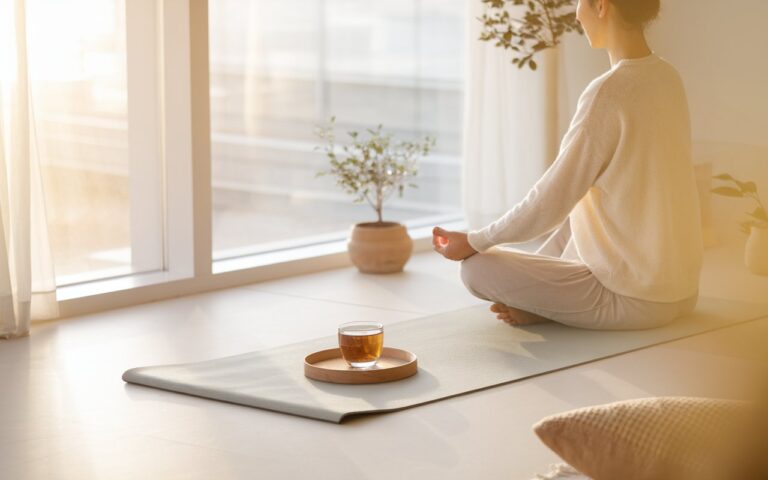
Meditation
Meditation ranks among the most powerful natural methods for alleviating stress. Even a few minutes of focused breathing can calm the nervous system, lower heart rate, and reduce cortisol levels. Regular meditation improves emotional regulation and helps the mind recover more quickly from tension.
Walking
Simple movement, especially walking outdoors, has powerful effects on mental clarity and physical relaxation. Walking improves circulation, delivers oxygen to tissues, and helps release built-up stress hormones. Time in natural surroundings can also lower anxiety and improve mood.
Herbal teas and natural nutrition
Certain herbs such as chamomile, lemon balm, and lavender are known for their calming properties. Drinking warm herbal tea can become a relaxing ritual that signals the body to slow down. Nutrient-rich foods also help stabilize blood sugar and prevent fatigue-driven stress responses.
Warm baths and body relaxation techniques
Warm baths, gentle stretching, or self-massage help release muscle tension and improve blood flow. These practices send calming signals to the nervous system and can be especially helpful before sleep. When practiced regularly, they support both mental calmness and healthier skin circulation.
Mindfulness and Emotional Balance
Natural stress relief is most effective when combined with long-term emotional awareness. Mindfulness encourages people to observe their thoughts without reacting impulsively, reducing the intensity of stress responses. Journaling, gratitude practices, or spending time in nature can help process emotions in a healthy way. When mental equilibrium is achieved, the body tends to respond in kind. Skin becomes less reactive, sleep improves, and energy levels stabilize. Emotional balance does not remove life’s pressures, but it strengthens resilience and helps the body recover faster from challenges.
Conclusion
Stress affects far more than mood — it shapes skin health, physical function, and long-term well-being. From inflammation and breakouts to sleep disruption and weakened immunity, the effects of chronic tension can be widespread. Fortunately, natural approaches such as mindful movement, meditation, herbal support, and calming routines can gradually restore balance. By addressing both the emotional and physical sides of stress, individuals can protect their skin, strengthen their bodies, and build healthier daily habits. True wellness comes not from eliminating stress entirely, but from learning how to manage it in ways that support long-term harmony between mind and body.