
How Should You Dry Your Hands After Washing: Proper Guide

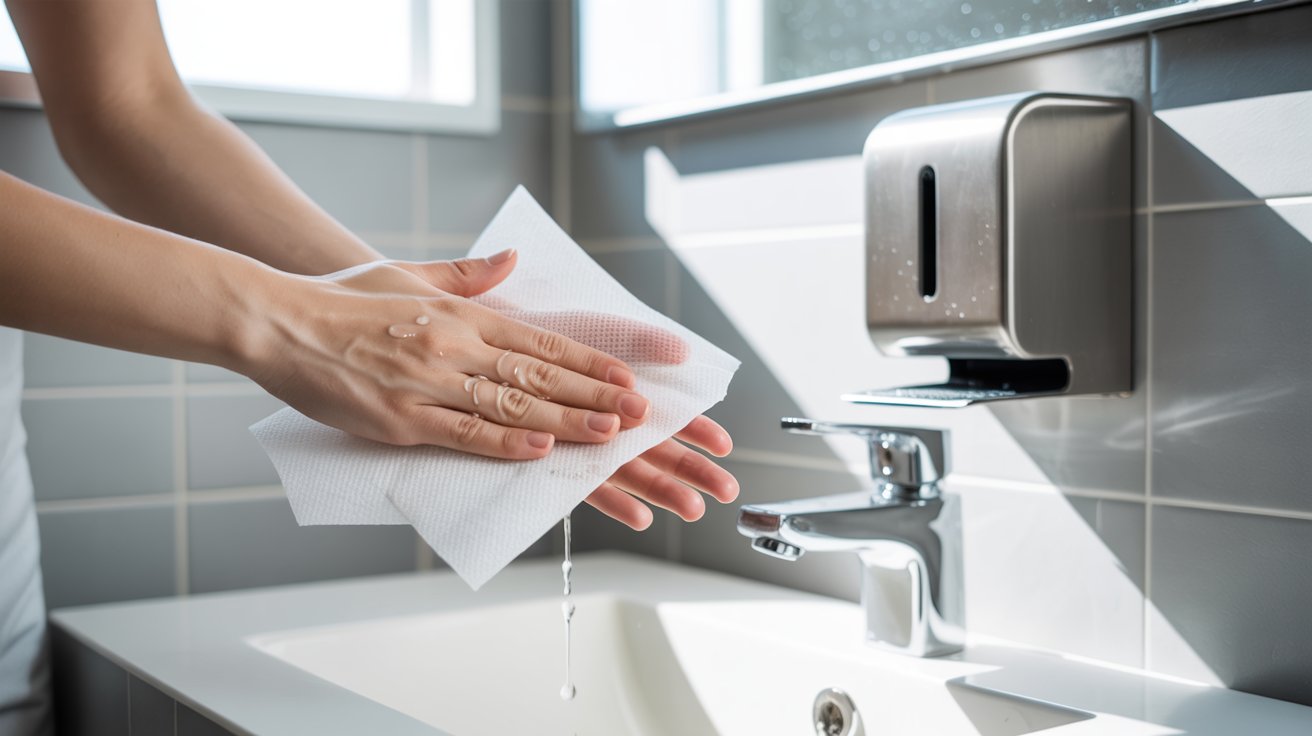
I have spent years working in environments where hand hygiene was non-negotiable, from hospital volunteering to food prep settings, and one thing that always surprised me was how little attention people gave to drying their hands.
Most people focus entirely on the washing part and then rush through the drying, or skip it altogether.
This guide is built on real experience and solid hygiene principles.
Whether you are drying your hands at home, in a public restroom, or during food preparation, the method and the care you put into it matters more than most people think.
Why Drying Hands Properly Is Important
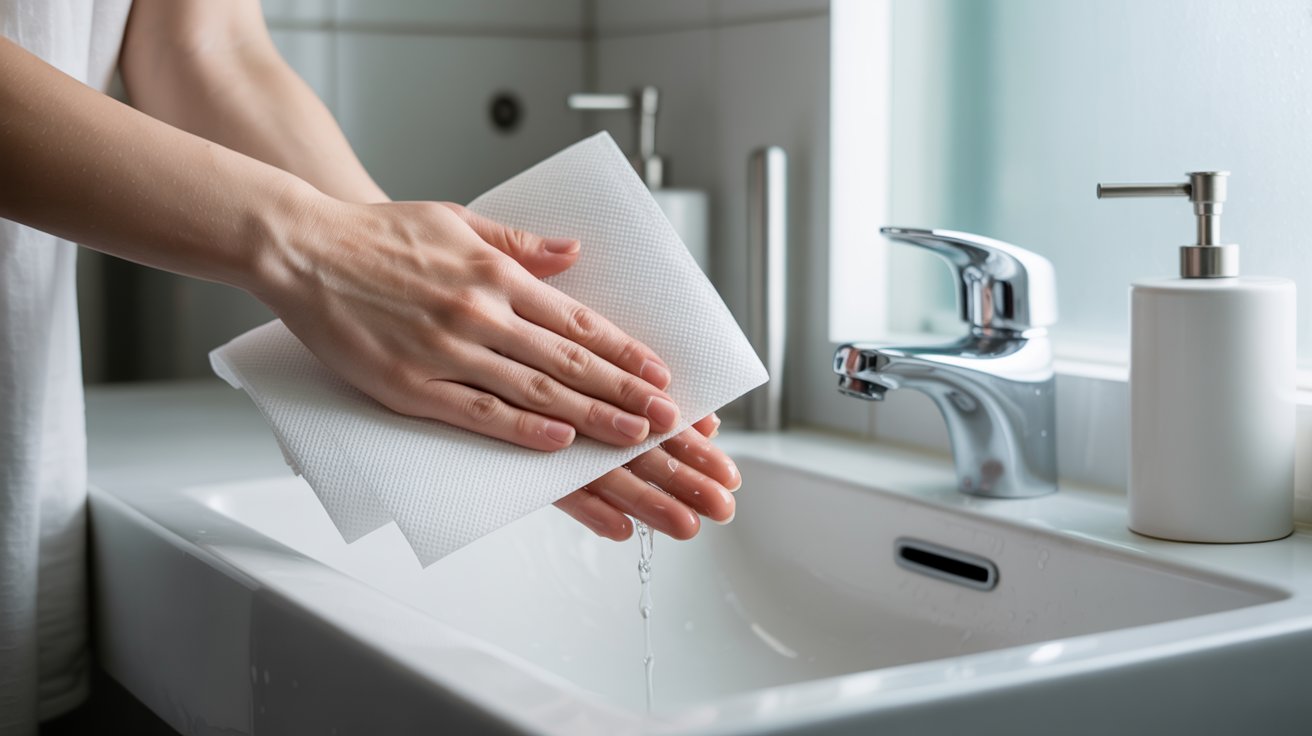
Consistent and complete hand drying is a direct extension of handwashing and completes the hygiene process.
Wet hands transfer bacteria far more readily than dry hands, meaning even freshly washed hands can become a contamination source if not dried properly.
In shared public spaces, this effect multiplies quickly as each damp-handed contact with a surface creates a new transfer point for the next person.
For food handlers specifically, proper hand drying is both a regulatory requirement and one of the most direct ways to protect the people eating what they prepare.
Different Methods to Dry Your Hands After Washing
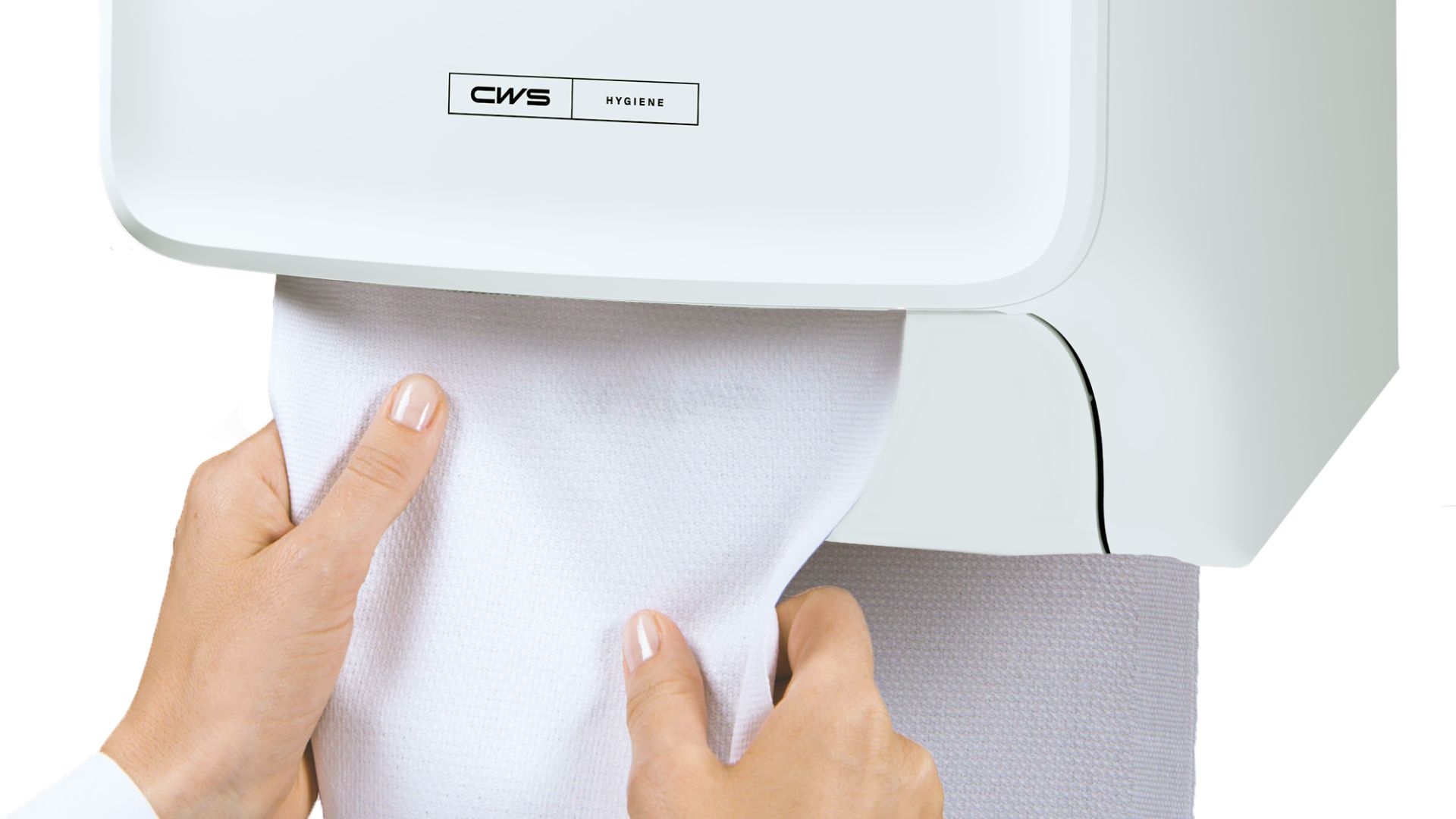
There are several practical options for drying your hands, and each one comes with its own set of benefits and considerations.
Using Paper Towels
Paper towels are widely considered the most hygienic option available in public settings.
Use a patting motion working through each section of the hand. They dry quickly, require no shared machine contact, and the friction helps remove additional bacteria.
Use the same paper towel to handle the tap or door on your way out.
Using Air Dryers (Jet and Warm Air Dryers)
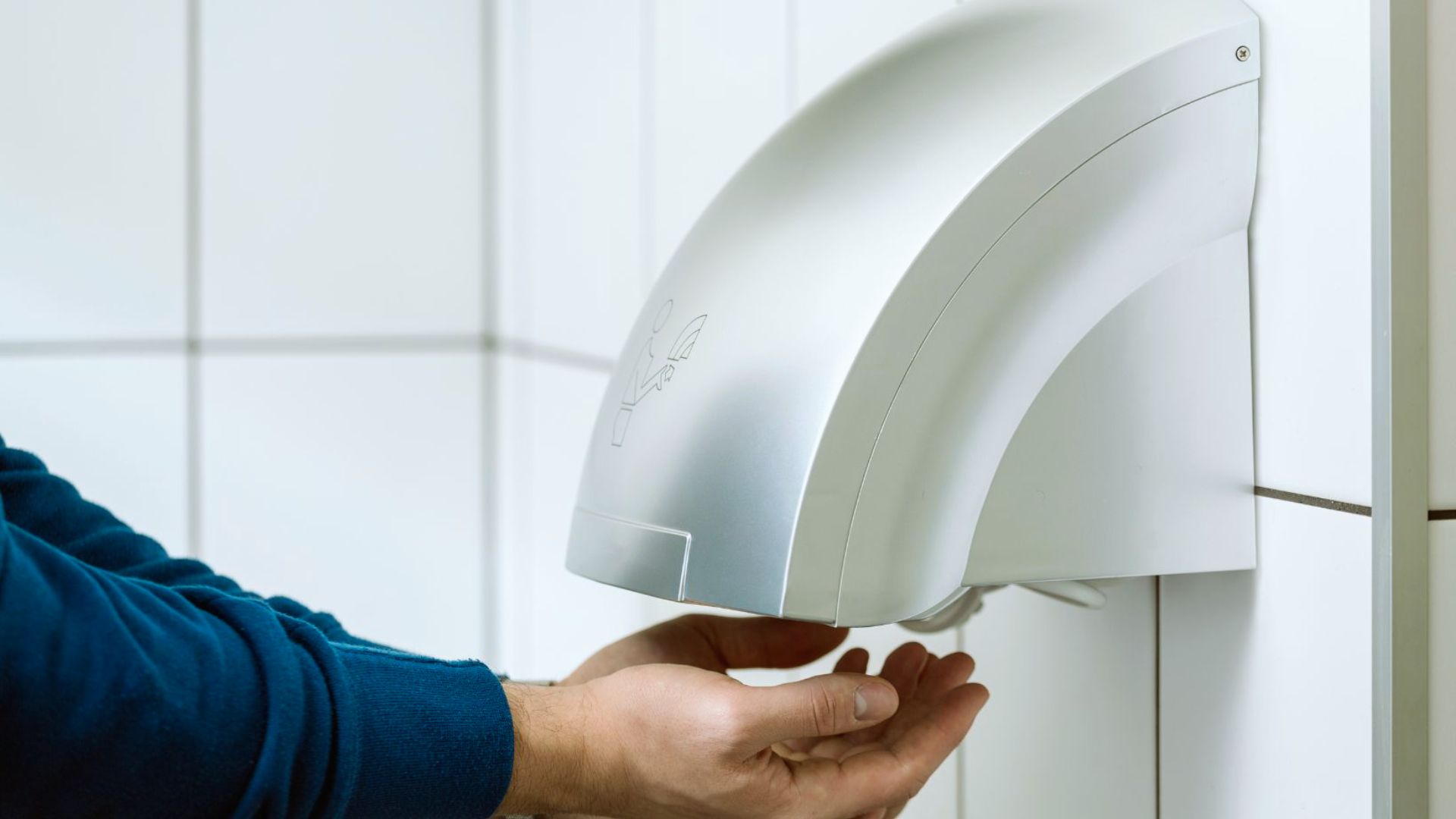
Warm air dryers evaporate moisture while jet dryers push water off the skin more quickly. Move your hands back and forth for full coverage.
In medical or food settings, paper towels remain the better choice.
Cloth or Reusable Towels
A personal cloth towel at home works well but should be washed every one to two days. A shared cloth towel used by multiple people accumulates bacteria quickly and should be avoided in any shared or professional setting.
Air Drying Naturally
Natural air drying is slow, often incomplete, and not suitable for food handling, public, or medical environments where proper drying is a hygiene requirement.
Step-by-Step Guide to Proper Hand Drying
A clear and repeatable routine makes proper hand drying easy to follow every time.
Step 1: Shake Off Excess Water Safely
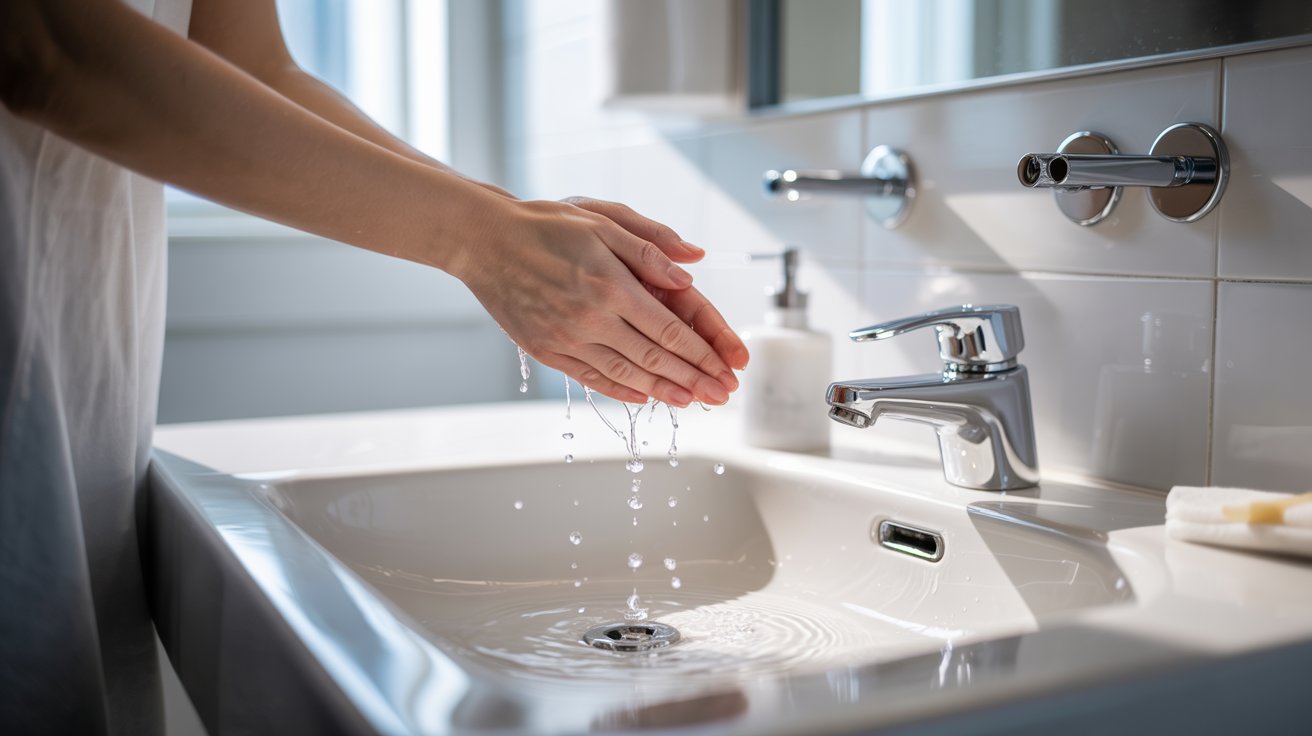
Shake your hands two or three times over the sink after turning off the tap. This removes surface water and makes the drying process faster.
Step 2: Use a Clean and Hygienic Drying Method
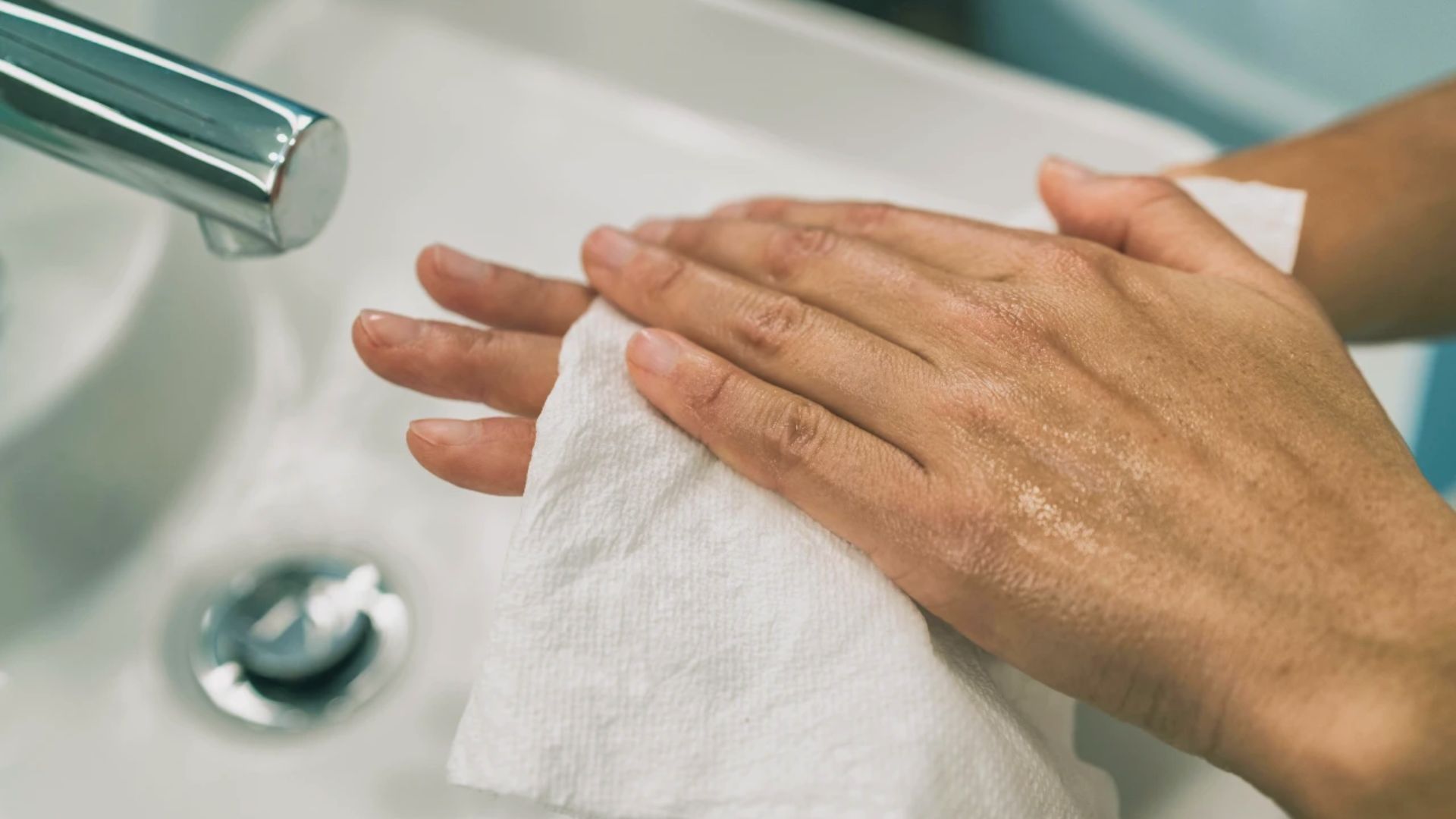
Choose a paper towel, functioning hand dryer, or a freshly laundered personal cloth towel.
When none of these are available, air drying is better than nothing but should not be your standard approach.
Step 3: Dry All Areas Including Fingers, Nails, and Palms
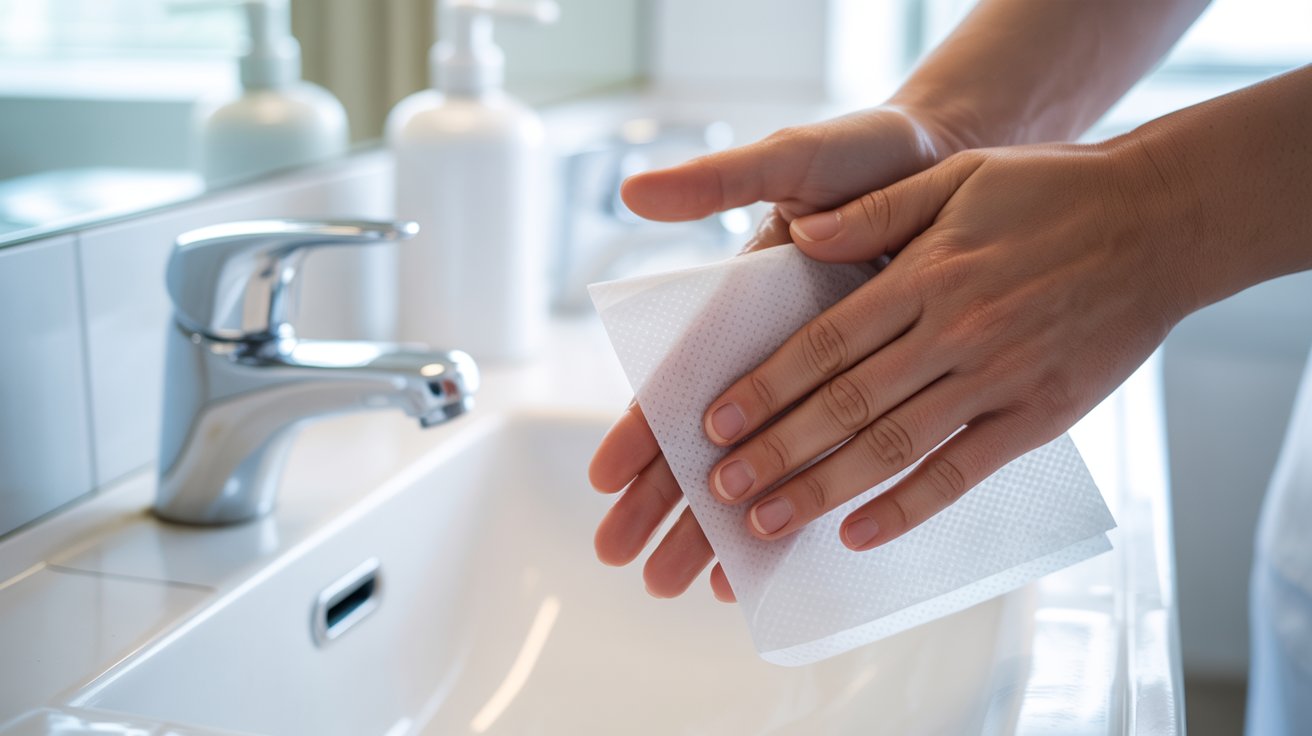
Work through palms, back of hands, between each finger, fingertips, and under the nails in a consistent order.
This full coverage takes only a few extra seconds but makes a significant difference.
Step 4: Avoid Touching Surfaces Immediately After Drying
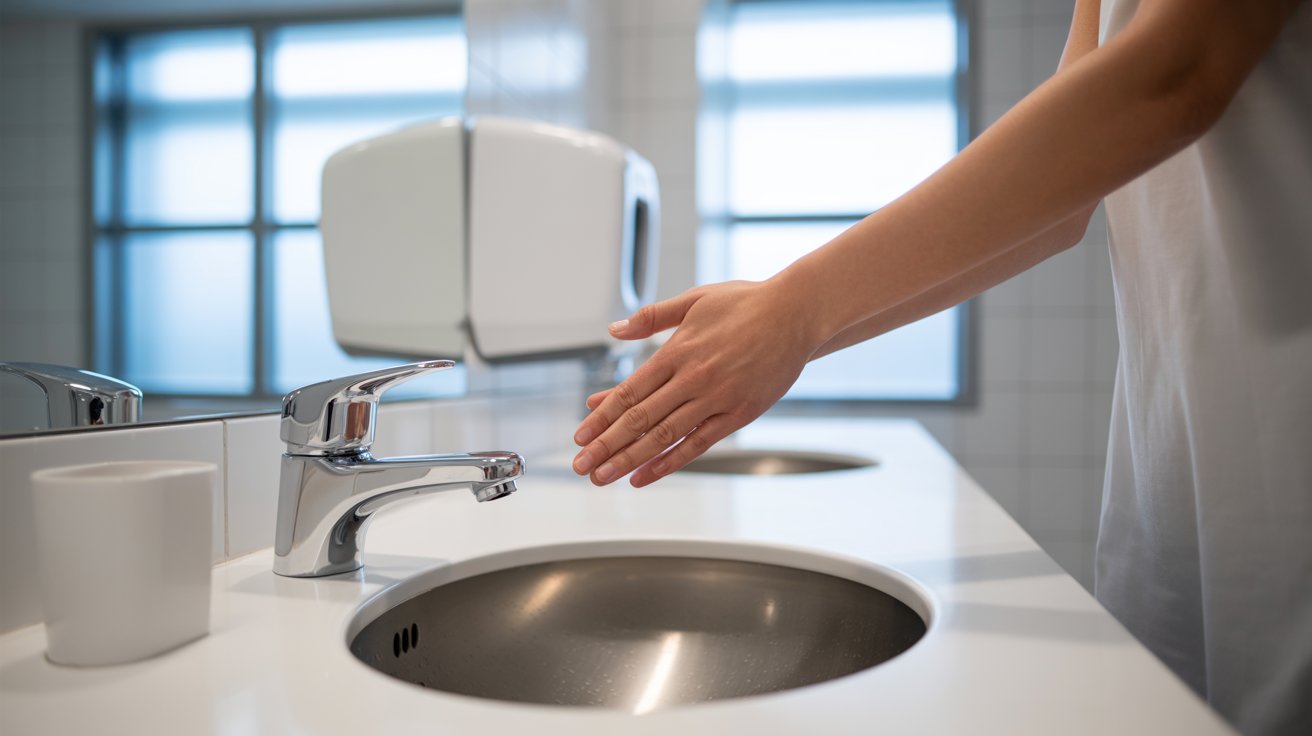
In a public restroom, use your paper towel to handle the door on the way out. If the door opens by pushing, use your shoulder or elbow.
This keeps clean, dry hands away from the most contaminated surfaces in the room.
How Hand Drying Affects Skin Health Over Time
Most people think about hand drying purely in terms of germ control, but the method you use regularly has a real impact on your skin as well.
Friction and Skin Integrity
Aggressive rubbing with rough paper towels can gradually break down the skin barrier. Small cracks create entry points for bacteria, working against your hygiene efforts.
A firm patting motion gives you the same benefit without the irritation.
Hand Dryers and Skin Dryness
Warm air dryers strip natural moisture from the skin when used repeatedly.
Applying a light, fragrance-free hand cream after drying is a simple way to maintain skin health without compromising hygiene.
Why Skin Condition Matters for Hygiene
Damaged or cracked skin harbours bacteria more easily and is harder to clean thoroughly.
Taking care of how you dry your hands directly supports the effectiveness of your overall hand hygiene routine.
How Hand Drying Differs Across Various Settings
The right drying method depends heavily on where you are and what you are doing. Each setting comes with its own hygiene demands and practical limitations.
At Home
A personal cloth towel works well as long as it is washed every one to two days. Sharing a towel among family members, even in a clean household, allows bacteria to accumulate quickly between washes.
In a Public Restroom
Paper towels are the most reliable option. They are fast, require no shared machine contact, and double as a barrier against door handles and taps on your way out.
In a Food Preparation Environment
Single-use paper towels are the only appropriate choice. Cloth towels and shared dryers introduce cross-contamination risks that are unacceptable when handling food for others.
In a Healthcare or Medical Setting
Paper towels remain the gold standard. Speed and complete drying matter here more than anywhere else, and any shared surface contact after washing defeats the purpose entirely.
In Outdoor or Travel Settings
A small personal microfibre towel kept in a bag is a practical solution when paper towels and dryers are unavailable. It dries quickly, takes up little space, and keeps your hygiene routine consistent wherever you are.
Tips for Effective and Hygienic Hand Drying
- Always complete the washing process fully before moving to drying, since drying partially soapy hands is less effective
- Use only clean and dry towels or properly functioning dryers with no signs of malfunction
- Take enough time, at least 15 to 20 seconds of active drying, to ensure hands are fully dry
- Do not rush the process in the name of convenience, especially in food or healthcare contexts
- In shared spaces, use a paper towel to handle shared surfaces and dispose of it before leaving the area
Conclusion
Once I started paying attention to how I dried my hands, not just that I dried them, everything about my hand hygiene routine felt more complete.
It is a small change that genuinely makes a difference. Now I want the same for you. Think about how you should dry your hands after washing the next time you step away from a sink.
If this guide helped you, share it with someone who could use it, or drop a comment below telling us which drying method works best for you.
Frequently Asked Questions
How should you dry your hands after washing them?
Pat your hands dry covering the palms, back of each hand, between fingers, and fingertips using a paper towel, clean cloth towel, or hand dryer until completely dry.
Is it better to use paper towels or hand dryers?
Paper towels are generally more hygienic. They dry hands faster, avoid shared machine contact, and can shield against contaminated surfaces. Hand dryers work well too but require more time and proper technique.
Why is drying hands important after washing?
Wet hands transfer bacteria far more easily than dry hands, turning every surface you touch into a potential contamination point. Drying completes the protective effect of washing.
What is the safest way for food handlers to dry hands?
Single-use paper towels are the recommended method. They prevent cross-contamination and are disposed of after each use, keeping the hygiene chain intact.
Can wet hands spread more germs than dry hands?
Yes. Research consistently shows that bacterial transfer from wet skin is significantly higher than from dry skin, even after thorough washing.