Hot Shower Benefits vs Cold Showers: Which Works Best?


Ever stepped into a hot shower after a rough day and felt your whole body just… breathe?
I have. And I got curious about why it felt so good.
That curiosity led me to dig deeper into hot shower benefits, cold shower benefits, and how both affect your body in real ways.
In this blog, I cover everything from stress relief to muscle recovery, skin effects, and which shower actually suits your health goals.
No fluff. No guessing.
Just clear, simple information you can actually use. By the end, you will know exactly which shower to pick and when.
Let’s get into it.
Why Hot Baths and Showers Feel So Relaxing
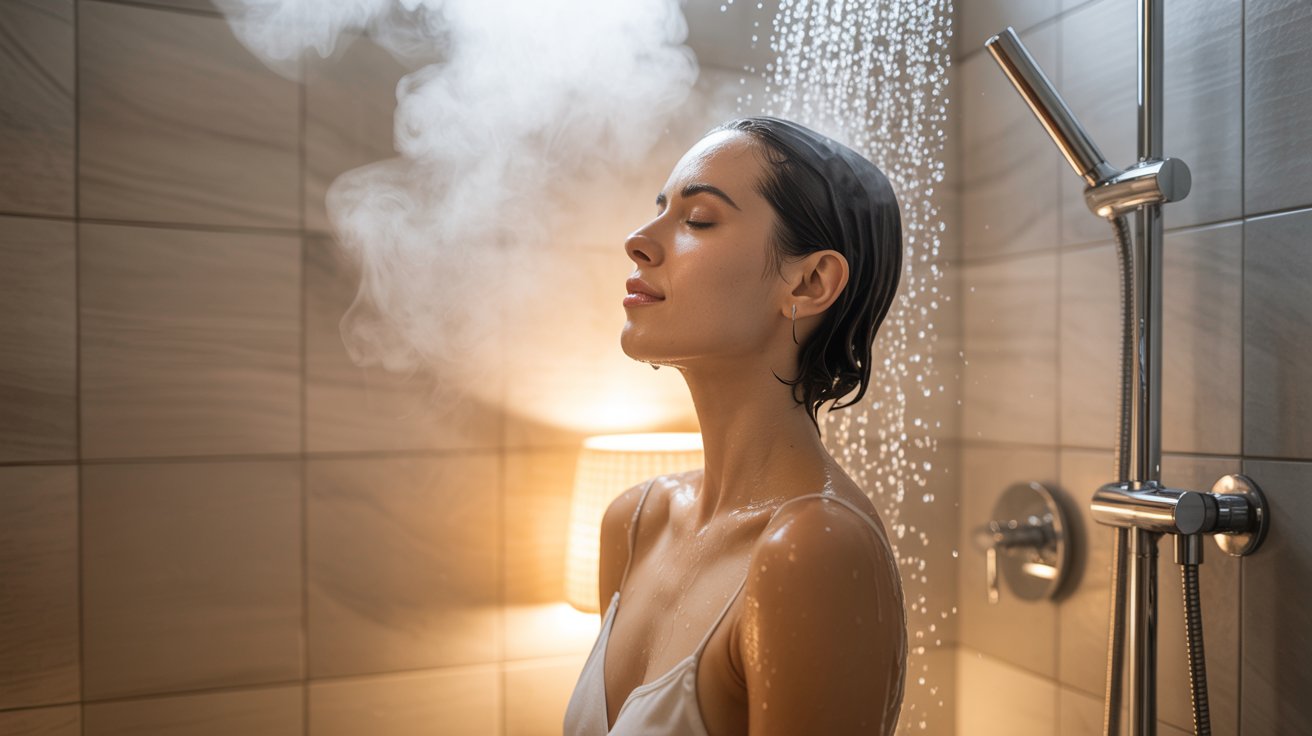
There is something about stepping into a hot shower after a long day that instantly feels better.
The warm water hits your skin, your muscles loosen, and stress starts to fade. This happens because heat widens blood vessels and eases tension in tight muscles.
Your nervous system slows down too, which helps you feel calm. It is not just in your head.
Hot water actually triggers physical changes that make your body feel safe and at ease. That is why so many people rely on a hot shower to reset after a rough day.
What Is a Hot Shower?
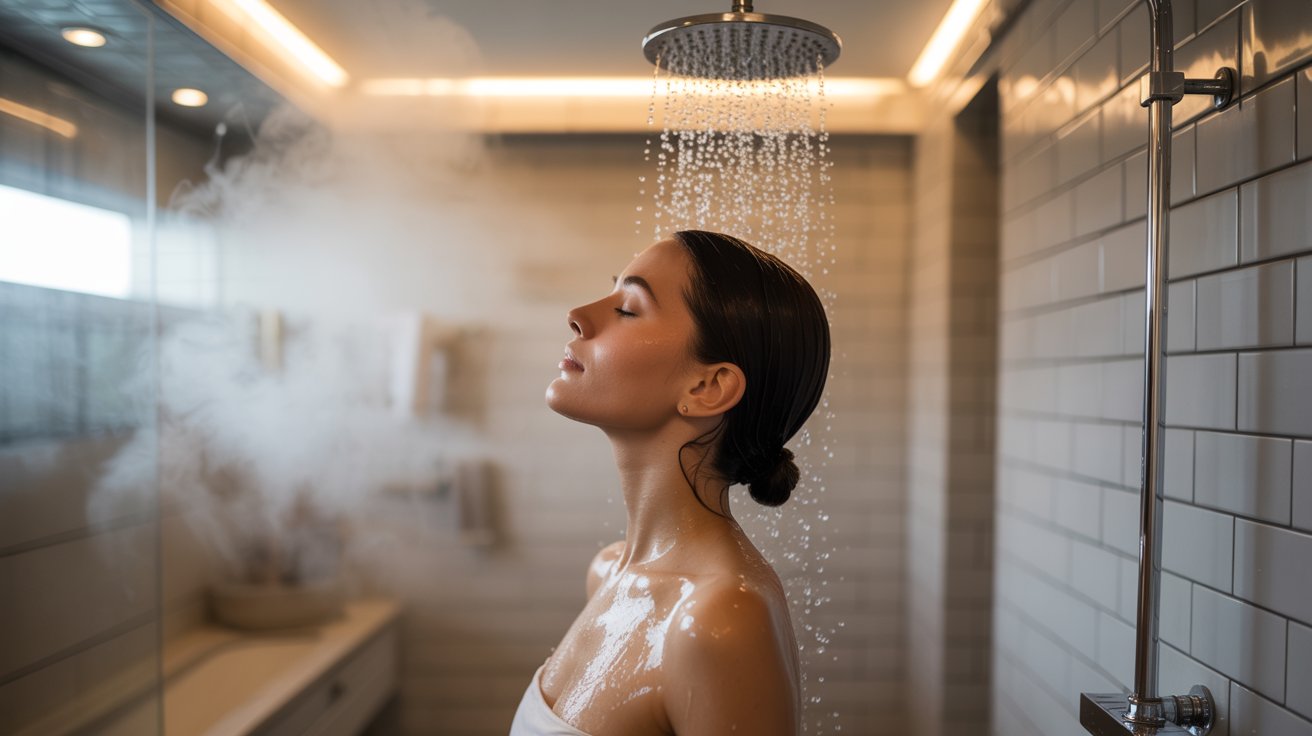
A hot shower uses warm to very warm water, usually between 100°F and 112°F.
It relaxes tight muscles, opens skin pores, and helps the body unwind after a long and tiring day.
Many people use it in the morning to wake up slowly or at night to get better sleep.
Benefits of Hot Showers
Hot showers loosen stiff muscles and ease body tension quite well. They open skin pores, which helps with deep cleaning.
They also improve blood flow and calm your nerves after a stressful day.
Many people find that a hot shower before bed helps them fall asleep faster. It is a simple and effective way to take care of your body.
Drawbacks of Hot Showers
Hot showers also have some clear downsides. Very hot water can dry out your skin by stripping away its natural oils.
If you have sensitive skin, this can cause irritation or redness. Long hot showers can also make you feel dizzy or lightheaded.
People with certain heart conditions should be careful, as too much heat can raise blood pressure temporarily.
Best Situations for Taking a Hot Shower
A hot shower works best after a long and physically tiring day. It is great when your muscles feel sore or stiff from work or exercise.
It also works well on cold mornings when you need to warm up fast.
If you are having trouble sleeping, a hot shower about an hour before bed can help your body wind down.
What Is a Cold Shower?

A cold shower uses water that is typically below 70°F. It wakes you up quickly by activating your nervous system and boosting blood flow.
Many athletes use cold showers to reduce soreness and swelling after hard workouts.
It can feel uncomfortable at first, but the effects are often very energizing.
Benefits of Cold Showers
Cold showers offer more than just a wake-up call. They help reduce muscle inflammation after exercise and can improve your mood by releasing feel-good chemicals in the brain.
Cold water also helps your skin retain its natural oils, which keeps it from drying out.
Some studies suggest cold showers may also help with focus and mental clarity throughout the day.
Drawbacks of Cold Showers
Cold showers are not for everyone. They can feel very uncomfortable, especially during winter months.
For people with heart conditions, the sudden cold can cause a shock response that stresses the body.
Cold showers are also less effective at cleaning your skin compared to warm water. Starting with cold water first thing in the morning can feel harsh and off-putting.
Best Situations for Taking a Cold Shower
Cold showers are a good fit right after intense exercise. They help reduce swelling in muscles and speed up recovery.
They also work well on hot summer days when you need to cool down fast.
If you are feeling sluggish or low on energy in the afternoon, a cold shower can help you feel more alert and focused right away.
Quick Comparison Chart: Hot Shower vs. Cold Shower
Hot and cold showers affect your body in different ways, from energy levels to sleep quality.
|
Feature |
Hot Shower |
Cold Shower |
|
Best For |
Relaxation and sleep |
Energy and alertness |
|
Muscle Recovery |
Helps relax tight muscles |
Helps reduce inflammation |
|
Skin Effects |
Can dry out skin if too hot |
Helps retain natural oils |
|
Hair Benefits |
Cleans scalp deeply |
Helps reduce dryness |
|
Circulation |
Expands blood vessels |
Stimulates blood flow |
|
Stress Relief |
Excellent for calming the body |
Refreshing but less relaxing |
|
Sleep Quality |
Helps improve sleep |
May make you feel more awake |
|
Post-Workout Use |
Good for stiffness |
Better for soreness and swelling |
|
Seasonal Preference |
Ideal during winter |
Ideal during summer |
|
Possible Drawbacks |
Dry skin, dizziness |
Discomfort in cold weather |
The best shower depends on your health needs, routine, and personal comfort.
Which Shower Is Better for Different Health Goals?

Your shower choice can directly support what your body is trying to achieve.
Stress Relief: Hot showers calm your nervous system and melt tension away fast.
Weight Loss Support: Cold showers may activate brown fat and burn slightly more calories at rest.
For Athletes: Cold reduces post-workout inflammation. Hot loosens stiff muscles on rest days.
Dry or Sensitive Skin: Cold water keeps natural skin oils intact. Hot water strips them.
Improving Alertness: Cold showers wake up your nervous system and sharpen your focus instantly.
Your goal decides your shower. Pick the one that matches what your body needs most that day.
Can You Alternate Between Hot and Cold Showers?
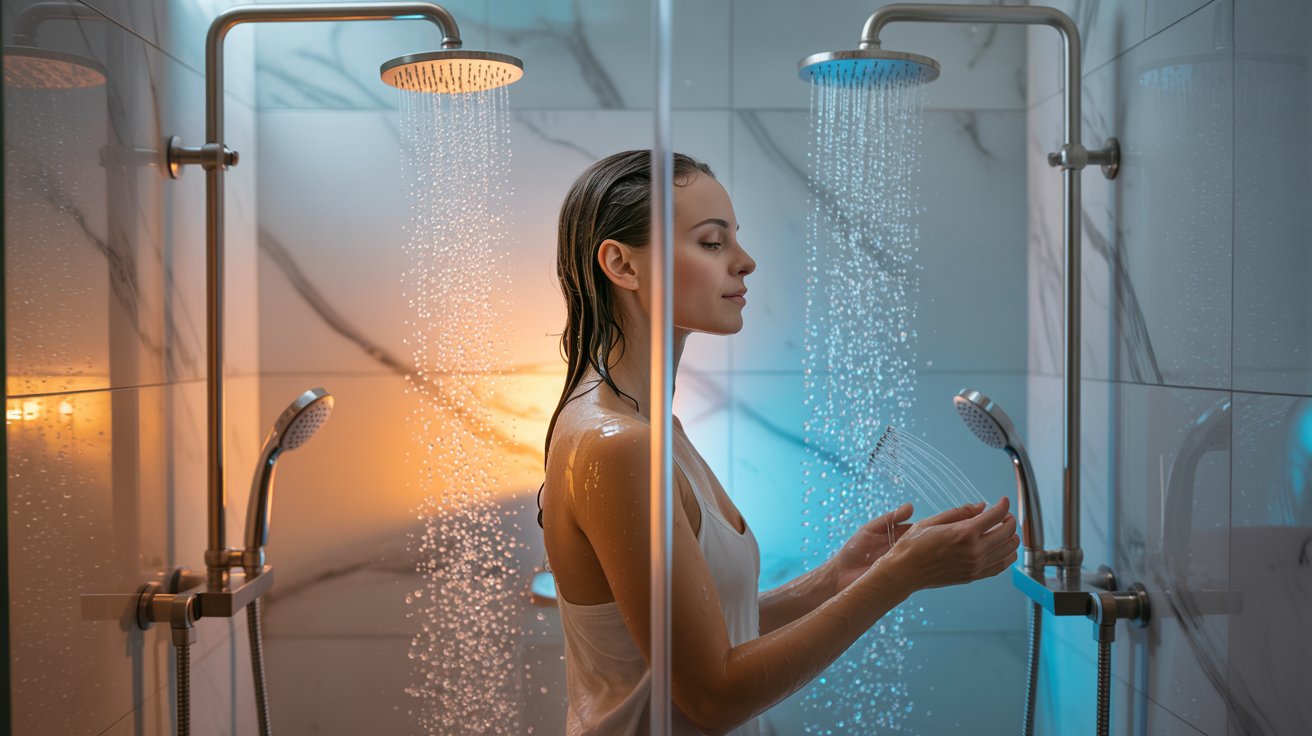
Yes, you absolutely can. Alternating between hot and cold water is called contrast therapy, and many athletes and regular fitness lovers swear by it.
The idea is simple: you switch between warm and cold water multiple times in one shower. Hot water opens your blood vessels, and cold water narrows them.
This back-and-forth movement helps push blood through your body more efficiently. It can also help reduce muscle soreness and give you a quick energy boost.
Most people start with 3 minutes of hot water, followed by 30 seconds of cold, then repeat the whole cycle three or four times.
Tips for Choosing the Right Shower Temperature
The right temperature depends on what your body needs that day.
- Avoid Water That Is Too Hot or Too Cold: Extreme temperatures can stress your skin and heart. Aim for a range that feels comfortable and does not cause redness.
- Keep Showers Short: Long showers strip moisture from your skin. Try to stay under 10 minutes for the best results.
- Moisturize After Showering: Apply moisturizer right after stepping out. It locks in hydration and stops your skin from drying out fast.
- Listen to Your Body: Sore? Go hot. Sluggish or overheated? Go cold. Your body usually tells you what it needs.
- Try Lukewarm When Unsure: Lukewarm water is always a safe choice. It is gentle on skin and still gets the job done.
Small changes to your shower routine can make a big difference in how you feel every day.
Conclusion
I have been a hot shower person for years. On tough days, it is honestly the one thing I look forward to.
Cold showers surprised me though. Once I started using them after workouts, I never looked back.
Hot showers and cold showers both have real benefits. The trick is knowing when to use each one.
Try both this week and see how your body responds. Drop a comment below telling me your favorite.
And if this helped, share it with a friend who needs it.
Frequently Asked Questions
Are hot showers good for you every day?
Hot showers are fine daily if kept short and followed by moisturizing to prevent dry skin.
Can a cold shower help with anxiety?
Yes, cold water can calm the nervous system and may reduce feelings of anxiety fairly quickly.
What is the best shower temperature for sleep?
A warm shower taken about an hour before bed helps lower your core body temperature and supports better sleep.
Do cold showers boost your metabolism?
Cold showers may slightly increase metabolism by activating brown fat cells in the body, but the effect is modest.
Is it better to shower in the morning or at night?
It depends on your goal; morning showers wake you up while night showers help your body wind down for sleep.