
What Is a Closure Wig and Why Is It So Popular?

I was completely lost the first time I searched what is a closure wig.
So many wig types. So many terms. And zero clear answers. I didn’t know the difference between a closure, a frontal, or a full lace. It was overwhelming.
If that sounds like you right now, you’re in the right place.
In this blog, I’ll break everything down simply. What a closure wig is, how it works, why so many people swear by it, and how to wear and care for one the right way.
No confusing jargon. No fluff. Just real, helpful information.
By the end, you’ll know exactly what to look for and feel ready to make the right choice.
What Is a Closure Wig?

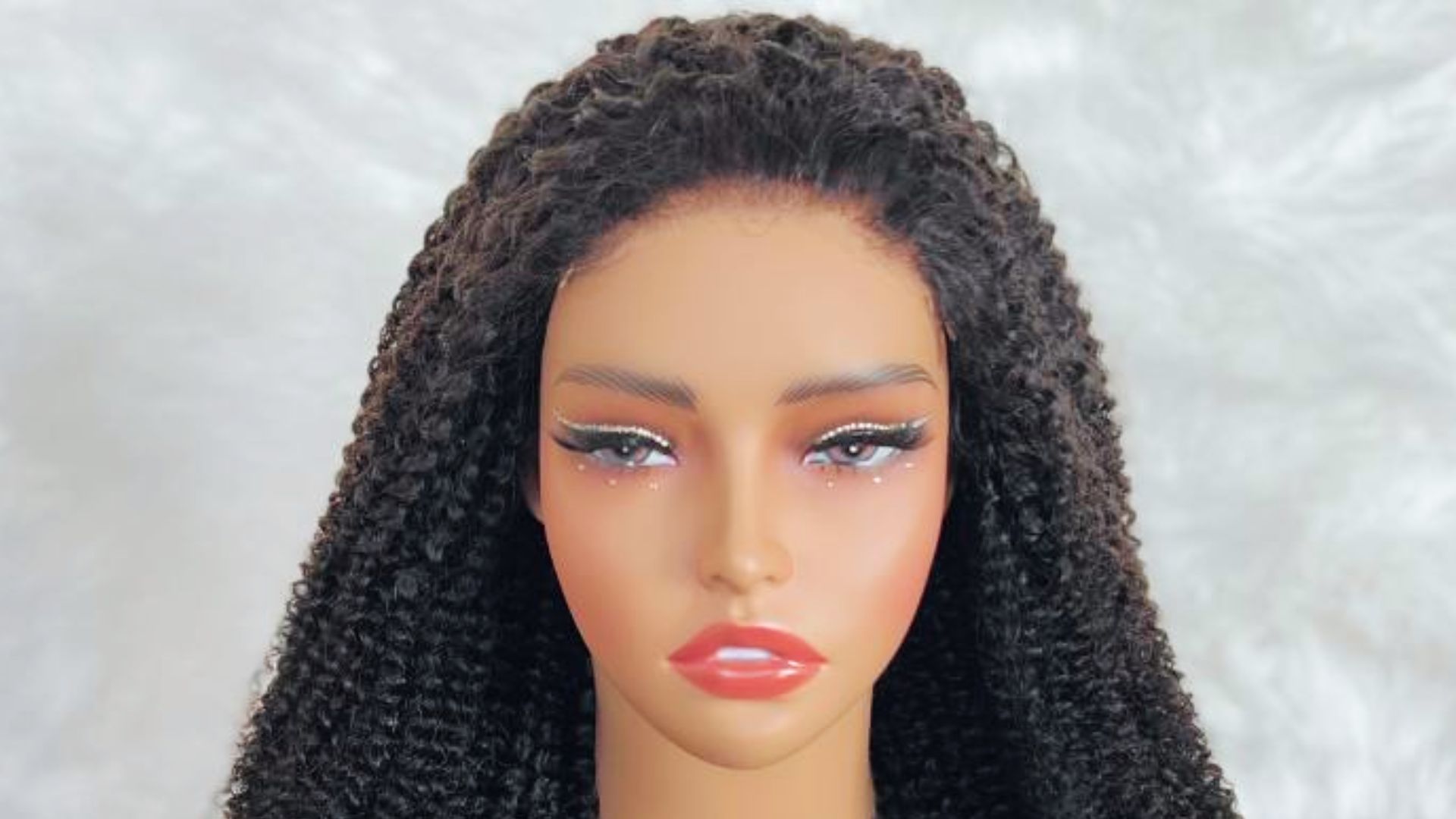
A closure wig is a type of wig that uses a small lace or silk panel, called a closure, sewn into the front or top of the wig cap.
This panel covers the parting area and mimics the look of a natural scalp. The rest of the wig is made with weft hair bundles.
This design gives you a neat, finished look without needing to leave out your natural hair.
It’s one of the most popular wig styles for everyday wear because it looks real and is easy to put on.
Key Features of Closure Wigs
Here’s what sets a closure wig apart from the rest.
Lace Closure Area (4×4, 5×5, 6×6, 7×4)

The closure panel comes in different sizes. A 4×4 is the most common. It gives a basic parting space. A 5×5 or 6×6 gives more room to part your hair in different directions. A 7×4 is wider but shorter. Bigger closures give more styling options. Smaller ones are more affordable and still look great for everyday use.
Hair Types Used (Human Hair vs Synthetic Hair)

Closure wigs come in two hair types. Human hair looks and feels the most natural. You can curl, straighten, or color it.
Synthetic hair costs less but can’t handle high heat. For long-term use, human hair is worth the investment.
For a short-term or budget option, synthetic works fine. The choice depends on how often you’ll wear it and what you plan to do with it.
Lace Materials (HD Lace, Transparent Lace, Swiss Lace)
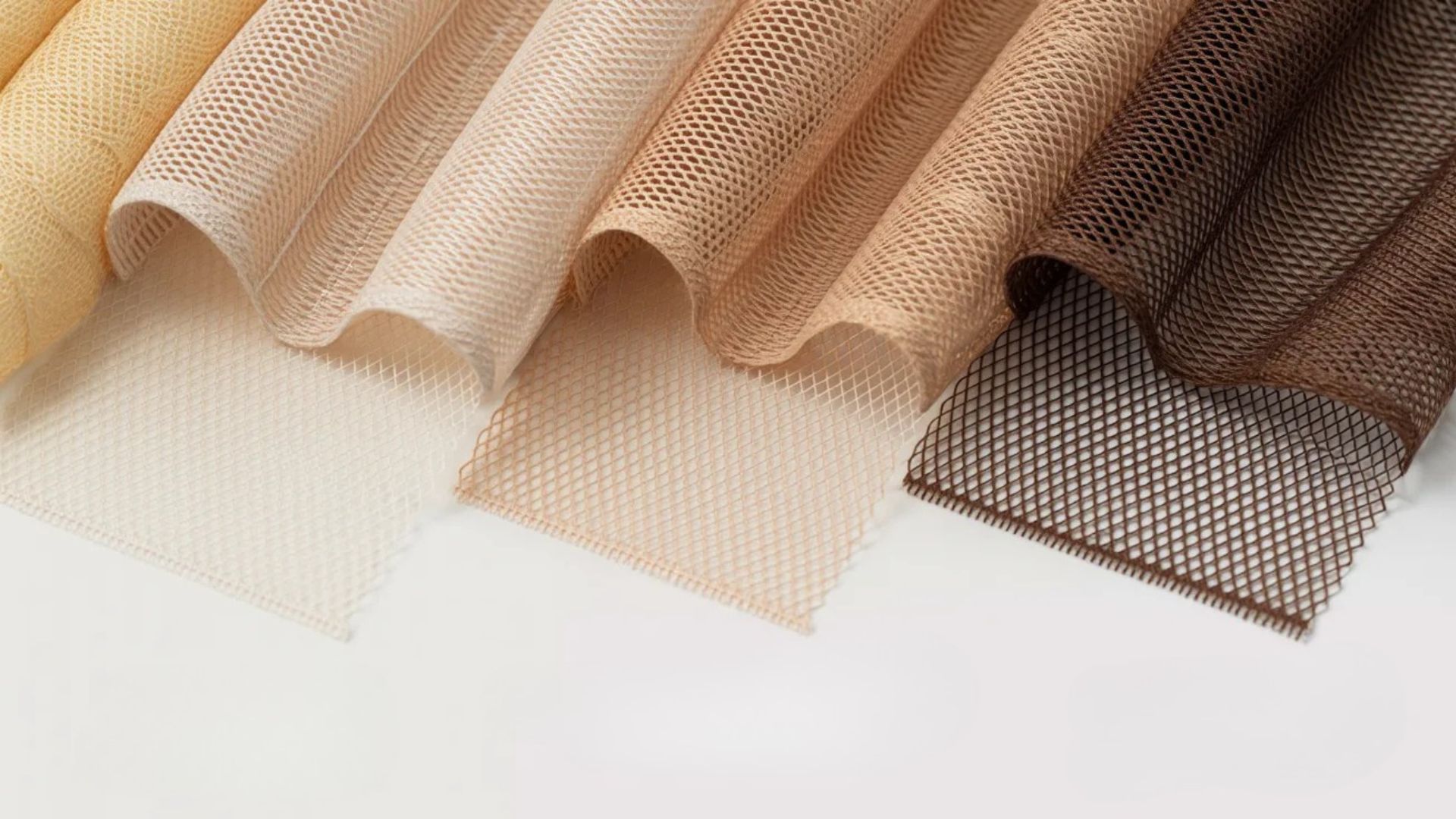
The lace type changes how the hairline looks. HD lace is ultra-thin and blends into most skin tones with little effort.
Transparent lace is slightly thicker but still gives a clean, natural finish. Swiss lace is soft, breathable, and durable.
HD lace is the most popular right now because it needs less customizing. All three can look great when installed correctly.
Natural-Looking Hairline Effect

The closure panel creates the illusion of a natural scalp. The hair is hand-tied into the lace, which means each strand moves freely, just like real hair.
When placed correctly at the hairline, it’s hard to tell the difference between the wig and your natural hair.
This is why so many people prefer closure wigs for a clean, realistic finish.
Why Closure Wigs Are Popular
Closure wigs check every box that most wig wearers care about.
Natural and Realistic Appearance

The lace closure mimics a real scalp and parting. The hair flows naturally and the hairline doesn’t look stiff or fake.
With the right lace type and color match, most people can’t tell you’re wearing a wig.
That’s exactly why so many people choose closure wigs over other styles. It simply looks like your own hair growing from your scalp.
Beginner-Friendly and Easy to Install

If you’re new to wigs, a closure wig is the best place to start. You don’t need glue if you pick a glueless style. Most come pre-made with an adjustable band inside.
You can put it on in minutes. There’s no complicated technique required.
Even if it’s your first time wearing a wig, you’ll figure it out fast. That’s a big reason why beginners love this style.
Protective Styling Benefits
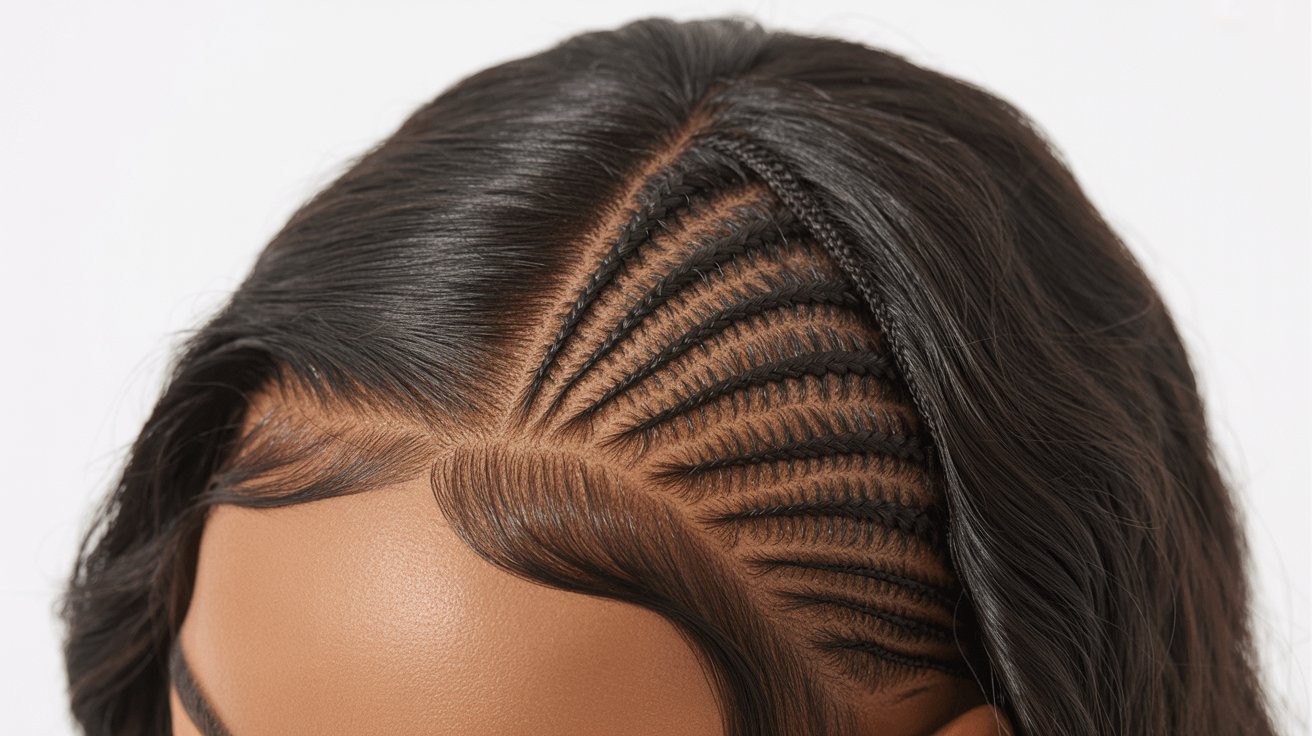
Closure wigs protect your natural hair from heat, manipulation, and daily wear. You don’t need to leave out your edges or expose your real hair.
This gives your hair a break so it can grow and stay healthy underneath. Many people use closure wigs as part of a protective styling routine.
It’s a smart way to look good while also taking care of the hair you have.
Low Maintenance Hair Solution

You don’t need to style your natural hair every day when you wear a closure wig. The wig holds its shape, and the closure keeps the parting looking neat.
A quick brush and you’re ready to go. Compared to other wig types, closure wigs need less daily effort to stay looking good.
For anyone with a busy schedule, this is a major plus.
Cost-Effective Compared to Other Wig Types

Closure wigs cost less than frontal or full lace wigs. The lace area is smaller, which means less hand-tied work and a lower price.
You still get a natural-looking finish without paying top dollar.
For anyone working with a budget, a closure wig gives you the most value. You get a quality look without overspending.
Closure Wig vs Other Wig Types
Here’s a quick comparison to help you choose the right one.
|
Feature |
Closure Wig |
Lace Frontal Wig |
Full Lace Wig |
|
Lace Area |
Small section |
Ear-to-ear lace |
Full lace cap |
|
Styling Options |
Limited |
Flexible |
Maximum flexibility |
|
Beginner Friendly |
Yes |
Moderate |
No |
|
Maintenance |
Low |
Medium |
High |
|
Installation |
Easy |
Moderate |
Complex |
|
Price |
Affordable |
Mid-range |
Expensive |
Closure wigs are best for beginners who want a natural look with easy maintenance, while frontal and full lace wigs offer more styling freedom.
How to Wear a Closure Wig
Wearing a closure wig is simpler than you think, and you don’t need a salon to do it right.
Glueless Closure Wig Installation
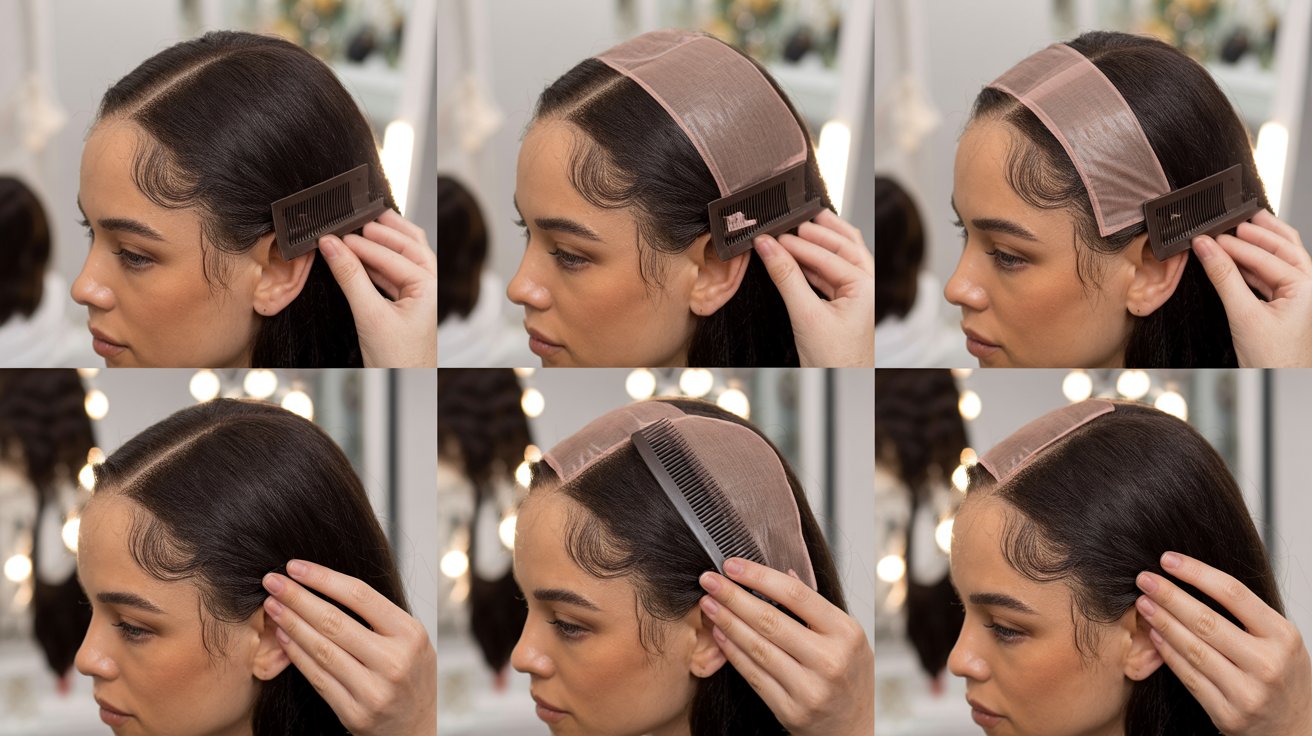
A glueless closure wig is the easiest type to wear. It comes with combs, clips, and an adjustable elastic band inside the cap.
Start by laying your natural hair flat with a wig cap. Place the wig on your head, align the hairline where you want it, and fasten the combs at the front, sides, and back.
Tighten the band at the nape for a secure fit. Press the edges down with your hands. No glue needed. It takes less than five minutes once you get the hang of it.
Installing with Glue or Adhesive

Using glue gives a flatter, more secure hold. Start with a clean, oil-free hairline. Apply a thin layer of wig adhesive or got2b glue along your edges.
Let it get slightly tacky, then press the lace down firmly. Hold it in place for 30 to 60 seconds. Smooth out any air bubbles with your fingers.
Once set, cut the excess lace carefully. The result is a flat, natural-looking hairline that stays in place all day. Always use a skin-safe adhesive and do a patch test first to avoid any reaction.
Maintenance Tips for Closure Wigs
Here are five simple tips to keep your wig in great shape.
- Wash gently: Use a sulfate-free shampoo and cool water. Always wash in a downward motion to avoid tangling the hair.
- Deep condition regularly: Apply a light conditioner from mid-length to ends. Let it sit for a few minutes before rinsing.
- Use low heat settings: When using a flat iron or curling wand, keep the heat below 350°F on human hair wigs. Always skip heat on synthetic hair.
- Store it properly: Keep the wig on a wig stand when not in use. This helps it hold its shape and avoids creasing.
- Detangle with care: Use a wide-tooth comb or a paddle brush. Start from the ends and work your way up slowly.
Treat your wig well and it’ll look great for months.
Conclusion
Closure wigs are one of the easiest ways to get a natural, polished look without spending hours styling.
I’ve worn a few wig types, and this one wins every time for ease and realism. If you’re just starting out, start here. You won’t regret it.
Found this helpful? Share it with someone still figuring out wigs. And drop your questions or wig picks in the comments. I’d love to hear from you.
Frequently Asked Questions
What is a closure wig used for?
A closure wig is used to get a natural-looking hairstyle without exposing your real hair.
Can beginners wear closure wigs?
Yes, closure wigs are one of the most beginner-friendly wig options available.
How long does a closure wig last?
With proper care, a human hair closure wig can last one to two years or longer.
Do closure wigs damage your natural hair?
No, they actually protect your natural hair by keeping it tucked away underneath.
Can I wash my closure wig at home?
Yes, you can wash it at home using a gentle, sulfate-free shampoo and cool water.