Are Loofahs Bad for Daily Use? Here’s the Truth


I used my loofah every single day for months. I thought I was doing something good for my skin. I was wrong.
If you have ever wondered are loofahs bad for your skin, you are not alone. Millions of people use them without knowing what is really hiding inside.
In this blog, I will cover everything you need to know. From bacteria growth to real health risks, better alternatives, and how often to replace them.
I have done the research so you do not have to. By the end, you will know exactly what to do next.
Let’s get into it.
What Is a Loofah?

A loofah is a scrubbing tool used in the shower or bath to clean and exfoliate the skin.
Most people think it comes from the sea, but it actually grows on a vine. It is a dried plant from the gourd family.
You can also find synthetic versions made from plastic mesh. People love using them because they lather soap well and help remove dead skin cells.
They feel refreshing on the skin and are easy to use. But knowing what a loofah really is helps you make smarter choices about your skincare routine.
Are Loofahs Bad for Your Skin?

Loofahs are not always bad, but they can cause problems if you do not take care of them.
The rough texture is great for scrubbing, but it can be too harsh for sensitive skin. If you press too hard, you can cause tiny scratches on the skin’s surface.
These small cuts make it easier for bacteria to enter. Using a dirty loofah makes things worse.
Over time, the repeated use of an unwashed loofah can irritate the skin and lead to breakouts or infections. So yes, they can be bad if not used the right way.
Do Loofahs Grow Bacteria?

Yes, loofahs grow bacteria very fast. After each use, they stay wet for a long time.
That warm and damp environment is the perfect place for bacteria, mold, and yeast to grow. Every time you scrub your body, dead skin cells get trapped inside the loofah’s layers.
Those cells feed the bacteria sitting in there. If you hang your loofah in the shower, it never fully dries.
Studies have found multiple types of harmful bacteria living in used loofahs. That is a real concern, especially if you use it on broken or freshly shaved skin.
Health Risks Linked to Dirty Loofahs
Using a dirty loofah might feel like a small thing, but it can lead to some real skin problems you do not want to deal with.
Skin Irritation and Redness
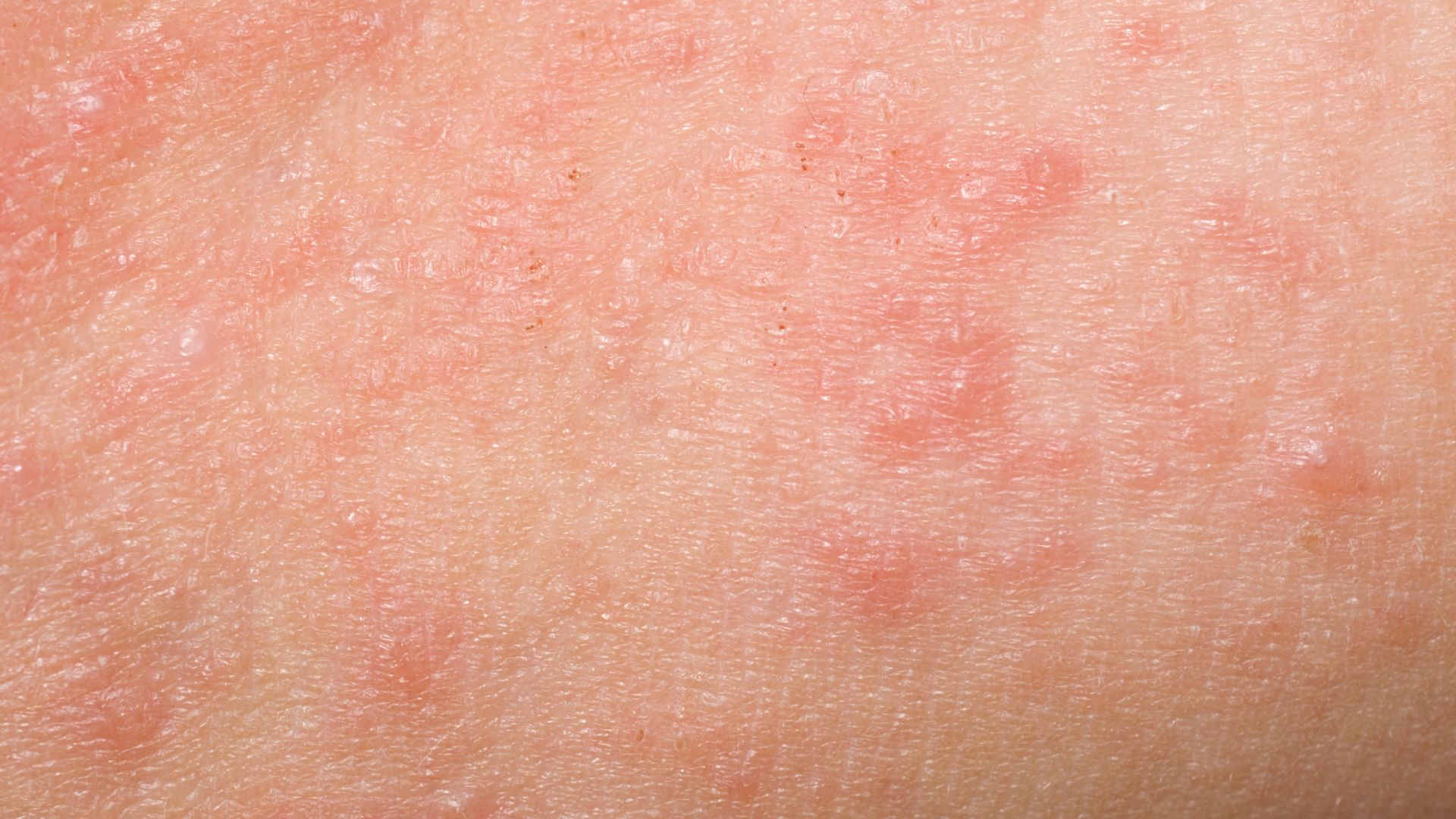
A loofah that has not been cleaned in a while carries bacteria and rough debris.
When you scrub with it, you are rubbing all of that directly onto your skin. This can trigger redness, itching, and general irritation. Sensitive skin types are at higher risk.
If your skin feels raw or looks inflamed after a shower, your loofah might be the reason behind it.
Acne and Breakouts
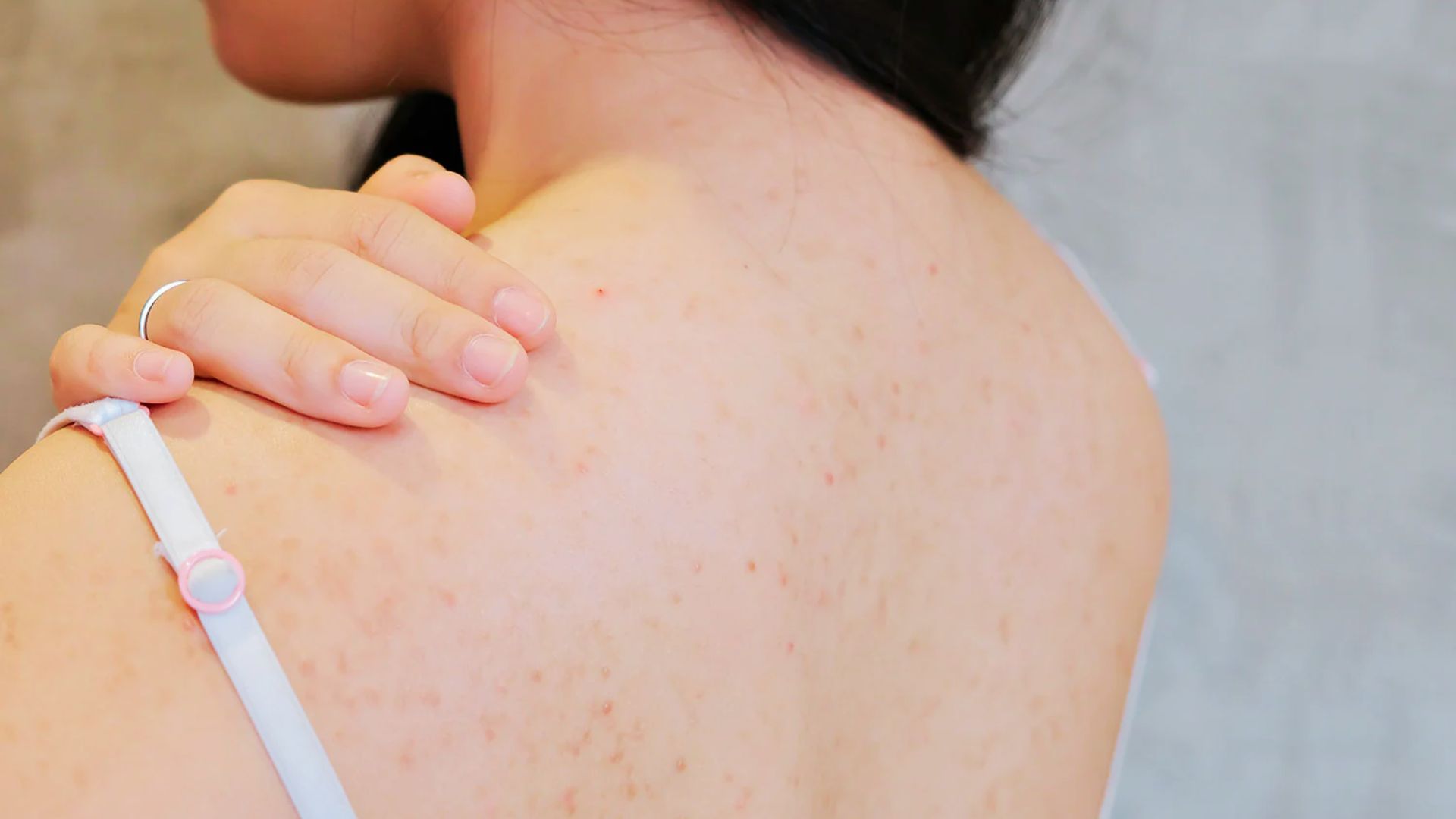
Bacteria love to hide inside a damp loofah. When you use it on your face or body, those bacteria transfer to your pores.
This can block pores and cause breakouts. If you are already dealing with acne-prone skin, using an old loofah will make things much worse.
Replacing it regularly and keeping it clean between uses is one simple step that can help your skin clear up faster.
Folliculitis and Skin Infections

Folliculitis is an infection of the hair follicles. It looks like small red bumps or pimples around the skin.
A bacteria-filled loofah can directly cause this. The bacteria enter the follicles during scrubbing and start an infection. It can feel itchy and uncomfortable.
In some cases, it spreads or gets worse without treatment. If you notice recurring bumps after showering, your loofah could be the source of the problem.
Risks After Shaving or Sensitive Skin

Right after shaving, your skin has tiny open nicks. Using a loofah at this point is risky. Bacteria from the loofah can enter those cuts and cause infections quickly.
People with eczema, rosacea, or any skin condition should also be careful. Scrubbing with a bacteria-heavy loofah on already sensitive skin can cause flare-ups, burning, or painful rashes.
It is best to skip the loofah right after shaving and let your skin recover first.
Better Alternatives to Loofahs
You do not have to give up on good skin care just because loofahs have risks. There are cleaner and gentler options that work just as well.
Washcloths

A washcloth is a simple and affordable option. It cleans the skin well and is easy to toss in the laundry after each use.
This makes it much more hygienic than a loofah. You can use a fresh one every day without spending much money.
They are also gentle on sensitive skin. Just make sure you wash them regularly and let them dry fully between uses.
Silicone Body Scrubbers
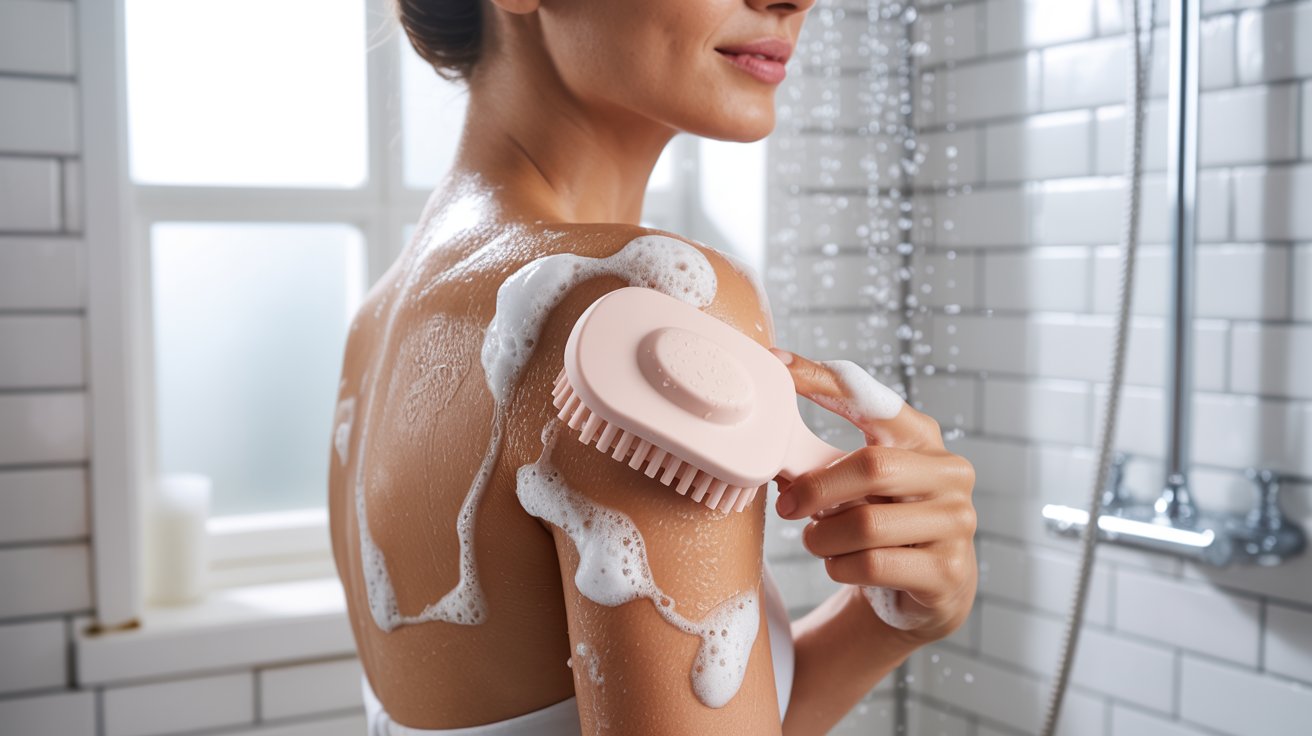
Silicone scrubbers have become very popular in recent years. They do not trap dead skin cells the way a loofah does.
Bacteria have a harder time growing on silicone. They are easy to rinse and dry fast. They last a long time too, which makes them a cost-effective choice.
If you want something that is low-maintenance and more sanitary, a silicone body scrubber is a solid pick for your daily shower routine.
African Net Sponges
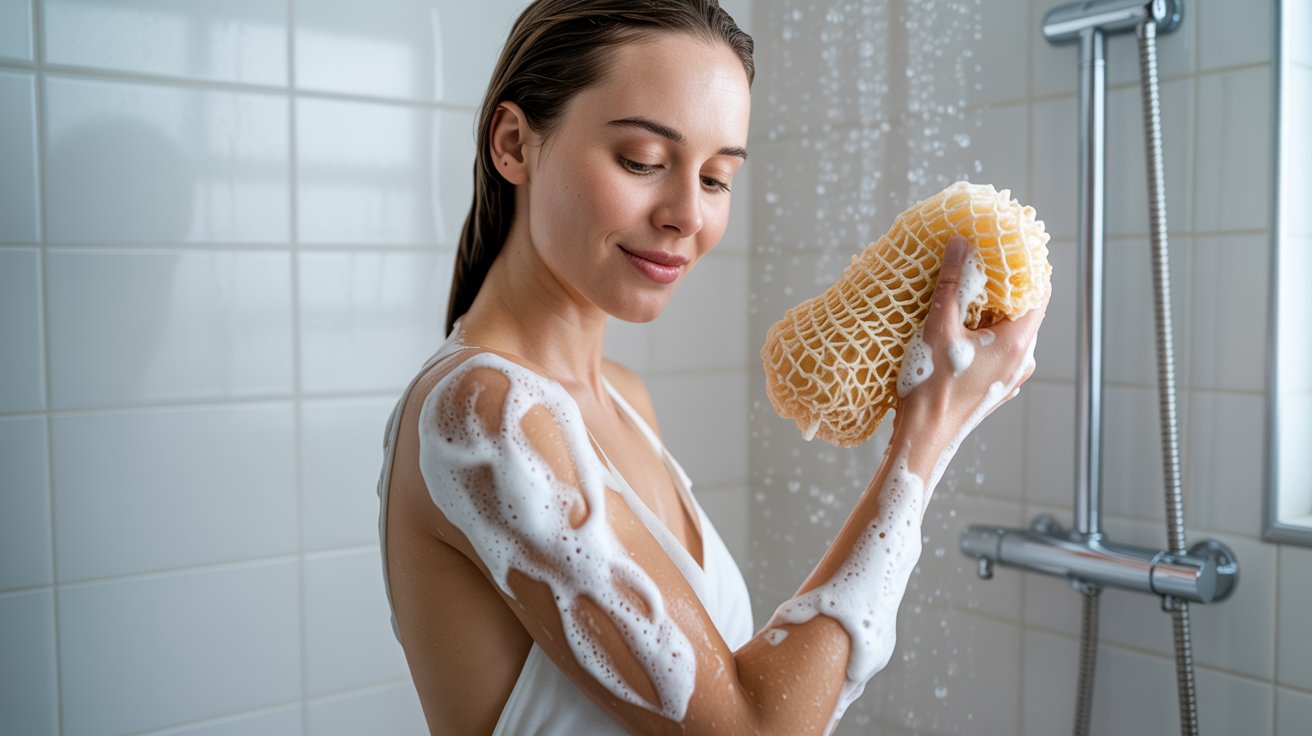
African net sponges are made from a stretchy nylon mesh. They lather soap really well and give a great scrub.
They are lightweight and dry faster than natural loofahs. This means less time for bacteria to grow. They are also very affordable and easy to replace.
Many people who switch from traditional loofahs love the feel of African net sponges. They offer a similar scrubbing experience but with a lower risk of bacterial buildup.
Gentle Exfoliating Gloves
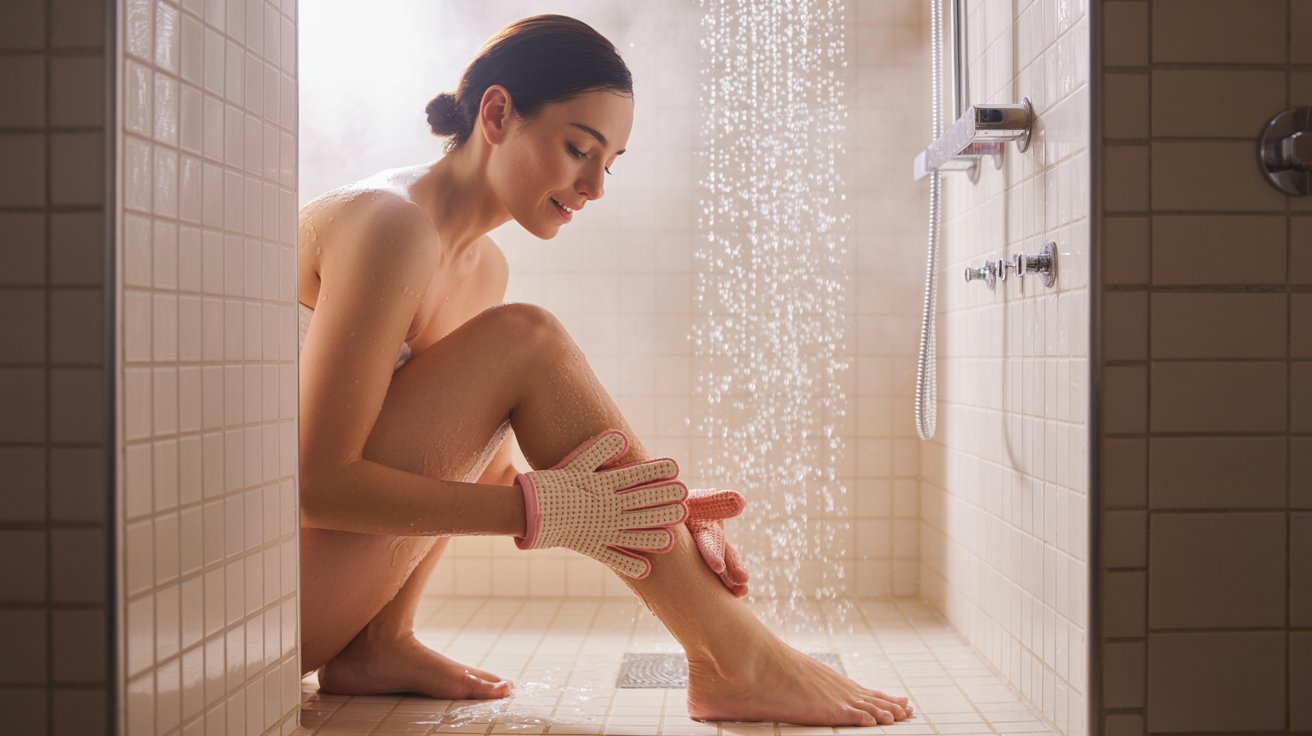
Exfoliating gloves fit over your hands and let you control the pressure while scrubbing. They work well for removing dead skin and improving circulation.
After use, you can simply rinse them out and hang them to dry. Most are machine washable too, which keeps them clean and safe.
They are a good choice for people who want control and ease during their shower routine without worrying about bacteria hiding in thick sponge layers.
How Often Should You Replace a Loofah?

Most experts suggest replacing a natural loofah every three to four weeks. If you use a plastic or synthetic version, you can stretch it to about eight weeks with proper care.
But these are just general timelines. You should check your loofah regularly. If it smells musty or sour, replace it right away.
That smell means bacteria and mold are already growing inside it. After being sick, replace it immediately even if it looks clean.
Between uses, rinse it well and hang it outside the shower so it can dry fully. Never leave it sitting in a wet area.
Proper care slows down bacterial growth, but it does not stop it completely. When in doubt, throw it out. Your skin will thank you for it.
Conclusion
I used my loofah for months without thinking twice. Then I found out what was actually growing inside it. That was enough for me to make a change.
If this post helped you see are loofahs bad in a new way, that makes me happy. Now it is your turn.
Drop a comment below and tell me what you use instead. And if this helped, share it with a friend who needs to know this too.
Frequently Asked Questions
Can a loofah cause a skin infection?
Yes, bacteria trapped in a loofah can cause skin infections, especially on broken or freshly shaved skin.
How often should I clean my loofah?
Rinse it thoroughly after every use and do a deep clean with diluted bleach or vinegar once a week.
Is a silicone scrubber better than a loofah?
Yes, silicone scrubbers dry faster and resist bacterial growth much better than natural or synthetic loofahs.
Can I use a loofah on my face?
It is not recommended. The skin on your face is more sensitive, and a loofah can cause irritation or breakouts.
What happens if I use a moldy loofah?
Using a moldy loofah can spread bacteria and fungus onto your skin, leading to infections, rashes, or worsening acne.