9 Best Natural Remedies for Sunburn Home Relief Guide


Sunburn hurts. I know that feeling tight skin, that burning sting when you touch it, and the regret of skipping sunscreen. If you’re here, you’re probably looking for fast, natural relief that actually works.
In this guide, I’ll walk you through the 9 best natural remedies for sunburn home relief things you likely already have at home.
I’ll also cover what to do right after a sunburn, how to speed up healing, and when to see a doctor.
I’ve researched and tested these remedies carefully. You can trust this guide to give you honest, practical advice, no fluff.
What to Do Immediately After Sunburn
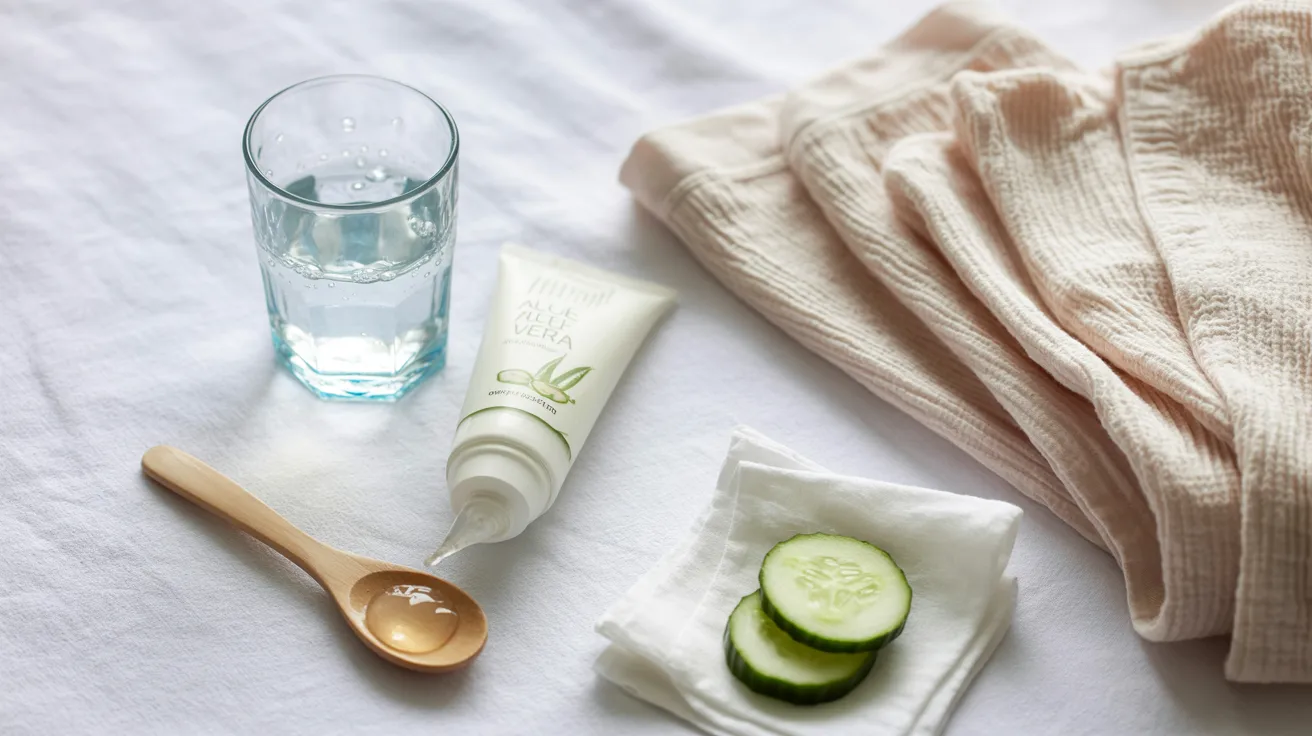
The first steps after sunburn matter more than most people think. Get out of the sun right away and cool the burned skin with cool running water for 10-15 minutes.
Skipping the ice can hurt sensitive skin. Drink plenty of water since sunburn pulls moisture from your body fast. Pat skin dry gently, then apply a fragrance-free moisturizer or aloe vera gel.
If the pain is strong, take ibuprofen to ease swelling. Wear loose, soft clothing over burned areas. Keep it simple in those first few hours, cool the skin, hydrate your body, and protect what’s already hurting.
9 Best Natural Remedies for Sunburn Home Relief
These remedies are simple, affordable, and easy to use right at home.
1. Aloe Vera for Instant Cooling and Healing Support
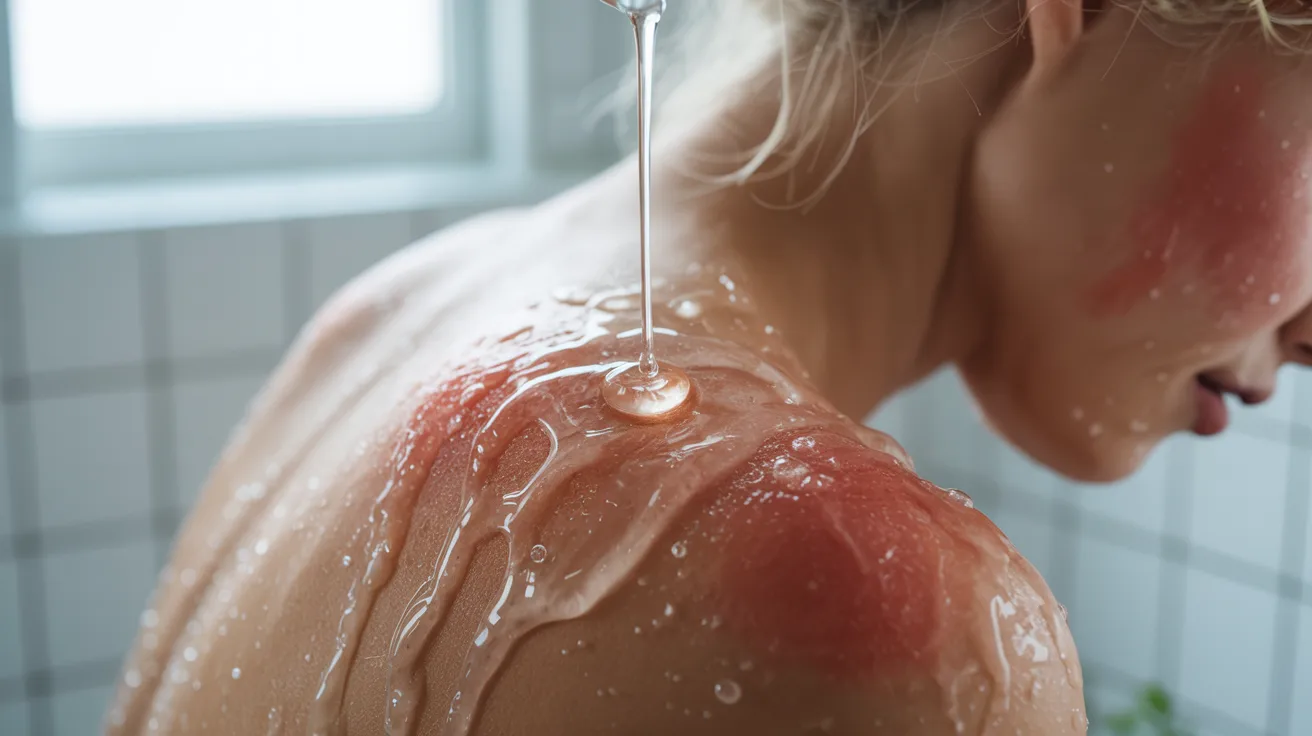
Aloe vera is the go-to remedy for a reason. It cools the skin on contact and helps reduce redness. The gel contains compounds that calm inflammation and support skin repair.
Use fresh gel from an aloe plant if you have one, or buy a pure aloe vera gel with no added alcohol. Apply it generously and let it absorb. Reapply every few hours.
2. Vinegar Bath for Pain Relief and Inflammation Reduction
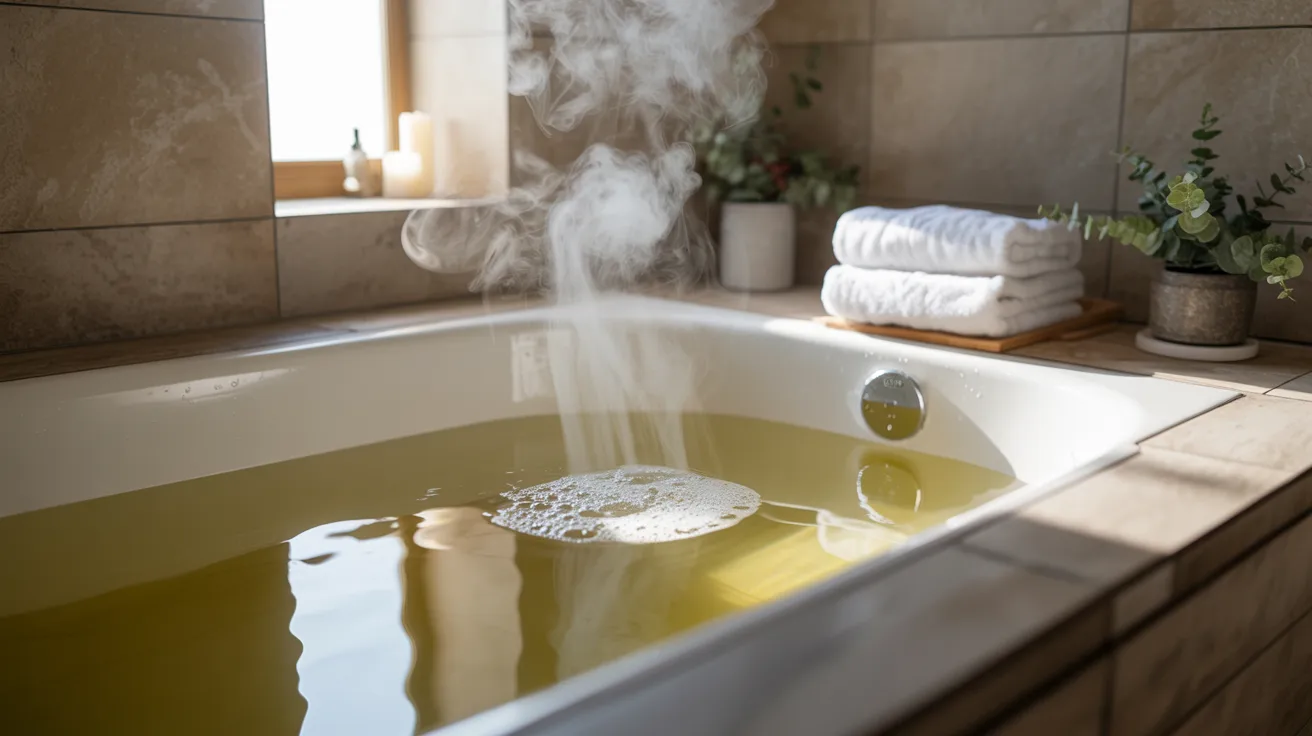
Apple cider vinegar can help balance the skin’s pH and reduce stinging pain. Add one cup to a cool bath and soak for 15–20 minutes.
Do not apply vinegar directly to broken or blistered skin. Diluting it in a bath is the safest way to use it.
3. Tea Bags to Reduce Swelling and Soothe Irritation
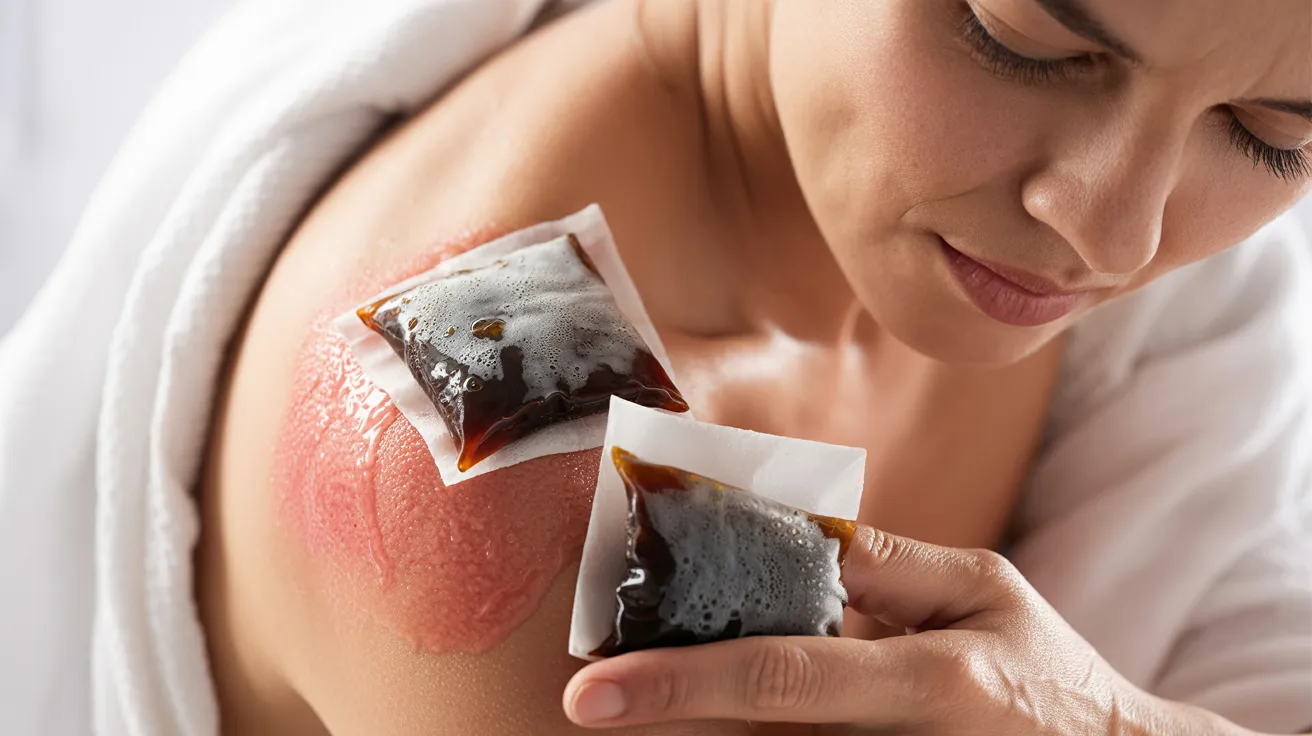
Black or green tea contains tannins. These compounds help draw heat out of sunburned skin and reduce swelling.
Brew a few bags, let the tea cool, then soak a clean cloth in it. Press it gently against the burned area. You can also place cooled, used tea bags directly on smaller areas like eyelids.
4. Oatmeal Bath for Itchy and Peeling Skin Relief

When skin starts to peel and itch, an oatmeal bath brings real comfort. Colloidal oatmeal (finely ground oats) has natural anti-inflammatory properties.
Add one cup of plain, unflavored oatmeal to a cool bath. Soak for 15–20 minutes. Pat skin dry gently afterward. Do not scrub peeling skin, let it shed on its own.
5. Coconut Oil for Deep Skin Moisturization (After Cooling Phase)
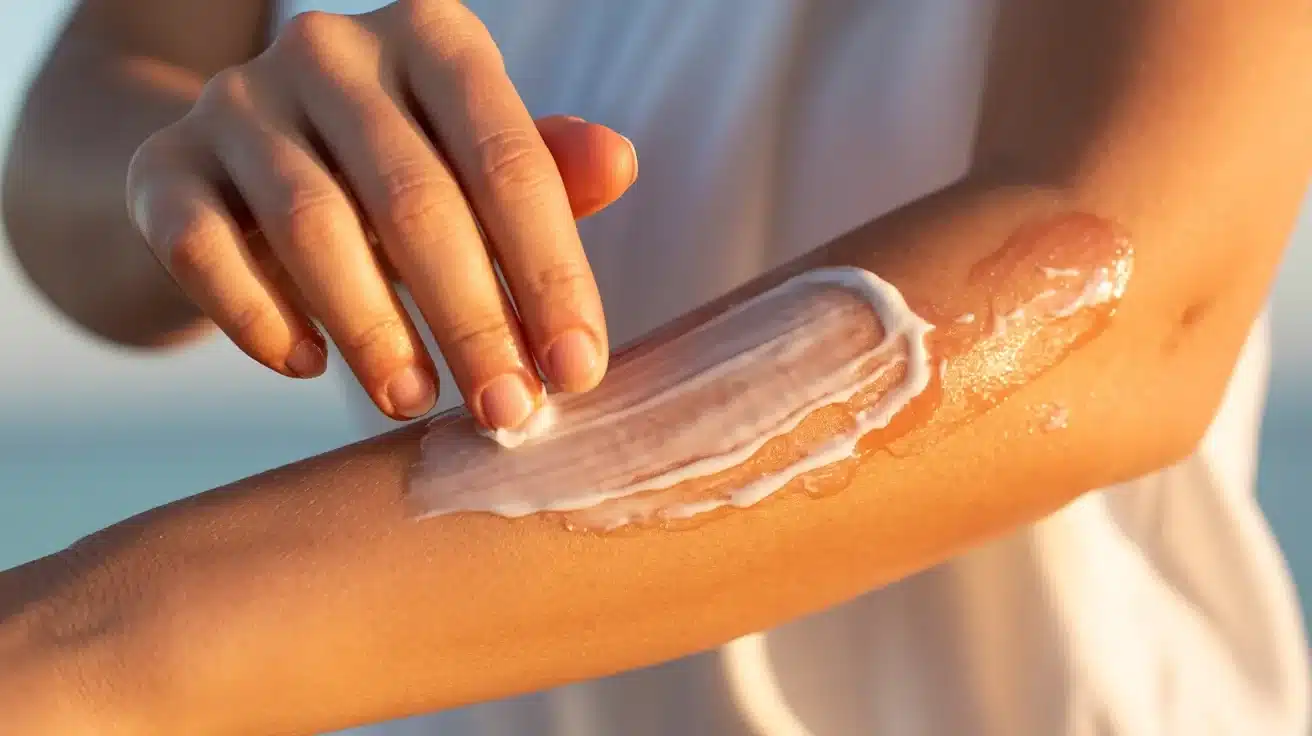
Coconut oil is great for moisturizing but timing matters. Do not apply it right after sunburn. It can trap heat in the skin and slow healing.
Wait until the skin has cooled and the burning phase has passed, usually after 24–48 hours. Then apply a thin layer of virgin coconut oil to help restore moisture and softness.
6. Baking Soda for Reducing Itch and Skin Discomfort

Baking soda helps soothe itchy, irritated skin. Add a few tablespoons to a cool bath and soak for about 15 minutes.
Some people also make a paste with baking soda and water and apply it to small areas. Rinse it off after a few minutes. Do not leave it on too long; it can dry out the skin.
7. Witch Hazel for Redness and Inflammation Control
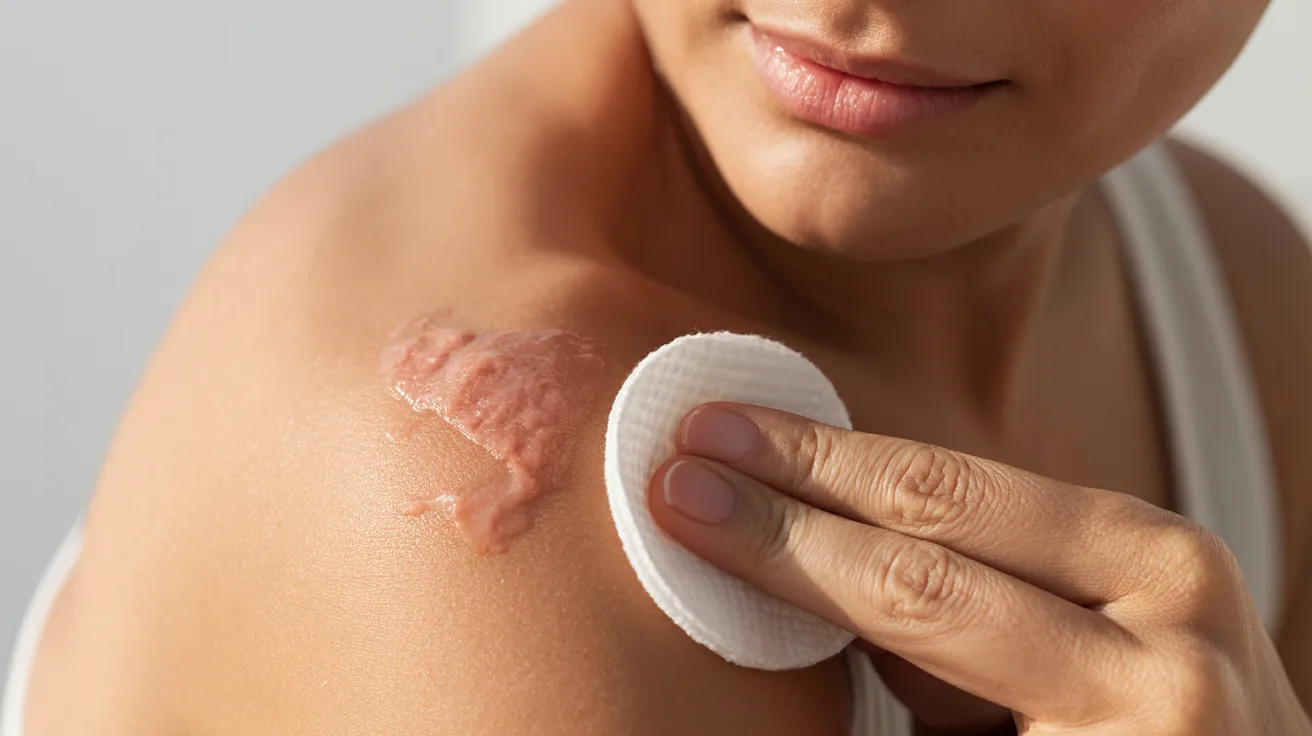
Witch hazel is a natural astringent that reduces redness and swelling. It’s gentle and works well on sunburned skin.
Apply it with a cotton ball or soft cloth directly to the affected area. Let it air dry. Use an alcohol-free version to avoid extra dryness or irritation.
8. Lavender Oil for Soothing and Skin Repair
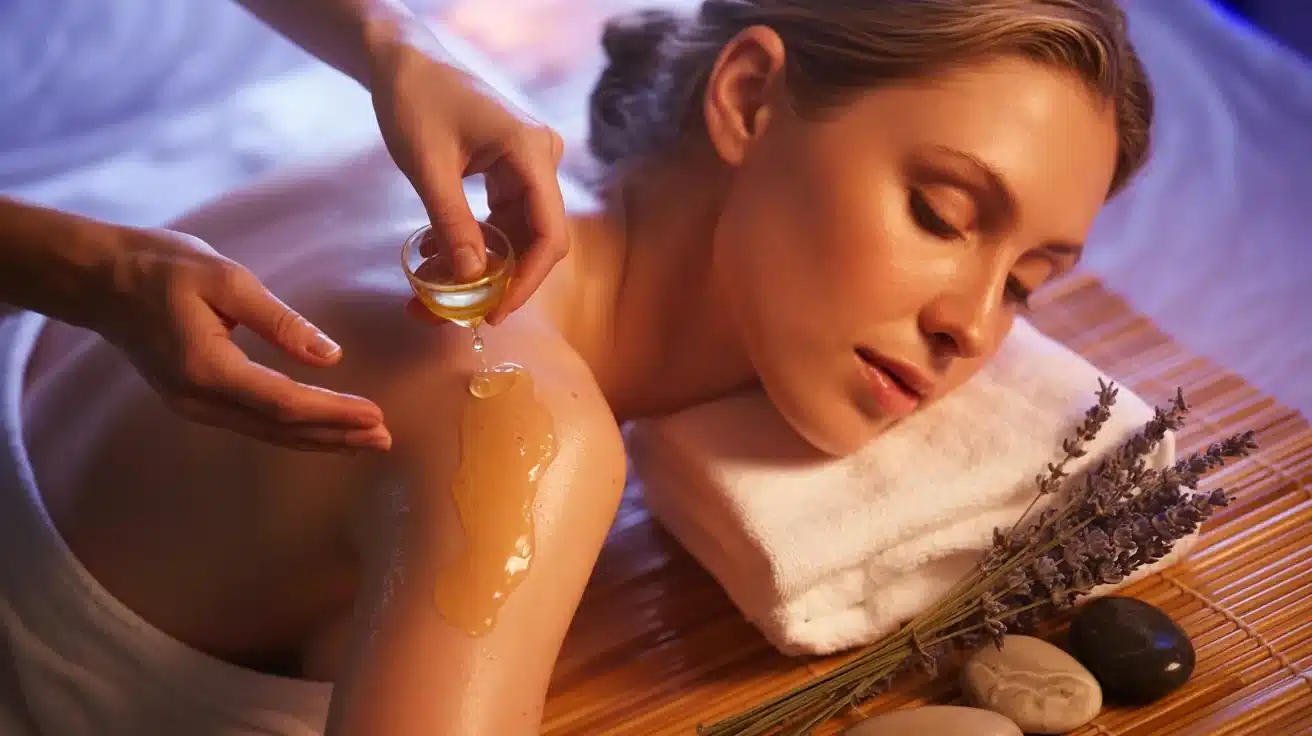
Lavender essential oil has calming and anti-inflammatory properties. It can help reduce pain and support skin healing.
Always dilute it first. Mix a few drops with a carrier oil like almond or jojoba oil before applying. Never put pure essential oil directly on sunburned skin; it will cause more irritation.
9. Peppermint or Tea Tree Oil for Cooling and Healing Support
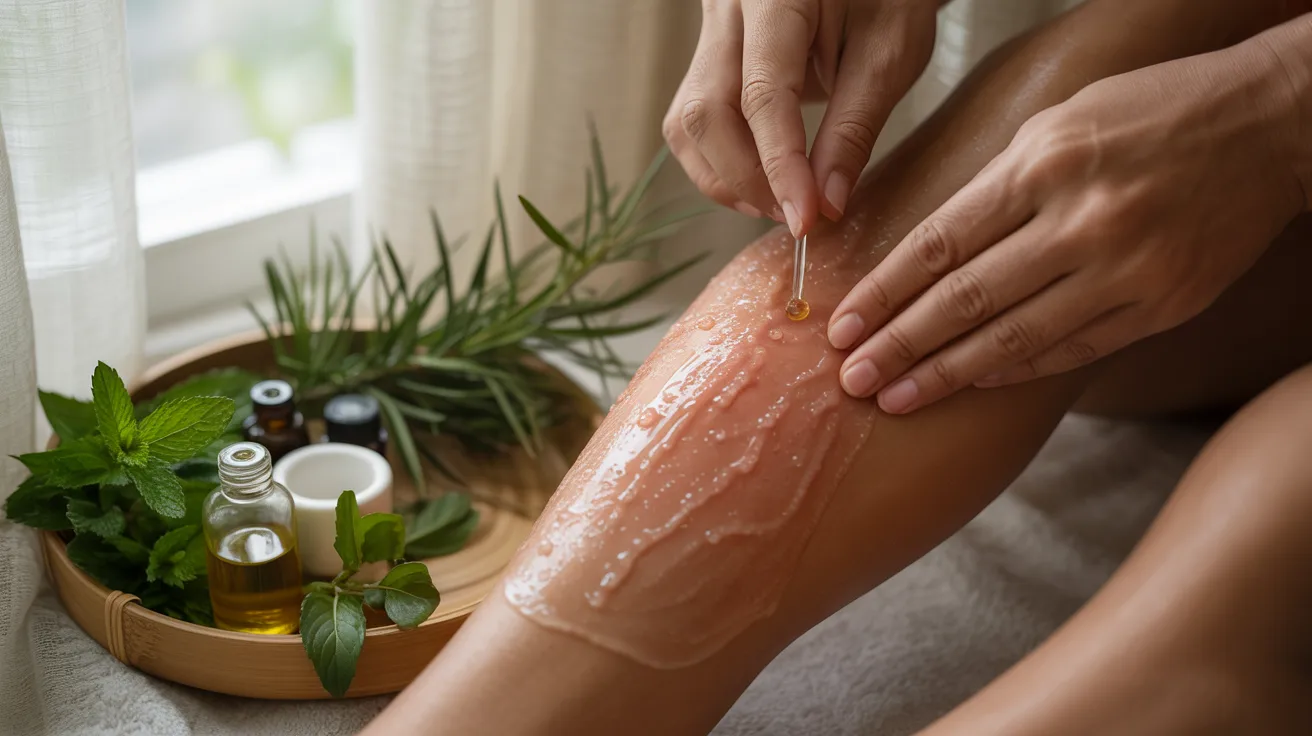
Peppermint oil creates a natural cooling sensation on the skin. Tea tree oil has antimicrobial properties that can protect broken skin from infection.
Like lavender oil, both must be diluted before use. Mix with a carrier oil and apply lightly. Avoid using these on blistered or open skin.
Tips to Speed Up Sunburn Recovery Naturally
Small daily habits can cut your healing time and reduce discomfort significantly.
- Drink plenty of water and eat fruits like watermelon, berries, and oranges to give your skin the antioxidants and vitamin C it needs to repair itself.
- Stay out of the sun completely while your skin heals. If going outside is necessary, cover burned areas with lightweight clothing and a hat.
- Avoid heavy lotions, perfumed products, and exfoliants during healing. Stick to simple, fragrance-free skincare only.
- Do not use oil-based products on fresh sunburn for at least 48 hours. Oils can trap heat in the skin and slow down recovery.
- Less is more when your skin is healing. The fewer products you apply, the better chance your skin has to recover on its own.
When to Seek Medical Attention for Sunburn
Most sunburns heal at home, but some need professional care know the signs.
Warning Signs Like Blisters, Numbness, or Severe Pain
See a doctor if you notice any of these
- Large blisters covering a wide area
- Numbness or tingling in the skin
- High fever or chills
- Severe headache or dizziness
- Nausea or confusion
These can be signs of sun poisoning or second-degree burns both need medical treatment.
When Home Remedies Are Not Enough
If the pain keeps getting worse after 48 hours, or the skin looks infected (pus, extreme swelling, red streaks), stop home treatment and contact a doctor.
Natural remedies are helpful for mild to moderate burns, not severe ones.
Conclusion
Sunburn is painful, but your skin can heal well with the right care. I’ve had my share of bad burns from forgetting sunscreen on a hot afternoon and these remedies genuinely helped me feel better faster.
Try aloe vera first, stay hydrated, and be patient with your skin.
The best natural remedies for sunburn home relief work when used the right way and at the right time. Have a remedy that worked for you? Drop it in the comments.
I’d love to hear what helped. Share this post with someone who needs it today.
Frequently Asked Questions
How long does sunburn usually take to heal?
Mild sunburn typically heals in 3-5 days. More severe burns with peeling may take up to two weeks to fully recover.
Can I apply aloe vera directly from the plant?
Yes, fresh aloe vera gel from a plant leaf is safe and effective. Make sure to rinse the leaf first and use only the clear inner gel.
Is it safe to moisturize sunburned skin?
Yes, but use a fragrance-free, gentle moisturizer. Avoid thick creams or oils in the first 24–48 hours as they can trap heat.
Should I pop sunburn blisters?
No. Popping blisters removes the skin’s natural protection and increases infection risk. Let them heal on their own.
Can sunburn cause long-term skin damage?
Yes. Repeated sunburns increase the risk of early aging and skin cancer over time. Using sunscreen daily is one of the best ways to protect your skin.