15 Toxic Ingredients to Avoid in Skincare Products


Have you ever wondered what’s really in your favorite moisturizer or face wash? I used to grab products based on pretty packaging until I learned the truth about what’s inside.
Many skincare items sitting on your bathroom shelf contain harmful chemicals that can damage your health over time.
These toxic ingredients may disrupt your hormones, trigger skin allergies, increase cancer risk, or cause reproductive problems.
Scary, right?
But here’s the relief: once you know what to avoid, you can protect yourself and your family. Plus, natural alternatives exist that actually work without the risks.
Let me guide you through 15 toxic ingredients you need to skip.
Why Being Ingredient-Aware Matters
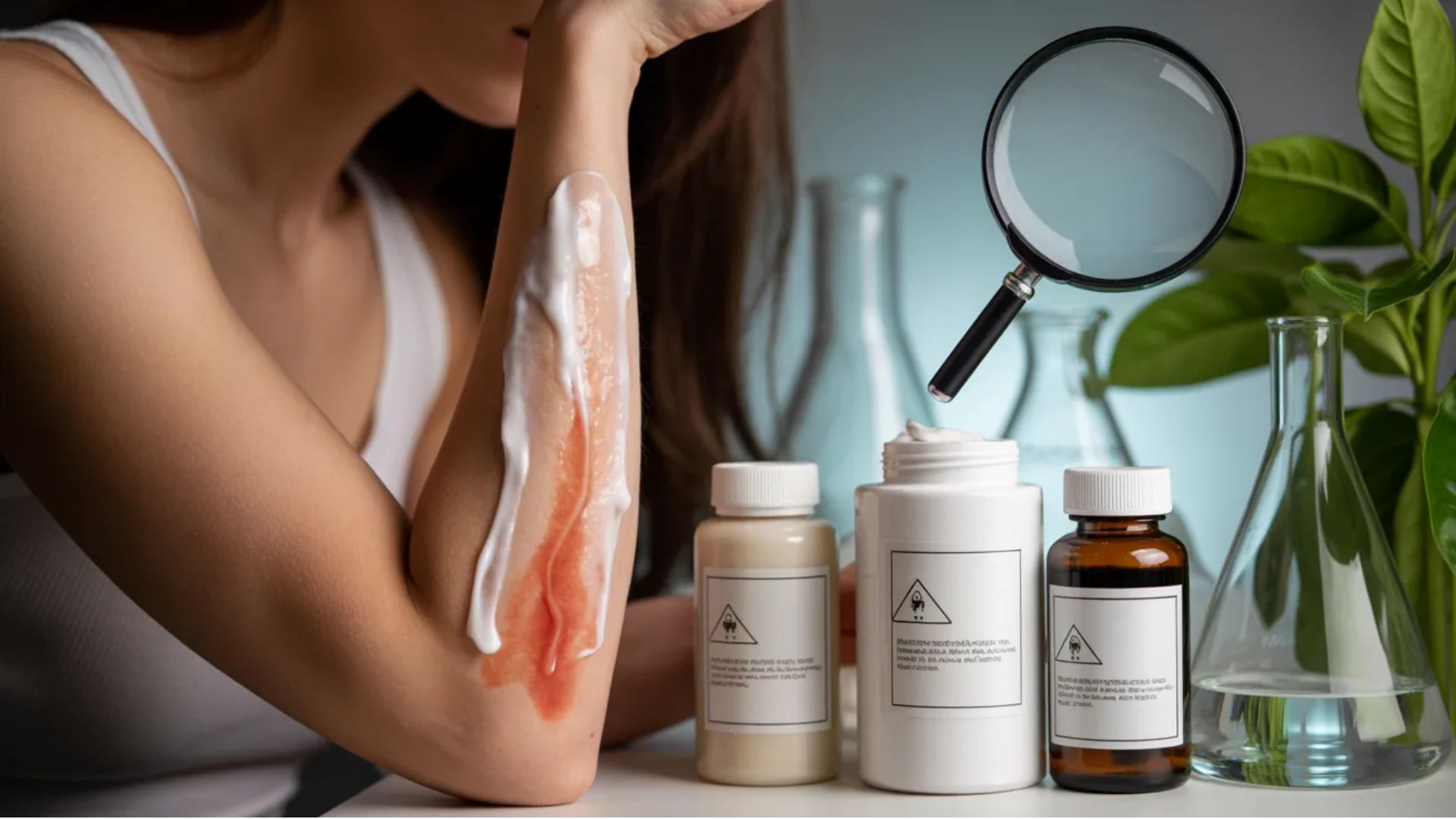
Your skin isn’t a barrier. It absorbs up to 60% of what you apply, allowing chemicals to enter your bloodstream.
Many harmful ingredients hide behind vague terms like “fragrance” or “parfum,” which can contain dozens of undisclosed toxins. Regulations vary worldwide.
Ingredients banned in Europe, Canada, or Japan often remain legal in the U.S. and India. Want to check your products quickly? Use tools like the EWG Skin Deep database.
Simply scan the ingredient list to identify potentially harmful substances before they touch your skin.
List of 15 Toxic Ingredients to Avoid
These harmful chemicals appear in everyday skincare products. Here’s what to watch for on ingredient labels.
1. Parabens
You’ll find parabens in moisturizers, shampoos, toothpaste, and deodorants as preservatives. They mimic estrogen in your body, disrupting your endocrine system.
Long-term exposure links to infertility issues and certain cancers. Look for methylparaben, propylparaben, or butylparaben on labels and choose paraben-free alternatives instead.
2. Sulfates (SLS, SLES)
Shampoos, soaps, delergents, and bath bombs contain sulfates to create foam. While they clean effectively, sulfates strip your skin’s natural oils, causing excessive dryness and irritation. People with sensitive skin often experience dermatitis from regular use. Sulfate-free products clean gently without harsh side effects.
3. Hydroquinone
Skin lighteners, moisturizers, and nail glue often contain hydroquinone for brightening effects. This ingredient causes allergic reactions and paradoxical darkening of skin patches.
Studies link it to cancer risks. Many countries have banned it, yet it remains available in certain markets. Avoid it completely.
4. Nanoparticles
Sunscreens, anti-aging creams, and toothpastes use nanoparticles for better absorption and texture. These tiny particles can penetrate deep into your skin cells, potentially damaging DNA.
Research shows they may harm your liver and weaken immune function. Choose products with clearly labeled particle sizes or mineral-based options.
5. Octinoxate (OMC)
Sunscreens, hair products, and nail polish contain octinoxate as a UV filter. This chemical absorbs into your bloodstream and mimics estrogen, disrupting hormones.
It affects fertility and reproductive health in both men and women. Many reef-safe sunscreens exclude it. Check labels for ethylhexyl methoxycinnamate.
6. Petrolatum / Petroleum Jelly
Lotions, creams, and lip balms use petrolatum for moisturizing and sealing skin. When not fully refined, it contains polycyclic aromatic hydrocarbons (PAHs), known carcinogens.
The refining quality varies by manufacturer. Opt for plant-based alternatives like shea butter or coconut oil for safer hydration.
7. PABA
Sunscreens use PABA as a UVB filter, though it’s less common now. This ingredient triggers allergic contact dermatitis in many users and disrupts thyroid function.
It also stains clothing permanently. Most modern sunscreens have replaced PABA with safer alternatives. Always verify its absence on labels.
8. Phenoxyethanol
Lotions, shampoos, baby wipes, and makeup contain phenoxyethanol as a preservative. It causes allergic reactions including eczema and hives in sensitive individuals.
High concentrations affect the nervous system, particularly concerning for babies. The FDA warns against its use in infant products. Choose gentler preservatives.
9. Polyacrylamides
Moisturizers, anti-aging creams, and hair products use polyacrylamides for texture and consistency. These compounds break down into acrylamide, a known carcinogen.
They also cause reproductive toxicity with repeated exposure. European regulations restrict their use. Look for acrylamide-free formulations on product labels for safety.
10. Retinol & Retinol Compounds
Anti-aging creams, moisturizers, and foundations feature retinol for wrinkle reduction. While effective, retinol increases sun sensitivity and skin cancer risk when exposed to UV light.
High doses prove toxic, especially during pregnancy. Use only at night and always apply sunscreen during daytime if using retinol products.
11. Triclosan
Antibacterial soaps, toothpaste, and deodorants contain triclosan to kill bacteria. It disrupts thyroid hormones and contributes to antibiotic-resistant bacteria strains.
Triclosan also harms aquatic ecosystems when washed down drains. The FDA banned it from soaps, but it persists in other products. Regular soap works just fine.
12. Coal Tar
Shampoos, hair dyes, and scalp treatments use coal tar for treating dandruff and psoriasis. This ingredient causes skin tumors and various cancers with long-term use.
It also damages the nervous system. Many countries restrict or ban coal tar in cosmetics. Natural alternatives treat scalp conditions safely.
13. Homosalate
Sunscreens and sun-protective skincare products contain homosalate as a UV filter. It disrupts hormones by mimicking estrogen in your body.
Studies show it enhances skin’s absorption of pesticides and other toxins. Homosalate accumulates in your system over time. Consider mineral-based sunscreens with zinc oxide instead.
14. Preservatives (Formaldehyde & Derivatives, DMDM Hydantoin, Quaternium-15, etc.)
Shampoos, lotions, nail polish, and anti-aging products use formaldehyde-releasing preservatives to extend shelf life.
These chemicals cause cancer, reproductive toxicity, and severe skin irritation. They release formaldehyde gas over time. Watch for DMDM hydantoin, quaternium-15, and diazolidinyl urea on labels. Choose formaldehyde-free options.
15. Heavy Metals (Lead, Chromium, Thimerosal, Aluminium)
Lipsticks, eyeliners, foundations, toothpastes, and antiperspirants often contain trace heavy metals. Lead and chromium damage your nervous system irreversibly.
Thimerosal disrupts hormones, while aluminum links to fertility problems. These metals accumulate in body tissues. Choose brands that test for heavy metal contamination and publish results.
Quick Comparison Table
A quick reference guide to the most harmful chemicals found in common skincare products.
|
Ingredient |
Found In |
Main Risk |
Notes |
|
Parabens |
Moisturizers, shampoos |
Endocrine disruption, cancer |
Common preservative |
|
Sulfates |
Shampoos, soaps |
Dermatitis, dryness |
Creates lather |
|
Hydroquinone |
Skin lighteners |
Cancer, pigmentation |
Avoid long-term use |
|
Phenoxyethanol |
Lotions, baby wipes |
Allergies, nervous system |
Widely used preservative |
|
Triclosan |
Soaps, toothpaste |
Hormone disruption |
Environmental bioaccumulation |
Conclusion
Reading your skincare labels is just as important as checking nutrition facts on food. I’ve made the switch to cleaner products, and my skin has never looked better.
You have the power to protect your health by choosing safer alternatives. Start small. Replace one product at a time with natural options that work without the risks.
Your body will thank you for it.
Ready to clean up your routine? Check your bathroom shelf today and remove products containing these toxic ingredients.
Share this guide with friends who care about their health too.
Frequently Asked Questions
What are the most dangerous ingredients in skincare products?
Parabens, formaldehyde-releasing preservatives, and heavy metals top the list. These chemicals disrupt hormones, cause cancer, and damage your nervous system with regular use.
How can I tell if my skincare products contain toxic ingredients?
Read the ingredient list on product labels carefully and look for the chemicals mentioned in this guide. Use the EWG Skin Deep database to scan products and check safety ratings.
Are natural and organic skincare products always safer?
Natural products are generally safer, but not all are toxin-free since “natural” isn’t strictly regulated. Always read labels and verify ingredients through trusted databases.
Can toxic skincare ingredients affect my overall health?
Yes, your skin absorbs up to 60% of what you apply, allowing chemicals into your bloodstream. This can cause hormone problems, fertility issues, and increase cancer risk.
What should I do if I’ve been using products with toxic ingredients?
Don’t panic, but start replacing them gradually with safer alternatives. Your body naturally eliminates many chemicals, so switching now reduces future health risks.