Mature vs Receding Hairline: How to Tell the Difference

I remember standing in front of the mirror one morning, wondering if my hairline had always looked that way.
That small moment of doubt sent me searching for answers. Not every hairline change means you are losing your hair.
There is a real difference between a mature hairline and a receding one. One is a normal part of growing up.
The other signals hair loss that benefits from early attention. This guide will help you understand what is actually happening with your hairline, why it changes, and what you can do about it.
What Is a Mature Hairline?
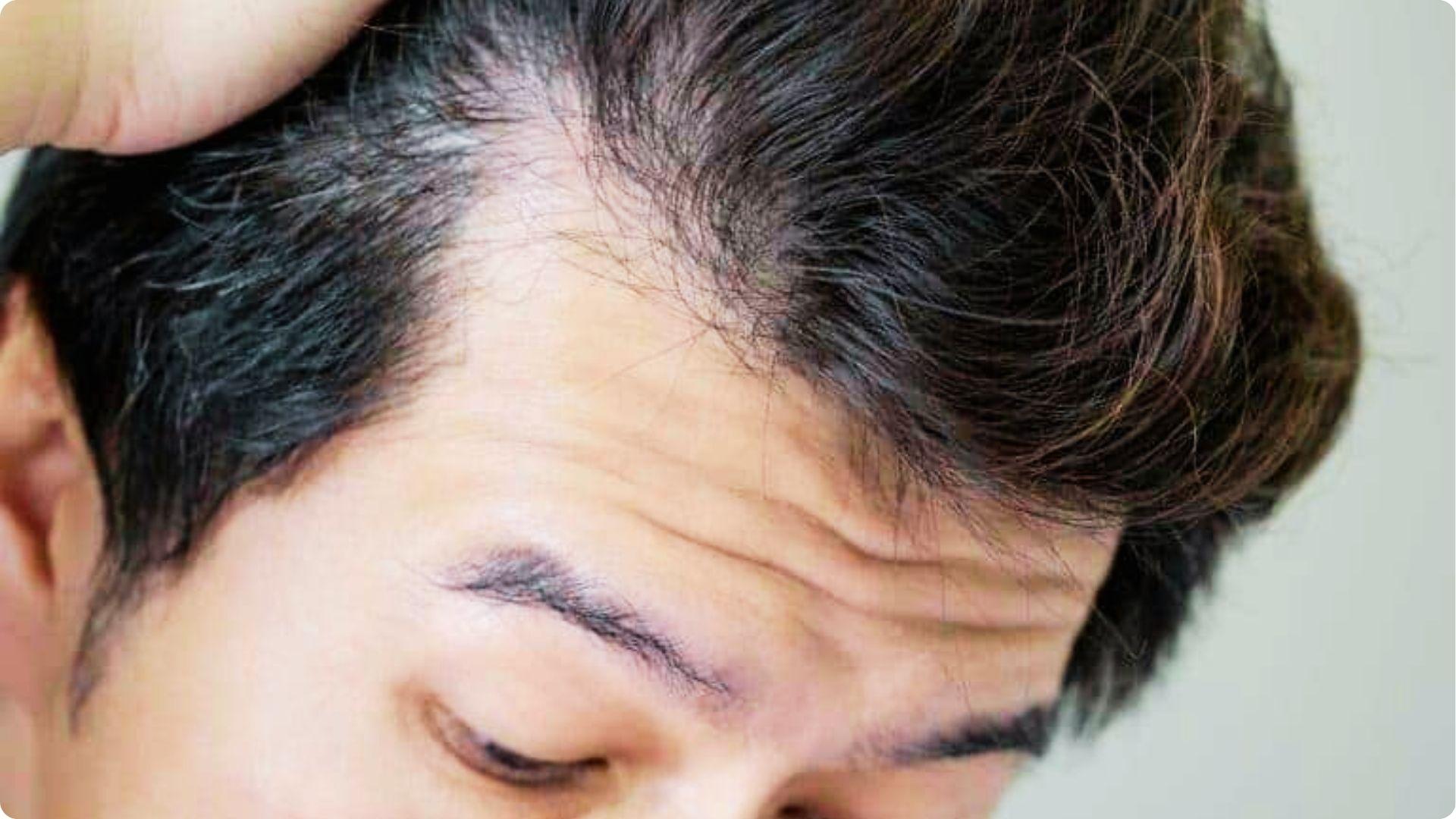
A mature hairline is a natural shift that happens as you move from your teenage years into adulthood.
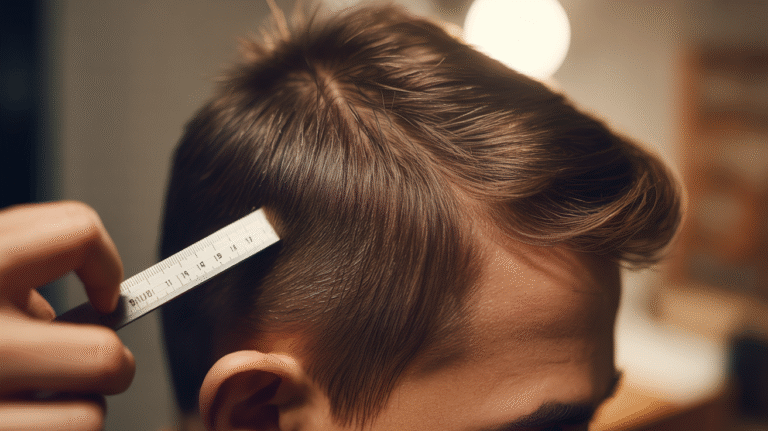
During your teens, your hairline sits low on your forehead. As you reach your late teens or early twenties, it moves back slightly, usually by about 1 to 1.5 centimeters.
This is completely normal. The hairline forms a gentle, even shape and stays symmetrical on both sides.
The hair behind it remains thick and healthy. Most importantly, it stabilizes after the initial shift and stops moving.
A mature hairline needs no treatment. It is simply your hairline settling into its adult position.
What Is a Receding Hairline?
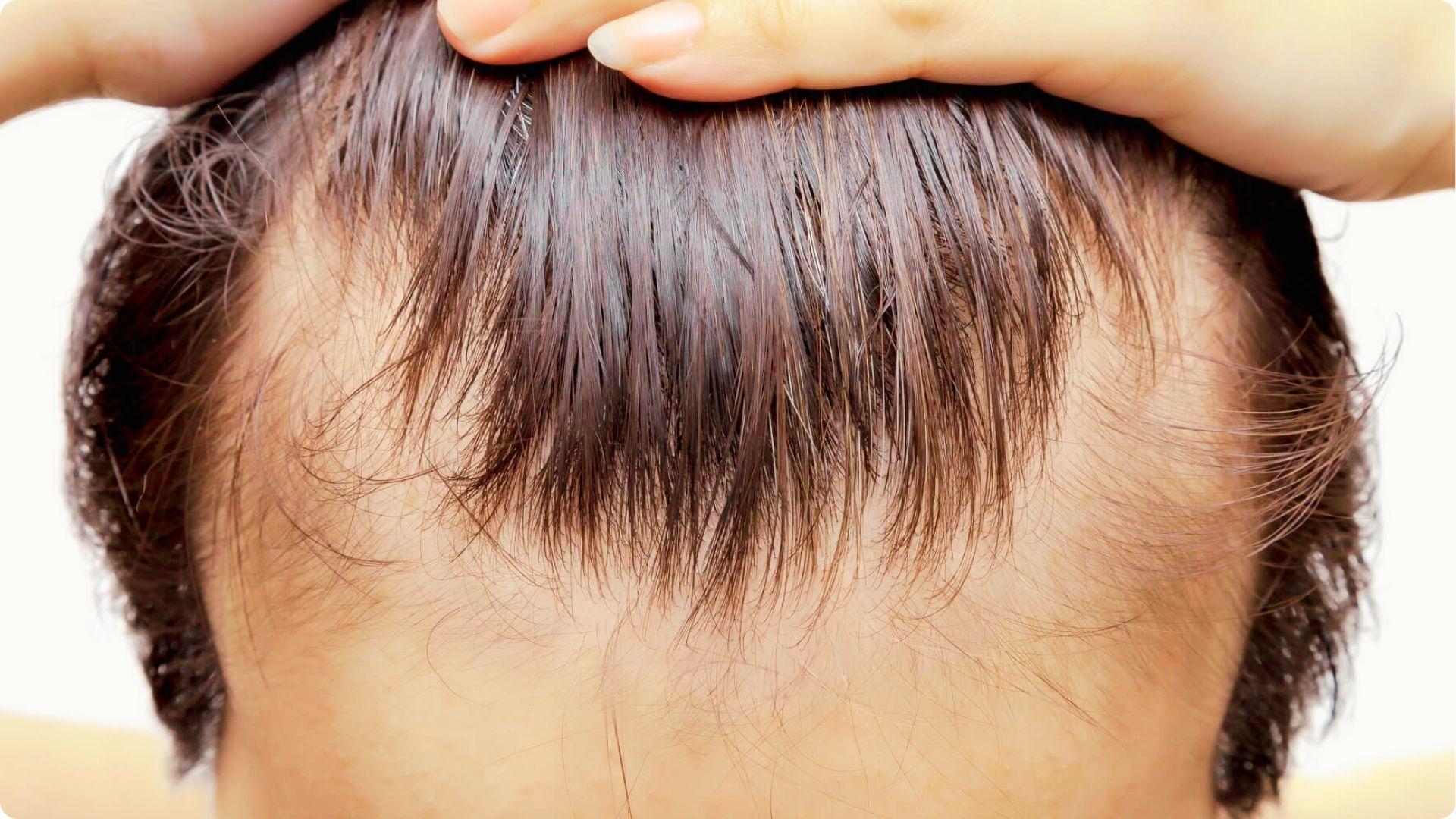
A receding hairline is caused by genetic hair loss, known as androgenetic alopecia.
It happens when hair follicles become sensitive to a hormone called DHT. Over time, DHT causes follicles to shrink, producing thinner and weaker hair with each cycle.
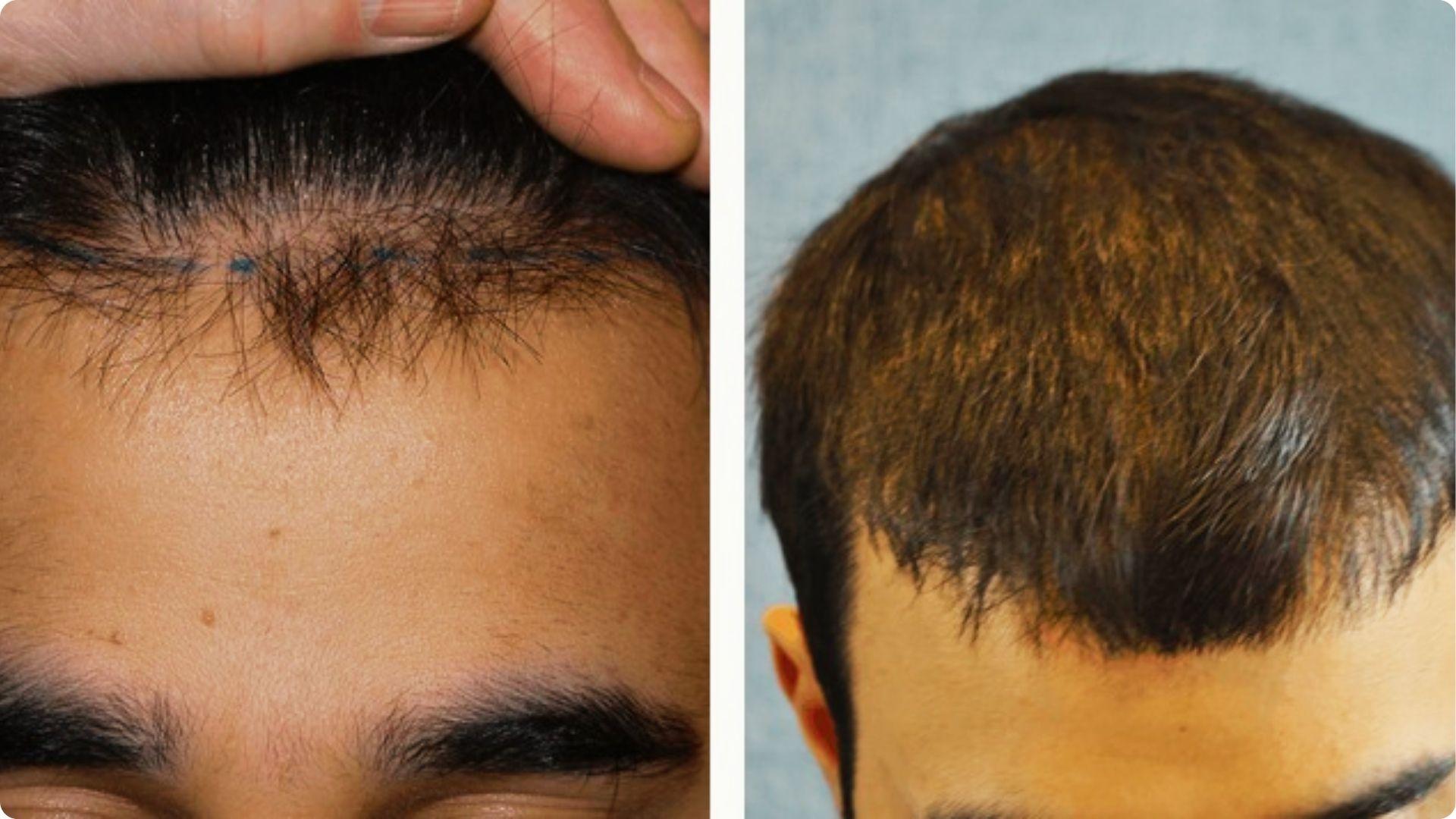
Unlike a mature hairline, a receding hairline does not stop on its own. It keeps progressing, often starting at the temples and forming a deeper M or V shape.
The hair in affected areas becomes fine and patchy. On the Norwood scale, it moves beyond Stage 2. Early recognition gives you the best chance of slowing it down effectively.
Mature vs Receding Hairline: Key Differences

Knowing exactly what sets these two apart makes it much easier to understand what your hairline is telling you.
| Feature | Mature Hairline | Receding Hairline |
| Cause | Natural aging process | Genetic hair loss (androgenetic alopecia) |
| Hairline Shape | Slight, even M or U shape | Deep M or V shape with temple recession |
| Rate of Change | Gradual then stabilizes | Continuous progression over time |
| Hair Density | Thick and even behind hairline | Thinning and patchy areas appear |
| Hair Quality | Healthy, normal strands | Miniaturized, weak, fine hairs |
| Progression | Stops after initial shift | Continues without treatment |
| Norwood Scale | Stage 2 | Stage 3 or beyond |
| Crown Involvement | None | May include crown thinning |
| Symmetry | Symmetrical | Often uneven temples |
| Reversibility | No treatment needed | Can be slowed or partially reversed |
Use this table as a quick reference to compare what you are seeing in the mirror with what each pattern actually looks like in real life.
How to Tell If Your Hairline Is Mature or Receding
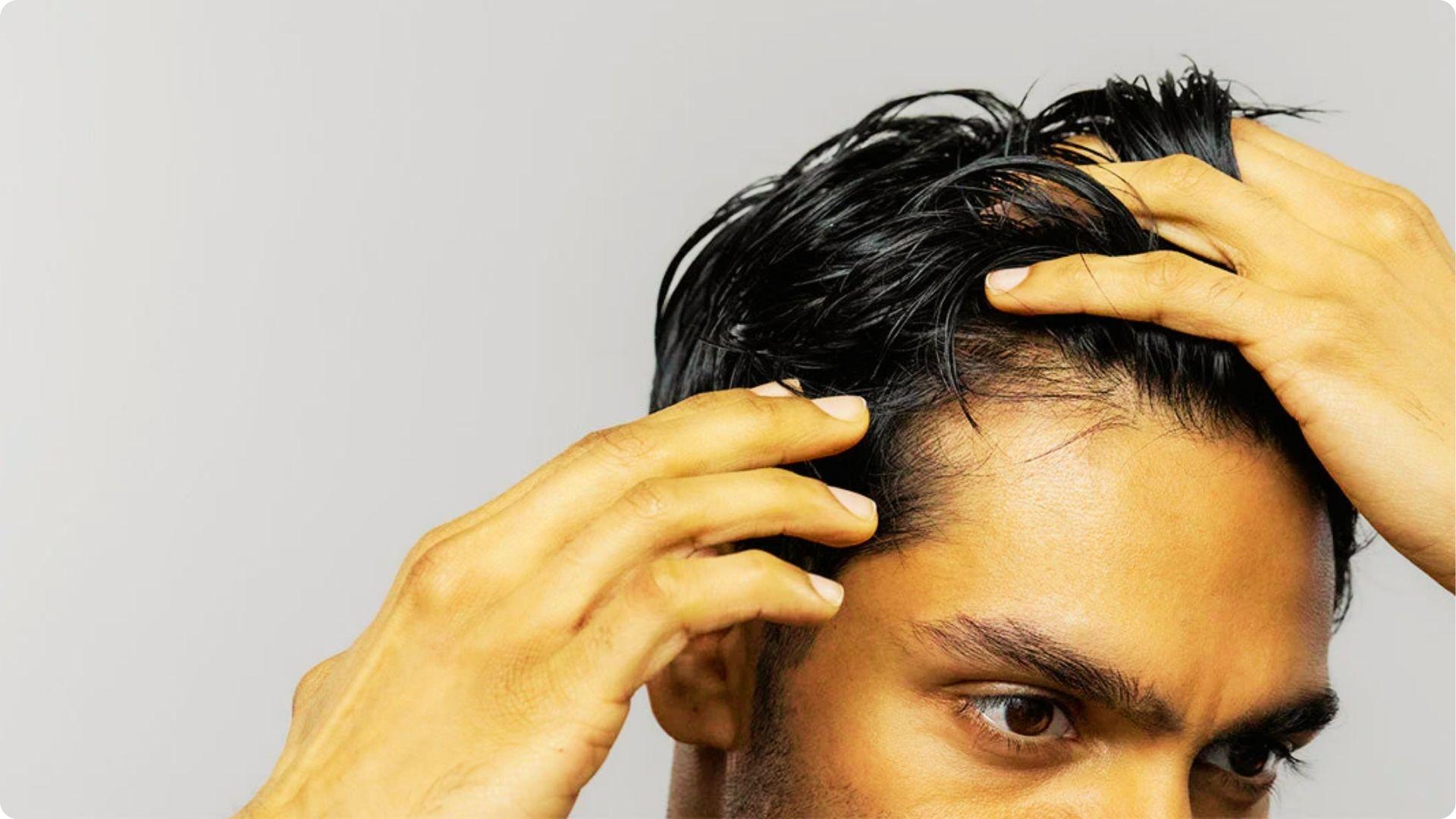
A few practical checks can help you figure out what your hairline is really telling you.
1 to 2 cm Recession Guideline
A recession of 1 to 1.5 centimeters is usually a normal mature shift. If it goes beyond 2 centimeters or keeps increasing, it may be an early sign of hair loss.
Stable vs Ongoing Change Over Time
A mature hairline shifts once and then stops. If your hairline keeps moving month after month, that pattern is worth taking seriously.
Hair Shedding Patterns to Notice
Losing 50 to 100 hairs a day is normal. If shedding increases and the regrowth comes back finer and weaker, your hairline may be doing more than just maturing.
Mature vs Receding Hairline in Men

Men are more likely to face both patterns, which is why understanding each one clearly is so important.
Why Men Commonly Experience Both Patterns
Male hormones like testosterone and DHT drive both the natural hairline shift and genetic hair loss.
A man can have a perfectly normal mature shift in his twenties and still develop recession later if he is genetically prone.
Typical Age Timeline from Teens to 40s and Beyond
Most men notice their hairline shifting between ages 17 and 25. Genetic recession, if it occurs, often becomes visible in the late twenties and grows more noticeable through the thirties and forties.
Role of Genetics and Family History
If hair loss runs in your family on either side, your chances of receding are higher. Genetics is not a guaranteed outcome, but it is one of the strongest factors involved.
Why Hairlines Change Over Time

Your hairline shifts for real reasons, and knowing those reasons helps you take the right steps.
Natural Aging and Hormonal Shifts
Hormone levels change as men age, and those changes directly affect the hair growth cycle.
This is a slow process, but it can gradually contribute to thinning and hairline movement over the years.
DHT Sensitivity and Follicle Miniaturization
DHT attaches to follicle receptors and causes them to shrink over time, producing finer and shorter hairs with each cycle.
Men with a genetic sensitivity to DHT are far more vulnerable to this process.
Lifestyle and Environmental Triggers
Stress, poor nutrition, tight hairstyles, heat styling, and smoking can all speed up hair loss.
These habits do not cause genetic loss on their own, but they can make an existing tendency worse.
When a Mature Hairline Becomes a Receding Hairline
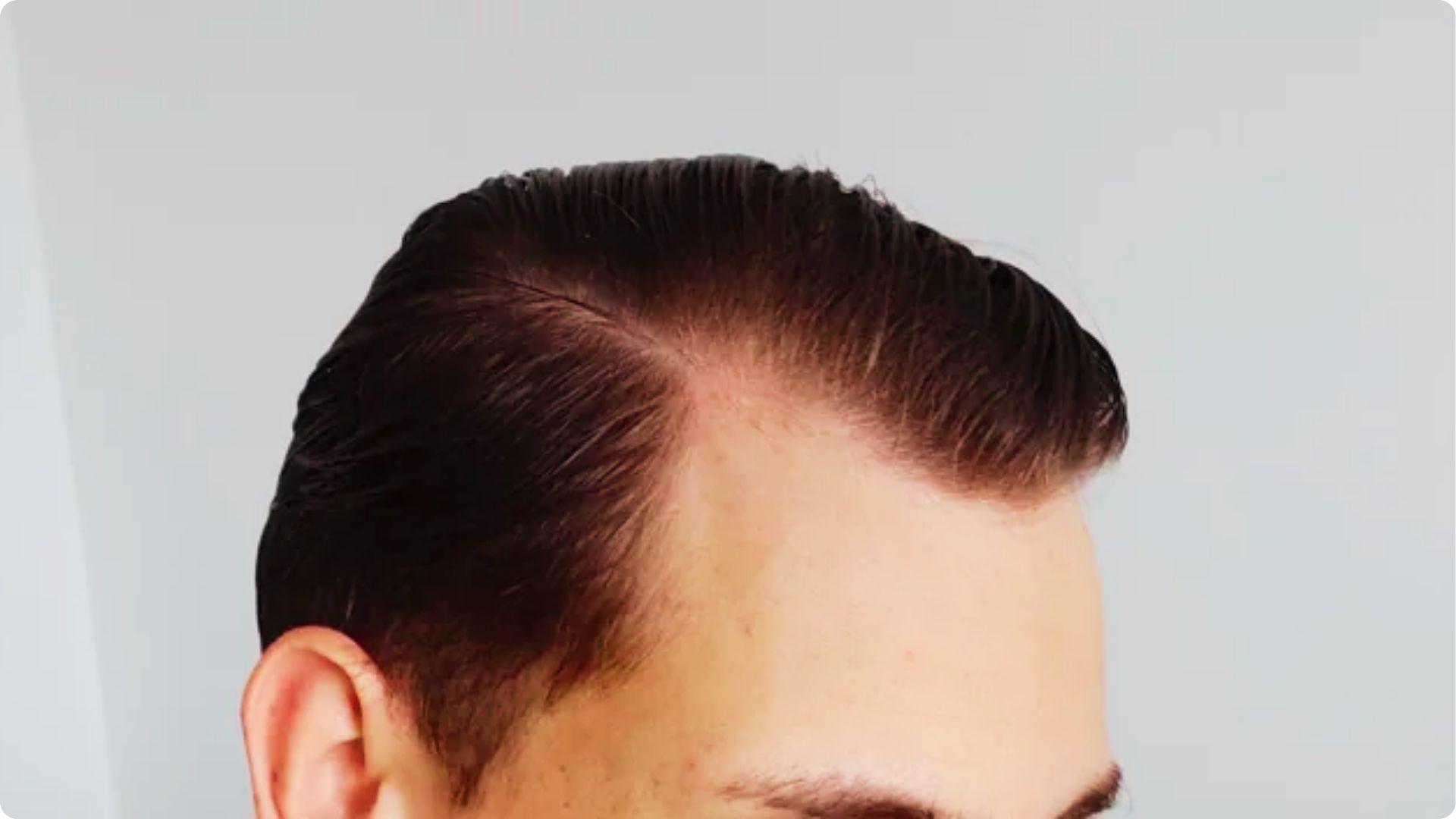
A hairline that was once stable can begin to recede, and catching it early gives you the best options.
Signs That Indicate Progression
Watch for a deepening M or V shape, patchy spots near the temples, increased shedding, or early crown thinning.
These are signs the follicles are actively responding to DHT, not just settling into a mature position.
Importance of Tracking Hairline Changes
Taking photos every one to three months in the same lighting gives you a reliable visual record.
Day-to-day observation often misses gradual changes that become very clear when you compare older photos side by side.
When to Consult a Specialist
If recession keeps going, shedding increases, or thinning appears beyond the hairline, see a dermatologist.
The earlier you get checked, the more treatment options will be available to you.
What to Do If You Have a Receding Hairline
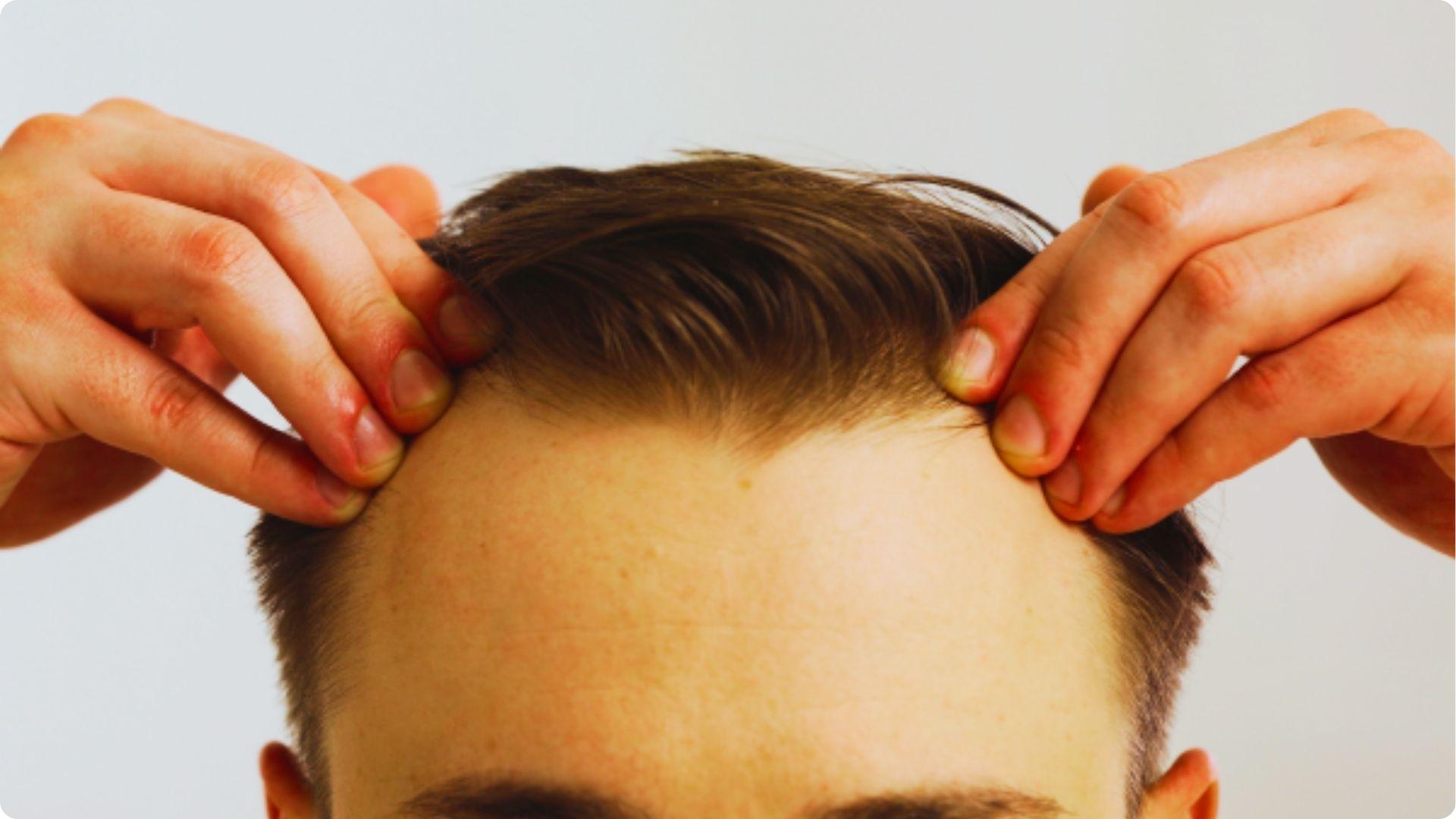
A receding hairline is not the end of the road, and there are real, proven options available.
Medical Treatments: Finasteride and Minoxidil
Finasteride reduces DHT in the body to slow follicle shrinkage, while minoxidil improves scalp blood flow to support regrowth.
Both have strong clinical backing and work best when started early and used consistently.
Non-Surgical Treatments: PRP and Laser Therapy
PRP therapy uses concentrated growth factors from your own blood to support struggling follicles.
Low-level laser therapy stimulates follicle activity and works well alongside medical treatments for better overall results.
Hair Transplant Options for Advanced Cases
FUE and FUT are the two main transplant methods, both involving moving healthy follicles to thinning areas.
Modern techniques produce very natural-looking results and a specialist can advise which approach suits your level of loss.
Tips to Maintain a Healthy Hairline
Small daily habits can make a real difference to your hairline over time.
- Eat foods rich in protein, iron, zinc, and biotin to keep follicles strong and active.
- Manage stress and get enough sleep, as high cortisol disrupts the hair growth cycle.
- Avoid tight hairstyles and limit heat styling to reduce tension and damage at the roots.
- Keep your scalp clean to create the right conditions for healthy hair growth.
- Take photos every few months to track any changes before they become harder to address.
Conclusion
Understanding the difference between a mature hairline and a receding one changed how I looked at my own reflection.
Once I stopped guessing and started paying attention, everything felt less overwhelming.
If your hairline has shifted slightly and stayed put, you are most likely fine. But if it keeps changing, now is the right time to act.
Do not wait until it feels urgent. I hope this post gave you some real clarity. Drop a comment below and let me know what you noticed about your own hairline.
Frequently Asked Questions
Can a mature hairline turn into a receding hairline?
Yes, it can. A mature hairline is stable on its own, but men with a genetic tendency toward hair loss may see further recession develop later in life.
At what age does a mature hairline develop?
Most men develop a mature hairline between the ages of 17 and 29. It is a normal part of early adulthood and does not indicate hair loss on its own.
How fast does a receding hairline progress?
The speed varies from person to person. Genetics, DHT sensitivity, stress, and overall health all influence how quickly or slowly a receding hairline moves.
Is Norwood 2 always a mature hairline?
Not always. Norwood Stage 2 can reflect a mature hairline, but it can also be the starting point of androgenetic alopecia. Whether it is stable or still moving is the key factor.
Can early hairline recession be reversed?
Full reversal is unlikely, but starting treatment early can slow progression significantly. Minoxidil and finasteride tend to work best when used before the loss becomes more advanced.