Why Is My Hair So Greasy? Best Solutions

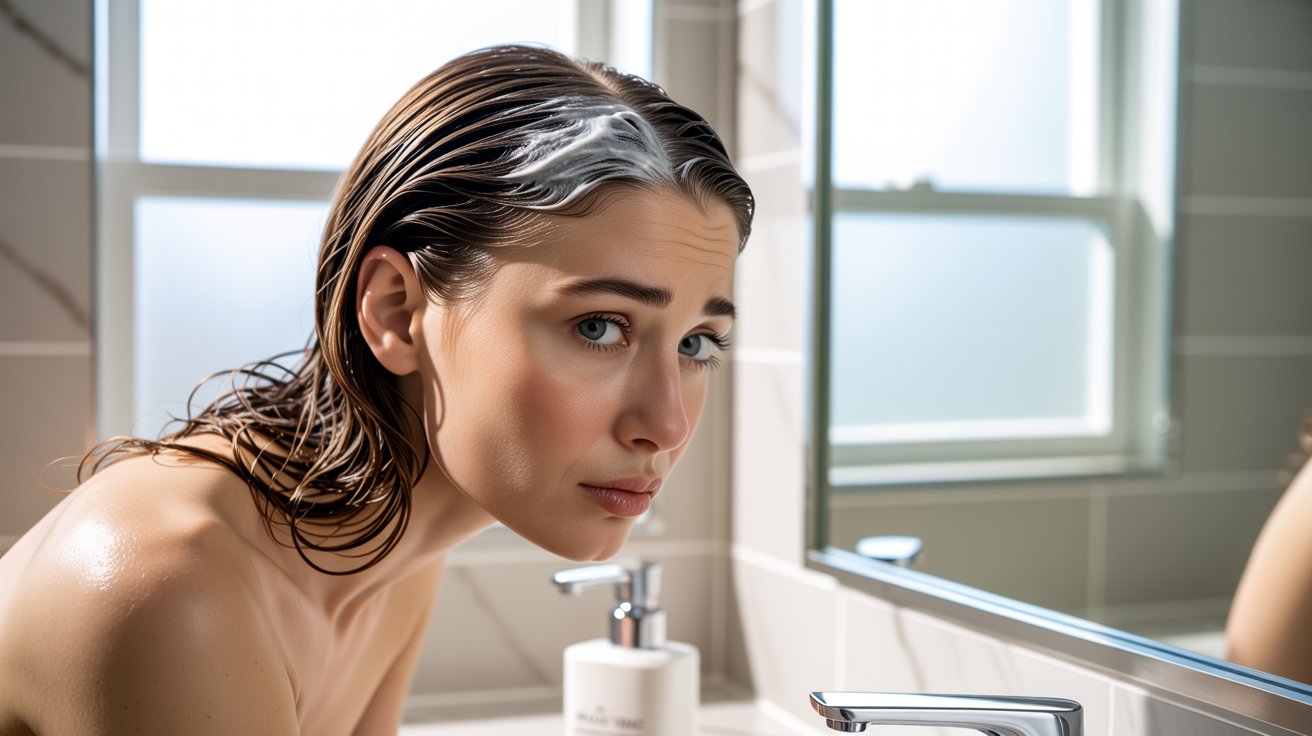
I used to wash my hair every single day and still felt greasy by noon. It was frustrating. I tried switching shampoos, skipping conditioner, everything. Nothing seemed to stick.
If your hair feels oily faster than it should, you are not alone.
In this blog, I will walk you through why greasy hair happens, what common mistakes make it worse, and the best solutions that actually help.
I have spent time researching this topic and testing what works. You will leave here with a clear, simple plan to get your hair feeling fresh again.
Why Does Hair Get Greasy So Quickly?

Your scalp produces oil naturally. This oil is called sebum, and it is actually good for your hair.
It keeps strands moisturized and protected. But when your scalp produces too much of it, your hair starts to look flat, limp, and greasy within hours of washing.
Several things speed up oil production. Your hair type, wash habits, products, hormones, and even stress all play a role.
The good news is that most of these causes are manageable once you know what to look for.
Common Reasons Your Hair Is So Greasy
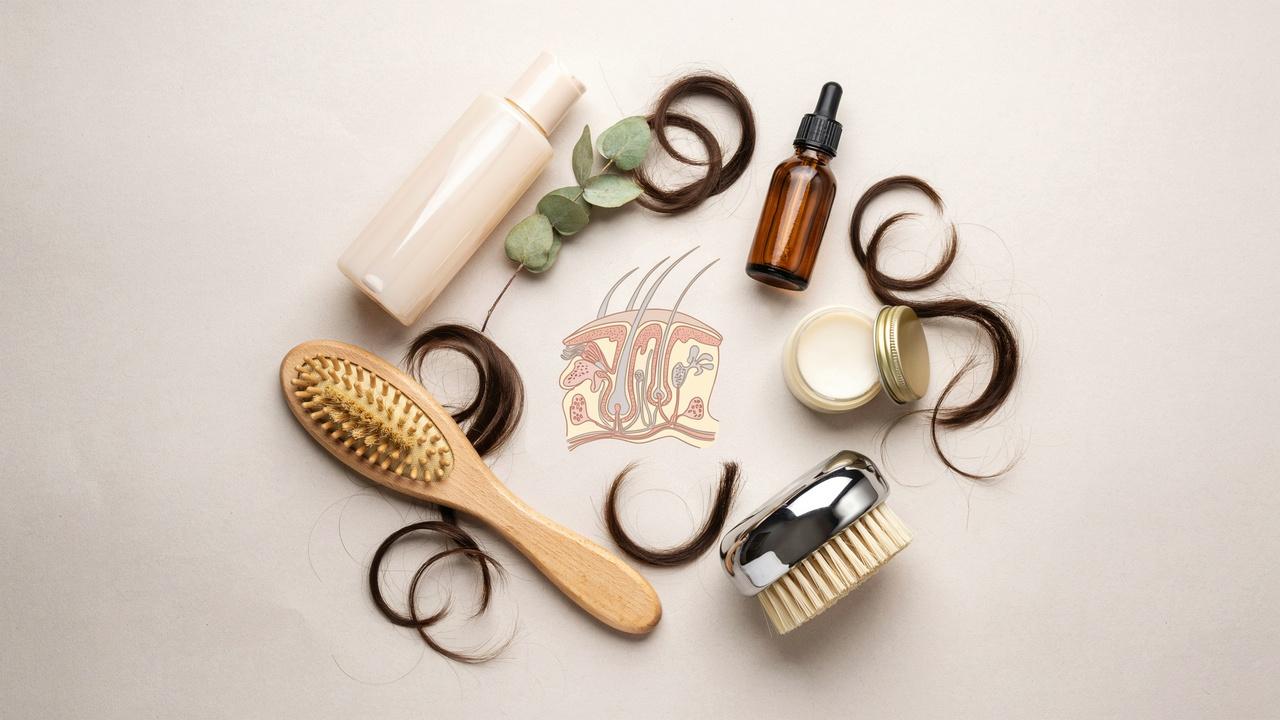
Greasy hair rarely has just one cause. Here is a breakdown of the most common triggers.
Overactive Sebaceous (Oil) Glands
Your scalp has tiny glands that release sebum. When these glands produce too much oil, your hair gets greasy fast.
This can be genetic or triggered by hormonal shifts, diet, or even dehydration.
Washing Your Hair Too Often
This one surprised me when I first learned it. Washing every day strips your scalp of its natural oils.
Your scalp responds by producing even more oil to compensate. It becomes a frustrating cycle that keeps making things worse.
Using Harsh or Sulfate-Based Shampoos
Sulfates are strong cleansing agents. They clean well, but they also dry out your scalp aggressively.
Again, your scalp responds by ramping up oil production. If your shampoo lathers a lot, it likely has sulfates.
Fine or Thin Hair Gets Oily Faster
Fine hair has less surface area. Oil travels down thin strands much faster than it does on thick or coarse hair.
This is why people with fine hair often deal with greasiness more than others.
Product Buildup on the Scalp
Dry shampoo, styling sprays, and serums can accumulate on the scalp over time.
This buildup can clog follicles and mix with natural oils, making hair look dirty and heavy even after washing.
Hormonal Changes and Genetics
Puberty, pregnancy, menstrual cycles, and conditions like PCOS can all increase oil production.
If greasy hair runs in your family, your genetics are likely part of the picture.
Stress and Lifestyle Factors
When you are stressed, your body releases cortisol. High cortisol levels can trigger your oil glands to work overtime.
Poor sleep and a diet high in refined carbs and sugar can also worsen scalp oiliness.
Touching Your Hair Too Frequently
Every time you run your fingers through your hair, you transfer oil from your hands directly to your strands.
This makes your hair greasy much faster than it naturally would be.
Signs Your Hair Care Routine Is Making Hair Greasier
Sometimes your routine is working against you without you realizing it.
Watch for these signs:
- Your hair feels oily within hours of washing
- Your scalp feels tight or itchy after shampooing
- You use dry shampoo daily just to get through the day
- Your roots look flat and heavy even with light styling products
- You have been washing more often but the greasiness is getting worse
How to Fix Greasy Hair Naturally
Small changes in how you wash and care for your hair can make a big difference.
Switch to a Gentle, Sulfate-Free Shampoo

Look for shampoos labeled sulfate-free or gentle cleansing. These clean without stripping your scalp. Your scalp adjusts within a few weeks and stops overproducing oil.
Wash Your Hair at the Right Frequency

For most people, washing every two to three days works better than daily washing. It gives your scalp time to regulate. Yes, the first week or two may feel awkward. Push through it.
Use Conditioner Only on Mid-Lengths and Ends
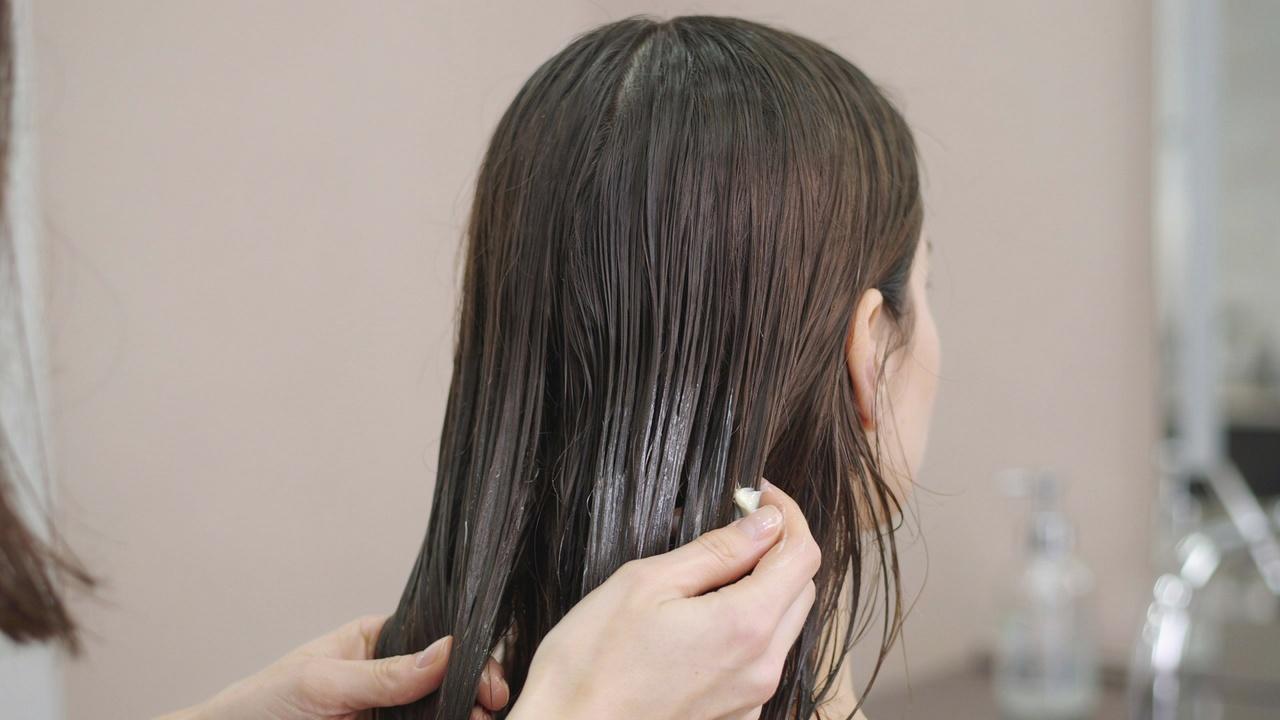
Conditioner on the scalp is one of the fastest ways to make your roots greasy. Apply it from the mid-shaft down and rinse well. Your roots do not need extra moisture.
Try a Pre-Wash Scalp Treatment

Applying a light oil like jojoba or argan oil to your scalp 30 minutes before washing can actually help balance oil production.
It sounds counterintuitive, but it works by signaling the scalp to produce less on its own.
Massage Your Scalp to Remove Buildup
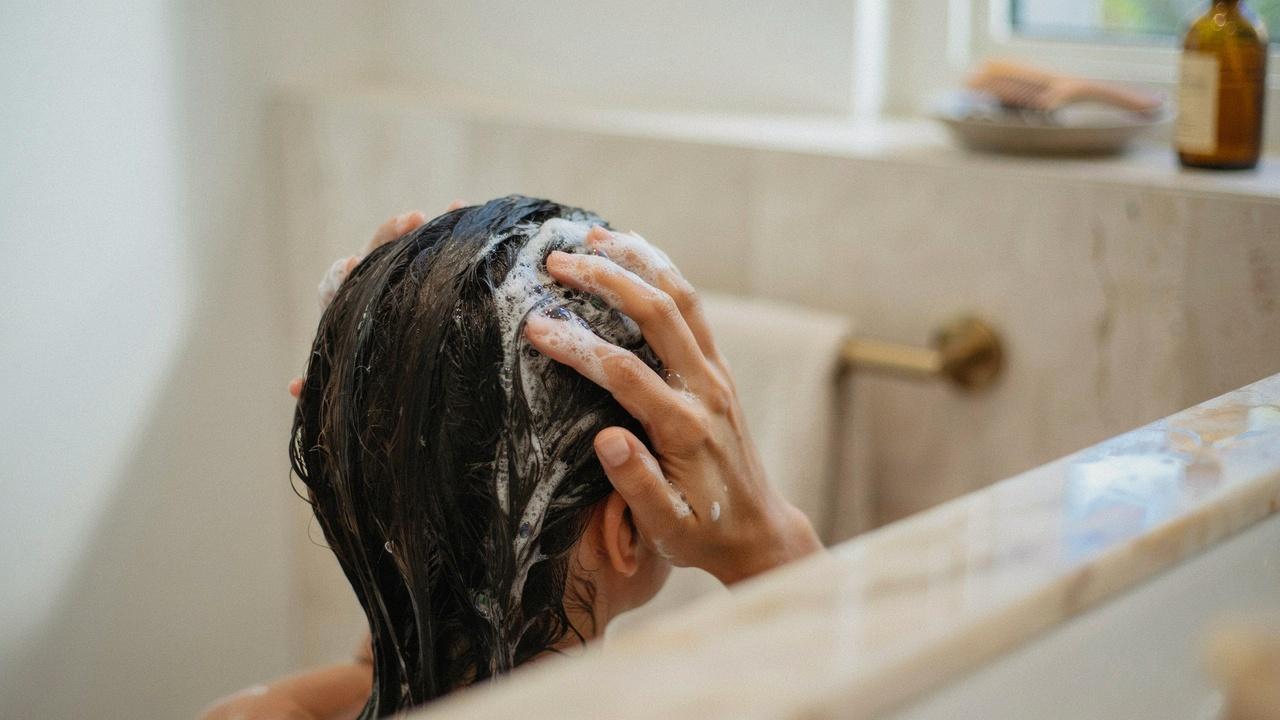
Use your fingertips, not nails, to massage your scalp gently while shampooing. This helps lift buildup, improve circulation, and clean more thoroughly. Do this for at least 60 seconds.
Rinse with Lukewarm or Cool Water
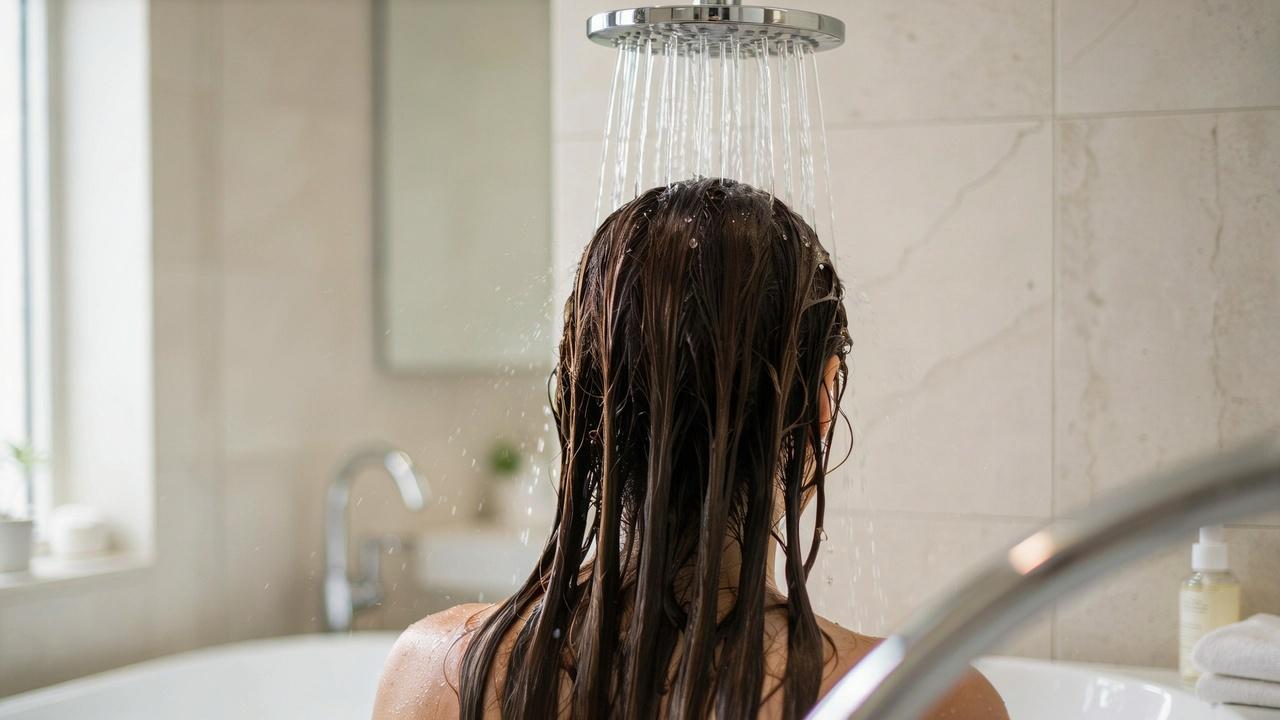
Hot water stimulates the oil glands. Rinsing with cool or lukewarm water helps close the follicles and slow down sebum production. It also adds shine to your hair.
Best Hair Care Routine for Greasy Hair

Building a consistent routine makes greasy hair much easier to manage over time.
Morning Routine for Fresher Hair
On non-wash days, flip your hair upside down and shake it out. Apply a tiny amount of dry shampoo at the roots and let it sit for a few minutes before brushing.
Avoid touching your hair after styling.
Weekly Scalp Care Routine
Once a week, use a clarifying shampoo or a scalp scrub to remove deep buildup. Follow with a lightweight conditioner only on the ends.
This resets your scalp and keeps oil production in check.
How to Transition Away from Daily Washing
Start by skipping one day between washes. Then push to two days. Use dry shampoo, loose braids, or a bun on off days.
After three to four weeks, your scalp will naturally produce less oil.
When to Use Dry Shampoo
Dry shampoo is a tool, not a solution. Use it between washes to absorb excess oil, but do not let it replace actual washing.
Overuse leads to buildup that makes greasiness worse in the long run.
Hair Products That Can Help Reduce Greasiness
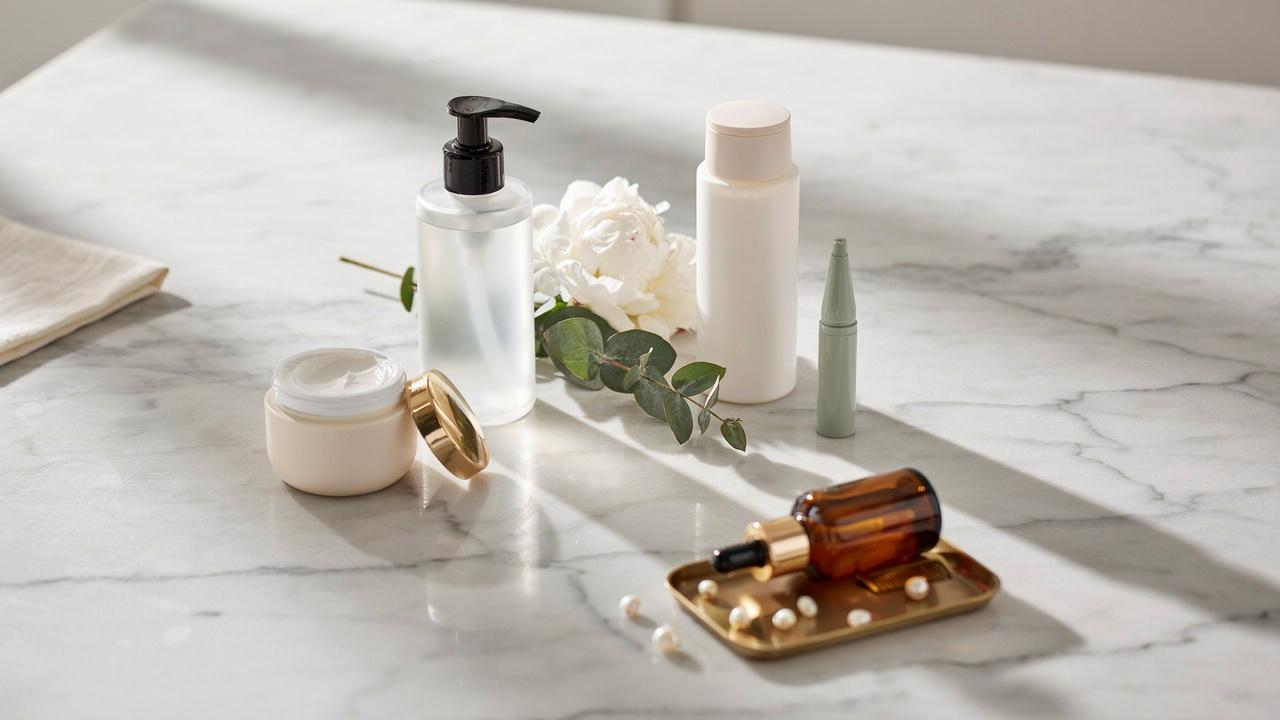
The right products do half the work for you.
Gentle Cleansing Shampoos
Look for shampoos with ingredients like salicylic acid, tea tree oil, or zinc. These help regulate the scalp without over-drying it.
Lightweight Conditioners
Opt for conditioners that are water-based or labeled "volumizing." These hydrate your ends without weighing your roots down.
Clarifying Treatments
Use a clarifying shampoo once a week or every two weeks. These remove mineral deposits, product residue, and excess oil that regular shampoos leave behind.
Scalp Oils for Oil Balance
Jojoba oil closely mimics the scalp's natural sebum. Using a few drops before washing helps balance oil production over time without clogging pores.
Matte Styling Products for Oily Hair
Avoid shiny serums or heavy creams. Go for matte-finish mousses or light sprays that give volume without adding more grease to the equation.
Hair Care Mistakes to Avoid
These habits seem harmless but make greasy hair significantly worse:
- Brushing wet hair from roots to ends, which spreads oil faster
- Using a hairbrush with natural bristles too often on oily hair
- Applying conditioner to the scalp or roots
- Using too much product at once
- Skipping rinse time and leaving shampoo or conditioner residue behind
- Sleeping on old or unwashed pillowcases
- Over-brushing your hair throughout the day
Conclusion
Greasy hair is something I dealt with for years before I figured out what was actually causing it. Once I stopped over-washing and switched to a gentler shampoo, things shifted quickly.
The fixes are not complicated. Small changes to your routine add up fast. If this helped you, I would love to hear about it.
Drop a comment below and tell me what tip you are going to try first. Share this post with a friend who is tired of greasy hair too.
You might also like our related post on building a simple scalp care routine.
Frequently Asked Questions
Why does my hair get greasy overnight?
Your scalp produces oil continuously, and when you sleep, the oil transfers to your pillow and back into your hair. Sleeping on a clean pillowcase and avoiding heavy products before bed can help.
Can diet affect how greasy my hair gets?
Yes, a diet high in refined sugar and fried foods can increase sebum production. Eating more whole foods, fruits, and vegetables can help regulate oil levels over time.
Is it bad to wash greasy hair every day?
Daily washing can actually make greasiness worse by triggering your scalp to produce more oil. Washing every two to three days is better for most hair types.
What is the fastest way to fix greasy hair without washing?
Apply dry shampoo to your roots, let it sit for a few minutes, then brush it out. A loose braid or bun also helps hide oily roots on busy days.
Can stress really make my hair greasy?
Yes. Stress raises cortisol levels, which signals your oil glands to produce more sebum. Managing stress through sleep, movement, and relaxation can help reduce scalp oiliness over time.