Do Pimple Patches Work on Cystic Acne?


If you have ever stuck a pimple patch on a deep, painful cyst and woken up to zero results, you are not alone. It is one of the most common skincare mistakes people make without even realising it.
Pimple patches work well for surface-level breakouts, but cystic acne is a completely different situation. Cysts form deep under the skin, and most standard patches simply cannot reach that far.
So do they help at all? Sometimes, yes. But only under the right conditions and with the right type of patch. This blog breaks down exactly what works, what does not, and why.
What Are Pimple Patches?
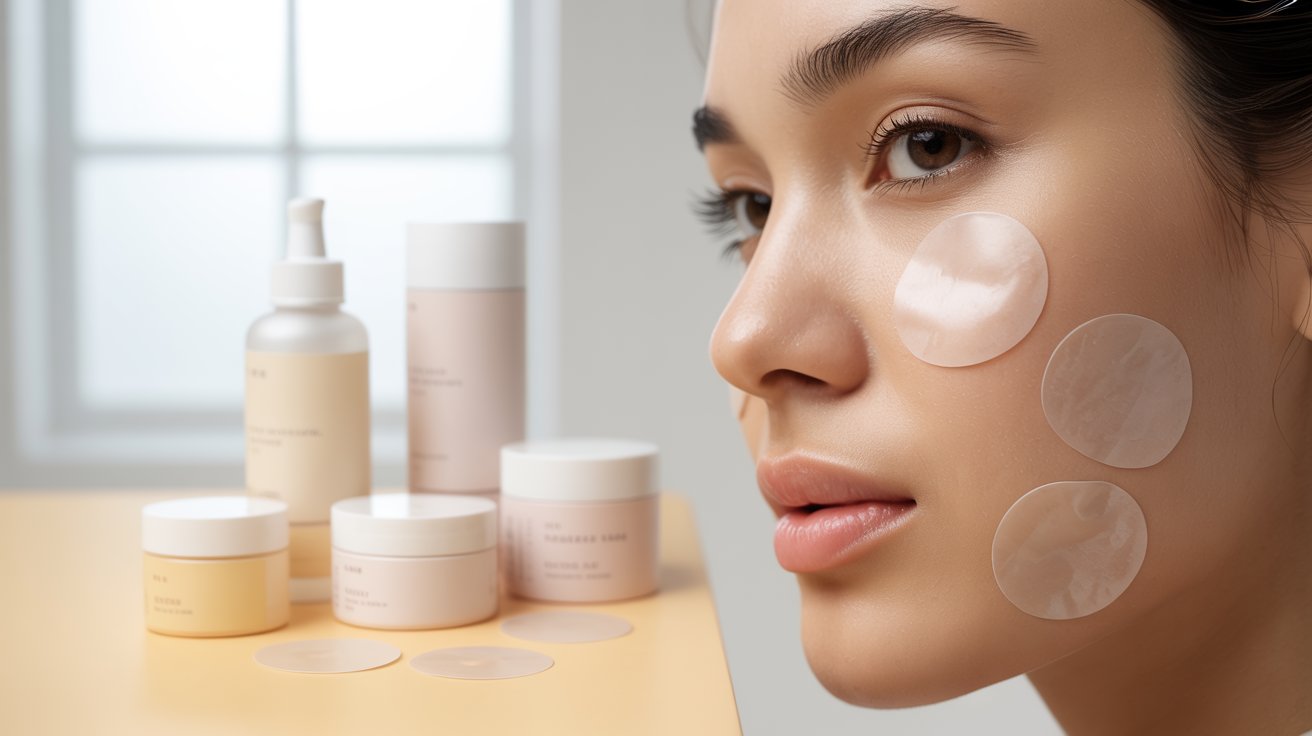
Pimple patches are small stickers you place on a breakout. Most of them use hydrocolloid technology, which pulls out oil, pus, and fluid from the pimple. They also keep bacteria away and stop you from picking at your skin.
Some patches come with extra ingredients like salicylic acid, tea tree oil, niacinamide, or retinol to target the breakout more directly.
What Is Cystic Acne?
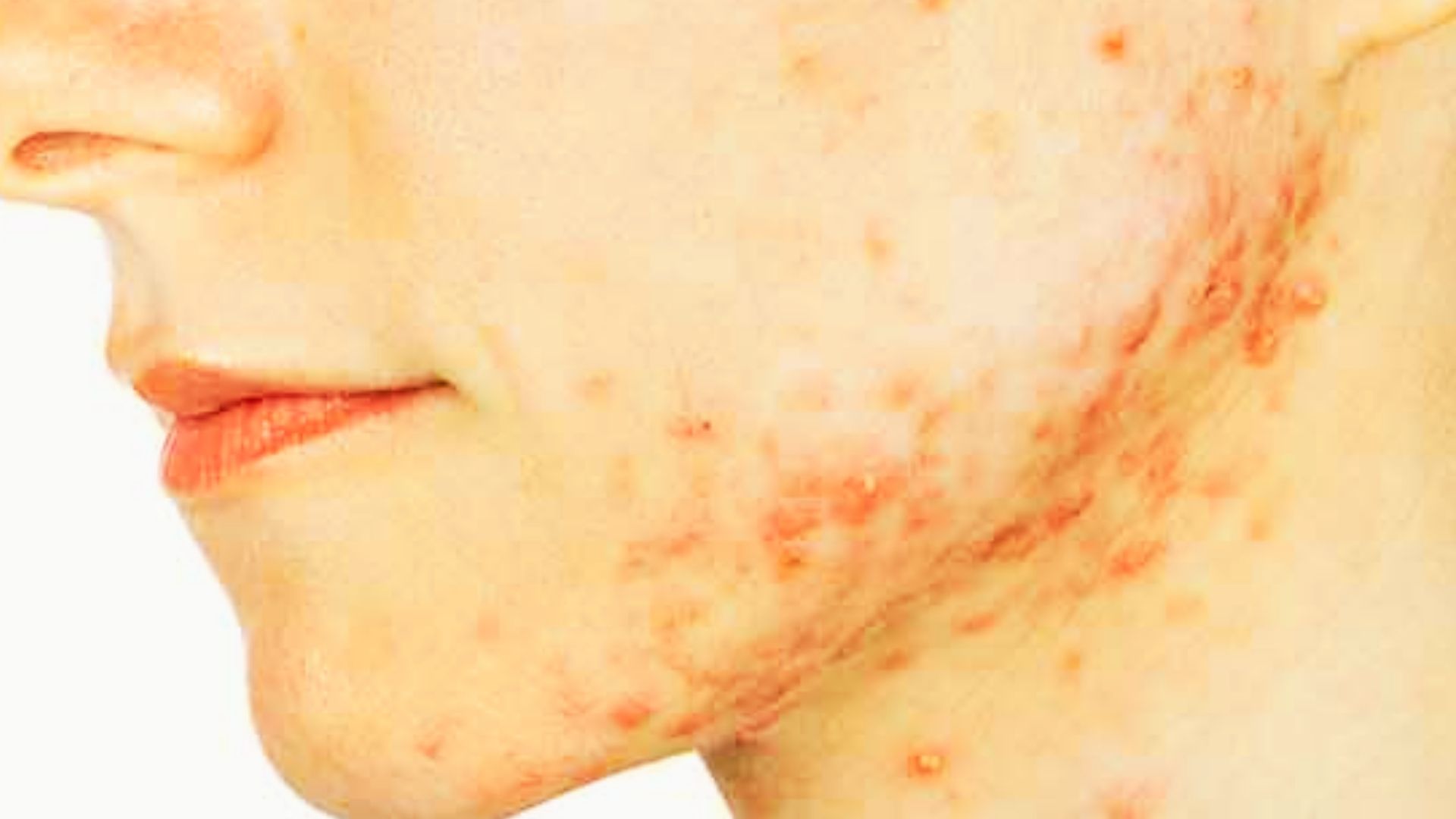
Cystic acne forms deep under the skin. It shows up as painful, swollen bumps with no visible whitehead and can stick around for weeks.
It happens due to hormonal changes, too much oil, trapped bacteria, stress, and genetics.
Regular pimples sit closer to the surface and clear up faster. Cystic acne goes deeper, causes more inflammation, and has a higher chance of leaving scars behind. That makes it much harder to treat than a standard breakout.
Do Pimple Patches Work on Cysts?
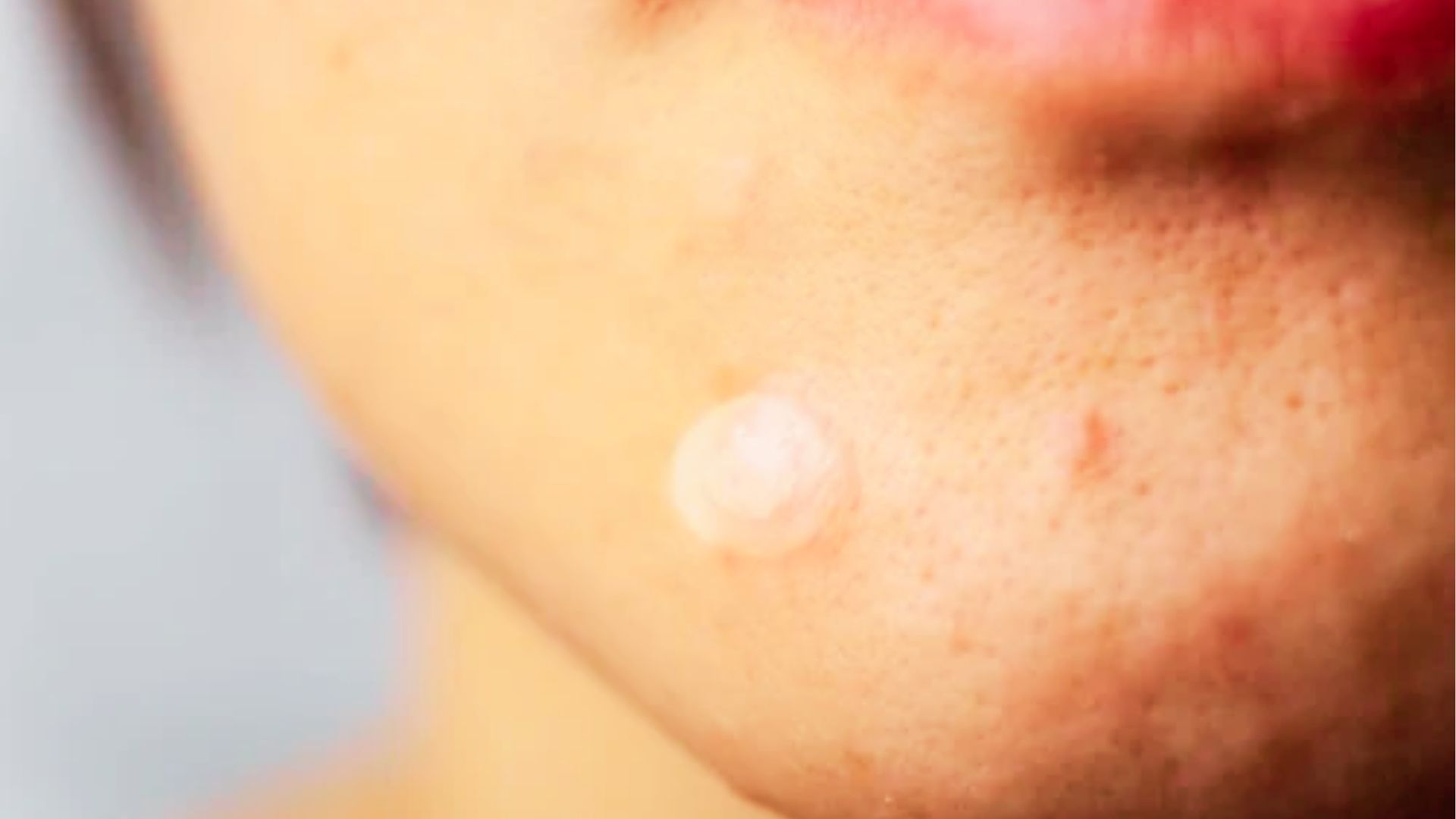
Pimple patches are a go-to for many skin concerns, but cysts are a different story. Here is what you need to know before sticking one on.
The Short Answer
Standard pimple patches have very little effect on deep cysts. A few advanced patches with active ingredients may help if you use them early, but do not expect major results.
Why Hydrocolloid Patches Struggle With Deep Cysts
Cysts form deep under the skin and rarely have a visible head. Hydrocolloid patches work by pulling fluid from the surface, so when there is nothing to draw out, the patch just sits there doing very little.
When Pimple Patches Can Still Help
Even without treating the cyst itself, a patch keeps your hands off the area, which already reduces the risk of scarring.
Once the cyst starts to surface and breaks through the skin, the patch becomes useful and helps absorb fluid and speed up healing.
Best Types of Pimple Patches for Cystic Acne
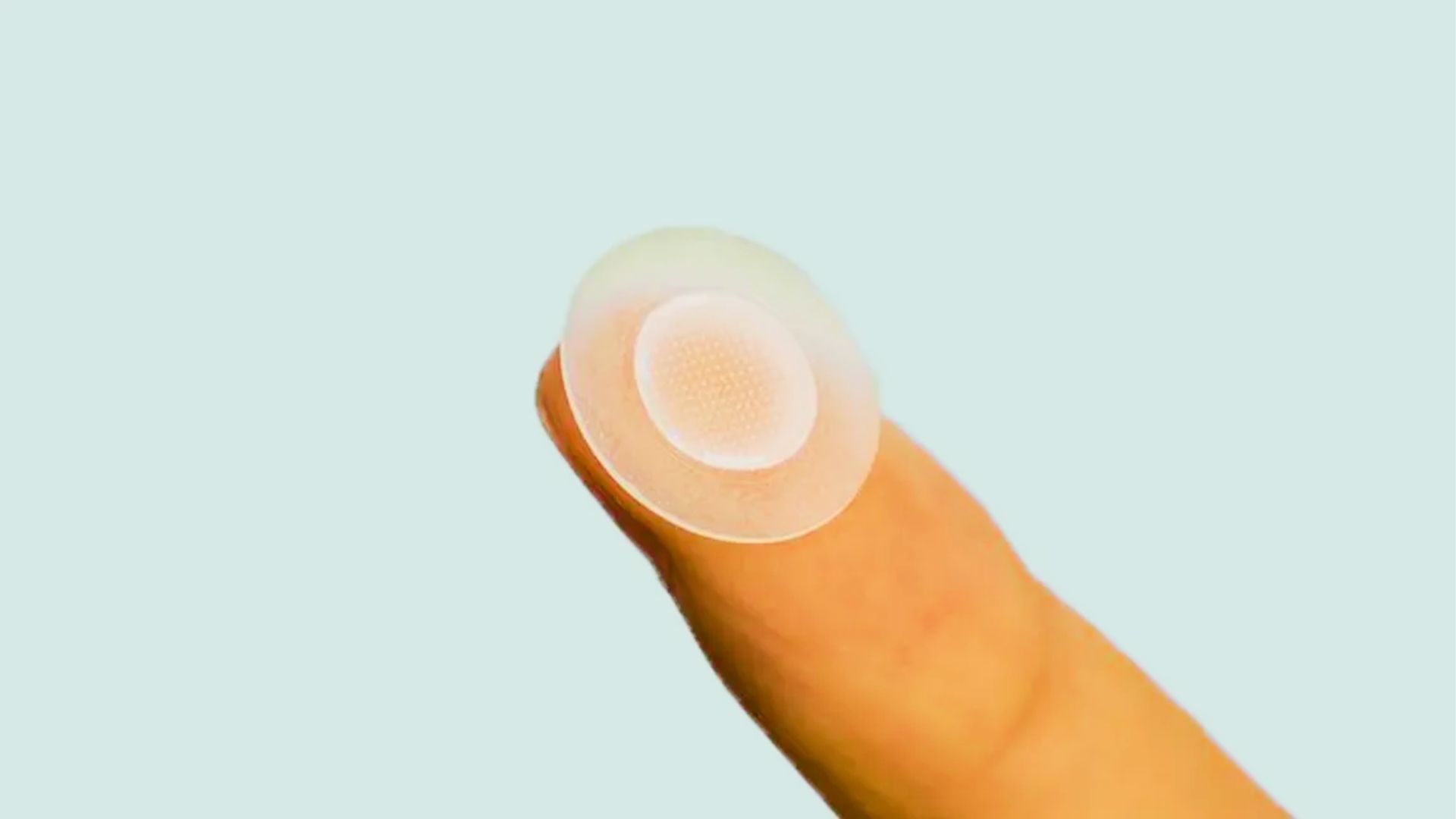
Not all pimple patches work the same way. Picking the right type makes a real difference, especially when dealing with cystic acne.
Hydrocolloid Patches
These work best on pimples that have already come to the surface. They absorb fluid from whiteheads and help flatten the spot over time.
Think of them as a solid option for visible breakouts, not deep cysts.
Microdart or Microneedle Patches
These patches have tiny dissolving tips that push active ingredients below the skin. That makes them a far better fit for deep, under-the-skin cystic bumps with no visible head.
If regular patches have not worked for you, this type is worth trying.
Overnight Pimple Patches
These are made to stay on through the night, giving the ingredients more time to absorb. They work well for calming red, inflamed spots while you sleep.
You wake up with less swelling and irritation in most cases.
Retinol Acne Patches
These are a good pick if your cystic acne tends to return, especially around hormonal changes. Retinol supports skin renewal and helps keep pores from clogging again.
They work best as part of a consistent routine rather than a one-time fix.
How to Use Pimple Patches on Cystic Acne
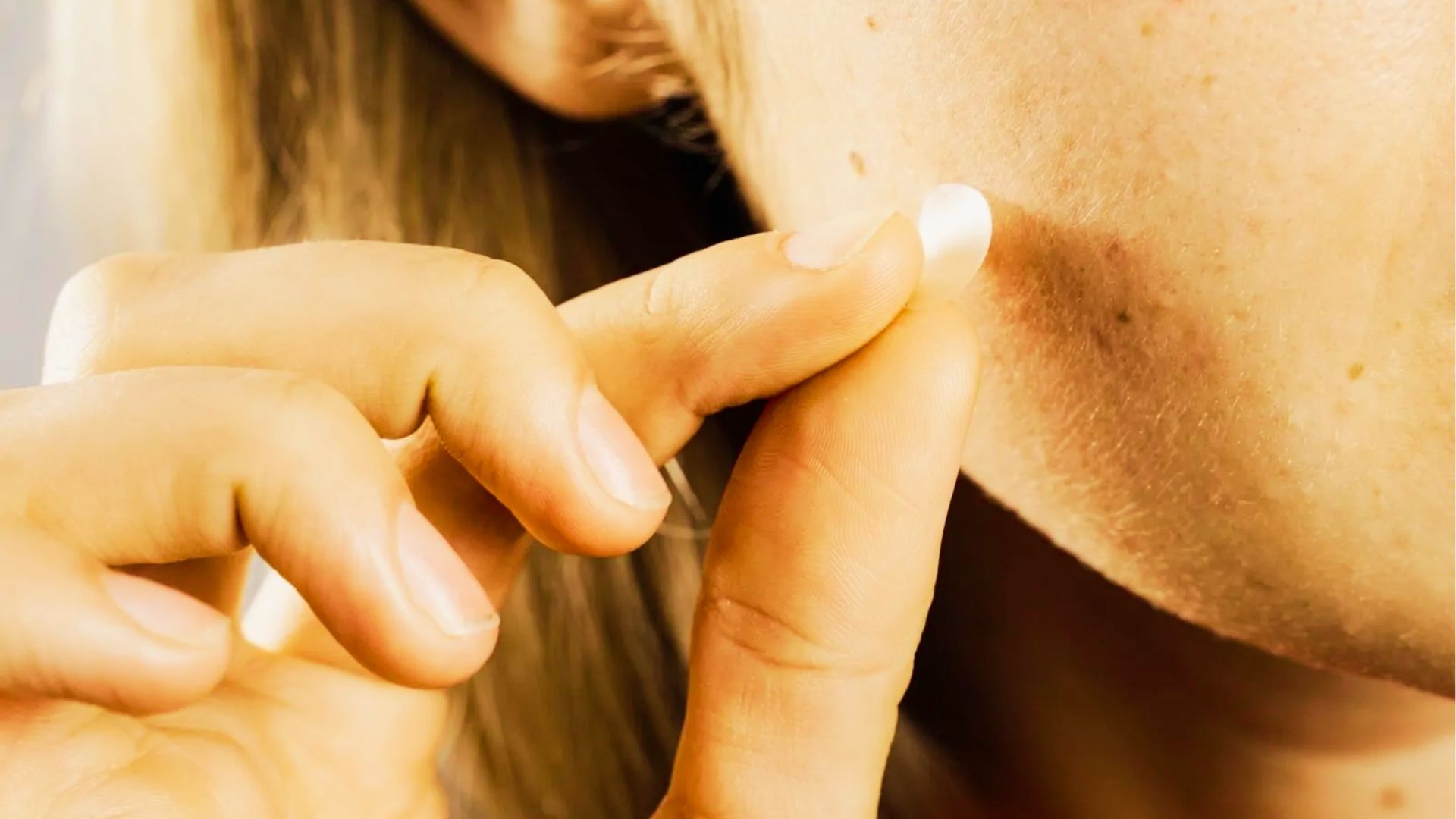
Using a pimple patch the right way can make a noticeable difference. A few simple steps and avoiding common slip-ups will get you better results.
Step-by-Step Application Guide
Start by washing your face and drying the skin fully before applying anything. Damp skin stops the patch from sticking properly and reduces how well it works.
Place the patch directly over the cyst, press it down gently, and leave it on for the time mentioned on the pack. If the patch fills up or starts lifting before that time, swap it out for a fresh one.
Common Mistakes to Avoid
- Applying on damp skin: The patch will not stick well and the ingredients will not absorb properly. Always make sure your skin is completely dry first.
- Using the wrong patch type: A basic hydrocolloid patch will do very little for a deep cyst. Match the patch to the type of breakout you are dealing with.
- Picking or squeezing the cyst: This pushes bacteria deeper and raises the risk of scarring. Let the patch do the work instead.
- Leaving the patch on too long: Wearing it past the recommended time can irritate the skin around the cyst. Stick to the suggested wear time on the pack.
What Helps Cystic Acne Heal Faster?
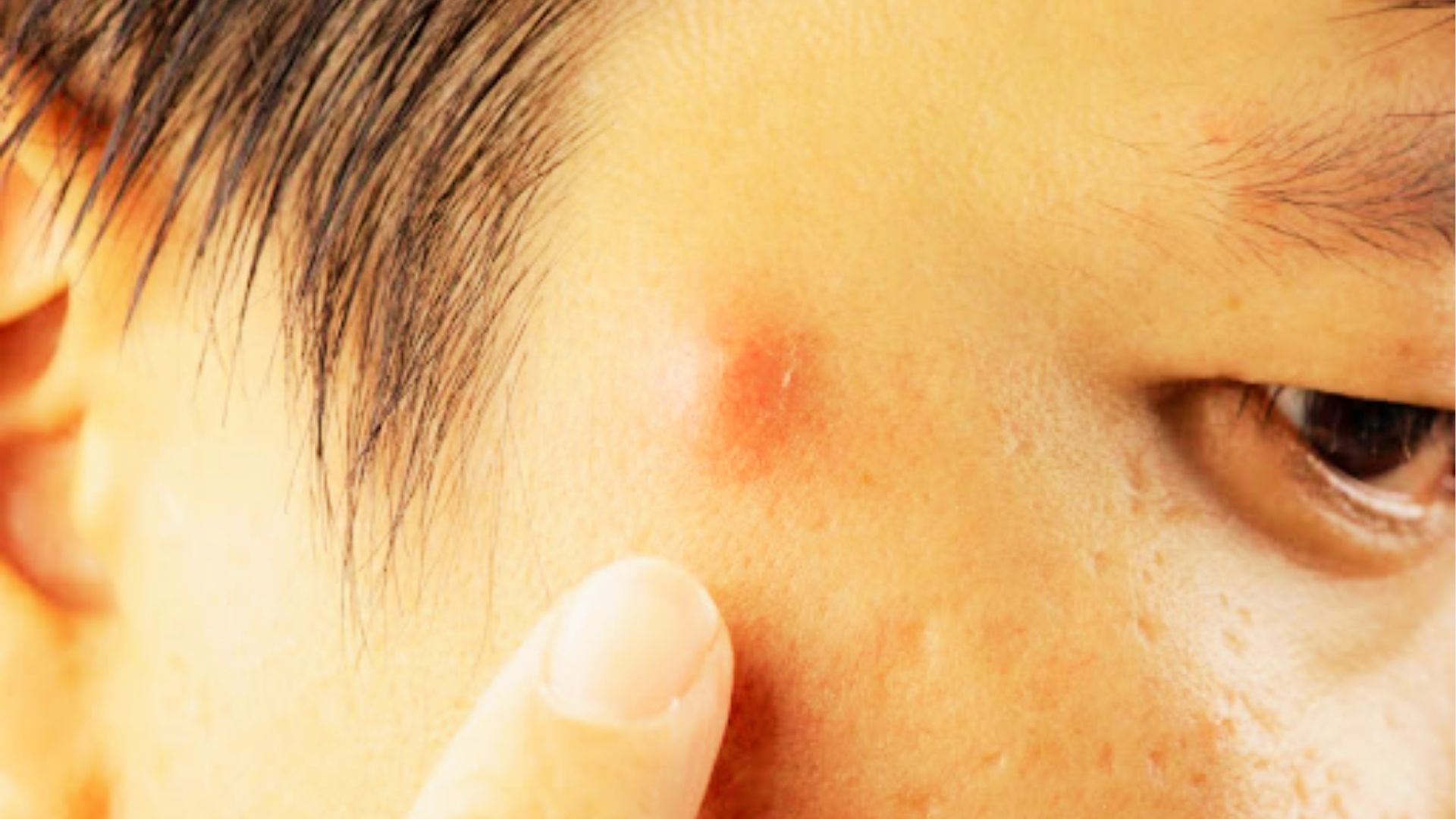
Ingredients like benzoyl peroxide, salicylic acid, sulfur, and retinoids can reduce inflammation and slow down breakouts over time.
A warm compress helps relieve pressure inside the cyst, while a cold compress brings down swelling and redness. Use both based on what the skin needs at that moment.
Popping a cyst might feel tempting but it pushes bacteria deeper, worsens inflammation, and leaves behind scars that take much longer to fade than the cyst itself.
Tips to Prevent Future Cystic Breakouts
- Stick to non-comedogenic products and skip harsh exfoliants that strip the skin. A simple, gentle routine works better for cyst-prone skin than an aggressive one.
- Stress is one of the biggest triggers for cystic breakouts, so finding ways to manage it daily makes a real difference. Even small habits like better sleep and short breaks help.
- Drink enough water and eat balanced meals regularly. What goes into your body shows up on your skin over time.
- Keep your pillowcases and phone screen clean since both collect bacteria and oil that transfer directly to your face. Changing your pillowcase twice a week is an easy habit to build.
- Track your breakouts around your menstrual cycle and note which products seem to cause flare-ups. Knowing your personal triggers helps you act early instead of reacting after the damage is done.
Final Thoughts
Pimple patches can genuinely help at certain stages of cystic acne, but they are not a complete fix on their own. They work best as one part of a consistent skincare routine.
If your cysts keep coming back or go very deep, it is worth seeing a dermatologist who can give you a plan that actually matches your skin.
Have questions about your acne routine? Drop them in the comments. We are here to help you figure out what works for your skin.
Frequently Asked Questions
Can pimple patches get rid of cystic acne completely?
No, pimple patches cannot clear cystic acne on their own. They work best as a supporting step, not a standalone treatment.
How long should I leave a pimple patch on a cyst?
Most patches work best when left on for six to eight hours. Overnight wear usually gives the best results.
Do microneedle patches work better than regular patches for cysts?
Yes, microneedle patches are more effective for deep cysts because they push active ingredients below the skin surface. Regular hydrocolloid patches only work on visible, surfaced breakouts.
Can I use a pimple patch on a cyst that has not surfaced yet?
A standard patch will do very little for a cyst that is still sitting deep under the skin. A microneedle or salicylic acid patch is a better option in that case.
When should I see a dermatologist for cystic acne?
If your cysts are large, painful, or keep coming back despite trying different products, it is time to see a dermatologist. Professional treatment works much faster and reduces the risk of permanent scarring.