Can Stress Cause Acne? Expert Acne Insights

I used to break out every time deadlines piled up. At first, I thought it was just bad luck.
Then I started connecting the dots. Can stress cause acne? Yes, and more people are dealing with this than ever before.
In this blog, I will cover; How stress hormones trigger breakouts Why stress acne shows up on your face. The best ways to treat and prevent it.
I have researched this topic with expert insights and real skincare science to give you answers that actually help. You will leave here with a clear plan.
Understanding the Link Between Stress and Acne
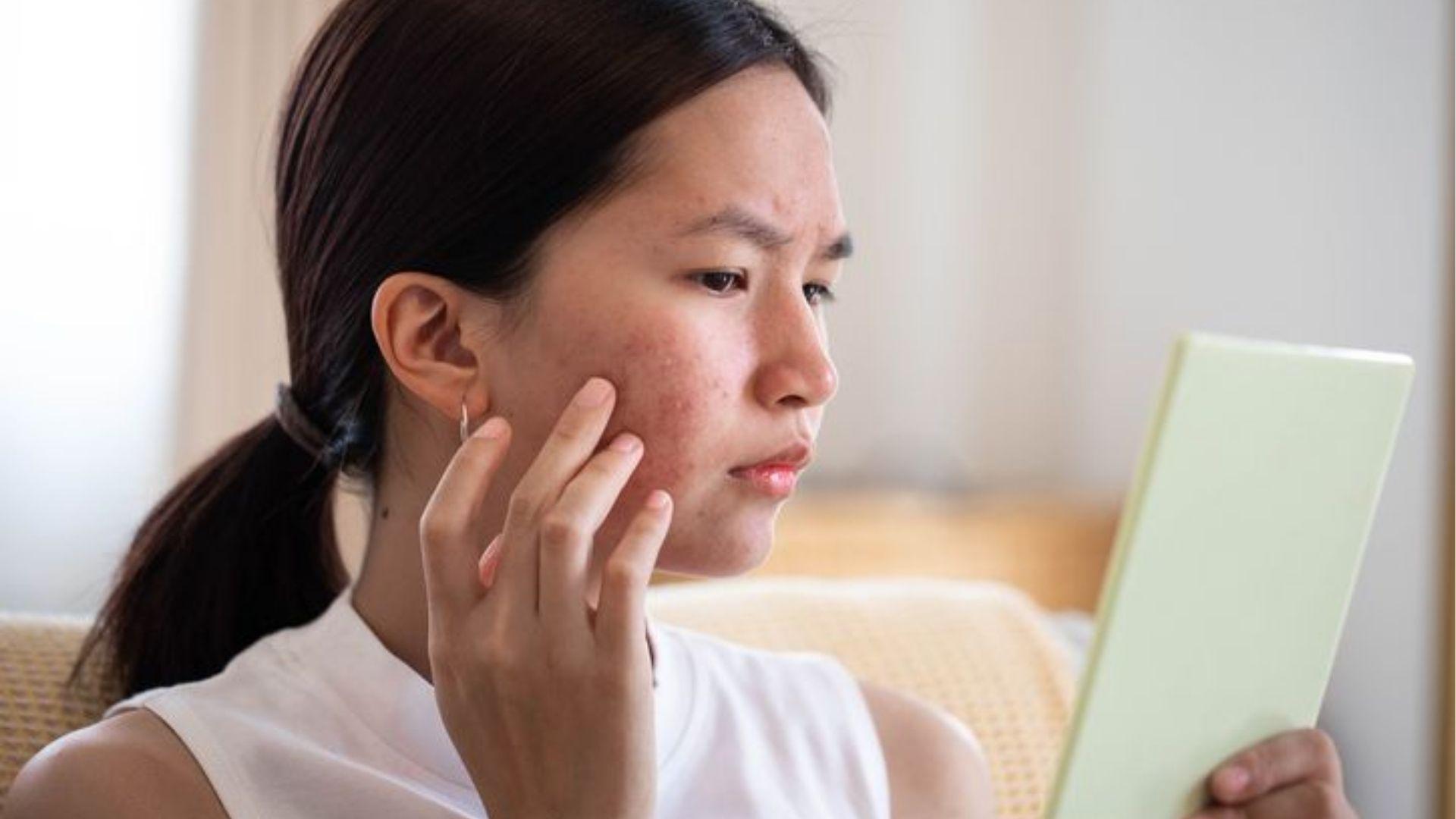
Stress does more to your skin than you think. It triggers hormonal changes that increase oil production, clog pores, and cause pimples.
Even short bursts of stress, like a tough week or an exam, can spark sudden breakouts.
Dermatologists confirm that emotional stress is a known acne trigger, with studies showing a clear link between high stress and increased acne severity.
Stress can both start a breakout and make existing acne harder to heal. Managing stress is a key part of managing your skin.
How Stress Causes Acne Breakouts
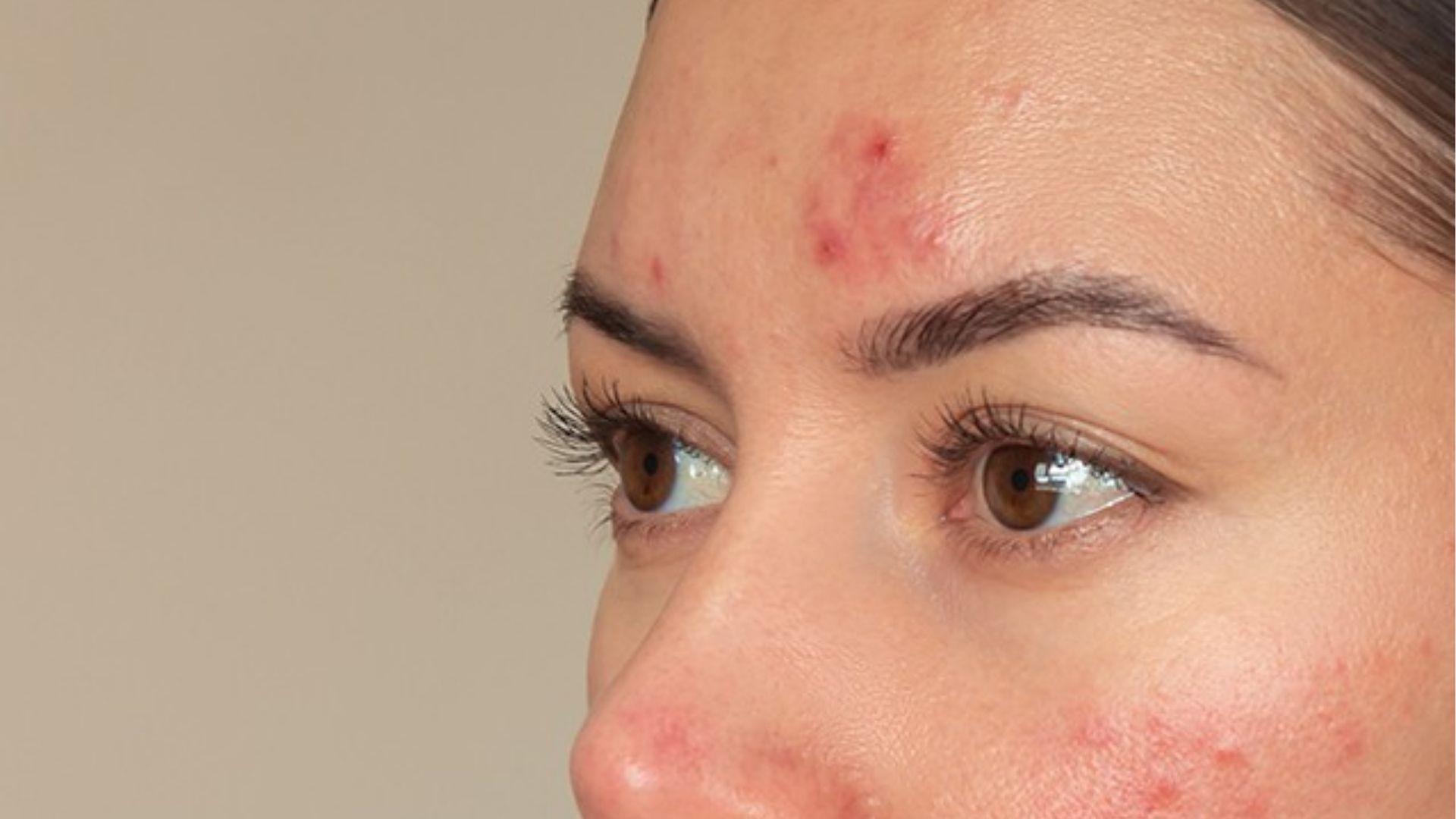
Understanding the science behind stress acne helps you treat it more effectively.
The Role of Cortisol and Stress Hormones
When you are stressed, your body releases cortisol. This is your primary stress hormone.
Cortisol signals your skin glands to produce more oil. More oil means more breakouts. It is one of the main reasons stress and acne are so connected.
Increased Oil Production and Clogged Pores
Cortisol causes sebaceous glands to go into overdrive. They produce excess sebum.
This sebum mixes with dead skin cells and clogs your pores. Once a pore is blocked, bacteria grow inside it. That leads to inflammation and pimples.
Inflammation and Acne Flare-Ups
Stress also increases inflammation in your body. Inflamed skin is more prone to breakouts.
It also makes existing pimples redder, larger, and more painful. If you notice your acne looks angrier during stressful times, this is why.
How Stress Weakens the Skin Barrier
A healthy skin barrier keeps moisture in and bacteria out. Chronic stress weakens this barrier.
When it breaks down, your skin becomes more vulnerable to irritants, bacteria, and environmental damage.
This makes acne easier to develop and harder to treat.
Why Stress Can Slow Acne Healing
Stress delays your body's natural healing process. Wounds and pimples take longer to clear when cortisol levels are high.
This means your breakouts last longer during stressful periods. It is not just about getting pimples. It is also about them staying longer.
Can Stress Cause Acne on the Face?
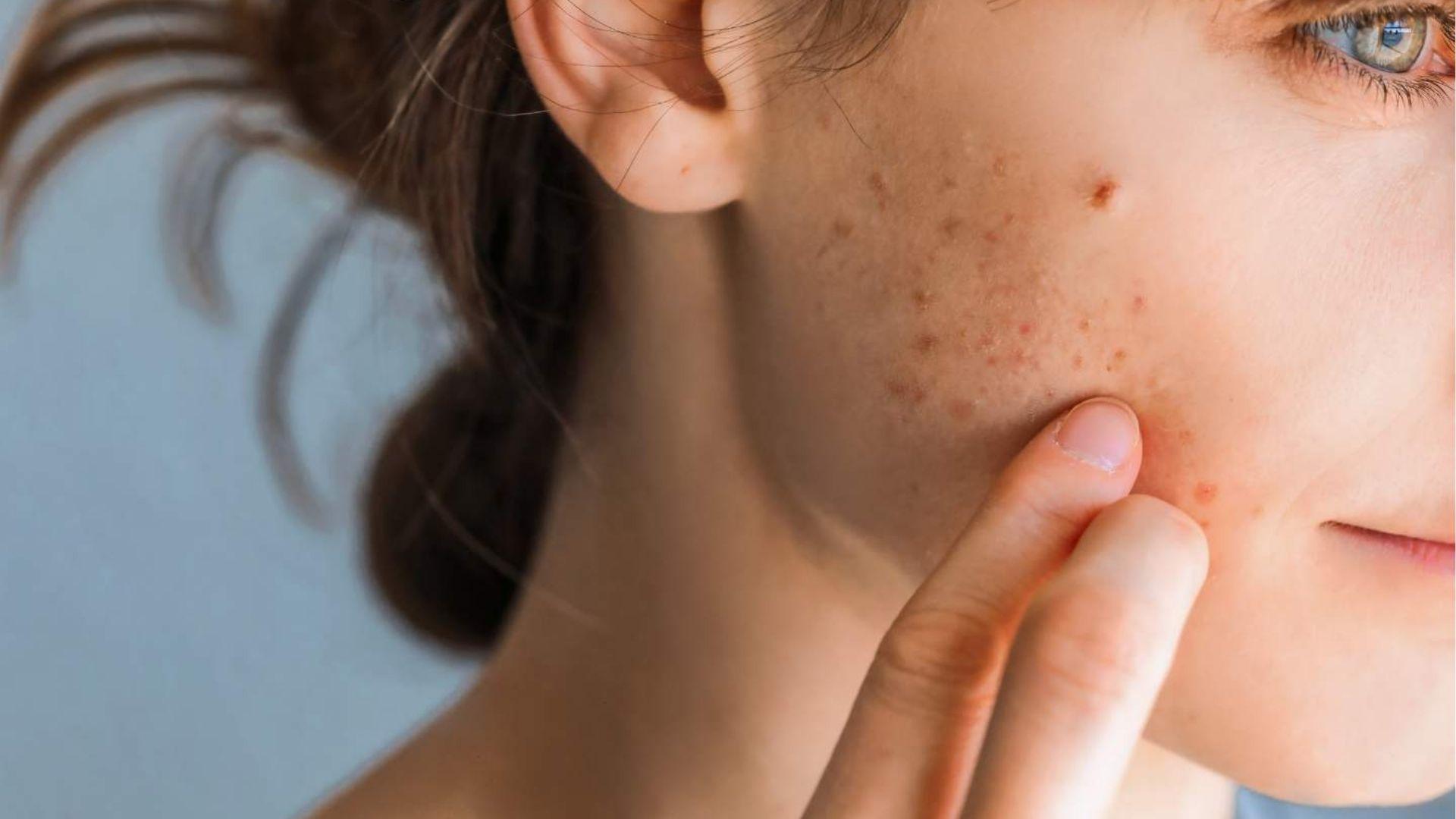
Facial skin is especially reactive to stress hormones and internal changes.
Why Stress Acne Commonly Appears on the Face
Your face has more oil glands than most other parts of your body. This makes it the most common area for stress-related breakouts.
The forehead, nose, chin, and jawline are especially prone.
Stress Acne on the Forehead, Chin, and Jawline
The lower face, especially the chin and jawline, is closely tied to hormonal activity. Stress hormones tend to cause breakouts in these areas first.
The forehead is also common, especially if you sweat or touch your face often during stressful moments.
What Stress Acne Looks Like
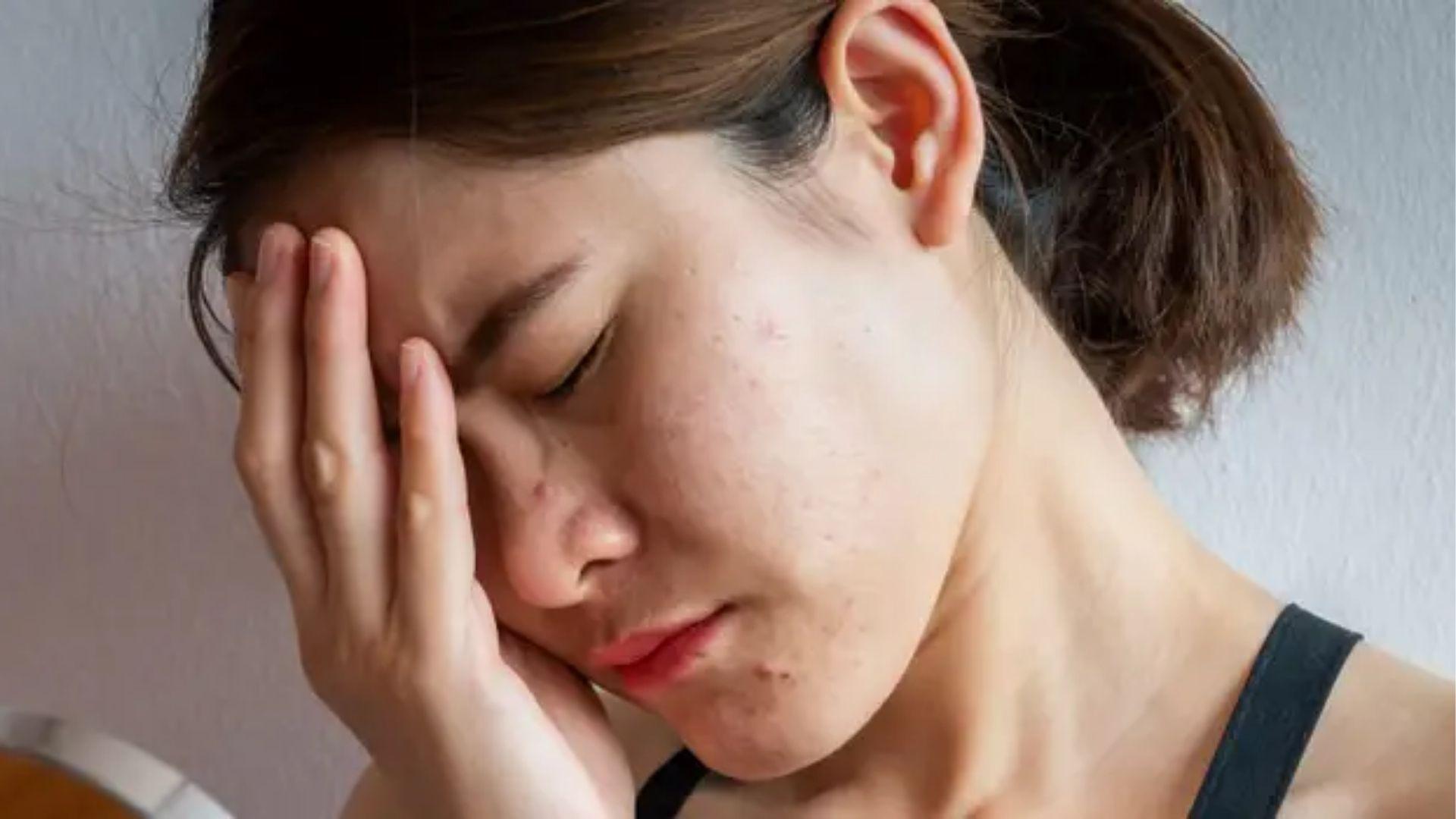
Stress acne often appears as deep, painful cysts or small inflamed pimples.
They can also show up as whiteheads clustered in oily areas. The breakouts tend to appear suddenly, especially after a period of high stress.
Stress Acne vs Hormonal Acne
These two types overlap a lot. Hormonal acne is often tied to your cycle and shows up on the chin and jawline.
Stress acne can appear anywhere and at any time. Both are driven by hormones, but stress acne is more directly tied to cortisol spikes.
Common Triggers That Make Stress Acne Worse
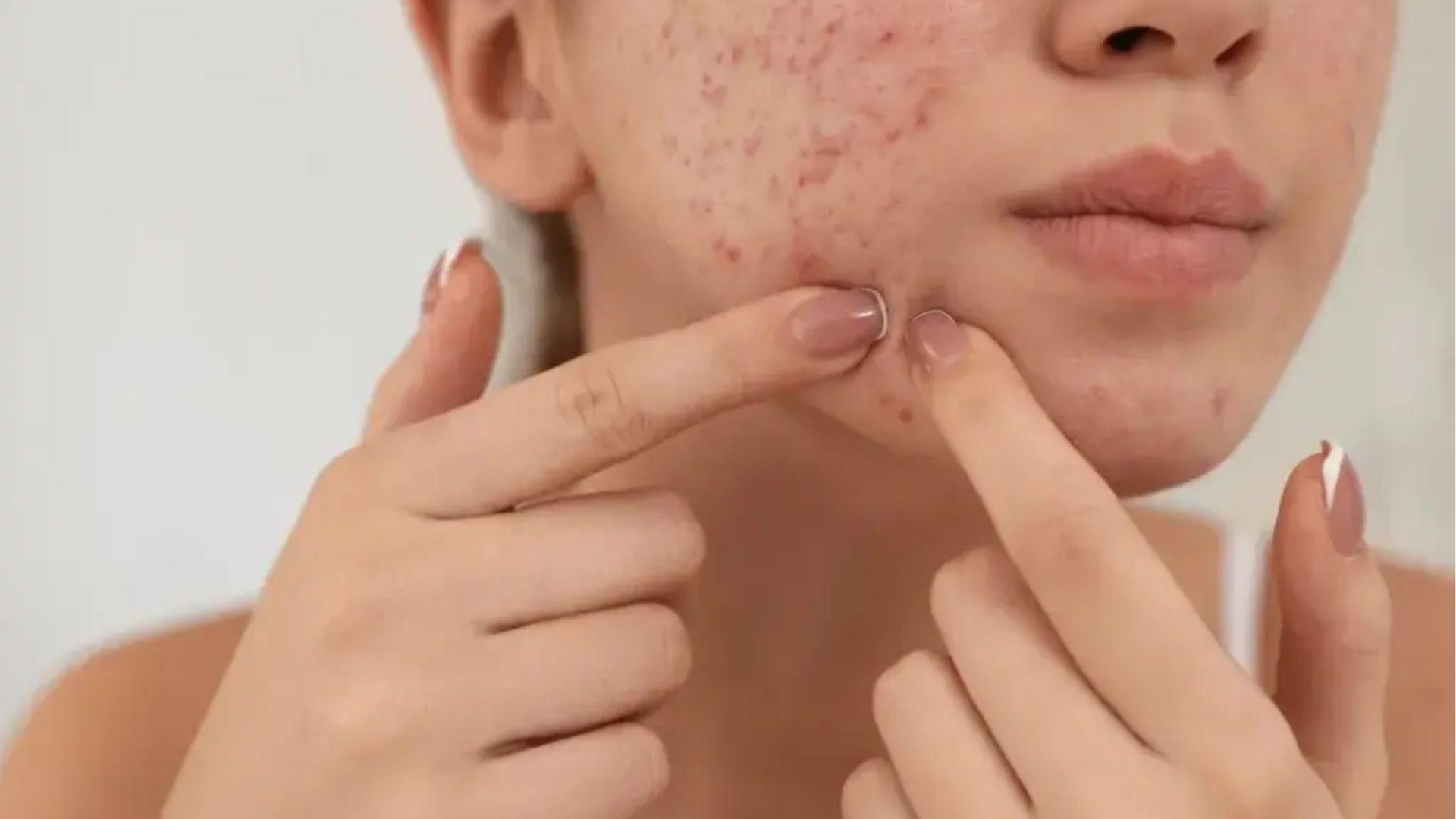
Several everyday habits during stressful times can make your skin react even more.
Anxiety and Emotional Stress
Ongoing anxiety keeps cortisol levels uplifted. This means your skin stays in a constant state of oil overproduction and inflammation.
Even low-level daily stress can add up and keep breakouts coming.
Lack of Sleep and Fatigue
Poor sleep spikes cortisol and lowers your body's ability to repair skin overnight. Most skin cell renewal happens while you sleep.
When you skip sleep, your skin pays the price. Fatigue also slows the immune response that fights acne-causing bacteria.
Poor Diet During Stressful Periods
Stress often leads to eating more sugar, processed food, and junk. These foods spike insulin levels.
High insulin triggers more oil production. This is why diet and stress together create the perfect storm for breakouts.
Touching, Picking, and Skin Irritation
Many people touch their face more when they are anxious. This transfers bacteria and oil from your hands to your skin.
Picking at pimples makes inflammation worse and spreads bacteria. It also increases the risk of scarring.
Inconsistent Skincare Habits
When life gets busy or stressful, skincare is usually the first thing to go. Skipping cleansing lets oil and dirt build up.
Forgetting moisturizer weakens your skin barrier. Inconsistency makes stress acne much harder to control.
Best Ways to Treat and Prevent Stress Acne
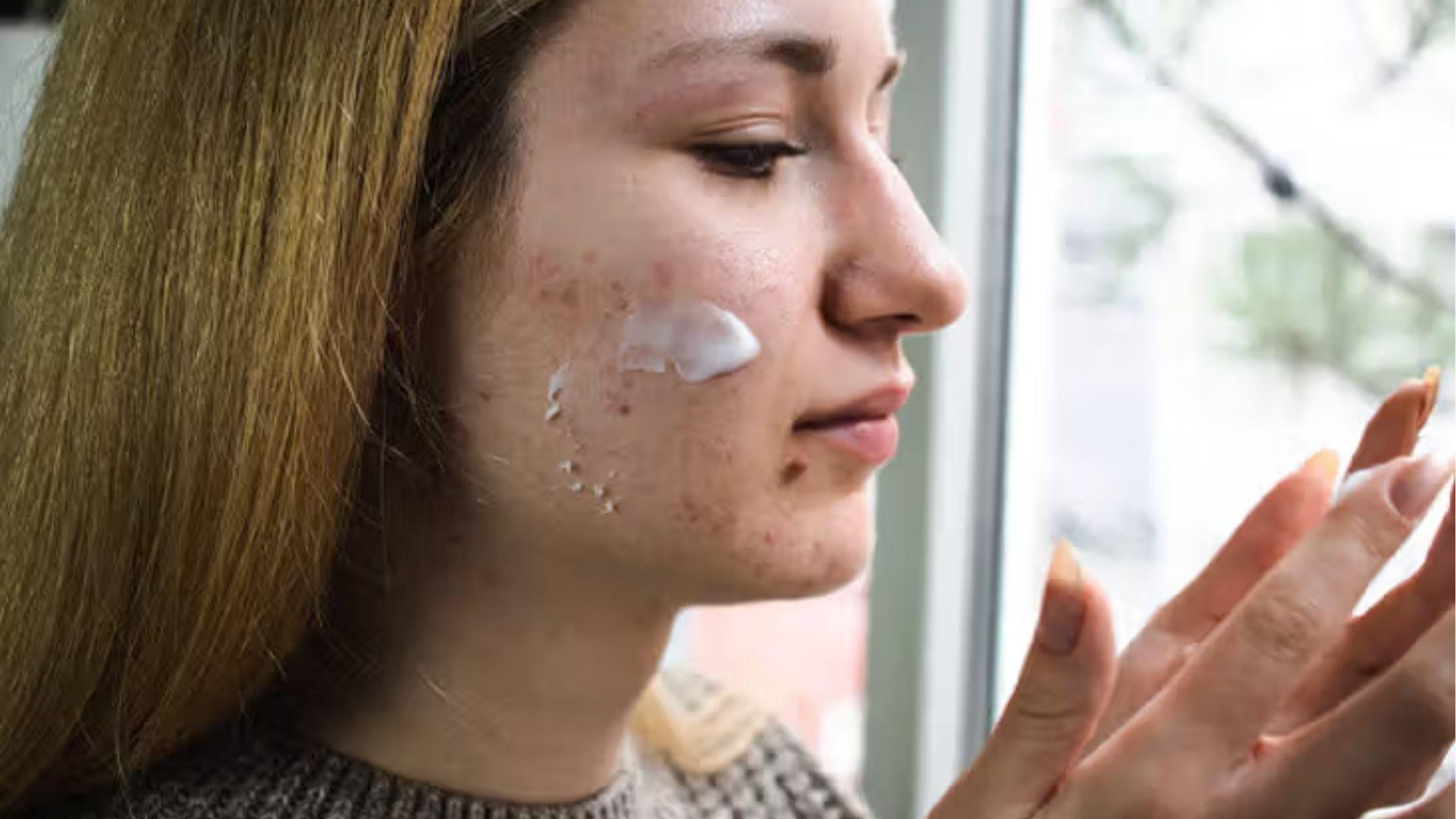
A combined approach targeting both skin and stress gives the best results.
Effective Skincare Ingredients for Stress Acne
Look for these ingredients in your products:
- Salicylic acid to clear clogged pores
- Niacinamide to reduce inflammation and oil
- Benzoyl peroxide to kill acne-causing bacteria
- Hyaluronic acid to keep skin hydrated without clogging pores
- Retinol for long-term skin cell turnover
Dermatologist-Recommended Acne Treatments
For persistent stress acne, a dermatologist may recommend topical retinoids, antibiotic creams, or oral medications. Do not self-medicate with strong products. A professional can give you a plan that fits your skin type and acne severity.
Stress Management Techniques That Help Skin
Lowering stress directly improves your skin.
Some proven methods include:
- Deep breathing and meditation
- Regular physical exercise
- Journaling or talking to someone you trust
- Taking short breaks during a heavy workday
Daily Habits That Support Clearer Skin
Your daily routine has a big impact. Drink enough water. Eat more whole foods. Get seven to nine hours of sleep. Remove makeup before bed. These small habits add up over time and make your skin more resilient.
When to See a Dermatologist for Acne
See a dermatologist if your acne is painful, cystic, or not improving after four to six weeks of consistent care. Early treatment prevents scarring and stops breakouts from getting worse. Do not wait too long to get professional help.
Tips for Maintaining Healthy Skin During Stressful Times
Small consistent actions protect your skin even when stress is high.
- Keep your skincare routine simple, just a cleanser, moisturizer, and sunscreen
- Avoid over-cleansing, it strips natural oils and triggers more oil production
- Prioritize sleep and drink at least eight glasses of water daily
- Practice stress management regularly, even five minutes a day makes a difference
- Avoid touching or picking at pimples to prevent spreading bacteria and scarring
Conclusion
I know how frustrating it feels to wake up with a new pimple right before something important.
The truth is, your skin is deeply connected to how you feel inside. Can stress cause acne?
Without a doubt, yes. But the good news is that you can manage both. Take care of your mind and your skin will follow.
Start with small steps today. If breakouts keep coming back, please see a dermatologist.
Share this post with someone who might need it, and feel free to drop your questions in the comments below.
Frequently Asked Questions
Can stress cause acne breakouts in adults?
Yes, stress-related acne is very common in adults. Cortisol spikes from work, relationships, or financial pressure can trigger breakouts at any age. Adult acne caused by stress is often hormonal and inflammatory in nature.
Can stress cause acne on the face suddenly?
Yes. A sudden spike in stress can cause breakouts within a few days. Your body reacts quickly to cortisol surges, and the face is usually the first place it shows up.
How long does stress acne last?
Stress acne can last anywhere from a few days to several weeks. It often clears up once stress levels drop. With proper skincare and stress management, healing time can be shortened significantly.
Does anxiety make acne worse?
Yes. Anxiety keeps your body in a constant low-level stress response. This means cortisol stays uplifted, leading to ongoing inflammation and oil production that makes acne worse over time.
Can lack of sleep trigger acne breakouts?
Yes. Poor sleep increases cortisol and slows down skin repair. Without enough rest, your skin cannot fight bacteria effectively, and breakouts become more frequent and harder to heal.