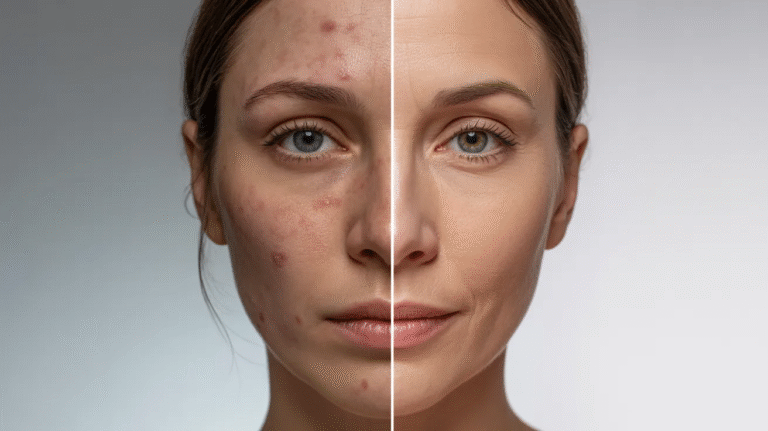
Spironolactone for Acne Side Effects: What You Should Know

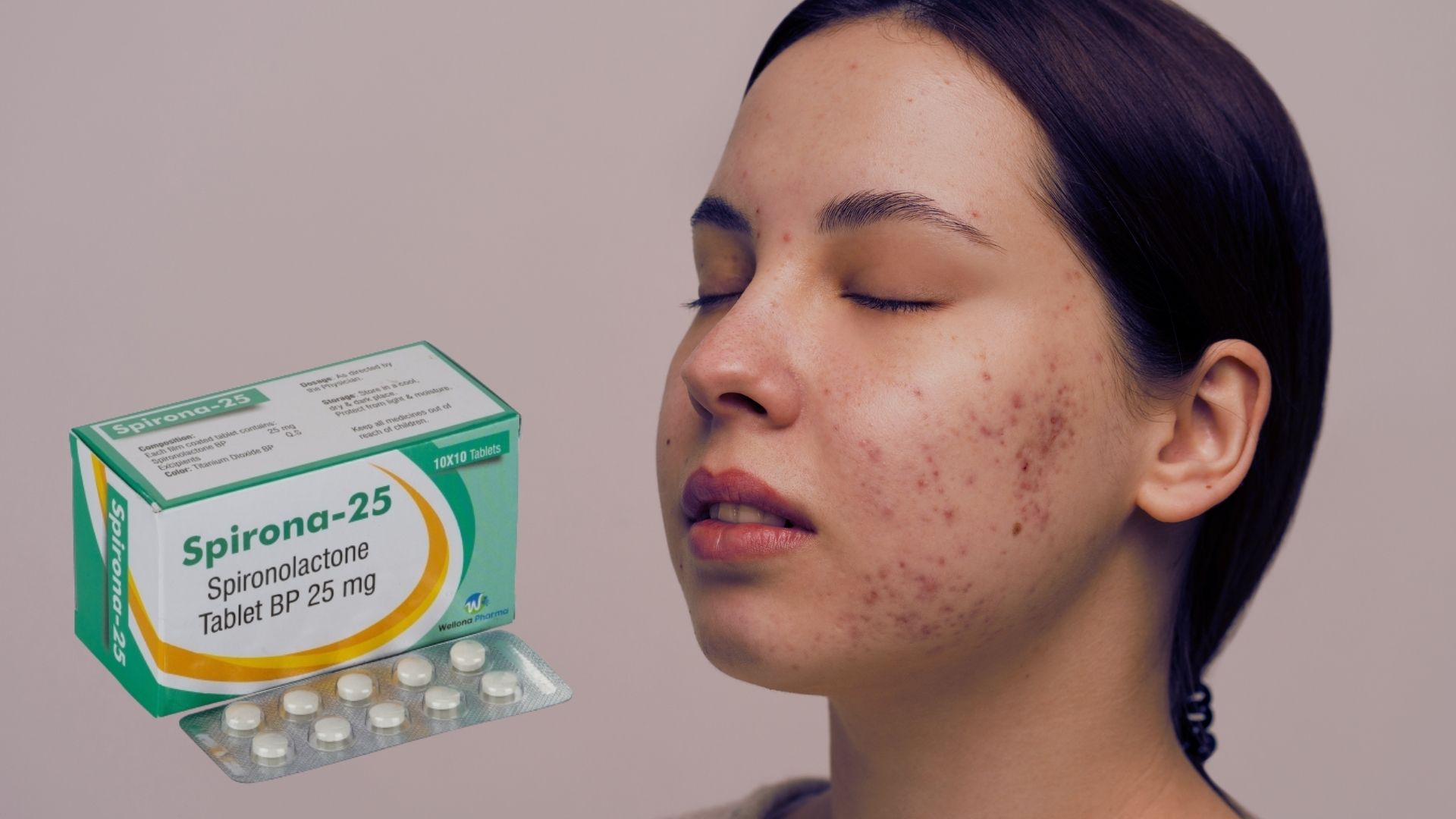
Struggling with breakouts that won’t quit? Learning about spironolactone for acne side effects can help you decide if this treatment is right for your skin.
I’ve personally faced stubborn hormonal acne and spent a lot of time researching treatment options, real user experiences, and potential side effects to provide you with reliable guidance.
In this guide, we’ll explain exactly how spironolactone works, discuss side effects, share dosage tips, and point out what to avoid while using it.
By the end, you’ll feel prepared and confident managing this medication safely for clearer, healthier skin.
Let’s get started.
What Is Spironolactone and Why Is It Used for Acne?
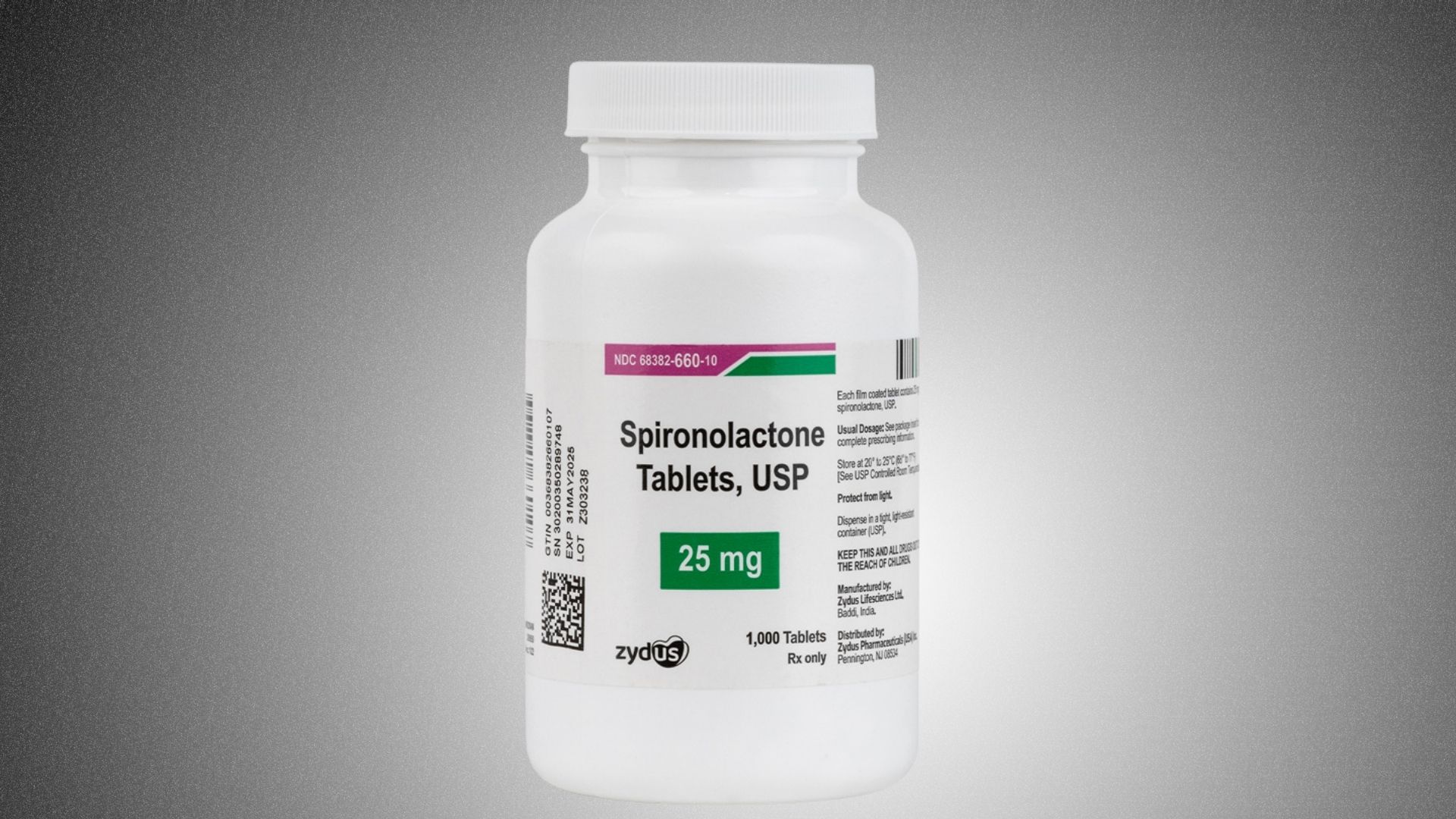
Spironolactone is a medication known as a potassium-sparing diuretic, which means it helps your body hold onto potassium while removing extra fluid.
For acne, it works in a different way. It blocks androgens, which are hormones that can increase oil production in your skin and lead to breakouts.
This makes it especially helpful for adult women who have hormonal acne, as it targets the root cause rather than just the surface symptoms.
It is not usually prescribed for men because the way it affects hormones can cause unwanted side effects, like breast tenderness or changes in hormone balance.
Most Common Spironolactone Side Effects for Acne
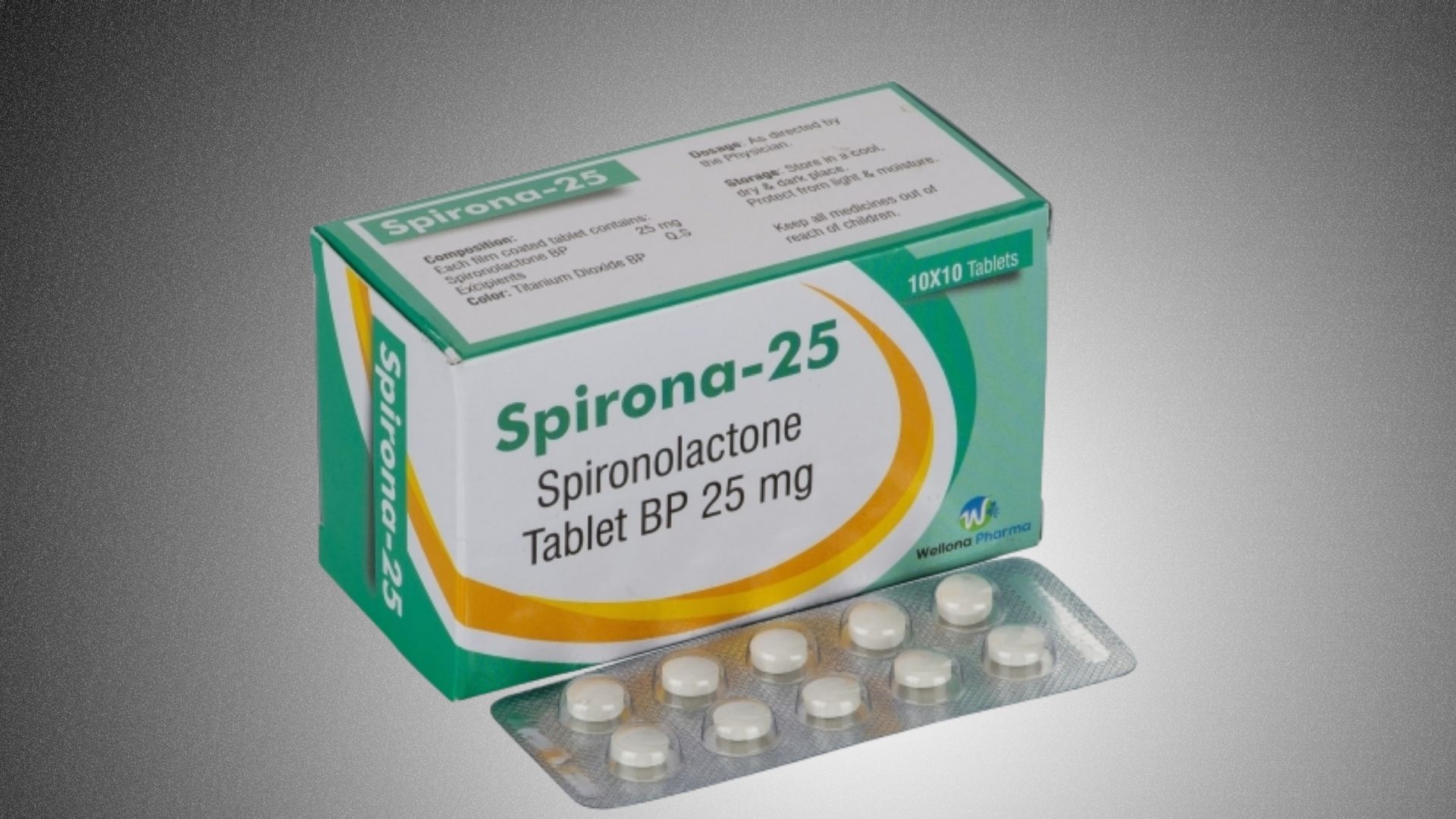
Spironolactone can treat hormonal acne but may cause side effects. Most are mild and manageable. Knowing them helps you use the medication safely.
1. Increased Urination
Spironolactone increases urination because it removes extra water from your body. Most people notice this in the first few weeks.
It usually becomes less frequent as the body adjusts. Planning bathroom breaks and staying hydrated can help manage this side effect effectively throughout the day.
2. Dizziness or Lightheadedness
Dizziness happens when blood pressure drops slightly, especially after standing quickly. This is called postural hypotension.
Occasional mild lightheadedness is normal, but frequent or severe dizziness, fainting, or rapid heartbeat could indicate a problem. Always report persistent symptoms to your doctor to stay safe.
3. Menstrual Irregularities
Spironolactone can change hormone levels, affecting your menstrual cycle. Women may experience late periods, missed periods, or spotting between cycles.
Hormonal birth control can help manage these changes. Most cycle irregularities are temporary, but it’s important to track changes and discuss them with your doctor if they persist.
4. Breast Tenderness or Enlargement
Hormonal changes caused by spironolactone may make breast tissue sensitive or slightly larger. This tenderness is usually temporary and mild.
However, persistent pain, swelling, or noticeable enlargement should be evaluated by a doctor to rule out other causes and ensure that the medication is safe for you.
5. Headaches and Fatigue
Some people notice mild headaches or feel more tired than usual while taking spironolactone. These symptoms often improve as the body adapts.
Drinking enough water, maintaining a healthy sleep routine, and taking the medication consistently at the same time each day can help reduce headaches and fatigue.
Being aware of these side effects makes it easier to manage them. Always talk to your doctor if any symptom feels unusual or persistent.
Less Common but Serious Side Effects You Should Know About
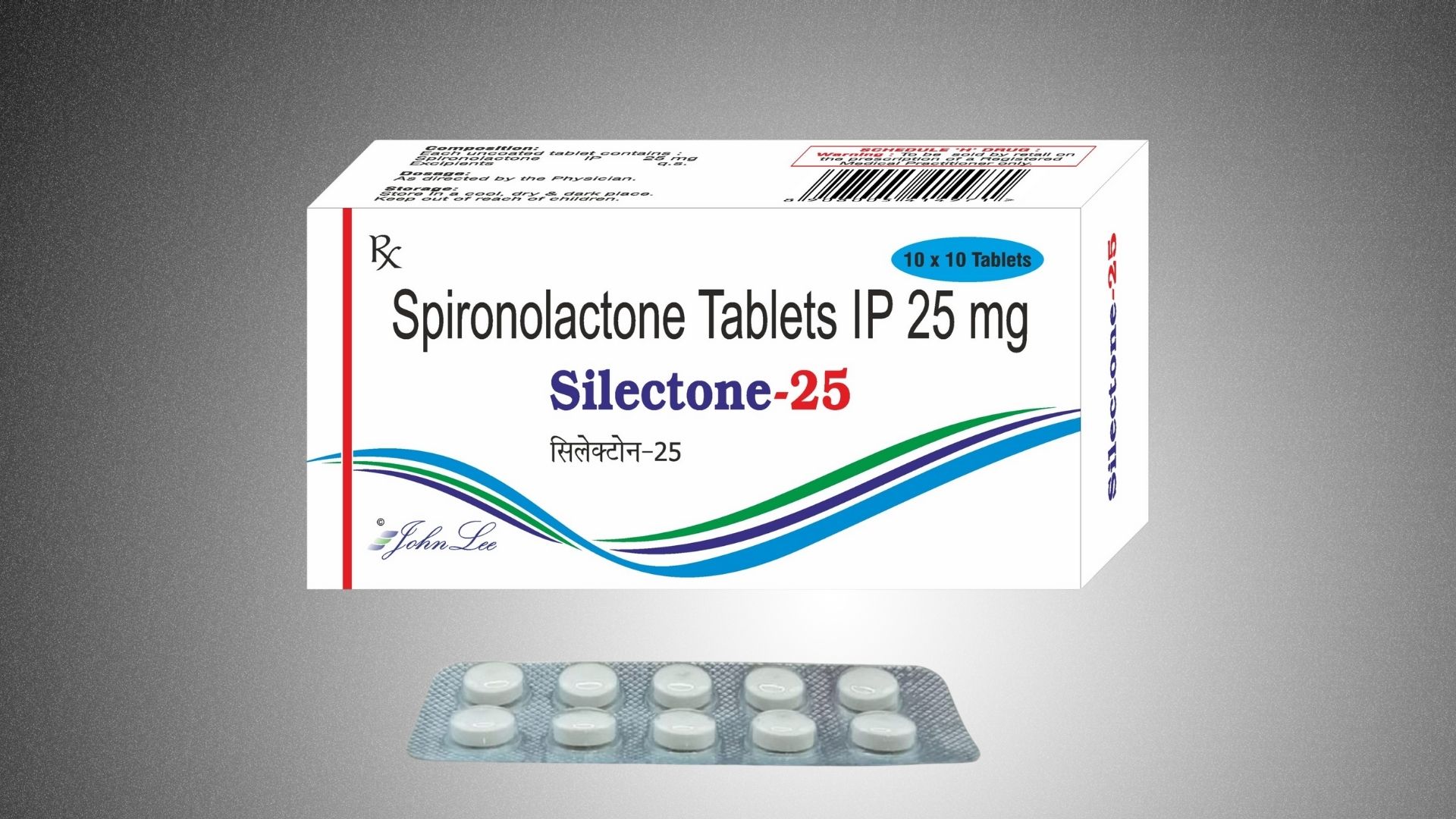
While most side effects of spironolactone are mild, some are less common but more serious. Knowing them early helps you stay safe and get medical attention if needed.
1. High Potassium Levels (Hyperkalemia)
Spironolactone can raise potassium in your blood because it reduces potassium excretion. High potassium can affect heart and muscle function.
Watch for symptoms like weakness, numbness, or irregular heartbeat. People with kidney problems or certain medications are at higher risk. Regular blood tests help catch problems early.
2. Heart Rhythm Changes
Rarely, spironolactone can affect your heart rhythm. Seek medical care immediately if you notice fast, irregular, or skipped heartbeats, severe dizziness, or fainting.
These red flags are uncommon but serious. Monitoring blood pressure and potassium levels reduces the risk of heart complications.
3. Allergic Skin Reactions
Some users may experience rashes, itching, or swelling. Mild irritation is usually temporary, but severe or spreading reactions may indicate an allergy.
Allergic reactions can occur suddenly, even if you’ve taken the medication before. Contact a doctor if skin changes are persistent or worsen.
Know these serious side effects and report any unusual symptoms to your doctor.
Does the Dosage Affect Spironolactone Side Effects?
The dose of spironolactone can influence how noticeable side effects are. For acne, doctors usually prescribe 25 mg, 50 mg, or 100 mg per day.
- Low doses (25 mg): Side effects are usually mild, like slight fatigue or increased urination.
- Moderate doses (50 mg): Side effects may become more noticeable, but most are still manageable.
- High doses (100 mg): Side effects like dizziness, breast tenderness, or menstrual changes are more likely.
Doctors often start with a low dose and gradually increase it. This helps your body adjust and reduces the risk of severe side effects.
How Long Do Spironolactone Side Effects Last?
Side effects usually appear soon after starting spironolactone. Knowing the timeline helps you understand what is normal and when to contact your doctor.
Timeline: Mild side effects like increased urination, dizziness, or fatigue appear in the first 1-2 weeks. Hormonal changes, menstrual irregularities, or breast tenderness may take 1-3 months to stabilize.
Side Effects That Usually Fade: Mild symptoms such as headaches, fatigue, or slight dizziness often improve within a few weeks. Staying hydrated and taking the medication at the same time daily can help.
Side Effects That Require Dose Adjustment: Persistent dizziness, fatigue, or hormonal changes may require a dose adjustment. Your doctor can reduce side effects while keeping the medication effective.
When to Stop and Contact Your Doctor: Seek medical advice for irregular heartbeat, extreme weakness, or severe swelling. Early reporting prevents complications.
What to Avoid While Taking Spironolactone for Acne
Certain foods, medications, and alcohol can worsen side effects or interfere with spironolactone.
Foods High in Potassium: Bananas, oranges, and coconut water are high in potassium. Too much can raise blood potassium and cause heart problems.
Supplements and Medications to Avoid: Potassium supplements, NSAIDs, and ACE inhibitors can increase potassium or affect blood pressure. Always check with your doctor before taking them.
Alcohol and Spironolactone: Alcohol can increase dizziness, dehydration, or low blood pressure. Limiting intake helps reduce side effects and keeps the medication effective.
Avoid high-potassium foods, certain medications, and alcohol while on spironolactone. Check with your doctor if unsure about anything you take.
Who Should NOT Take Spironolactone for Acne?
Some people should avoid spironolactone due to health risks or medication interactions.
- Pregnancy and breastfeeding: Spironolactone is not safe during pregnancy or breastfeeding and should be avoided.
- Kidney conditions: People with kidney problems may be at higher risk of dangerous potassium levels.
- Blood pressure disorders: Low or unstable blood pressure can be worsened by spironolactone.
- Interactions with other medications: Certain drugs, such as potassium supplements, NSAIDs, and ACE inhibitors, can interfere with spironolactone and cause complications.
Always consult your doctor before starting spironolactone if any of these apply.
Spironolactone vs. Other Acne Treatments
Spironolactone is an effective option for hormonal acne, but understanding side effects is important.
| Comparison | Spironolactone | Antibiotics (Topical/Oral) | Isotretinoin (Accutane) |
|---|---|---|---|
| Side Effects | Increased urination, dizziness, menstrual changes, breast tenderness, mild fatigue | Skin irritation, redness, dryness (topical); stomach upset, yeast infections, antibiotic resistance (oral) | Dry skin, chapped lips, nosebleeds, liver effects, and mood changes |
| Suitability | Best for adult women with hormonal acne | Mild to moderate acne; short-term use preferred for oral antibiotics | Severe acne unresponsive to other treatments |
| Why Chosen | Blocks androgens, targeting the root cause of hormonal acne | Reduces bacterial growth and inflammation | Powerful but higher risk profile; used for severe cases |
Always work with your doctor to choose the safest and most effective acne treatment.
Conclusion
Spironolactone for acne can be a game-changer if you struggle with hormonal breakouts.
By understanding the side effects, how long they might last, and ways to manage them, you can feel more in control of your treatment.
Pay attention to how your body reacts, stay hydrated, and follow your doctor’s advice to get the best results.
With the right approach, you can finally see improvements in your skin and feel more confident in your daily life.
If this guide helped you, share your experience in the comments or tag a friend who might find it useful!
Frequently Asked Questions
Does Spironolactone Cause Sweating?
Spironolactone can occasionally cause mild sweating, but it is not very common. If sweating is sudden or severe, contact your doctor.
Is Spironolactone Safe for Long-Term Acne Treatment?
Spironolactone is generally safe for long-term use in adult women under medical supervision. Regular check-ups help monitor blood pressure and potassium levels.
Does Spironolactone Cause Weight Gain?
Weight gain is uncommon with spironolactone. Any increase is usually mild and related to water retention rather than fat.
Does Spironolactone Cause Hair Loss or Hair Growth?
Spironolactone may reduce unwanted hair growth in women, but generally does not cause scalp hair loss. Results depend on individual hormone levels.
Can Spironolactone Worsen Acne at First?
Some people may notice a temporary acne flare during the first few weeks as hormones adjust. This usually improves with continued use.