Everything You Need to Know About Adding Volume and Coverage – Without Cutting, Coloring, or Committing

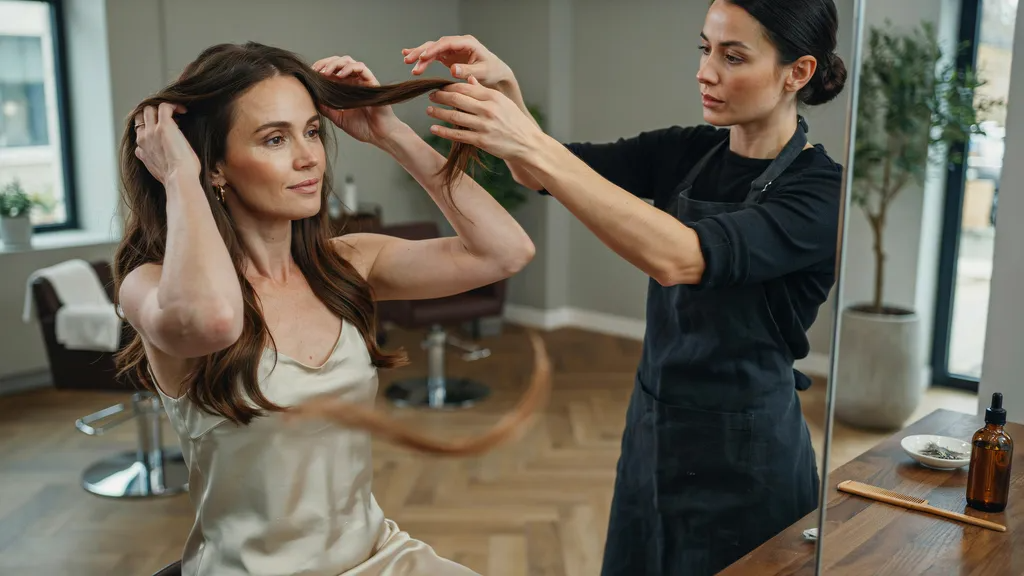
There’s a particular kind of frustration that comes with standing in front of the mirror, trying your third dry shampoo, your second velvet scrunchie, and your first attempt at a strategic half-up style, and still feeling like something is off. If your hair has been thinning at the crown, widening at the parting, or just losing the density it used to have, you already know this frustration. And you’ve probably also noticed that most beauty advice still assumes you’re working with a full, thick head of hair.
The good news is that the options available today are genuinely different from what existed even five years ago. Modern hairpieces and toppers have moved far beyond the obvious, stiff, one-size-fits-all pieces of the past. If you’ve been curious about how to get natural-looking volume and coverage without a permanent change, this guide is for you.
Why Traditional Fixes Stop Working
Volumizing shampoos, root sprays, and teasing combs all work on the same basic principle: they’re trying to make existing hair appear thicker. Which is fine — until there isn’t enough existing hair to work with. At some point, the math stops adding up. You can’t volumize what isn’t there, and styling tricks that once took five minutes can start taking twenty, with diminishing returns every time.
This is usually the point where women start looking into something more structural. The instinct is often to jump straight to human hair wigs, but for a lot of women especially those with thinning concentrated at the top of the head rather than all over a full wig is more coverage than they actually need. That’s where understanding your options becomes genuinely useful.
The Difference Between Wigs, Extensions, and Hair Toppers
Most people are familiar with clip-in extensions and wigs, but fewer people know about the category that sits between them, and it’s arguably the most practical option for everyday thinning and coverage concerns.
Clip-in extensions add length and body to hair that already has decent density at the root. They work beautifully for fine hair that needs a boost at the ends, but they don’t solve the problem of a visible parting or a thinning crown, because they attach below the area that needs coverage. Wigs, on the other hand, cover everything, which can feel like overkill if your hair loss is localized. Hair toppers, sometimes called wiglets or top pieces — are designed specifically for the crown and parting area. They attach with clips at the top of the head, blend with your own hair at the sides and back, and create the appearance of a full, natural root from the front. It’s a targeted solution for a targeted problem.
The versatility is a big part of why they’ve become so popular. A well-made hair topper can be styled with heat, parted in multiple directions, and removed at the end of the day no commitment required.
What to Look for When Choosing a Hair Topper
Not all toppers are created equal, and the differences matter a lot in terms of how natural the result looks. Here are the key things to pay attention to:
Base size. This refers to the area of coverage — how large the piece is at the top. A smaller base covers just the parting; a larger base covers the full crown. Your choice depends on where your thinning is most noticeable.
Base construction. Monofilament bases (where each hair is individually knotted onto a thin mesh) create the most realistic-looking scalp and allow for flexible parting. Lace bases are lighter and breathable. Wefted bases are typically more affordable but look best when the part isn’t too visible.
Hair type. Human hair toppers can be heat-styled, colored, and treated like your own hair. Synthetic options are lower maintenance but have less styling flexibility. For the most seamless blend, human hair is worth the investment.
Clip placement. Quality clips should grip without pulling and distribute weight evenly. Pressure-sensitive clips are gentler on already-fragile hair.
Matching Color: The Step Most People Skip
Getting the color match right is what separates a topper that looks seamless from one that looks added on. The most common mistake is matching to the overall color of your hair rather than the color at the root and crown — which is often different, especially if you color your hair or have natural highlights.
Many brands offer multi-tonal color options that mimic the natural variation in human hair. If you’re between two shades, go slightly lighter — it’s easier for a colorist to darken a piece slightly than to lift it. And if you’re working from a photo, look at your hair in natural daylight, not bathroom lighting, for the most accurate read of your true base color.
Some retailers also offer color rings or sample swatches you can order before committing to a full piece — this small step is worth it and can save you a lot of hassle.
Blending and Styling Tips for a Natural Look
The most convincing results come from treating the topper as part of your hair, not a separate entity sitting on top of it. A few techniques that make a real difference:
Backcomb the root area lightly. A small amount of texture at the root helps the clips grip and makes the transition between your hair and the topper less defined.
Use a light-hold spray to blend the perimeter. Where your hair meets the topper at the sides is where the blend lives or dies. A flexible-hold spray and a fine-tooth comb can smooth this transition significantly.
Style together, not separately. After placing the topper, use a curling wand or flat iron to run through both your hair and the topper in the same pass. This unifies the texture and creates a cohesive finish.
Match the finish. If your natural hair has a shine to it, use a light serum on the topper too. If your hair is more matte or textured, a sea salt spray can knock back any sheen on the piece. The goal is for both to look like they’re living in the same world.
A Note on Scalp Health While You Wear
Hair toppers work best as a complement to, not a replacement for, taking care of the hair you do have. If your thinning has been progressing, it’s worth speaking to a dermatologist to understand the cause — whether it’s hormonal, nutritional, stress-related, or something else. Many causes of female hair thinning are addressable when caught early.
When wearing a topper regularly, give your scalp days off where possible. A clean scalp and clean clips extend the life of the piece and keep the attachment points healthy. You don’t need to wear it every single day for it to be worth the investment.
The Bottom Line
There’s no reason to wait until you’ve exhausted every dry shampoo and styling trick before exploring what modern hairpieces can do. The technology has genuinely improved, the options are more accessible than ever, and for many women, the right piece is genuinely life-changing, not in a dramatic sense, but in the quiet, daily sense of not having to think about it anymore.
Whether you’re dealing with early-stage thinning, post-partum shedding, or a crown that’s never recovered from years of tight styles, there’s likely a solution that fits your hair, your lifestyle, and your budget. The best starting point is knowing what’s out there, and now you do.