How to Protect Hair From Heat Damage Every Day

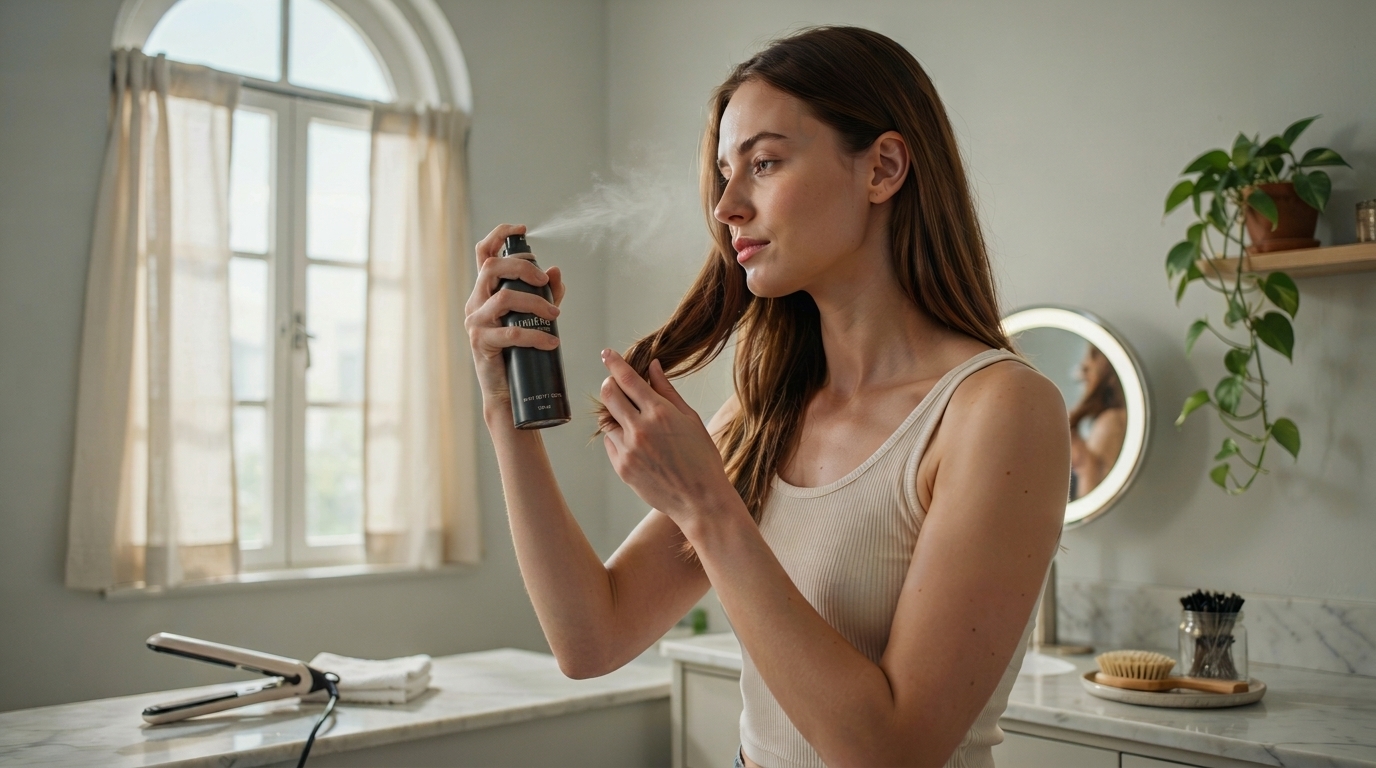
I've been there flat iron in one hand, coffee in the other, hoping for the best. Heat styling is part of so many daily routines, but it quietly takes a toll on your hair over time.
In this article, I'll show you how to protect hair from heat damage the right way.
We'll cover why heat damage happens, what to do before styling, daily habits that make a real difference, the best products to use, and heat-free options worth trying.
I've spent years testing what actually works, and I'm sharing only what holds up.
Whether you style daily or just on weekends, this guide gives you practical steps you can start using today. Let's get into it.
Understanding Heat Damage and Why Prevention Matters
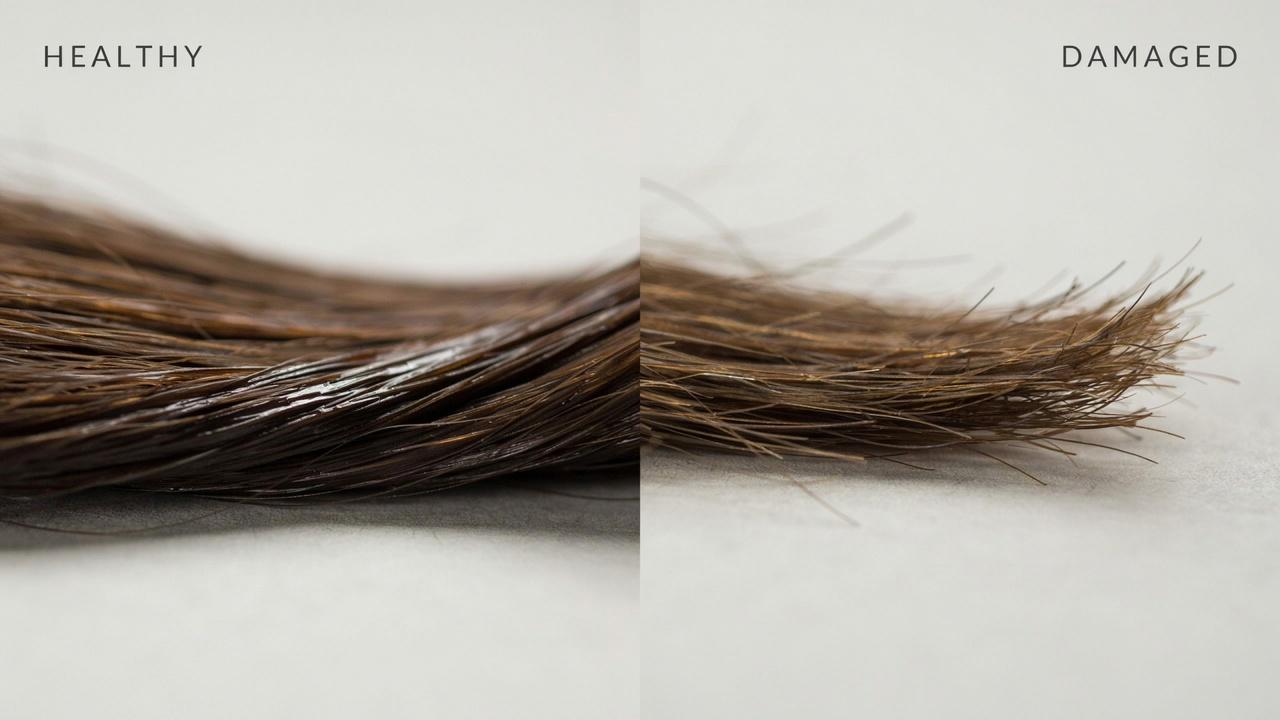
Knowing what heat does to your hair is the first step to keeping it healthy and strong. Heat breaks down the proteins inside your hair shaft.
When you use a flat iron, curling wand, or blow dryer, the high temperature strips moisture and weakens the outer layer, making hair dry, rough, and prone to breakage over time.
Signs of heat damage include hair that feels rough or straw-like, split ends that keep coming back, frizz that won't go away, and strands that break easily when combed.
Most people use heat tools almost every day, and even low heat adds up. Without protection, you're slowly weakening your hair with every session. A few simple steps can cut that damage way down.
How to Protect Hair From Heat Damage Before Styling
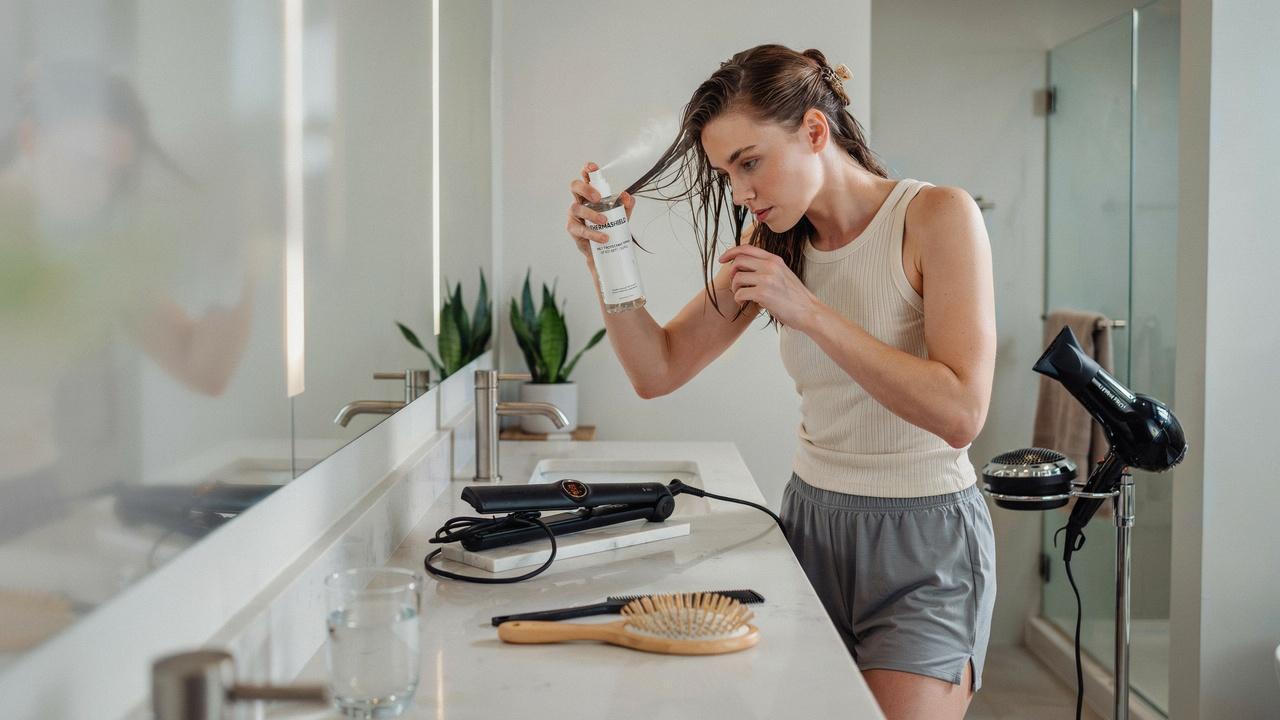
What you do before picking up a hot tool matters just as much as how you use it.
Start with Clean, Completely Dry Hair
Never apply heat to soaking wet hair. Water inside the shaft turns to steam when heated, which causes tiny bubbles and breakage from the inside out.
Blow dry on low first, or air dry until hair is fully dry before using any hot tool.
Always Apply a Heat Protectant
This is non-negotiable. A good heat protectant coats the hair and acts as a buffer between the heat and your strands.
Apply it evenly before any hot styling, and let it sit for about a minute before you start.
Choose the Right Temperature for Your Hair Type
Not all hair needs 450°F. Fine or color-treated hair does best between 250-300°F. Medium or normal hair works well at 300-350°F.
Thick or coarse hair can handle up to 400°F. Using too much heat for your hair type causes damage faster than almost anything else.
Use High-Quality Styling Tools
Cheap tools often have uneven heat that spikes without warning. Invest in a flat iron or curling wand with ceramic or tourmaline plates and a digital temperature control.
It's one of the smartest things you can do for your hair long term.
Best Daily Habits to Prevent Heat Damage

Small everyday choices add up to a big difference in how healthy your hair stays.
Limit How Often You Use Hot Tools
Try to keep heat styling to three or four times a week at most. Your hair needs regular breaks to recover and stay strong.
The less you rely on heat, the more moisture and strength your hair holds over time. Think of rest days as a simple investment in healthier, fuller-looking hair.
Keep the Hair Dryer at a Safe Distance
Hold the dryer at least six inches from your head and keep it moving constantly. Staying in one spot concentrates heat and causes more damage than most people realize.
Use the nozzle attachment to direct airflow downward along the hair shaft. This simple habit reduces frizz and cuts down on daily heat damage significantly.
Avoid Multiple Passes on the Same Section
One smooth pass is enough for most hair types. Going over the same section repeatedly adds more heat without giving you better results.
If one pass isn't working, your sections are probably too thick. Try working with smaller pieces for a cleaner, smoother finish with less heat overall.
Make Your Hairstyle Last Longer Between Heat Sessions
Protect your style at night by sleeping on a silk or satin pillowcase to reduce friction. You can also wrap your hair with a soft scarf to keep it fresh until morning.
A little dry shampoo or light misting can stretch your style by a day or two. Fewer heat sessions means less damage adding up over time.
Best Products That Help Protect Hair From Heat

Using the right products daily keeps hair strong, soft, and shielded from heat stress.
Heat Protectant Sprays
These are your first line of defense. Look for ingredients like cyclopentasiloxane, dimethicone, or keratin.
Spray on damp or dry hair before any hot tool. Brands like TRESemmé, CHI, and Kenra make solid, affordable options.
Leave-In Conditioners
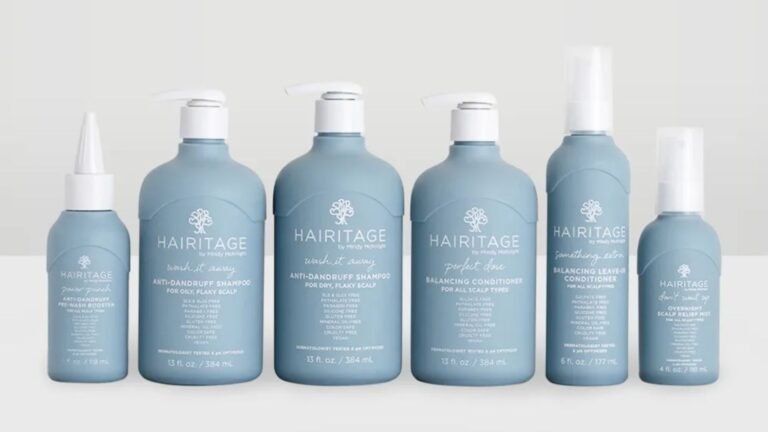
A leave-in adds a layer of moisture that helps hair resist heat better. Apply a small amount to damp hair before drying.
This also reduces the heat exposure time because your hair dries faster and smoother.
Deep Conditioning Treatments
Use a deep conditioner once a week. It restores moisture that heat styling pulls out. Look for ingredients like shea butter, argan oil, or hydrolyzed keratin.
Leave it on for at least ten minutes for the best results.
Hair Oils and Protein-Based Treatments
Argan oil, coconut oil, and camellia oil help seal the hair cuticle after heat styling. Protein treatments rebuild the inner structure of damaged hair.
Alternate between moisture and protein treatments monthly to keep a good balance.
Heat-Free Styling Alternatives for Healthier Hair
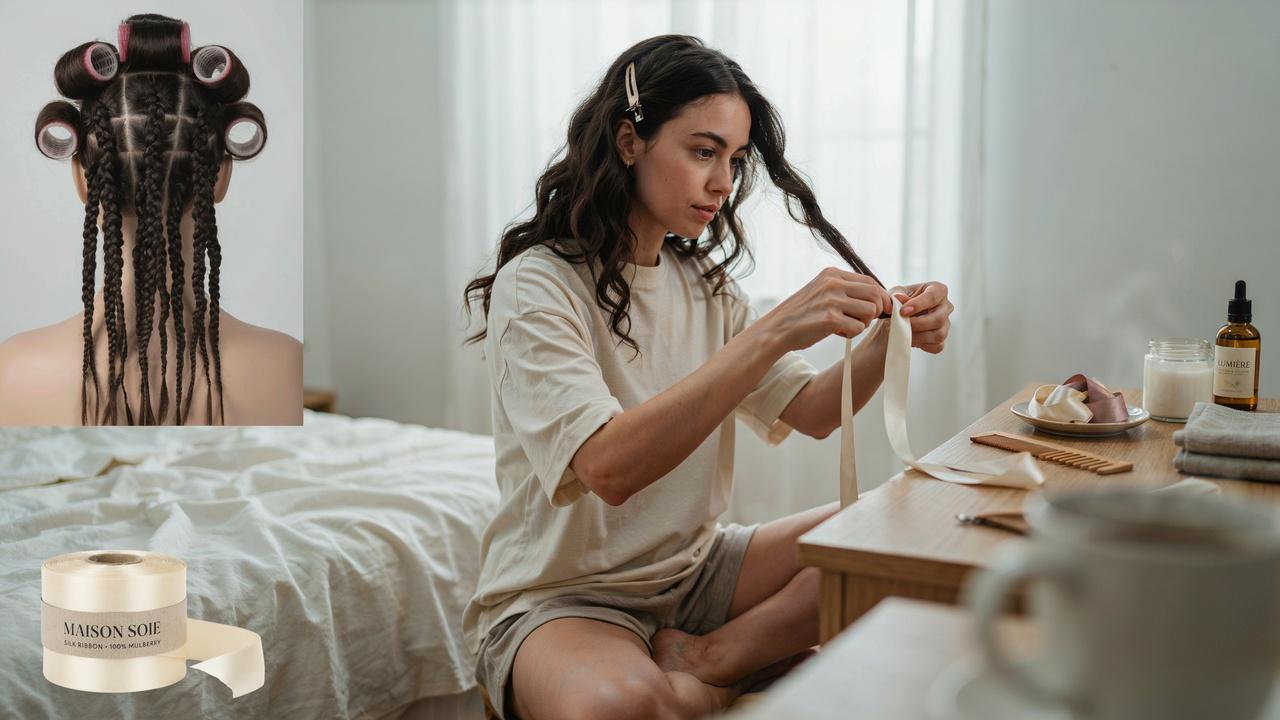
Skipping hot tools a few days a week can make a real difference in how your hair looks and feels.
Overnight Heatless Curls
Curl damp hair around a silk ribbon, sock, or flexi rod before bed and wake up to soft, natural-looking waves with zero heat involved.
Wrap sections tightly for defined curls or loosely for soft waves depending on the look you want. Let hair dry completely before unwrapping for the best hold and shape.
This method works for most hair types and often gives longer-lasting curls than a curling wand ever could.
Braids, Buns, and Foam Rollers
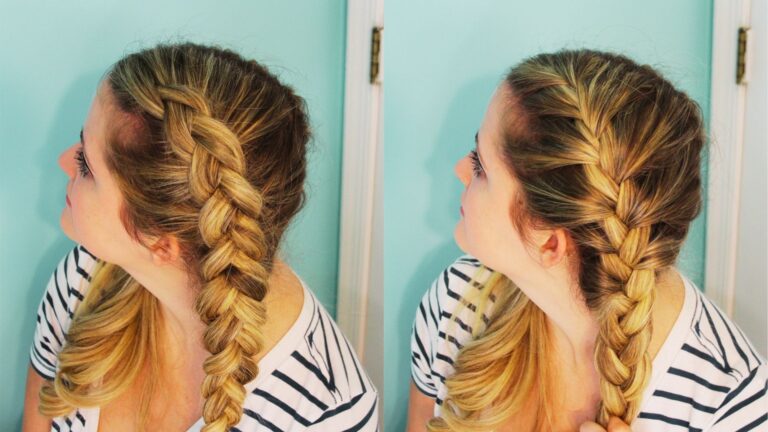
Braiding damp hair overnight is one of the easiest ways to wake up with natural waves and texture without any tools.
Foam rollers are gentle on hair and set curls beautifully while you sleep with no heat needed at all. Buns and twists on damp hair create soft volume and texture once dry.
The tighter the style, the more defined the waves will be when you take it down in the morning.
Style with Cool Air Instead of High Heat
Use the cool shot button on your dryer more often to lock your style in place without adding any extra heat damage.
Cool air sets the hair cuticle flat, which makes your style smoother and longer lasting than high heat does. Try doing about 80% of your drying on warm, then finish on cool to seal and set the final look.
This simple switch alone cuts down the total heat your hair is exposed to every single day.
Tips to Protect Hair From Heat Damage Every Day
These simple daily habits go a long way in keeping your hair strong, healthy, and damage-free.
- Always adjust your heat settings based on your hair type and start low, going higher only if needed. If your hair smells or feels stiff, the heat is too high.
- Wet hair is fragile and stretches and snaps under heat far more easily than dry hair, so always wait until hair is fully dry before styling.
- Make deep conditioning a weekly habit because even five minutes with a good deep conditioner makes a noticeable difference in strength and softness over time.
- Trim your hair every eight to ten weeks since split ends travel up the shaft and trimming stops the damage before it spreads any further.
- Plan at least two or three heat-free days each week and use that time to air dry, wear a braid, or try a protective style your hair will recover faster.
Conclusion
Learning how to protect hair from heat damage changed how I care for my hair completely. I used to reach for the flat iron every single morning without thinking twice.
Once I started using a protectant and lowering my heat settings, I noticed less breakage within weeks.
You don't have to give up heat styling. Just be smarter about it. Start with one or two of these tips today.
If this helped, leave a comment below or share it with someone who's been struggling with dry, damaged hair.
Frequently Asked Questions
Can I use heat on my hair every day if I use a protectant?
A protectant helps, but daily heat still causes gradual damage. It is best to limit hot tools to a few times a week to give your hair time to recover.
What temperature is safe for fine hair?
Fine hair should be styled between 250°F and 300°F. Higher temperatures can weaken fine strands quickly, leading to breakage and thinning over time.
Does air drying fully protect hair from damage?
Air drying is gentler than heat, but letting hair stay wet for too long can also cause swelling in the shaft. Lightly towel dry and avoid rough rubbing for best results.
How often should I deep condition heat-damaged hair?
Once a week is ideal for heat-damaged hair. If damage is severe, you can do a deep conditioning treatment twice a week until the hair feels stronger and more moisturized.
Are heat protectant sprays enough on their own?
They help a lot, but they work best when combined with proper heat settings, quality tools, and regular conditioning. No single product replaces a full protective routine.