Is Sulfate-Free Anti-Dandruff Shampoo Better for a Sensitive Scalp?

A sensitive scalp may sting, itch, or feel tight after exposure to harsh cleansers, strong fragrance, or frequent washing. Dandruff adds another concern because effective treatment must reduce flaking without increasing dryness. Sulfate-free products often remove less protective oil during cleansing, which may improve comfort for reactive skin. Their suitability depends on the active treatment, supporting ingredients, washing frequency, and the cause of the scalp problem.
People comparing conventional dandruff products with a sulfate-free shampoo should examine more than just the foam produced during washing. Sulfates lift oil efficiently, yet some sensitive scalps feel tight afterward. A sulfate-free cleanser may reduce that stripped sensation while still removing sweat, sebum, and residue. The product should also contain an established anti-dandruff ingredient, because gentler cleansing alone cannot address excess flaking or microbial imbalance.
What Sulfates Do
Sulfates are surfactants that bind with oil and debris, allowing water to carry those materials away. They also create abundant lather, which can make a wash feel thorough. However, powerful degreasing may remove too much surface lipid from vulnerable skin. That loss can result in tightness, roughness, burning, or increased itch after rinsing.
Sulfate free anti dandruff shampoo formulas rely on alternative surfactants. Their foam may be lighter, but lather volume does not determine cleansing ability. Performance depends on the full ingredient profile, contact time, water temperature, and amount of product used.
Why Sensitive Scalps Need Balance
Reactive scalp skin generally tolerates fewer irritants. Repeated hot-water washing, vigorous scratching, heavy fragrance, and aggressive brushing can disrupt the outer barrier. Once that barrier becomes impaired, ordinary products may sting, and inflammation can persist.
Gentle cleansing must still include targeted care. Zinc pyrithione, for example, has been used in dandruff products to help control flaking associated with seborrheic dermatitis. The active ingredient, concentration, and directions warrant as much attention as the absence of sulfates.
Benefits of Sulfate-Free Treatment
A sulfate-free anti-dandruff wash may leave less of the scalp’s natural oil removed after bathing. That difference can help people who notice tightness, scaling, or discomfort after standard shampoos. It may also benefit dry hair lengths, which receive little oil from the scalp.
Still, a gentle base does not guarantee comfort. Fragrance, preservatives, essential oils, or botanical extracts may irritate certain individuals. Ingredient lists and personal responses remain important.
Medicated cleansers sometimes leave strands coarse, especially after frequent use. A formula containing conditioning agents can improve slip and reduce friction during rinsing. This feature may be important for people with curls, chemically treated hair, or fragile ends. Reduced flakes, less itching, and a calmer skin surface are more useful for measuring effectiveness than softness.
How to Use It Correctly
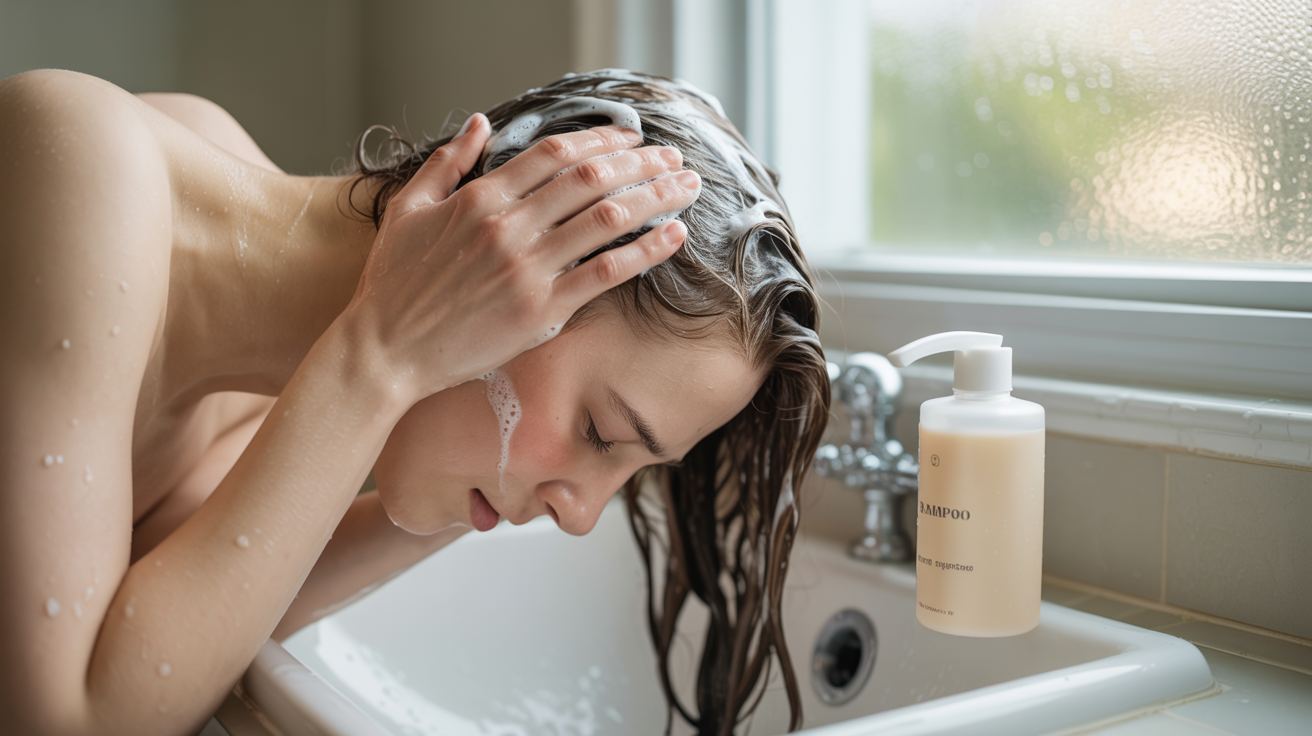
Begin with lukewarm water. Excess heat can increase dryness and redness, while insufficient rinsing may leave residue behind. Shampoo should be used primarily on the scalp, where oil, sweat, and flakes accumulate.
Use fingertips to massage. Scratching with fingernails can create small breaks in the skin and intensify inflammation. Leaving a medicated cleanser on for the stated interval allows its active ingredient adequate contact time before thorough rinsing.
Signs of a Poor Match
Burning, swelling, marked redness, or worsening itch suggests that a product may not suit the user. New rash development can indicate irritation or allergic contact dermatitis rather than ordinary dandruff.
Painful plaques, bleeding, thick scale, or sudden hair shedding require medical assessment. Psoriasis, eczema, tinea, and contact reactions can resemble dandruff. A clinician can identify the underlying condition and select treatment based on its cause.
Who May Benefit Most?
Sulfate-free dandruff care may suit individuals who develop tightness after cleansing. It can also help people with dry hair, textured strands, color-treated lengths, or frequent washing routines.
Those with oily scalps may need more frequent cleansing or a different product. A mild cleanser can still perform well when applied thoroughly and rinsed properly. Scalp oiliness, flake reduction, and comfort should guide schedule changes.
Final Verdict
Sulfate-free anti-dandruff shampoo may be a better option for sensitive skin when ordinary cleansers cause tightness, dryness, or stinging. Its value comes from the complete formula, particularly the selected surfactants, active treatment, and potential irritants. Users should follow directions, allow enough contact time, and assess changes across several washes. Persistent inflammation, painful scale, bleeding, or hair loss warrants professional evaluation.