Why Does My Gel Polish Peel Off? Reasons Explained

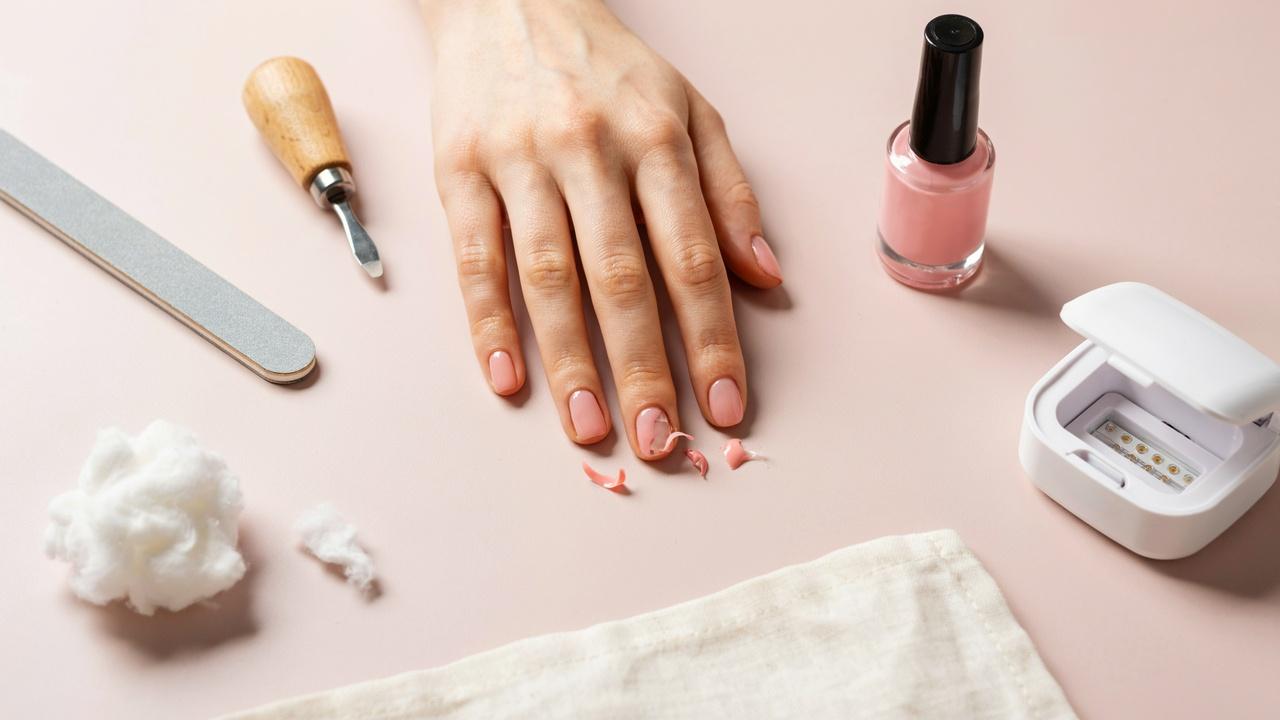
If you've ever spent time doing your nails only to watch your gel polish peel off within days, you're not alone.
I've been there too, and it's beyond frustrating. Gel polish should last two to three weeks, so when it starts lifting early, something went wrong.
After years of trial and error, I've figured out exactly what causes this.
In this article, I'll cover why gel polish peels off, the most common mistakes that cause it, and what you can do to make your manicure last.
Everything here is based on real experience, so you can stop guessing and start getting results.
Why Does My Gel Polish Peel Off? Quick Answer
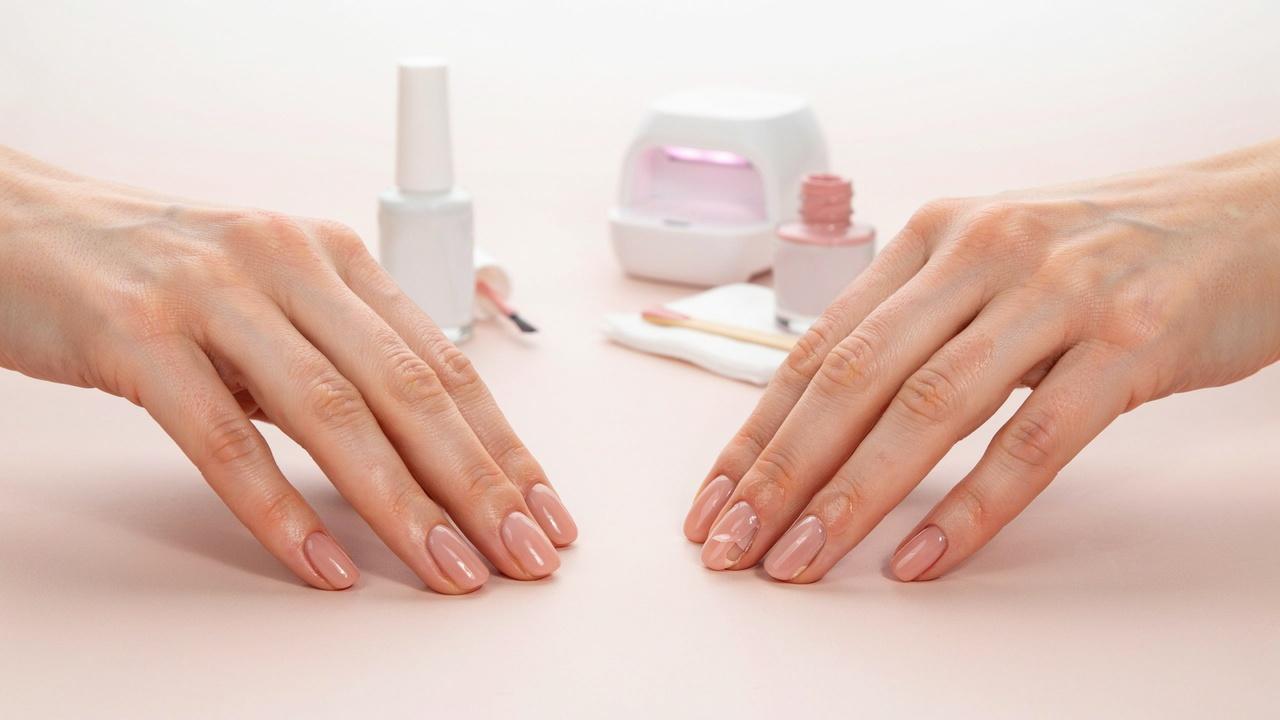
Here's a quick breakdown of what's likely causing your gel polish to peel.
Gel polish usually peels because of poor nail prep, thick layers, or under-curing. Oil, moisture, or dead skin on the nail plate stops the gel from bonding properly.
A proper gel manicure should last two to three weeks. If yours is peeling before the one-week mark, something went wrong during prep or application.
Skipping the free edge seal, using the wrong lamp, or getting nails wet too soon are all common causes.
The good news is that peeling is not normal, and it almost always has a clear, fixable cause.
Why Does My Gel Polish Peel Off So Fast?
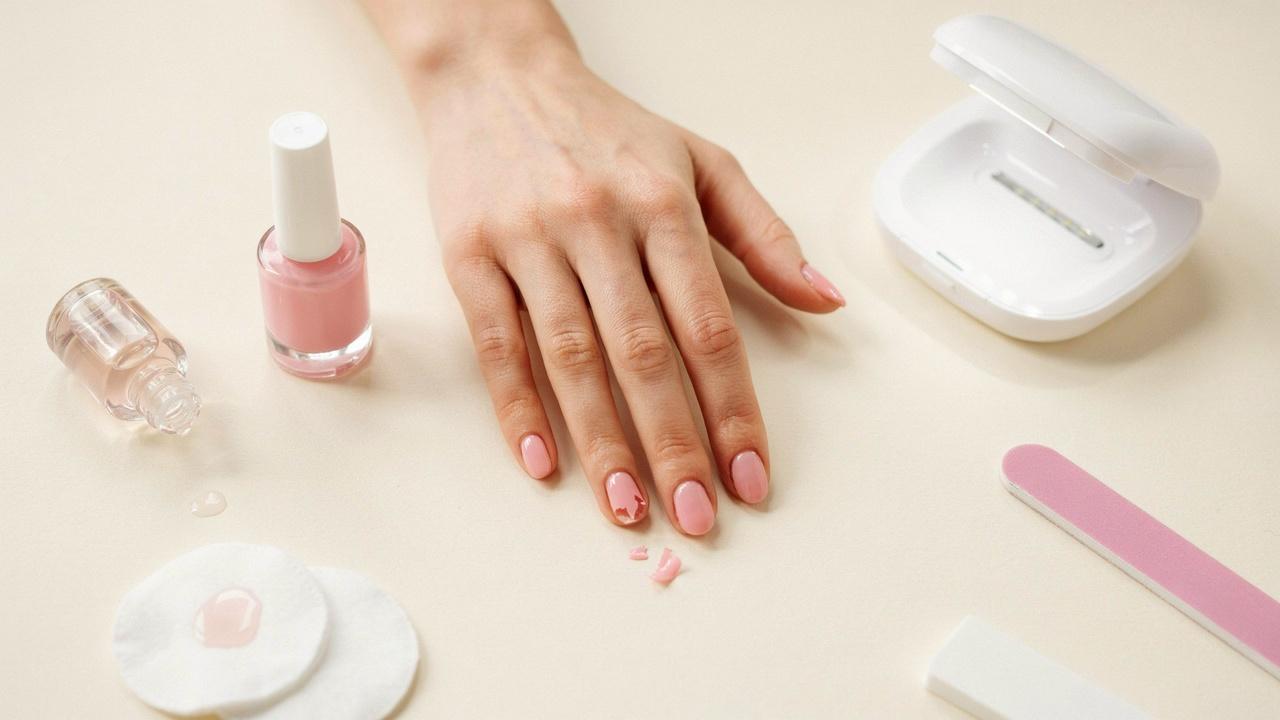
Even with good prep, certain application habits can cause gel polish to fail ahead of time.
Applying Gel Polish in Thick Layers
Thick coats of gel look tempting because they seem to give you better color payoff in fewer steps, but they actually work against you.
When a coat is too thick, the UV or LED light cannot fully reach the bottom of the layer during curing.
The surface hardens, but the gel underneath stays soft and never fully bonds to the nail. That soft layer is what causes lifting and peeling within the first few days.
Applying thin, sheer layers and building color gradually ensures every part of the coat cures completely and stays locked in place.
Under-Curing or Uneven Curing
Gel that is not fully cured will always peel faster than gel that has been properly set.
This can happen when your lamp does not have enough wattage, when the bulbs are old and losing strength, or when you move your hand out of the lamp too early.
Uneven curing also happens when fingers are angled poorly inside the lamp and some nails get less light than others.
Always follow the cure time listed for your specific gel brand, keep your hand flat and still under the lamp, and replace lamp bulbs regularly to make sure every layer sets completely.
Using Old or Incompatible Gel Products
Gel polish does not last forever in the bottle. Over time, the formula thickens, the pigment separates, and the chemistry changes in ways that affect how it cures and bonds.
Old gel often looks fine going on but peels within days because it no longer performs the way it should.
Mixing products from different brands can cause the same problem.
A base coat is designed to work with a specific top coat formula, and combining mismatched products can lead to poor adhesion, wrinkling, or early lifting.
Stick to products within the same brand line when possible.
Forgetting to Seal the Free Edge of the Nail
The free edge is the very tip of your nail, and it is the most exposed part of your manicure during daily activity.
Every time you type, open something, or use your hands, the tips take the most impact.
If you do not cap the free edge by running the brush along the tip with every single layer, including the base coat, color, and top coat, the gel has an open edge that starts lifting from the tip inward.
It only takes a second to seal the tip with each coat, and it is one of the most effective ways to extend the life of your manicure.
Why Does My Gel Polish Peel Off So Quickly After Application?
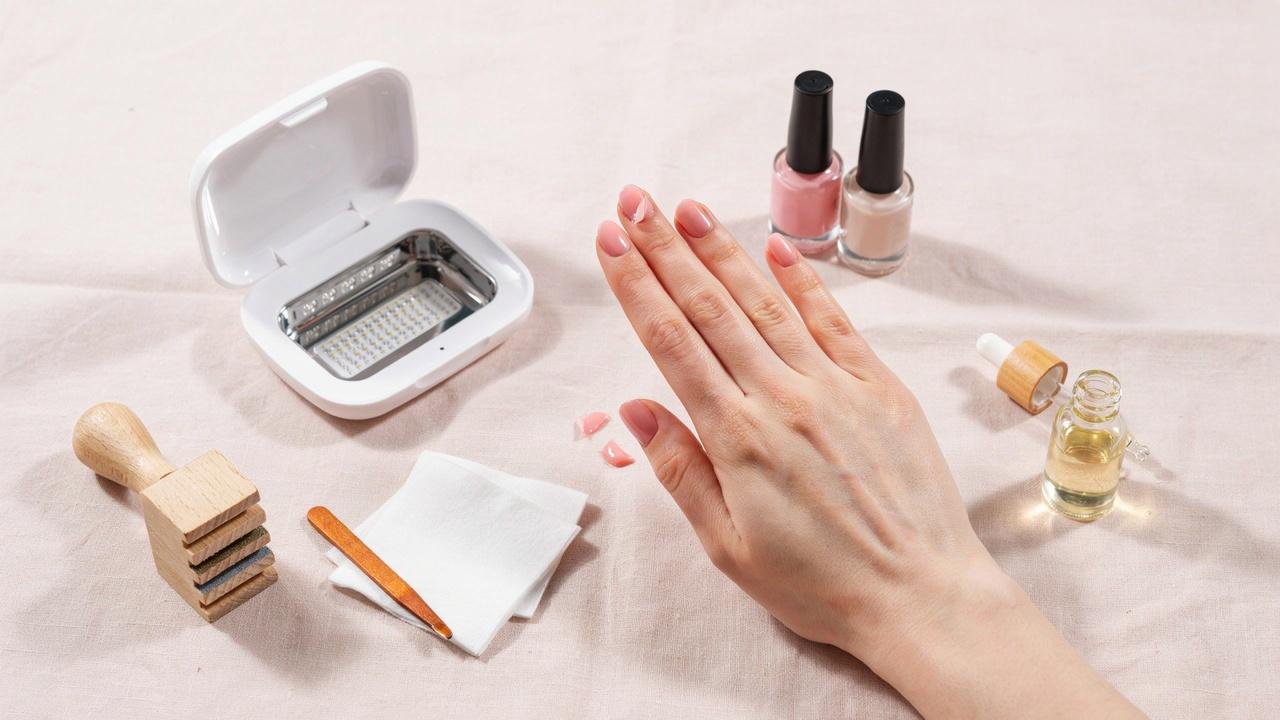
Sometimes gel polish starts peeling within hours or days, and the reason comes down to what happens right after you finish.
Exposing Nails to Water Too Soon
Water is one of the fastest ways to undo a fresh gel manicure.
Right after application, the bond between the gel and your nail plate is still settling, even if it feels fully cured.
Getting your nails wet causes the natural nail to absorb water and swell slightly, and that swelling puts pressure on the gel from underneath.
When the nail dries and contracts again, the bond weakens and lifting begins.
Try to keep your nails completely dry for at least a few hours after your manicure, and avoid long soaks like baths or dishes for the first day if possible.
Gel Touching the Cuticles or Surrounding Skin
Gel polish bonds well to the nail plate but does not bond to skin.
If any gel touches the cuticle or the skin around your nail during application, that spot will lift almost immediately after curing.
The problem is that once lifting starts at one point, it spreads across the nail fairly quickly.
This is why keeping a clean gap between your gel and the cuticle line matters so much.
Take your time during application, use a clean-up brush dipped in gel cleanser to fix any skin contact before curing, and never flood the cuticle area with product.
Heat, Cleaning Products, and Daily Wear and Tear
Hot water softens gel over time and breaks down the bond between the product and your nail.
Bleach-based cleaners, acetone-heavy products, and strong household chemicals do the same thing but faster.
Even regular daily habits like typing for hours, peeling stickers, or using your nails as tools put repeated stress on the gel, especially at the tips.
None of these things mean you have to stop living your normal life, but being aware of them helps you make small changes like wearing gloves during cleaning or being mindful about how you use your hands throughout the day.
Lifestyle Habits That Weaken Gel Adhesion
Certain lifestyles are just harder on gel manicures than others, and that is completely normal.
If you swim regularly, work in healthcare and wash your hands dozens of times a day, or spend time doing physical outdoor work, your gel will wear down faster than someone who sits at a desk.
The key is not to avoid gel altogether but to adjust how you care for it.
Wearing gloves for water and chemical exposure, applying cuticle oil daily, and going for fills or touch-ups slightly earlier than the two-week mark can help you get the most out of your manicure given your routine.
Common Mistakes That Make Gel Polish Peel Off
These small but costly application habits are quietly ruining your gel manicure before it even gets a chance to last.
- Skipping nail dehydration and primer leaves the nail plate oily and unprepared, giving the gel nothing solid to bond to from the start.
- Leaving dead skin or cuticle residue on the nail plate acts as a barrier between the gel and your actual nail, causing early lifting.
- Buffing too much thins and weakens the nail, while buffing too little leaves shine that stops the gel from gripping the surface properly.
- Thick coats of base or color gel trap air and prevent full curing, which causes the gel to lift at the edges and peel within days.
- Using the wrong curing lamp or peeling off old gel instead of soaking it damages the nail surface and leads to poor adhesion every time.
How to Stop Gel Polish From Peeling Off
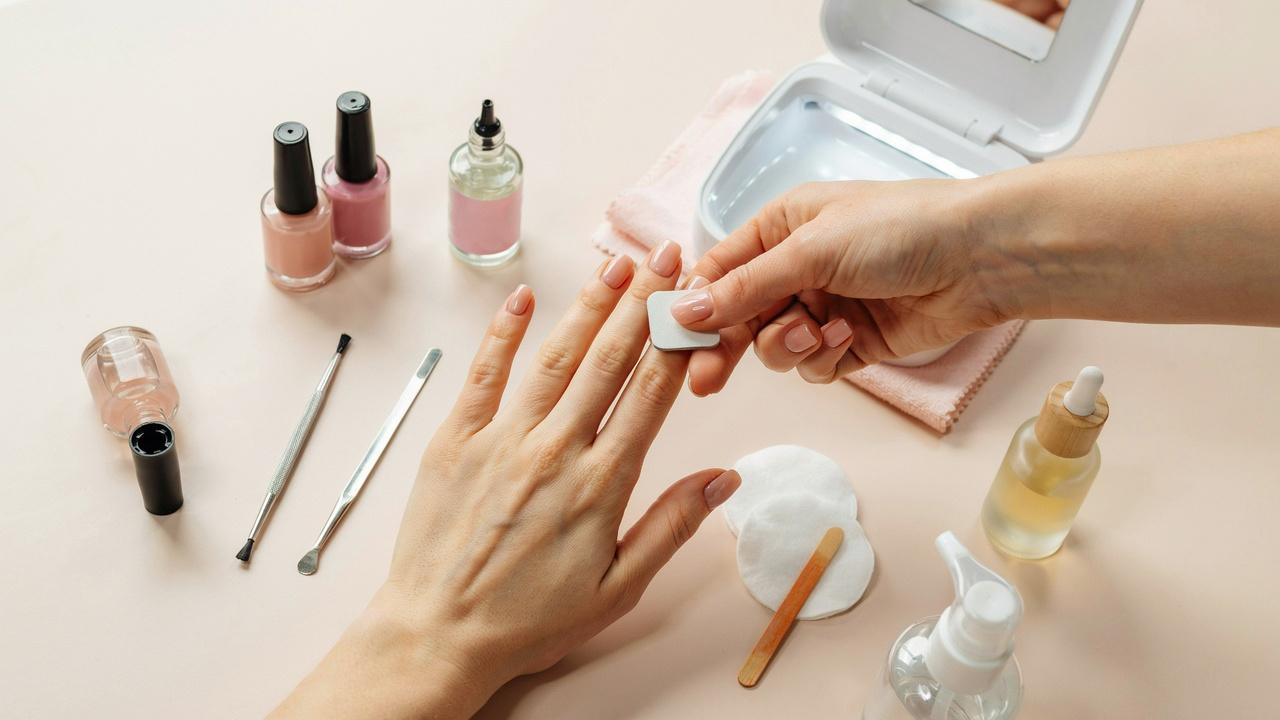
A few consistent habits during prep and application will keep your gel manicure looking fresh far longer.
Prep Your Nails Properly Every Time
Nail prep is the most important step in any gel manicure, and it is the one most people rush through.
Start by removing any old polish and washing your hands. Push back the cuticles and clip away any dead skin sitting on the nail plate.
Lightly buff the surface to remove shine, then wipe everything down with a lint-free pad soaked in isopropyl alcohol.
Finish with a nail dehydrator. This full process removes oil, moisture, and debris so the gel has a clean surface to grip from the very first coat.
Apply Thin, Even Coats of Gel Polish
Thin coats are one of the simplest things you can do to stop gel polish from peeling, and they make a bigger difference than most people expect.
When you apply gel too thick, the lamp light cannot reach the bottom of the layer, which means part of it stays uncured and soft.
That soft layer never bonds properly to the nail. Apply each coat so it looks slightly sheer before curing.
The color builds up over two or three coats without creating the thick, uneven layers that lift and peel within days.
Cure Every Layer Completely
Every single layer of gel polish needs to be fully cured before you move on to the next one. This includes the base coat, each color coat, and the top coat.
If you rush the curing step or pull your hand out too soon, the gel stays tacky underneath even when the surface feels hard.
Under-cured gel peels fast because it never fully bonded to the layer below it.
Follow the cure time listed for your specific gel brand and lamp combination, and keep your hand still and flat under the lamp for even light coverage across every nail.
Seal the Nail Tips With Every Layer
Capping the free edge is a small step that has a big impact on how long your gel manicure lasts.
The tip of the nail takes the most daily wear and is the first place peeling usually starts.
To seal it, drag your brush lightly along the very edge of the nail at the end of each coat, including the base coat, color coats, and top coat.
This wraps the gel around the tip so there is no exposed edge for water or daily contact to work its way under.
Skipping this step is one of the most common reasons gel starts lifting at the tips within the first few days.
Protect Your Nails From Water and Harsh Chemicals
Water and chemicals are two of the biggest reasons gel polish breaks down faster than it should.
Hot water causes the nail plate to swell slightly, which weakens the bond between your nail and the gel sitting on top of it.
Cleaning products, bleach, and even some soaps are harsh enough to lift the gel at the edges over time.
Wearing rubber gloves when doing dishes, cleaning the bathroom, or handling any strong chemicals adds a protective barrier that keeps your manicure in much better shape.
This one habit can add several extra days to how long your gel polish actually lasts.
Keep Your Nails Healthy and Hydrated
Dry, brittle nails give gel polish very little to hold onto, and they are far more likely to cause early lifting and peeling.
Apply cuticle oil at least once a day, even when you have gel on. Cuticle oil keeps the skin around the nail soft and hydrated without damaging the gel itself.
Between manicures, use a nail strengthener or a hydrating hand cream regularly to rebuild any moisture the gel removal process takes away.
Healthy nails flex less, stay stronger, and give gel polish the solid, stable surface it needs to bond well and stay put for the full two to three weeks.
Best Products and Tips to Make Gel Polish Last Longer
The right products and habits make all the difference in keeping your gel manicure intact for weeks.
- Always use a nail dehydrator and primer before applying gel polish to remove oil and moisture and create a stronger bond between your nail and the base coat.
- Invest in a quality UV or LED lamp with at least 36 watts to make sure every layer of gel cures fully and evenly from base coat to top coat.
- Apply cuticle oil daily to keep your nails and surrounding skin hydrated, which helps the gel stay flexible and reduces early chipping at the edges.
- Strengthen weak or thin nails between manicures using a nail hardener or treatment so your nail plate is in good shape before your next gel application.
- Always remove gel properly using acetone-soaked cotton pads and foil wraps instead of peeling or scraping, which damages the nail surface and causes future gel to peel faster.
Conclusion
Gel polish peeling off is one of those problems that feels small but really adds up.
I've had my share of manicures that barely made it past day three, and most of the time, it came down to skipping prep steps I thought didn't matter.
Once I started taking nail dehydration, thin coats, and proper curing seriously, everything changed.
If you've been struggling with peeling gel, try working through the tips in this post one by one.
Drop a comment below and let me know which step made the biggest difference for you.
Frequently Asked Questions
Why Does My Gel Polish Peel Off So Easily?
Gel polish usually peels easily because of oil or moisture on the nail plate before application. Skipping dehydration and primer are the most common causes.
Why Does My Gel Polish Peel Off So Fast?
Thick layers and under-curing are the top reasons gel polish fails fast. Always apply thin coats and cure each layer fully with the right lamp.
Why Does My Gel Polish Peel Off So Quickly?
Getting nails wet too soon or letting gel touch the skin around your nails often causes quick peeling. Seal the free edge and keep nails dry for a few hours after application.
Can Weak Nails Cause Gel Polish to Peel?
Yes. Thin or flexible nails bend more easily, which causes the gel to crack or lift at the edges. A strengthening base coat can help reduce this.
How Can I Repair My Nails After Gel Polish Damage?
Stop using gel for a few weeks and apply a nail strengthener or hardener. Keep nails trimmed short, moisturize daily, and avoid picking or peeling any remaining gel.