Is Builder Gel the Same as Hard Gel? Explained

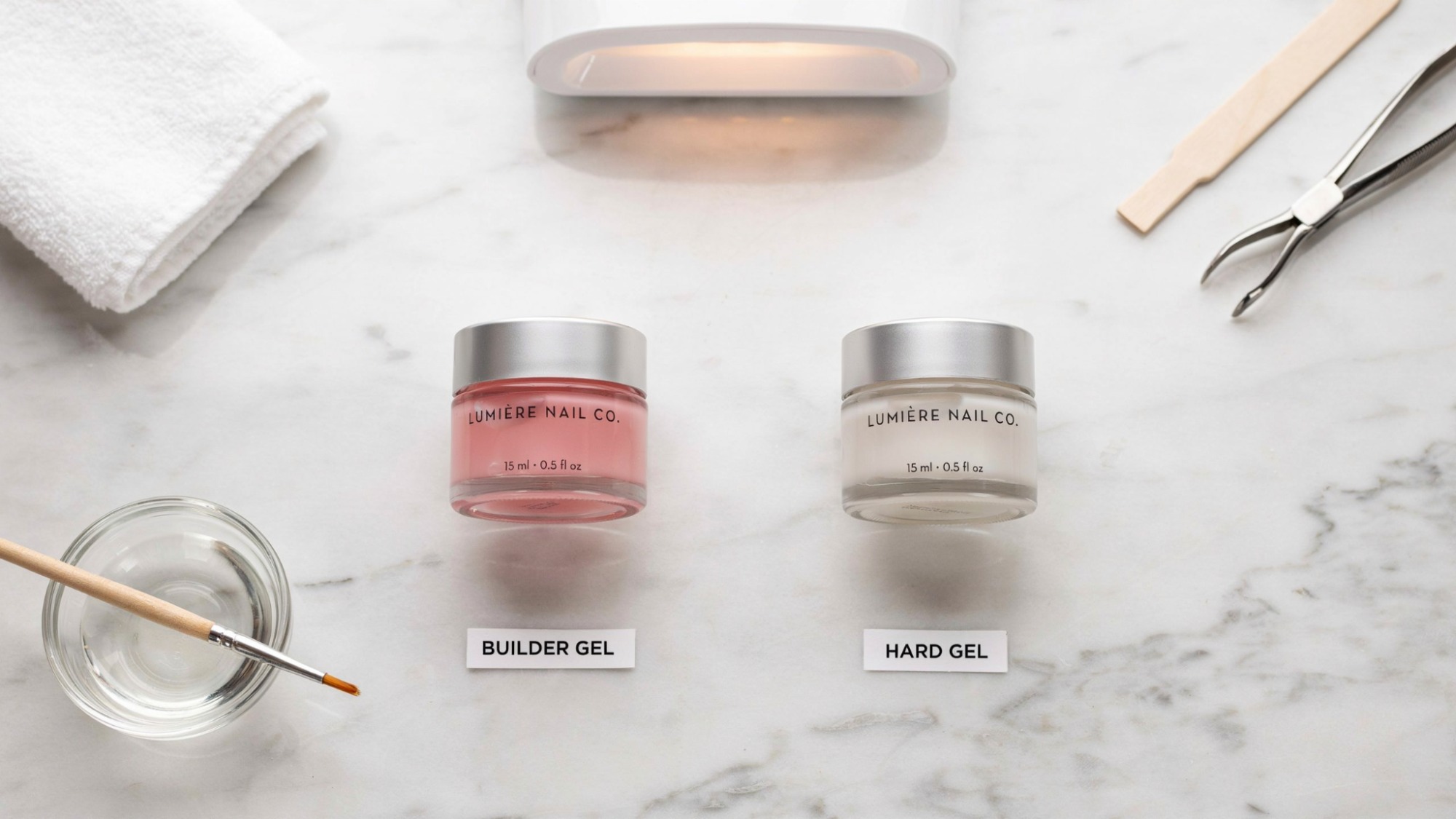
If you've been wondering, is builder gel the same as hard gel, you're not alone.
The names sound similar, but they aren't always the same, and choosing the wrong one can affect your nail results.
This guide will clear up the confusion with simple, practical information you can trust.
You'll learn how builder gel and hard gel differ in strength, flexibility, durability, removal, and the best uses for each.
I've spent time researching professional nail techniques and product differences, so this guide focuses on clear, reliable advice that helps you make an informed choice.
What Is Builder Gel?
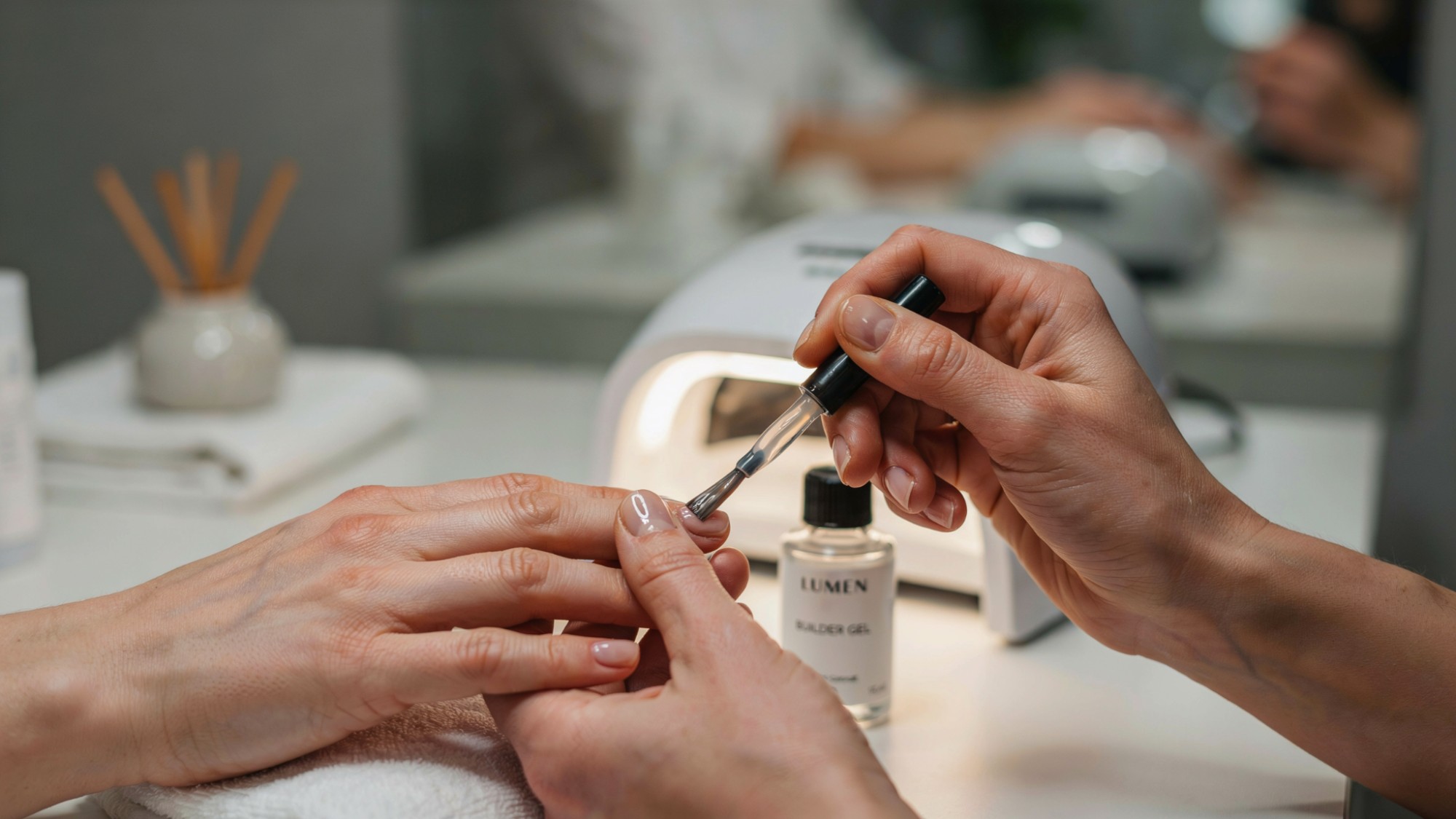
Builder gel is a thick nail enhancement product used to strengthen natural nails and create overlays or extensions.
It cures under a UV or LED lamp, forming a hard, protective layer that helps reduce breakage.
Builder gel comes in different viscosities, allowing nail technicians to choose a formula based on the desired look and skill level.
One of its biggest benefits is that it creates a smooth, natural-looking finish while adding strength and structure. It works well for short, medium, and even longer nails.
However, proper application is important to prevent lifting or uneven results. Depending on the formula, builder gel may be soak-off or file-off, so the removal method varies by product.
What Is Hard Gel?

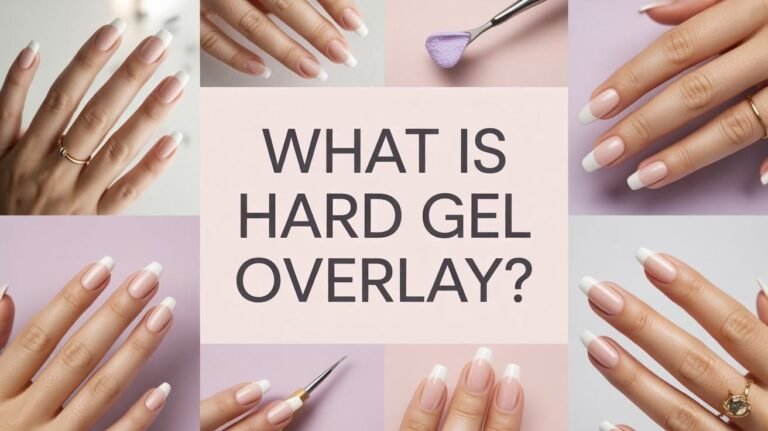
Hard gel is a non-soak-off nail enhancement gel designed to provide maximum strength and durability, especially for long nail extensions.
Like builder gel, it cures under a UV or LED lamp, but it creates a more rigid finish that resists cracking and breaking.
Hard gel is popular with people who want long-lasting nail enhancements without adding too much weight. Despite its strength, it feels lightweight on the nails.
However, it cannot be removed with acetone and must be carefully filed off to avoid damaging the natural nail.
Because of its durability and removal process, hard gel is often best applied and removed by an experienced nail technician.
Builder Gel vs Hard Gel: Composition
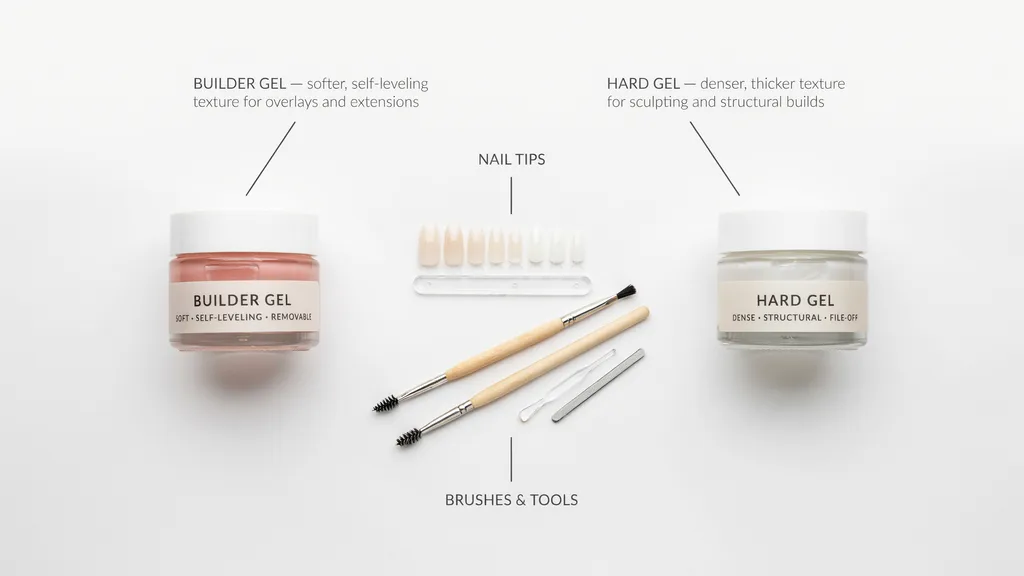
The formula of each gel affects its flexibility, strength, and how it performs on different nail types.
Builder Gel Formula
Builder gel has a more flexible structure that allows the nails to move naturally without becoming too rigid.
It is available in different viscosity levels, from thin to thick, making it suitable for overlays, strengthening, and extensions.
Some builder gels are soak-off, while others are non-soak-off, giving users more options based on their preferred application and removal method.
Hard Gel Formula
Hard gel has a dense polymer structure that creates a stronger and more rigid finish than builder gel.
It is designed for maximum durability, making it ideal for long nail extensions and clients who need extra strength.
Because of its non-soak-off formula, hard gel must be filed off during removal. Its rigid structure helps reduce cracks and maintains the nail's shape for longer.
Durability and Strength Comparison
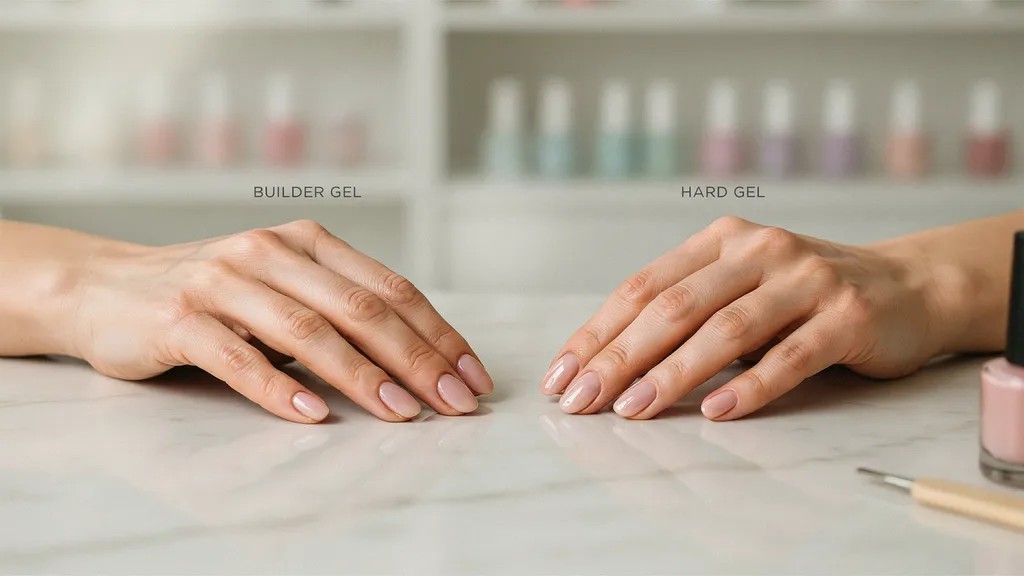
Although both gels are durable, they differ in flexibility, wear time, and the type of support they provide.
Which Lasts Longer?
Hard gel generally lasts longer because of its rigid structure and high resistance to daily wear. It is less likely to chip or crack, especially on long nail extensions.
Builder gel is also durable, but its wear time depends on the formula and application. With proper care, both options can last several weeks before needing a fill or maintenance.
Which Is More Flexible?
Builder gel is more flexible, allowing it to move slightly with the natural nail and reducing the chance of stress-related lifting.
Hard gel is much more rigid, providing excellent support for longer extensions but offering less flexibility.
If you prefer a natural feel, builder gel is often the better choice, while hard gel is ideal for maximum strength and durability.
Which One Is Better for Nail Extensions?
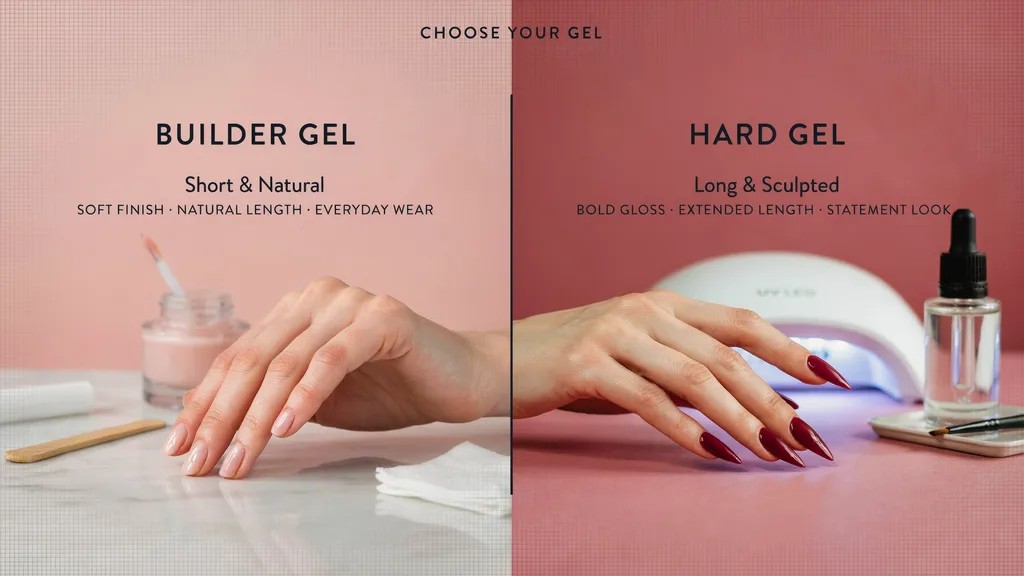
The best choice depends on the length, strength, and maintenance level you want from your nail extensions.
Choose Builder Gel If:
- You want natural-looking nails.
- You prefer some flexibility for everyday comfort.
- You want easier removal with soak-off formulas.
Choose Hard Gel If:
- You want maximum durability for long-lasting wear.
- You prefer long nail extensions with extra strength.
- You don't mind file-off removal during maintenance.
Removal: Builder Gel vs Hard Gel
Removing nail gels safely is important to protect the natural nail and avoid damage or weakening.
| Removal Factor | Builder Gel | Hard Gel |
| Method | Soak-off or light filing | File-off only |
| Product Used | Acetone (for soak-off types) | No acetone works |
| Time Required | 10–20 minutes (approx.) | Longer due to filing |
| Nail Safety | Safer when removed correctly | Requires careful filing |
| Damage Risk | Low if done properly | Higher if over-filed |
| Best Option | Gentle removal at salon | Professional removal recommended |
Can You Use Builder Gel and Hard Gel Together?
Yes, builder gel and hard gel can be used together in some cases, but the combination should be planned carefully.
Nail technicians may layer these products to achieve a balance of flexibility and strength, depending on the client's nail condition and desired result.
For example, builder gel may be used to create a smooth base, while hard gel can add extra durability for longer extensions.
Not all products are designed to work together, so checking compatibility is important before layering them.
This approach is generally best handled by a professional to ensure proper application and long-lasting results.
Tips for Choosing the Right Gel
Choosing the right gel is easier when you consider your nail goals, daily routine, and maintenance preferences.
- Consider your nail length before selecting a gel.
- Think about your lifestyle and how much wear your nails experience.
- Choose based on the level of durability you need.
- Consider whether you prefer soak-off or file-off removal.
- Consult a qualified nail technician for personalized recommendations.
Conclusion
Now that you know is builder gel the same as hard gel, choosing the right option should feel much simpler.
I believe the best nail product is the one that fits your lifestyle and keeps your nails looking great with the right amount of care.
Imagine walking into your next nail appointment knowing exactly what to ask for. I hope this guide makes that decision easier.
If you found it helpful, leave a comment, share it with someone who loves nail care, or try our other beauty guides.
Frequently Asked Questions
Is builder gel stronger than hard gel?
Builder gel is strong, but hard gel is generally more rigid and offers greater durability. The better choice depends on your nail goals and preferred look.
Can builder gel replace hard gel?
In some cases, yes. Builder gel works well for overlays and shorter extensions, while hard gel is often preferred for longer, stronger nail enhancements.
Which gel is easier to remove?
Soak-off builder gel is usually easier to remove because it can dissolve in acetone. Hard gel must be carefully filed off by hand.
Is hard gel better for long nail extensions?
Yes. Hard gel is designed to provide extra support and strength, making it a popular choice for long extensions that need lasting durability.
Can beginners use builder gel and hard gel?
Beginners often find builder gel easier to work with, especially soak-off formulas. Hard gel usually requires more practice because of its application and file-off removal process.