What Is Lip Blushing? Everything You Need to Know

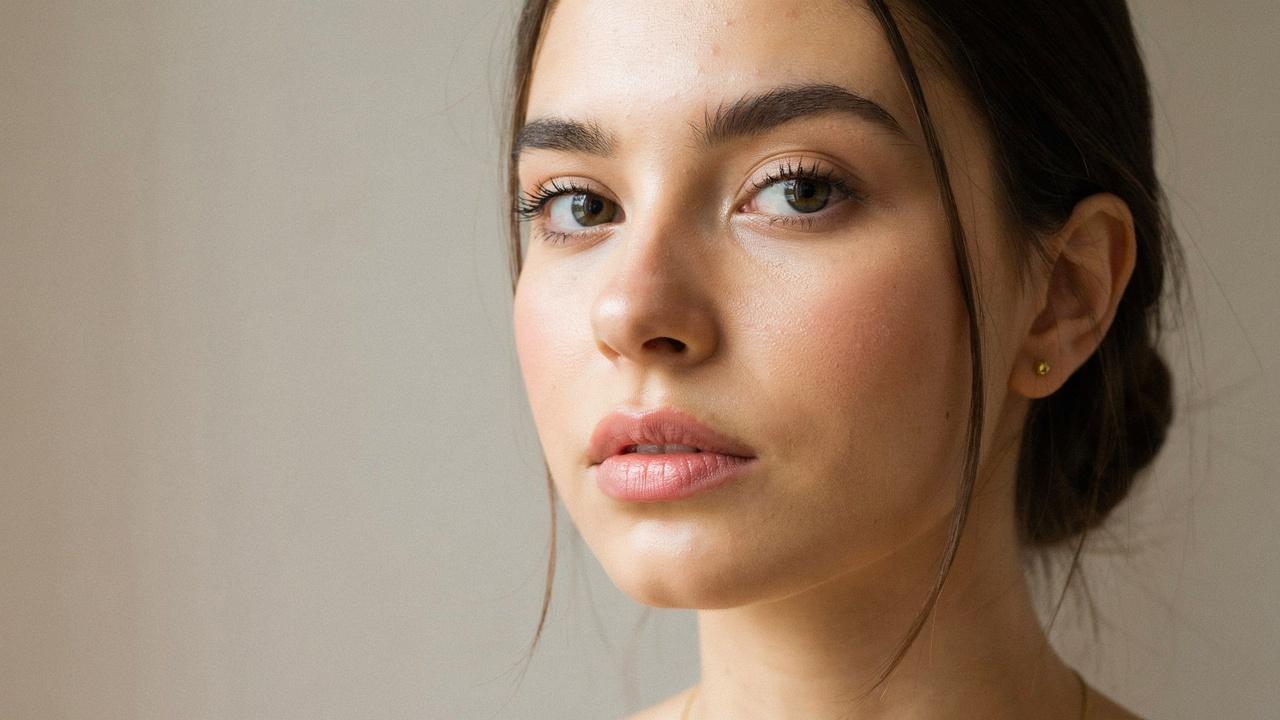
I tried lip blushing two years ago after years of reapplying tinted balm every hour. The results genuinely surprised me.
If you've been curious about this semi-permanent lip treatment, you're in the right place.
This guide covers exactly what lip blushing is, how it works, what to expect during and after the procedure, and whether it's right for you.
I'll also walk you through costs, risks, aftercare, and longevity. No fluff, no guesswork. Just clear, honest information so you can make the best decision for yourself.
What Is Lip Blushing?
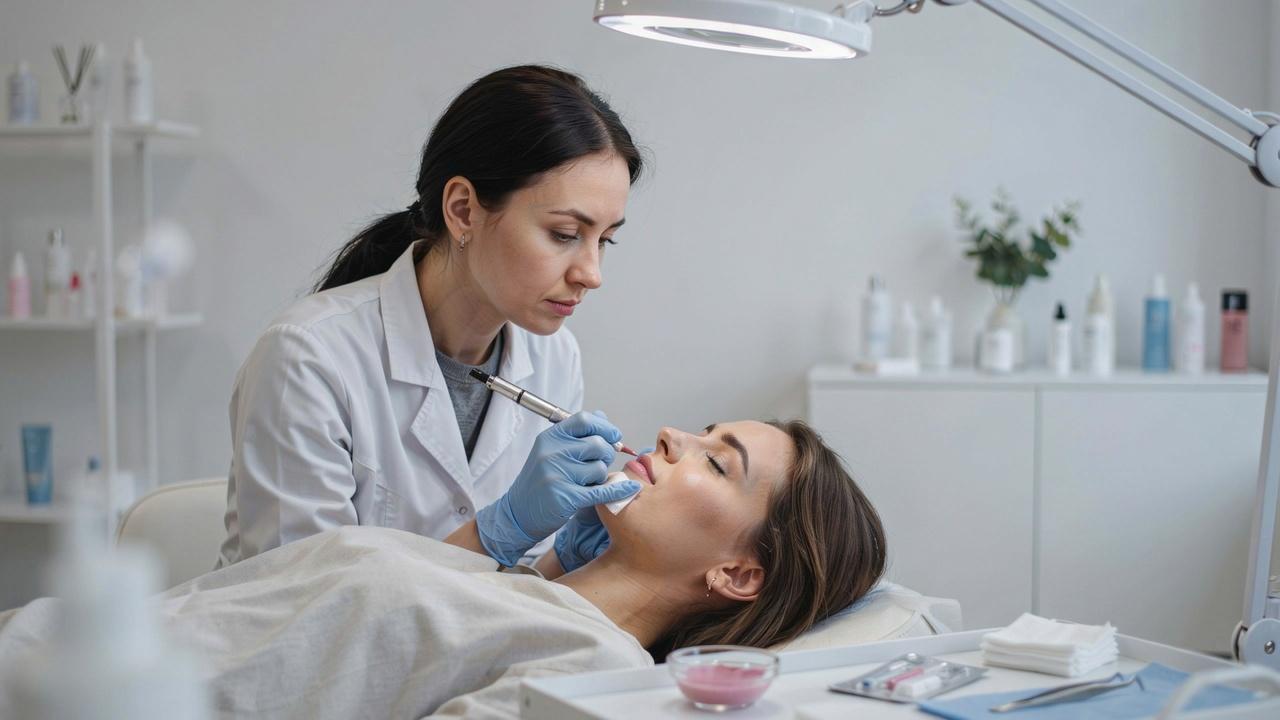
Lip blushing is a semi-permanent cosmetic tattoo treatment for your lips. A trained artist uses a fine needle to deposit pigment into the top layer of your lip skin.
The result is a soft, natural-looking tint that adds color and subtle definition without looking overdone.
It's not the same as a lip tattoo you'd get at a regular tattoo parlor. The pigment goes into a much shallower layer of skin.
This gives the lips a tinted, healthy look rather than a harsh, inked appearance.
People choose lip blushing for many reasons. Some want to correct uneven pigmentation. Others want to save time on their morning makeup routine.
Some simply want their lips to look fuller and more defined every single day.
How Does Lip Blushing Work?
This procedure takes precision, the right tools, and a skilled hand.
How the Procedure Is Performed

The session usually takes two to three hours. Your artist will apply a numbing cream first and let it sit for about 20 to 30 minutes.
Once your lips are numb, they use a small handheld device or tattoo machine to deposit pigment in light, layered passes across your lips.
The process is slow and careful. Your artist works in sections to build color evenly. Most people feel light pressure or mild scratching, but not sharp pain.
Choosing the Right Pigment Shade
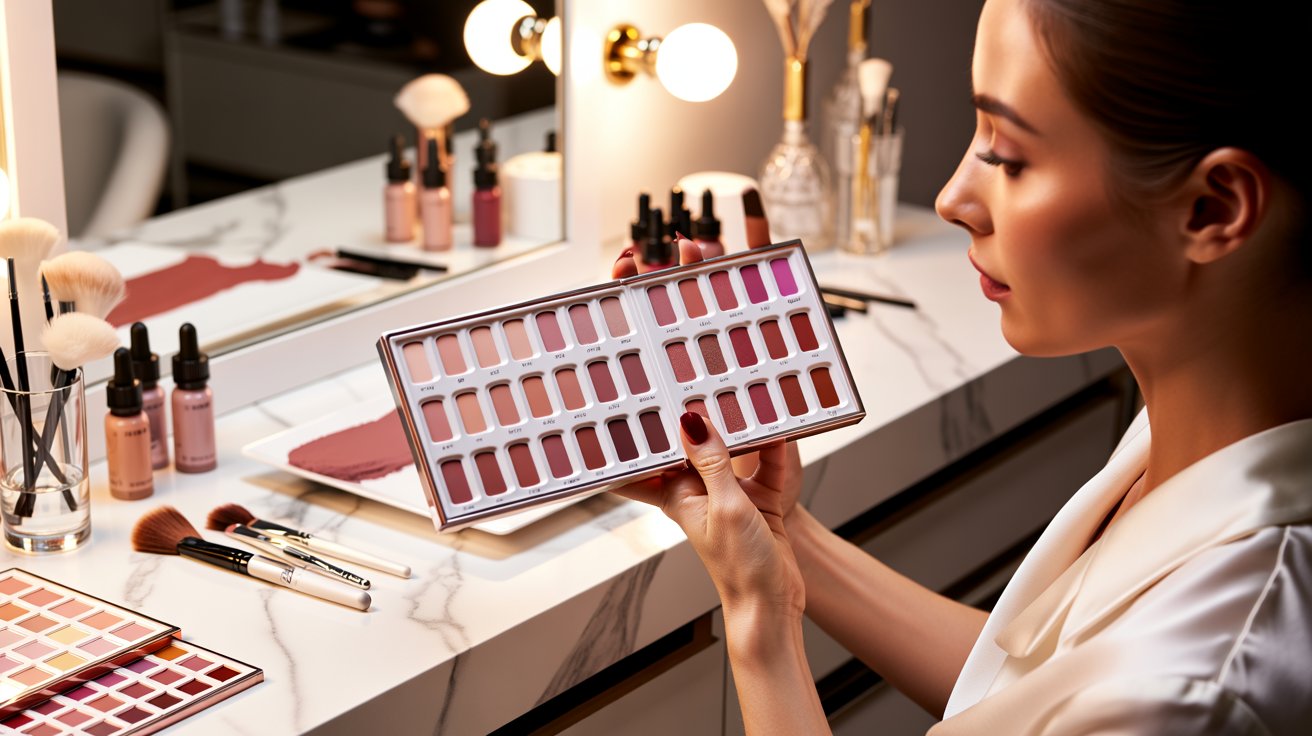
Your artist will help you choose a shade that suits your skin tone and natural lip color. The right shade heals slightly lighter than it looks right after the procedure.
Good artists factor in how pigment changes as it heals before they start.
Neutral and rosy shades are the most common choices. If you want a bolder look, dusty mauves and berry tones are popular too.
How Lip Shape and Symmetry Are Improved
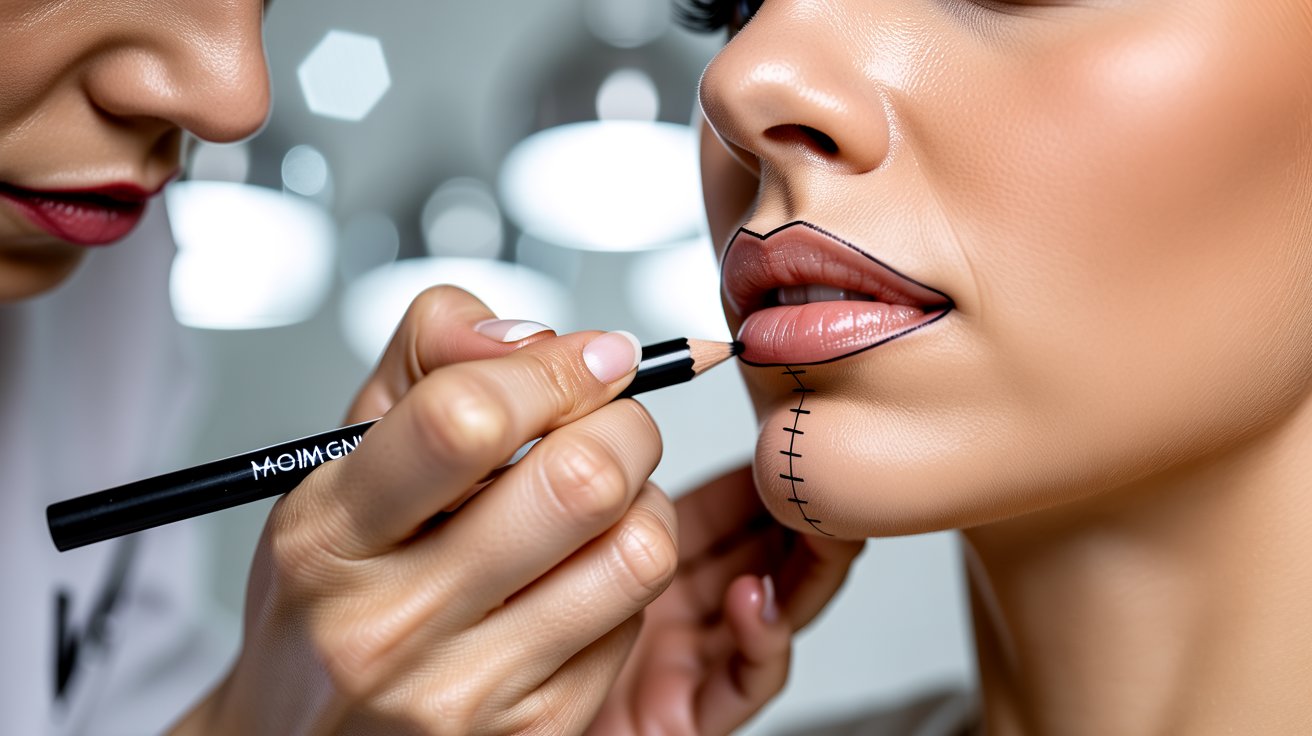
One of the best things about lip blushing is how it corrects minor asymmetry.
Your artist can line the border of your lips with precision.
This creates a more balanced, defined shape without the need for daily lip liner. If one side of your lip sits slightly higher or lower, the outline can visually correct this.
What Results Can You Expect?
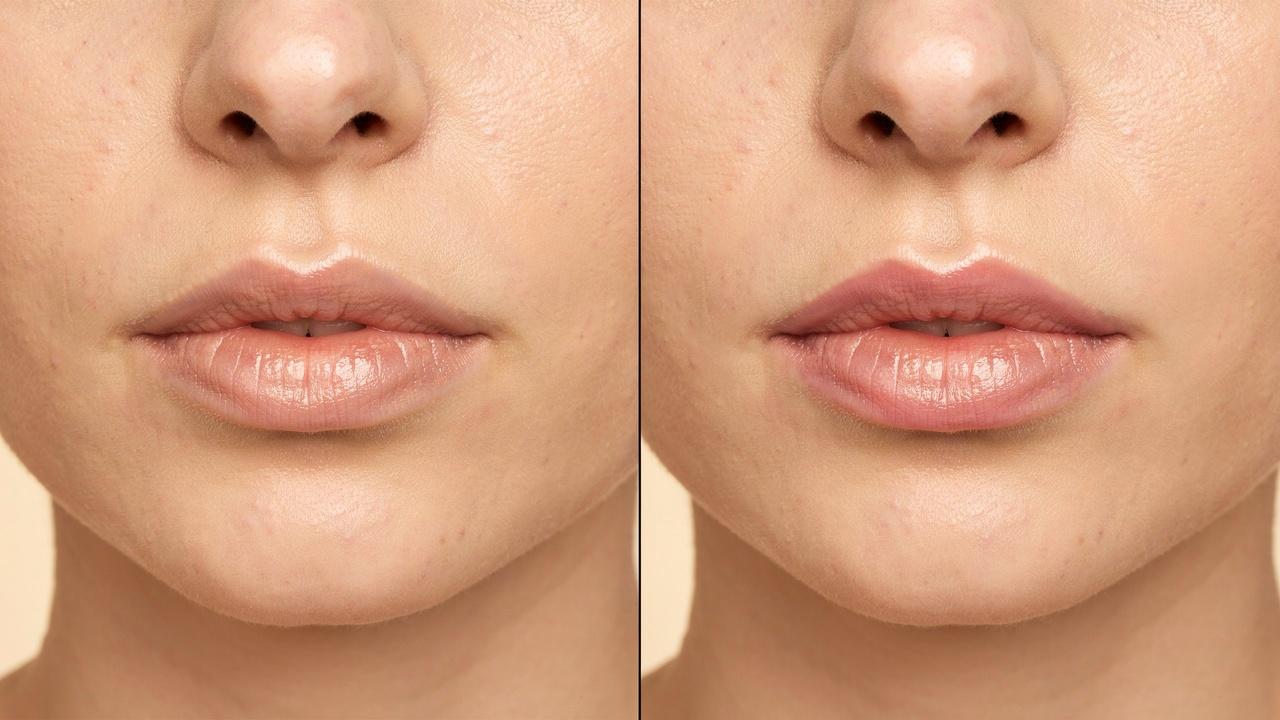
Right after the session, your lips will look darker and slightly swollen. This is completely normal. The color fades by about 30 to 50 percent as your lips heal over the next two weeks.
Once healed, your lips will have a soft, natural flush of color.
They'll look like you were born with naturally pigmented lips, not like you're wearing lipstick.
The final result shows up around the four to six week mark.
How Long Does Lip Blushing Last?
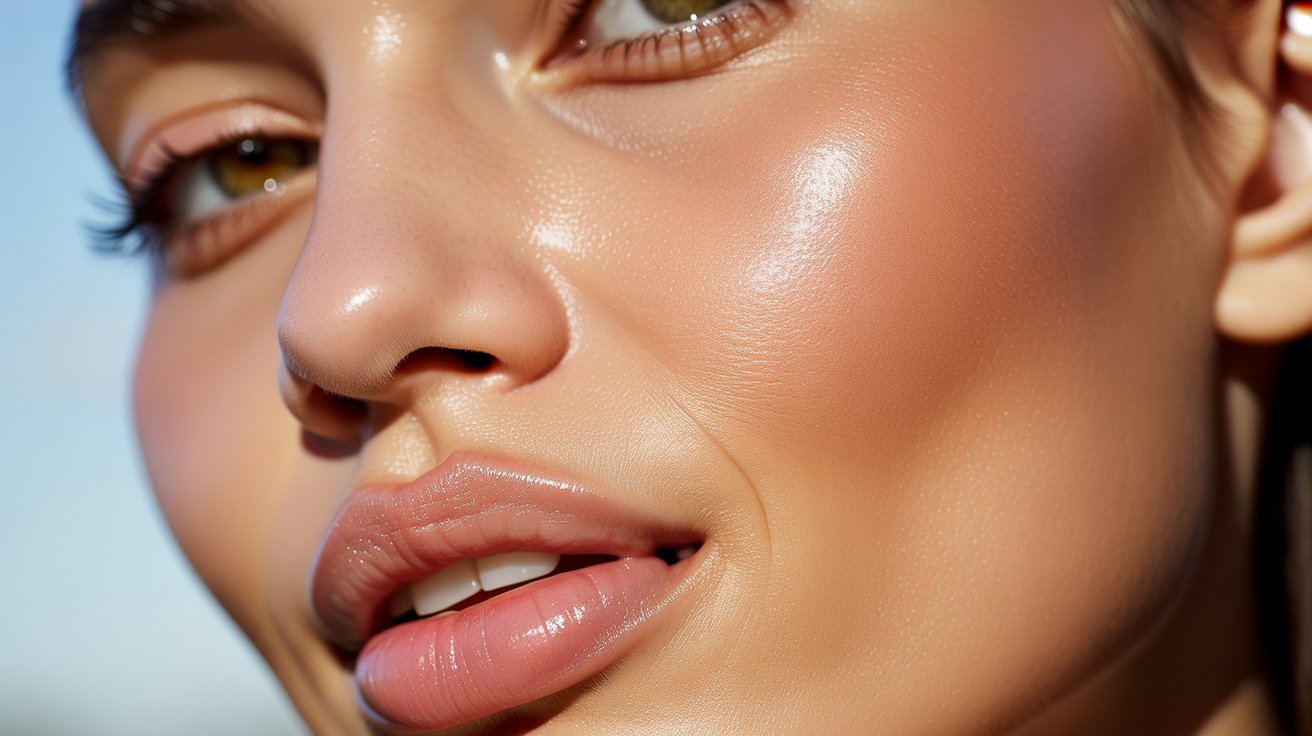
Results are semi-permanent, not forever, but they do last a good while.
Average Longevity of Lip Blushing
Lip blushing typically lasts between two and five years. Most people see their results fade gradually after the two to three year mark.
The pigment doesn't disappear overnight. It slowly softens over time.
Factors That Affect How Long Results Last
Sun exposure is one of the biggest factors. UV rays break down pigment faster. People who spend a lot of time outdoors without SPF on their lips may notice fading sooner.
Oily skin also tends to push pigment out faster than dry skin.
Lifestyle habits like smoking or frequent lip exfoliation can also shorten results. The products you put on your lips daily matter too.
Some lip balms with active ingredients can affect how long the pigment holds.
Why Touch-Up Appointments Are Important
Most artists recommend a touch-up six to eight weeks after your first session. This is called a perfecting session.
Your artist will look at how the pigment healed and fill in any areas that faded unevenly. After that, an annual touch-up keeps the color looking fresh.
Who Is a Good Candidate for Lip Blushing?
Lip blushing works well for most adults. You're likely a good candidate if you have naturally pale or uneven lip color, if you want more definition without wearing makeup daily, or if your lips have lost pigment due to aging.
You may need to wait or consult a doctor first if you have active cold sores, certain autoimmune conditions, or you're pregnant.
People on blood thinners may also need medical clearance before the procedure. A good artist will always go through a health consultation with you before starting.
Does Lip Blushing Hurt?
Most people rate the discomfort at three or four out of ten. The numbing cream does most of the work. The area closest to the edges of your lips may feel slightly more sensitive than the center.
Some people fall asleep during the procedure. Others feel mild discomfort toward the end when the numbing starts to wear off.
Overall, it's very manageable. If you've had your eyebrows microbladed, lip blushing feels similar or easier.
Lip Blushing Benefits
The everyday convenience alone makes this one of the most practical beauty treatments out there.
- Adds natural color and definition to lips without daily makeup
- Corrects uneven pigmentation and mild asymmetry
- Saves time on your morning routine
- Results look natural and low-maintenance
- Works for a wide range of skin tones
- Builds confidence in how your lips look without any product on them
- Long-lasting results reduce the need for frequent touch-ups
Potential Risks and Safety Considerations
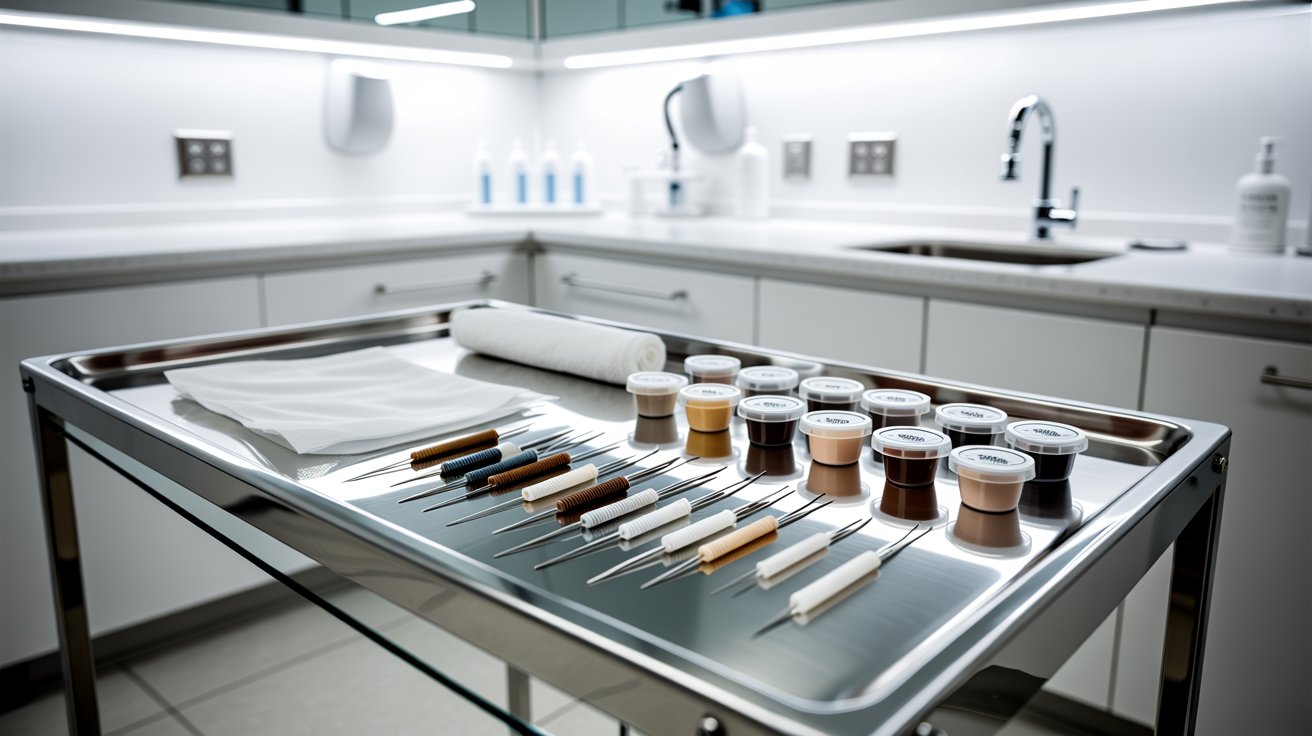
Like any cosmetic procedure, lip blushing comes with risks. Knowing them helps you go in prepared.
Possible Side Effects
The most common side effects are swelling, redness, and tenderness in the first few days. Some people experience light scabbing as the lips heal.
This is part of the normal healing process. Picking at scabs can pull out pigment and lead to patchy results.
In rare cases, allergic reactions to the pigment can occur. This is why patch testing, when offered, is worth doing.
Cold Sores and Preventive Care
If you have a history of cold sores, lip blushing can trigger an outbreak. The trauma from the needles can activate the herpes simplex virus even if you haven't had a cold sore in years.
Talk to your doctor before your appointment.
Many people take an antiviral medication starting two days before the procedure and continuing for a few days after. This greatly reduces the risk.
Why Choosing an Experienced Artist Matters
The skill level of your artist affects everything. An inexperienced artist may place pigment unevenly, choose the wrong shade depth, or not map the lip shape correctly.
Always ask to see a portfolio of healed results, not just fresh work. Healed photos show you the true outcome.
Check that your artist works in a clean, licensed environment and uses sterile, single-use needles. This is non-negotiable.
Lip Blushing Aftercare Tips
Following these steps closely in the first two weeks protects your results and speeds up healing.
- Keep your lips clean and dry for the first 24 hours
- Apply the healing ointment your artist recommends several times a day
- Do not pick, peel, or rub the treated area
- Avoid hot drinks, spicy food, and swimming for the first week
- Skip lip exfoliants and actives until fully healed
- Stay out of direct sun and avoid tanning beds during healing
- Do not wear lipstick or lip gloss over the treated area until healed
- Drink through a straw if hot beverages are necessary in the first few days
Conclusion
Lip blushing changed how I felt about my lips on makeup-free days. There's something genuinely confidence-boosting about waking up with color already there.
If you've been going back and forth on this, I hope this guide gave you the clarity you needed.
It's not a small decision, but it's one worth making with the right information. Choose a skilled artist, take aftercare seriously, and the results can look great for years.
Have questions or experience with lip blushing? Drop them in the comments. I'd love to hear your thoughts. And if this helped, share it with someone considering the procedure.
Frequently Asked Questions
Can lip blushing make thin lips look fuller?
Yes. A skilled artist can map a slightly fuller outline to create the appearance of more volume without filler.
How soon can I wear lipstick after blushing?
Wait until the lips are fully healed, which is usually around 10 to 14 days, before applying any lip color.
Will lip blushing look natural on deeper skin tones?
Yes. A good artist will choose pigment shades that complement your natural tone and heal true to color.
Is the touch-up session really necessary?
Yes. Pigment heals unevenly for most people, and the touch-up corrects patchy spots and locks in the final result.
Can I get lip blushing if I have lip filler?
Generally yes, but wait at least two weeks after filler before getting lip blushing to avoid complications during healing.