Laser for Hyperpigmentation: Does It Really Work?


I have spent a lot of time looking at dark spots in the mirror, wondering if laser treatment is actually worth it. If you have the same question, you are in the right place.
In this blog, I will cover how lasers for hyperpigmentation works, which types respond best, and what to expect across different skin tones.
I will also talk about risks, long-term results, and how to keep your skin clear after treatment.
I have researched this topic closely and consulted trusted dermatology sources so you get honest, clear answers, not guesswork.
Laser for Hyperpigmentation: Does It Work?

Yes, laser treatments can reduce hyperpigmentation. But the results depend on the type of pigmentation you have, your skin tone, and the laser used.
Here is the basic idea. Lasers send focused light energy into your skin. That energy breaks up melanin clusters, which are the dark pigment deposits sitting under or on your skin.
Your body then clears those fragments over time.
Some lasers work on the surface. Others go deeper. The right one depends on your specific skin concern.
For sun spots and age spots, lasers often work very well. These are surface-level pigmentation issues. They respond quickly to targeted light energy.
For melasma and post-inflammatory hyperpigmentation, results are more complicated. I will break those down separately.
One thing to know: lasers are not a one-time fix for everyone. Most people need multiple sessions. And without the right aftercare, pigmentation can return.
Is Laser Treatment Effective for Melasma?
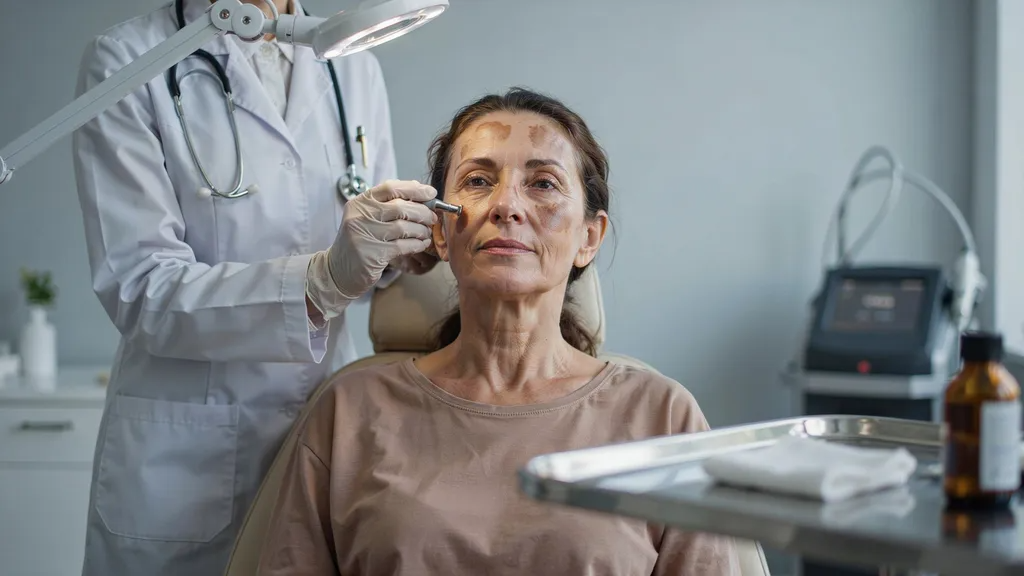
Melasma is one of the most stubborn pigmentation conditions. It sits deep in the skin and is strongly triggered by hormones and sun exposure.
Lasers can help, but it is not always the first choice. Dermatologists often start with topical treatments like hydroquinone or azelaic acid before recommending a laser.
When a laser is used, low-energy options like PicoWay or low-fluence Q-switched Nd YAG tend to work better. High-energy lasers can actually make melasma worse by triggering more pigment production.
Here is something important to know: melasma often comes back. Even after a successful session, sun exposure or hormonal shifts can bring it right back.
Managing melasma is an ongoing process. If you have it, talk to a board-certified dermatologist before booking any laser session. The wrong treatment can set your skin back significantly.
Is Laser Treatment Effective for Post-Inflammatory Hyperpigmentation (PIH)?

PIH happens after acne, cuts, burns, or any skin injury. Your skin overproduces melanin while healing, leaving a dark mark behind.
Lasers can work for PIH, but skin tone matters a lot here. Lighter skin tones tend to respond better. For medium to deeper skin tones, some lasers carry a real risk of making PIH worse.
Fractional lasers like Fraxel and picosecond lasers are generally safer options. They cause less surface damage and lower the chance of triggering more inflammation.
For mild PIH, many dermatologists suggest topical treatments and chemical exfoliants first.
Laser is usually recommended only when those options have not worked. PIH can also fade on its own over several months. Lasers speed things up, but it is not always necessary.
Is Laser Treatment for Hyperpigmentation Permanent?
This is the question most people really want answered.
The honest answer is: not always.
Laser clears existing pigmentation well. But it does not stop your skin from making new dark spots. If the root cause is still there, such as sun exposure, hormones, or recurring acne, pigmentation will likely return.
Sun spots have a good chance of staying gone if you protect your skin consistently after treatment. Melasma is far more likely to return.
Think of lasers as a reset, not a cure.
To keep results long-term, you need:
- Daily SPF 30 or higher, worn every single day
- A solid skincare routine with proven brightening ingredients
- Follow-up treatments when needed
Laser works best as part of a broader skin care plan.
Best Laser Treatments for Hyperpigmentation
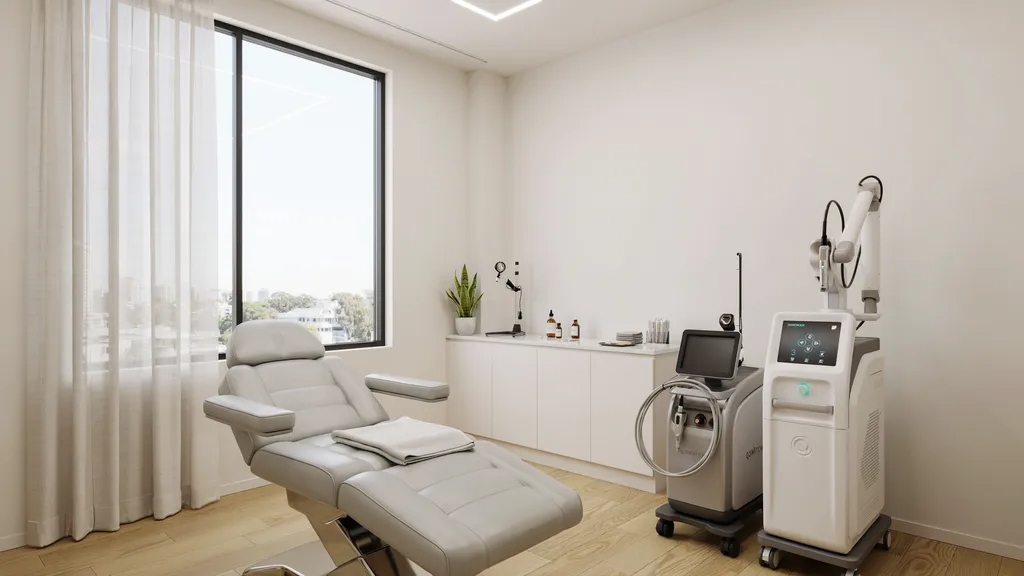
Here are the most commonly used options:
Q-Switched Nd:YAG Laser: One of the most widely used lasers for pigmentation. It targets melanin without damaging surrounding tissue and is considered safer for darker skin tones.
Picosecond Lasers (PicoSure, PicoWay): These use ultra-short pulses to break up pigment into tiny particles. They work well for stubborn pigmentation and melasma, and cause less heat damage overall.
Fractional Lasers (Fraxel): These treat thousands of tiny areas at once while leaving surrounding tissue intact.
They are good for overall skin tone correction and PIH, though recovery time is longer.
IPL (Intense Pulsed Light):Not technically a laser, but widely used for sun spots and freckles. It is not recommended for melasma or darker skin tones.
Your dermatologist will choose based on your skin tone, pigmentation type, and how deep the pigment sits.
Laser for Hyperpigmentation in Different Skin Tones
Skin tone plays a big role in treatment planning.
Lighter skin tones:Most laser options are safe and effective. Sun spots clear up quickly with minimal risk.
Medium skin tones: Results are still good, but the laser choice matters more. Aggressive treatments can cause temporary redness.
Darker skin tones:This is where you need to be most careful. High-energy lasers can cause post-treatment darkening or scarring in melanin-rich skin.
The Nd:YAG laser is generally the safest option here because it targets melanin more precisely without damaging the surface.
Always choose a dermatologist with experience in your skin tone. That one step can make a real difference in both safety and outcome.
Risks and Limitations of Laser Treatment for Hyperpigmentation
Lasers are not without risk.
Here is what to keep in mind:
- Post-inflammatory hyperpigmentation: Laser can sometimes cause the very thing it is treating, especially in darker skin tones.
- Redness and swelling: Common after treatment, usually settles within a few days.
- Temporary darkening:Pigmentation may darken before it fades. This is normal.
- Scarring:Rare, but possible with the wrong laser or intensity.
- Recurrence:Without sun protection, dark spots often come back.
Melasma is notoriously hard to treat with a laser alone. Deeper pigmentation may also need multiple sessions before you see real results.
Conclusion
Lasers for hyperpigmentation can work well, but it is not a one-size answer. Sun spots tend to respond better than melasma or PIH.
Your skin tone, the type of laser, and your aftercare all play a role in the outcome.
I want to be honest with you, laser gives you a strong start, but you still need daily SPF and a steady skincare routine to keep results.
The right dermatologist makes all the difference too. If you are thinking about laser treatment, go in with clear expectations and a solid plan for skin care after.
Has your skin concern been difficult to treat with other methods?
Frequently Asked Questions
How many laser sessions are needed for hyperpigmentation?
Most people need three to six sessions depending on pigmentation depth and skin type. Your dermatologist will recommend a schedule based on how your skin responds after the first session.
Is laser treatment painful?
Most people describe it as a mild snapping or warm sensation on the skin. Numbing cream is often applied before the session to keep discomfort minimal.
Can I wear makeup after laser treatment?
It is best to avoid makeup for at least 24 to 48 hours after treatment. Your skin needs time to calm down before you apply anything to it.
How long does it take to see results from a laser for hyperpigmentation?
Results typically appear within two to four weeks after a session as the broken-down pigment clears from the skin. Full results may take a few months with multiple sessions.
Is laser safe during pregnancy?
Laser treatment is generally not recommended during pregnancy. Hormonal changes can make skin more reactive, and there is limited safety data for laser use in pregnant women.