Does Vaping Cause Acne? Science & Skin Effects

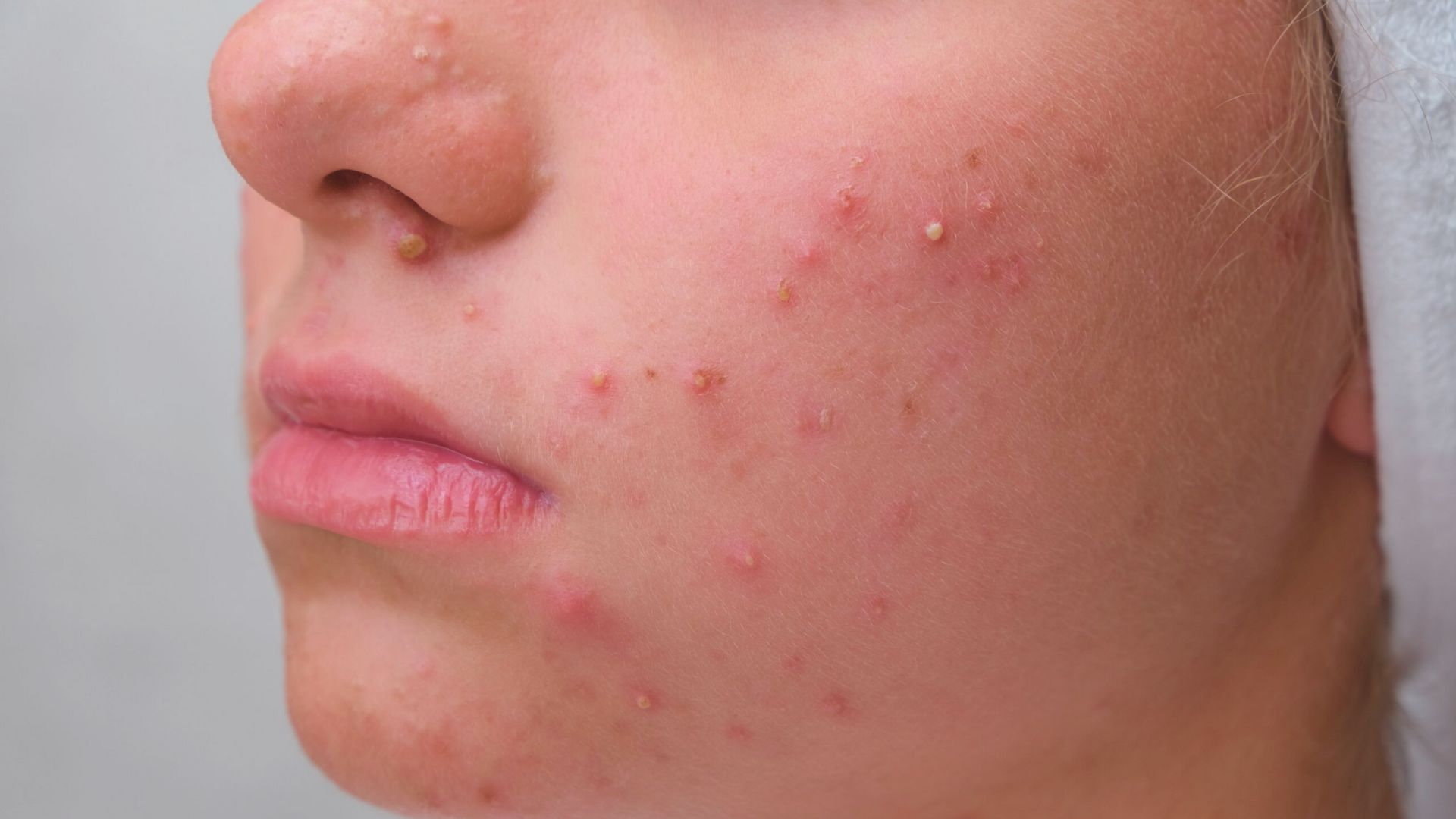
You switched to vaping thinking it was better for your health. Smart move, right?
But then you started noticing something weird. Your skin’s acting up. More pimples. Extra oiliness. Maybe some redness you can’t explain.
You’re wondering if your vape could be the culprit. And honestly? You might be onto something.
Dermatologists are seeing this pattern more and more. Vapers walk in complaining about sudden skin problems they never had before. The connection isn’t random.
After years of writing about skincare and talking to dermatologists about emerging skin concerns, vaping-related breakouts keep coming up as one of the fastest-growing issues they’re treating.
Let’s get into what vaping actually does to your skin and whether it’s really causing those breakouts.
What Is Acne and How Does It Develop?
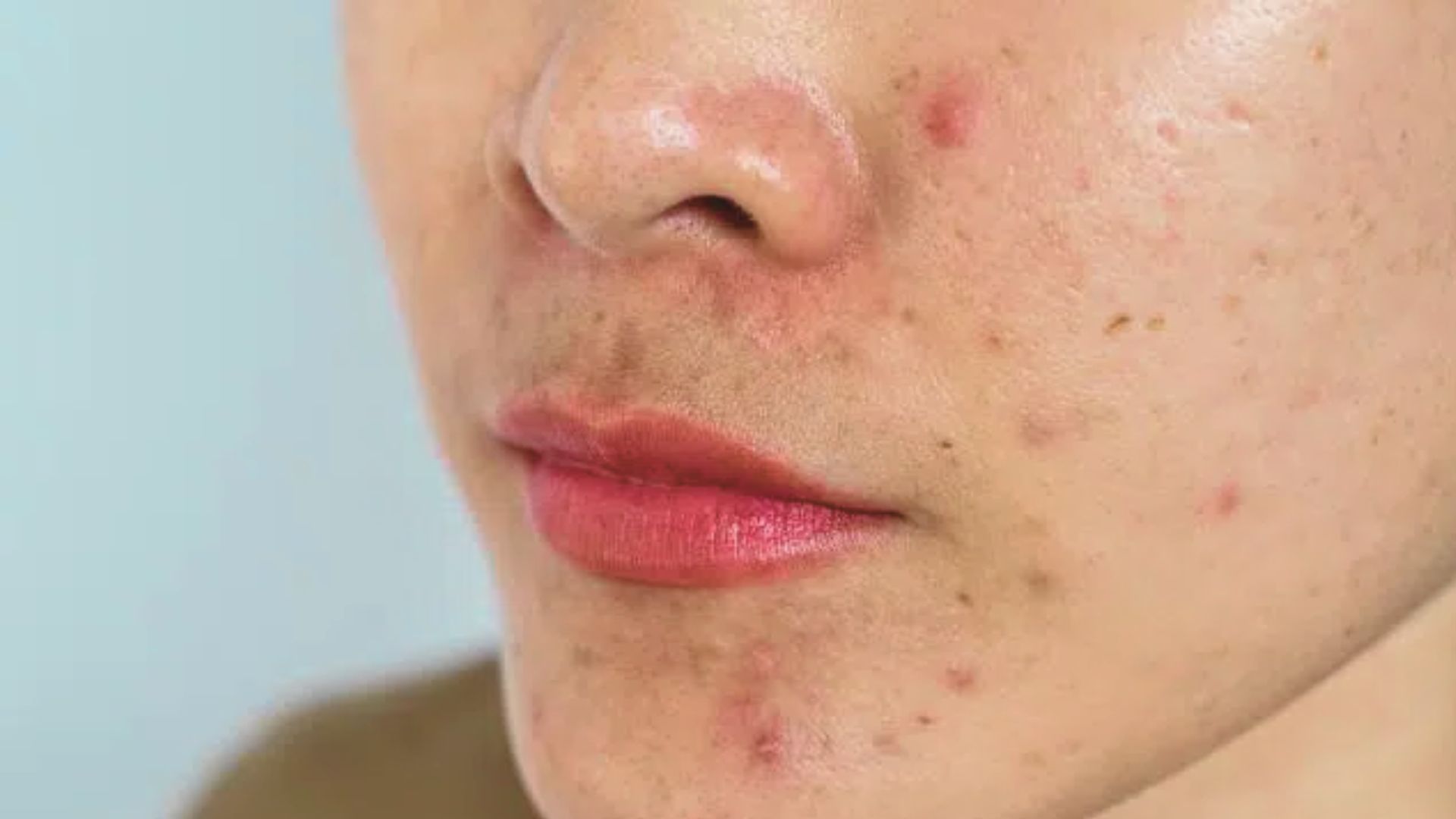
Acne forms when pores get clogged with oil and dead skin. Understanding the causes helps you figure out your triggers.
Causes of Acne
Acne happens when your hair follicles get blocked. Oil, dead skin cells, and bacteria create a clog under your skin.
This shows up as pimples, blackheads, whiteheads, or deep cystic acne that hurts to touch.
Your pores produce sebum (natural oil). When too much builds up with dead skin cells, it blocks the opening. Bacteria move in, inflammation starts, and you get acne.
Common Acne Triggers
Several factors make your skin more prone to breakouts.
Hormones play a big role. That’s why teenagers get acne during puberty, and women break out during their periods. Your genes matter too. If your parents had acne, you’re more likely to get it.
Stress makes things worse. Your body produces more oil when you’re anxious. Diet can contribute as well, especially dairy and high-sugar foods.
Some medications trigger breakouts. Environmental irritants like pollution and harsh chemicals also inflame your skin.
When your skin barrier gets damaged, it can’t protect itself. This leads to irritation and more acne.
What’s Inside a Vape?
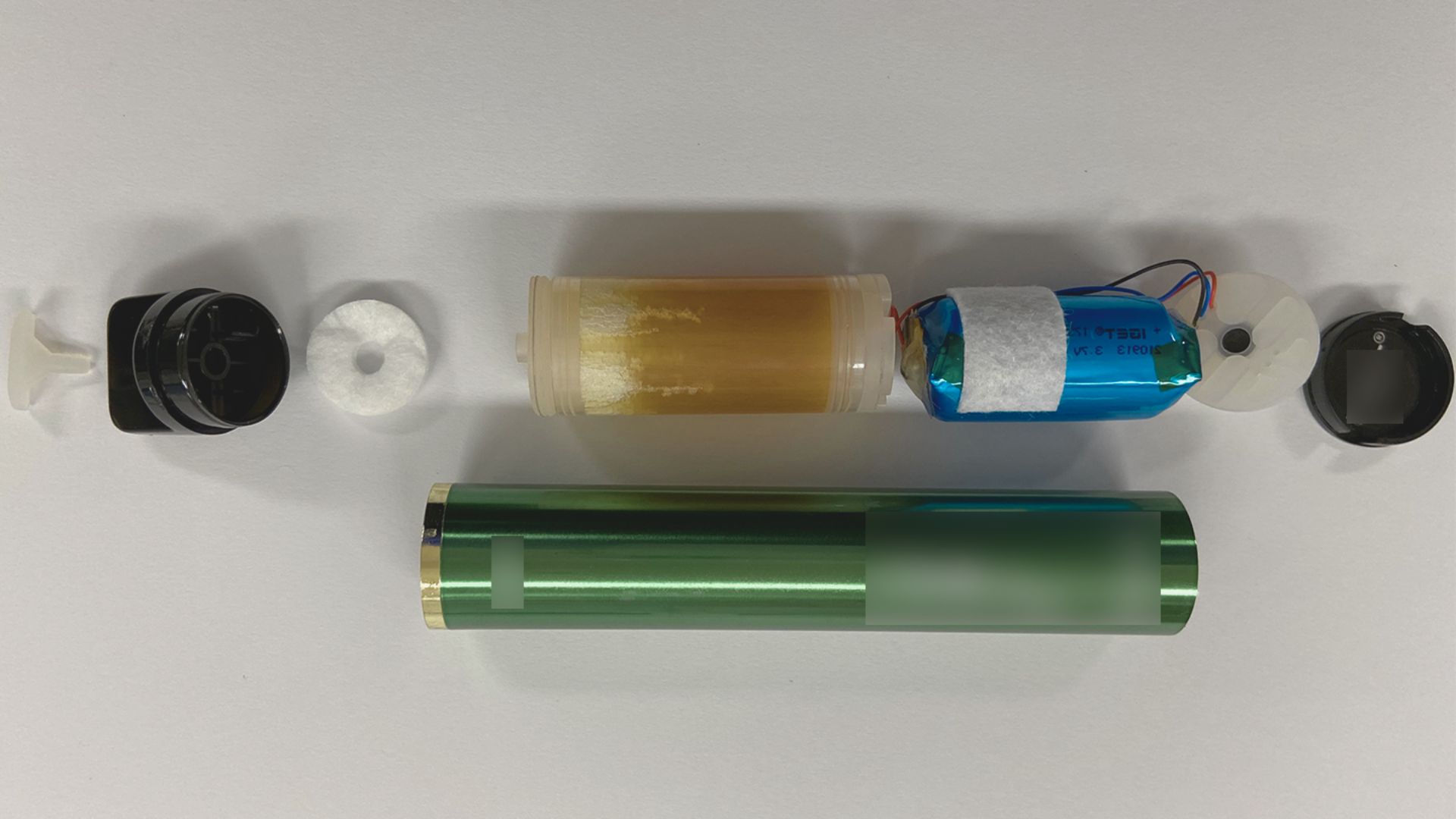
Vapes might look sleek and simple, but they pack a lot of chemistry. Let’s break down what you’re actually inhaling.
Components of E-Cigarettes
Every vape has three main parts. A battery powers the device. A heating element heats the liquid. A pod or tank holds the e-liquid.
When you puff, the battery activates the coil. The coil heats the liquid into an aerosol. You inhale this vapor into your lungs.
Chemicals in Vapes That Affect Skin
E-liquids contain more than just nicotine and flavoring.
Nicotine constricts your blood vessels and reduces oxygen flow to your skin. Propylene glycol creates the vapor but dries out your skin cells.
Other chemicals include diacetyl (causes inflammation), formaldehyde and acrolein (form when liquid overheats), and heavy metals like lead and nickel from the heating coil.
What does this mean for your skin? These chemicals cause irritation, dryness, and inflammation.
They damage your skin barrier and trigger oil overproduction. That’s a recipe for breakouts.
Scientific Evidence: Can Vaping Cause Acne?

So what does the research actually say? The answer is more complicated than a simple yes or no.
Research Findings
We don’t have many studies directly linking vaping to acne yet. The research is still catching up.
But what we do know is telling. Studies show that chemicals in vape aerosol irritate your skin and trigger inflammation. This makes existing breakouts worse.
Dermatologists see the pattern. Patients who vape report more frequent and severe acne.
Mechanisms of Acne Worsening
Nicotine is the main problem. It tells your oil glands to produce more sebum. More oil means clogged pores and more acne.
Vaping also creates oxidative stress in your body. This damages your skin cells and triggers inflammation.
When your skin is constantly inflamed, it can’t heal properly. Breakouts stick around longer. New ones pop up faster.
The cycle gets harder to break the longer you vape.
Other Skin Problems Linked to Vaping
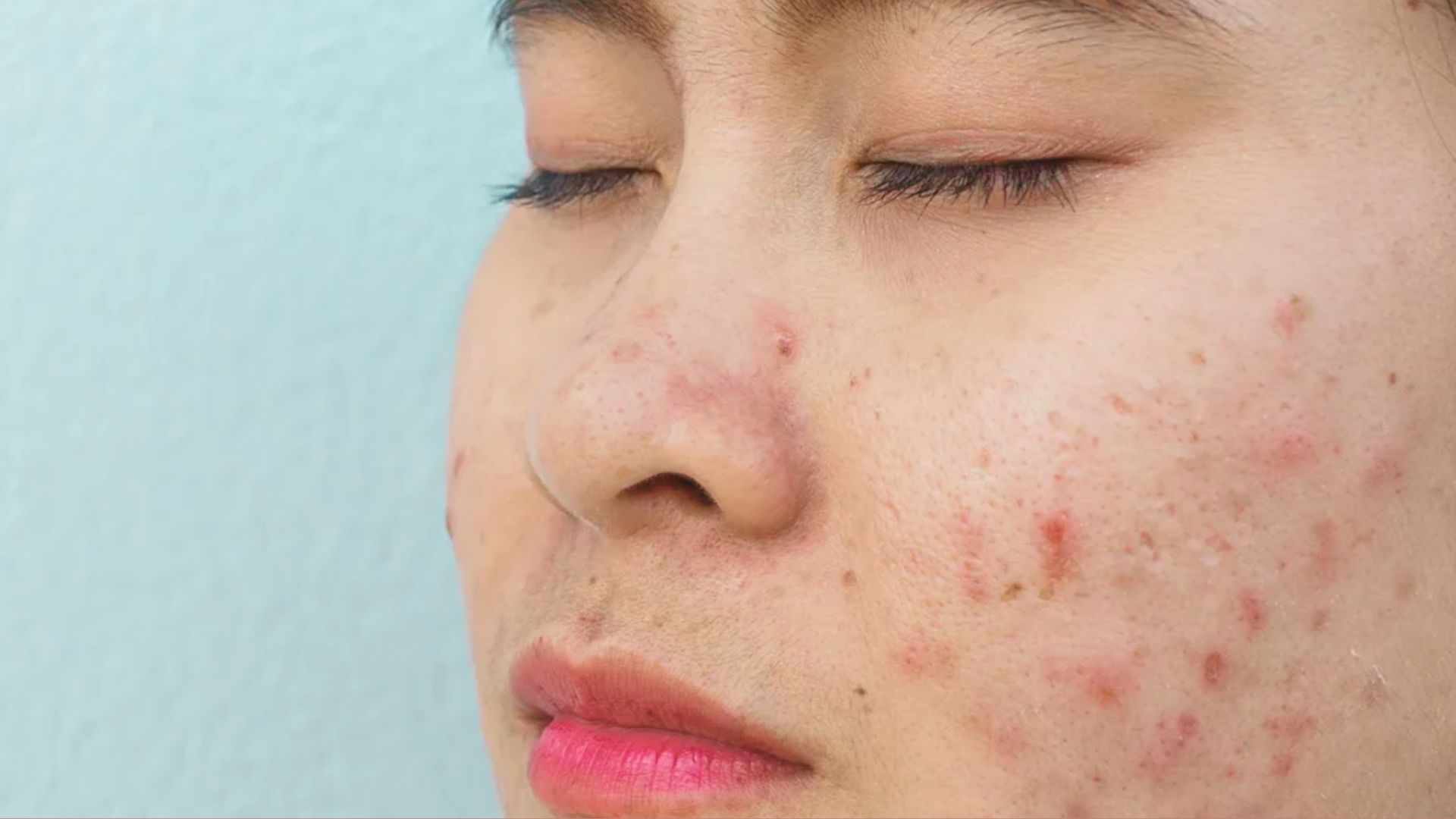
Acne isn’t the only skin issue vapers face. Your complexion takes a hit in other ways too.
Premature Skin Aging
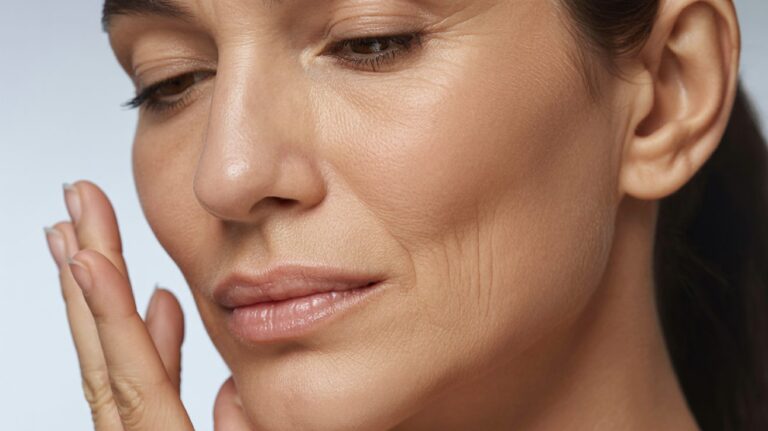
Vaping speeds up how fast your skin ages. Nicotine breaks down collagen and elastin, the proteins that keep your skin firm.
Without enough collagen, wrinkles form earlier. Your skin sags and looks dull. You might notice fine lines around your mouth from repetitive puffing.
Skin Sensitivity and Irritation
Vaping makes your skin more reactive. Many vapers develop rashes and redness they never had before. Some have allergic reactions to chemicals in e-liquids.
If you have eczema, rosacea, or psoriasis, vaping makes these conditions worse. Flares happen more often and become harder to control.
Dehydration and Barrier Damage
Propylene glycol in vape liquid pulls moisture from your skin. This leaves you with flaky, dry patches.
Vaping weakens your skin barrier, so it can’t hold moisture properly. When your barrier is damaged, pollution, UV rays, and bacteria penetrate more easily.
This leads to more irritation and breakouts.
Protecting Your Skin While Quitting Vaping

Ready to clear up your skin? Here’s how to help your complexion recover while you quit.
Skincare Tips
Your skin needs extra care right now. Focus on hydration, protection, and gentle repair.
- Drink plenty of water and moisturize twice daily
- Use antioxidants like vitamin C and niacinamide to fight damage
- Wear SPF 30 or higher every day for protection
- Add hyaluronic acid to pull moisture into your skin
- Use ceramides to rebuild your protective barrier
- Stick to gentle cleansers and avoid harsh scrubs
Keep things simple. Your skin is already inflamed, so treat it kindly while it heals.
Lifestyle and Support Strategies
Quitting vaping is the best thing you can do for your skin.
Set a quit date and identify your triggers like stress or boredom. Talk to your doctor about quit programs and nicotine replacement therapy if needed.
Check out Smokefree.gov for free tools and coaching. Lean on family and friends for support.
Most people see skin improvement within weeks of quitting.
Conclusion
So does vaping cause acne? Not directly, but it makes breakouts worse through irritation, inflammation, and oil production changes. Your skin pays the price for those clouds of vapor.
The good news? You can turn things around. Quitting vaping combined with the right skincare routine will help your skin heal and clear up.
If you’re struggling with persistent acne, talk to a dermatologist. They can create a personalized plan that addresses your specific skin concerns.
Your skin deserves better. Take that first step today.
Frequently Asked Questions
Does vaping directly cause acne?
Vaping doesn’t directly cause acne, but it makes existing breakouts worse. The chemicals irritate your skin, increase oil production, and trigger inflammation that leads to more pimples.
How long does it take for skin to clear up after quitting vaping?
Most people notice improvement within 2 to 4 weeks of quitting. Your skin’s healing timeline depends on how long you vaped and your overall skincare routine.
Can vaping cause other skin problems besides acne?
Yes, vaping causes premature aging, wrinkles, dryness, and skin sensitivity. It also worsens conditions like eczema, rosacea, and psoriasis by damaging your skin barrier.
What ingredients in vapes are worst for your skin?
Nicotine is the biggest culprit as it reduces blood flow and increases oil production. Propylene glycol dries out your skin, while formaldehyde and heavy metals cause irritation and inflammation.
How can I protect my skin if I’m not ready to quit vaping yet?
Focus on hydration by drinking water and using a good moisturizer daily. Wear sunscreen, use antioxidant serums, and keep your skincare routine gentle to minimize damage while you work on quitting.