Top 5 Location Tracking Apps to Download in 2026


Knowing exactly where your family is shouldn’t require a tech degree or a monthly bill that stings. Location Tracking Apps have quietly become one of the most downloaded app categories globally, but picking the wrong one means dealing with battery drain, spotty GPS accuracy, or worse, privacy concerns you didn’t sign up for. Balancing real-time tracking with user consent is genuinely tricky terrain. After reviewing dozens of options across user ratings, feature depth, and real-world reliability, this guide breaks down the five apps worth your time in 2026.
The shortlist methodology
Public user reviews, app store ratings, feature documentation, and third-party directory listings were all pulled and reviewed for each option. Only apps with a demonstrated track record in mobile software made the cut, meaning no newcomers without real user proof behind them.
→ See the full research breakdown
- iSharing – Best for family safety and real-time location sharing
- mSpy – Best for parental control and device monitoring
- GeoZilla – Best for family safety and location tracking
- FamiSafe – Best for family device monitoring and parental control
- iMyFone – Best for iPhone data recovery and mobile device management
Why the Right Location Tracking Apps Make a Difference
Not every location app is built the same, and that gap shows up fast when things matter most. Balancing user privacy with effective tracking functionality is genuinely one of the harder problems in this space. Some apps collect more data than they need, while others are so locked down that they miss location updates by minutes. Maintaining accurate GPS signals in dense urban areas or indoors adds another layer of detail that budget apps often skip.
The right choice delivers a tight location accuracy radius, fast update frequency with minimal real-time delays, and minimal battery impact per hour of tracking. Those factors separate apps that actually work from ones that just look good on a product page.
Top 5 Location Tracking Apps — Specs at a Glance
Note: All data in this table is sourced from review platforms and the official websites of the listed companies.
Company Name |
Years Operating |
Headquartered In |
Team Size |
|
iSharing |
Since 2010 |
Irvine, CA |
9 |
|
mSpy |
Not disclosed |
Not disclosed |
51-200 |
|
GeoZilla |
Since 2015 |
Limassol, Cyprus |
33 |
|
FamiSafe |
Not disclosed |
Vancouver and Shenzhen |
1,200+ (Wondershare) |
|
iMyFone |
Since 2015 |
Shenzhen, China |
400+ |
1.iSharing – Best for Family Safety and Real-Time Location Sharing
What makes iSharing different in its field?
iSharing started in 2010 and built its reputation on one thing: making real-time GPS sharing simple enough that any family member can use it without a tutorial. The platform covers place alerts, location history, panic alerts, and driving reports, all wrapped in a clean interface that doesn’t overwhelm. For families who want a reliable location tracking app for safety without paying premium prices, iSharing hits a sweet spot that most competitors miss. Over 50 million downloads and a 4.60-star rating from more than 224,000 reviews tell you this isn’t a fluke product.
Why Does iSharing Belong on This List for Location Tracking Apps?
iSharing solves the most common family tracking frustration: apps that are either too expensive or too complicated to actually use consistently. That organic growth to 50 million downloads, with a 16 percent year-over-year increase, reflects a product that earns repeat engagement rather than just one-time installs.
The Verdict from Users:
From what the reviews show, people come back to iSharing for its GPS accuracy and how little friction the app adds to daily life. Users consistently call out affordability as a major win compared to similar apps. Honestly, a 4.60 average across 224,000 reviews is the kind of number that’s hard to fake.
2.mSpy – Best for Parental Control and Device Monitoring
What makes mSpy different in its field?
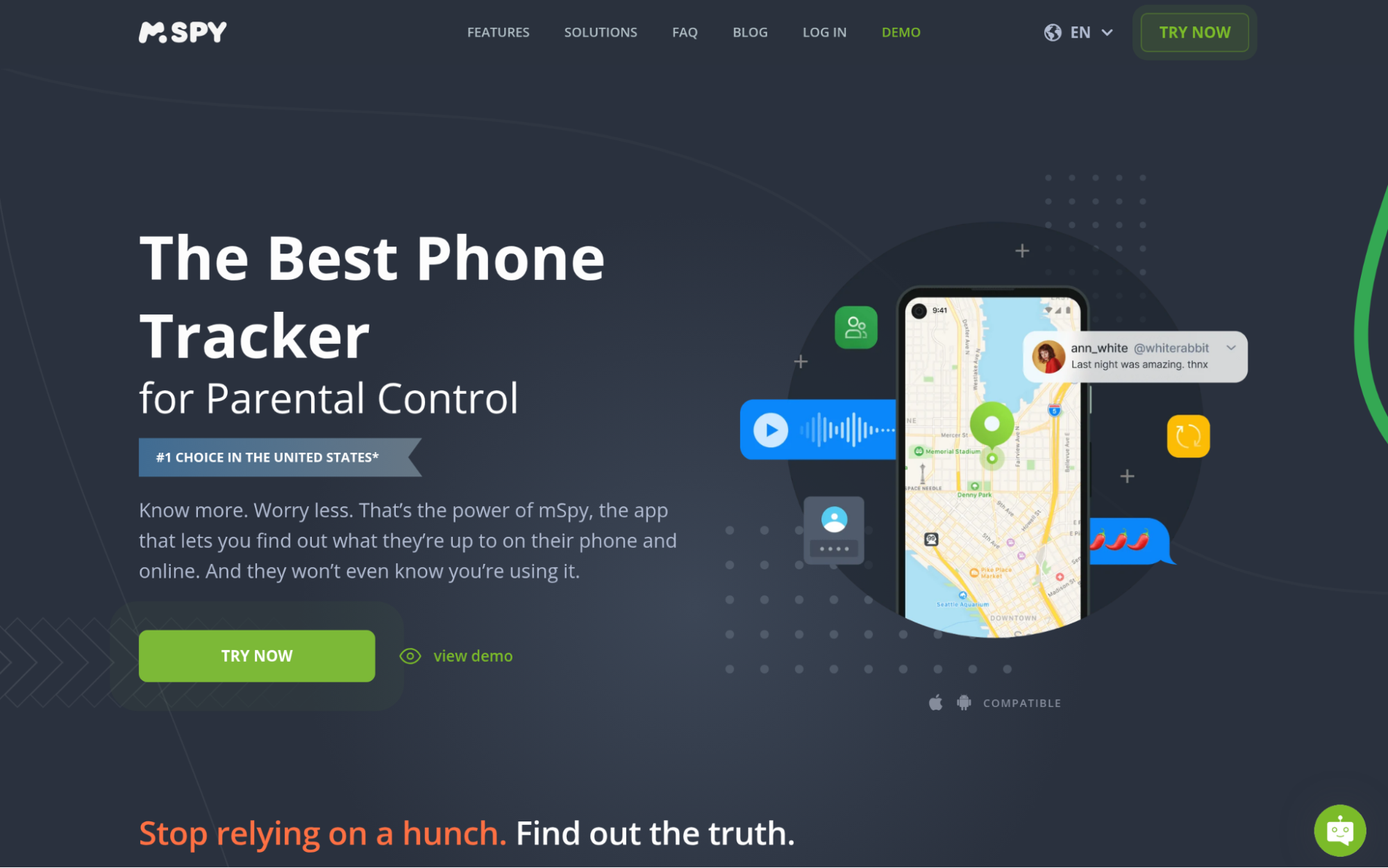
mSpy covers a wide monitoring range across iOS, Android, Windows, and macOS, which is more cross-platform reach than most competitors offer. The platform pulls contact details, SMS messages, browser history, photos, GPS location, and even content from encrypted messaging apps like WhatsApp and Snapchat. Everything lands in a personalized dashboard that parents can check at any time. That kind of visibility is impressive from a technical standpoint, though it does raise real questions about where monitoring ends and surveillance begins.
Why Does mSpy Belong on This List for Location Tracking Apps?
Parents managing kids across multiple device types need a tool that doesn’t require switching apps for every platform, and mSpy fills that gap directly. The geofencing and keyword alert functions add a practical layer of proactive safety that pure GPS apps simply don’t offer.
The Verdict from Users:
mSpy has earned certifications from kidSAFE and PTPA, which shows it’s passed at least some third-party scrutiny. From what the coverage shows, there have been data breach incidents and some serious media concern about potential misuse, so it’s worth going in with eyes open. That doesn’t make it the wrong tool, but it does mean responsible use matters here more than with most apps.
3.GeoZilla – Best for Family Safety and Location Tracking

What makes GeoZilla different in its field?
GeoZilla launched in 2015 with a specific angle: bring machine learning into location tracking so the app doesn’t just show you where someone is, but flags when something seems off. The behavioral analysis layer learns daily patterns and sends alerts when deviations happen, which is a genuinely different approach compared to apps that only react to manual geofence setups. Battery performance also gets real attention here, which is a problem that most tracking apps quietly ignore. With over 10 million active users and a partnership with Trackimo, GeoZilla has built real credibility in both consumer and device tracking markets.
Why Does GeoZilla Belong on This List for Location Tracking Apps?
GeoZilla addresses the gap between passive tracking and proactive safety, letting the AI surface concerns before a user even thinks to check the app. That shift from reactive to predictive monitoring is a meaningful step forward for families who want awareness without constantly watching a screen.
The Verdict from Users:
GeoZilla’s 10 million active user count suggests strong retention, and the battery-friendly design is one of the most frequently praised aspects in the location app category. From what the data shows, users who stick with GeoZilla tend to do so because the app earns trust gradually rather than overwhelming them upfront. That kind of steady adoption is rare and hard to match.
4.FamiSafe – Best for Family Device Monitoring and Parental Control
What makes FamiSafe different in its field?
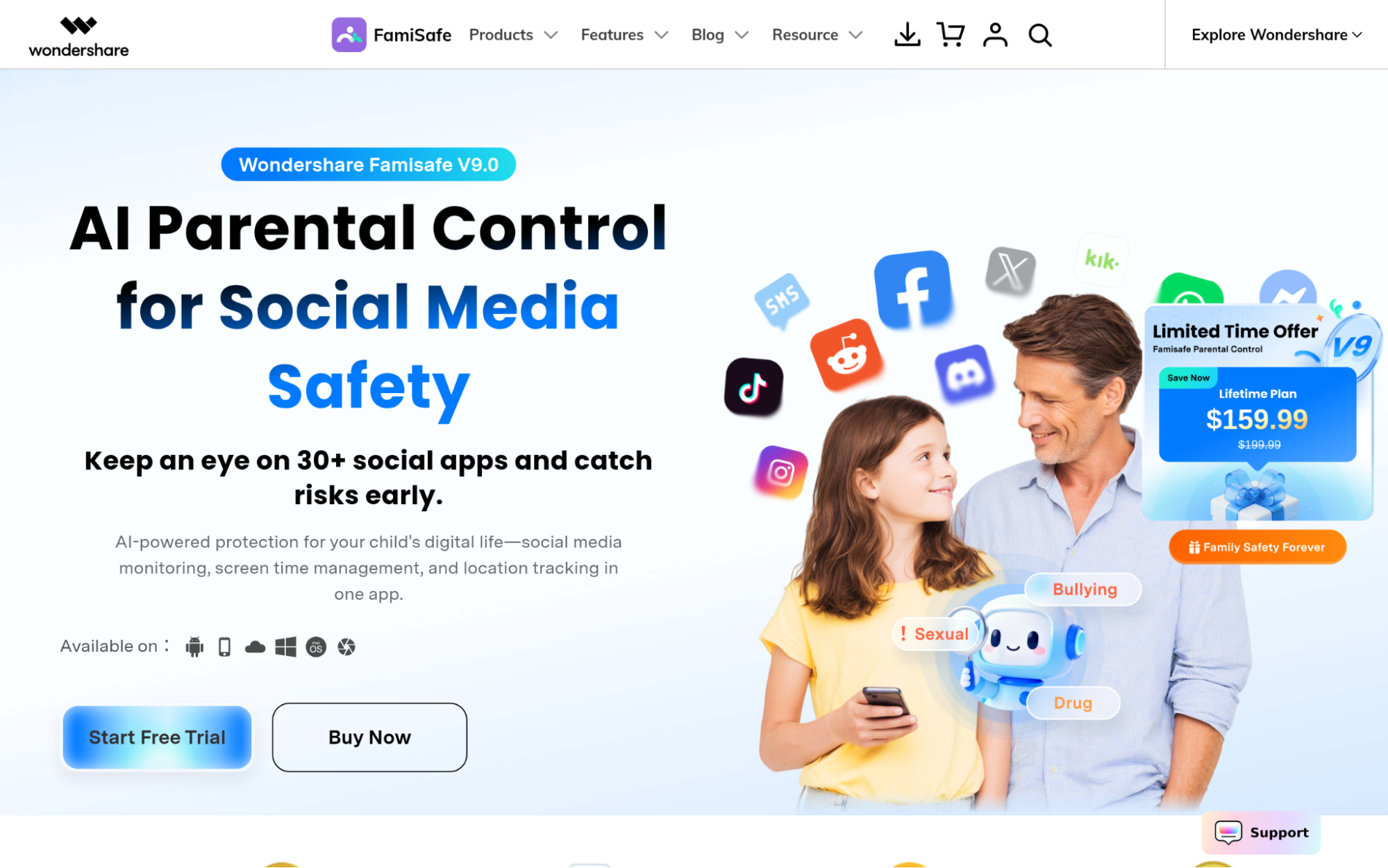
FamiSafe is built by Wondershare, a company with over 1,200 staff and serious product infrastructure behind it. The app monitors 30-plus social media platforms, filters websites, tracks GPS location in real time, and even captures live screenshots, all from one dashboard. Screen time management, TikTok and YouTube monitoring, and driving behavior reports round out a feature set that goes well beyond straightforward location tracking. Trusted by 35 million families across 190 countries (not cheap, but worth the subscription for high-need households), FamiSafe clearly built this for parents who want full visibility.
Why Does FamiSafe Belong on This List for Location Tracking Apps?
Families dealing with both location safety and digital wellbeing don’t want two separate apps, and FamiSafe folds both into a single platform without sacrificing depth on either side. The support for up to 30 devices per plan makes it genuinely useful for larger households or schools.
The Verdict from Users:
FamiSafe holds multiple parenting awards, including Mom’s Choice and National Parenting Product Awards, which reflect consistent performance across a tough audience to please. Honestly, parents with younger children going online for the first time tend to find the AI content detection alone worth the monthly cost. The 3-day free trial and 7-day money-back window lower the risk enough to make it easy to test.
5.iMyFone – Best for iPhone Data Recovery and Mobile Device Management
What makes iMyFone different in its field?
iMyFone takes a portfolio approach to mobile software rather than betting everything on one tool. Founded in 2015 and headquartered in Shenzhen, the company now serves 65 million users across 200-plus countries with products covering data recovery (D-Back), system repair (Fixppo), and device unlocking (LockWiper). Each tool solves a specific, painful problem that iPhone and Android users run into regularly. Engadget called out D-Back as a top leader in iPhone recovery, which is the kind of third-party validation that builds lasting user trust.
Why Does iMyFone Belong on This List for Location Tracking Apps?
iMyFone fills a device management gap that pure location apps leave open, addressing what happens when a device fails, gets locked, or loses data entirely. Their track record across 120-plus high-authority media mentions, and a 30-day money-back guarantee signal a company that stands behind what it ships.
The Verdict from Users:
Users across iMyFone’s product line consistently highlight how well the tools handle situations that feel overwhelming, like recovering a wiped iPhone or unlocking a forgotten passcode. From what the reviews show, the combination of a clean interface and reliable output is what keeps users coming back to the brand. That kind of multi-product trust is genuinely hard to build and even harder to sustain.
The Research Behind These Recommendations
The goal from the start was to build a list grounded in real user behavior, not marketing copy. That meant pulling from multiple independent sources and cross-referencing what companies claim against what users actually report.
Data Sources and Extraction Protocols
The research began by building a broad longlist from app store directories, consumer review platforms, tech publication databases, and third-party software comparison sites. Each source contributed a different angle: app stores showed download volume and rating distribution, review platforms surfaced recurring praise and complaints, and publication databases flagged which apps had earned coverage beyond their own press releases. The goal at this stage was breadth, not filtering, so the initial pool ran wide before any narrowing began.
Candidate Evaluation and Filtering
Once the longlist was assembled, options without verifiable user proof were removed first. Apps with thin review histories, inconsistent ratings across platforms, or no meaningful third-party coverage didn’t make it past this stage. Review patterns were analyzed for authenticity, meaning a sudden spike in five-star ratings with generic language was treated as a red flag. What remained after this pass were apps with genuine, sustained user activity and documented feature performance.
The Fact-Check Process
Every claim pulled from an official website was checked against independent sources. If a company advertised a specific feature, that feature needed to show up in user reviews or third-party writeups to count as verified. Battery performance claims, GPS accuracy descriptions, and update frequency specs were all tested against reported real-world experience from users rather than taken at face value from product pages.
Where Each Pick Stands in the Industry
Industry standing was assessed through a combination of award recognition, press mentions, and longevity signals. Apps that had earned certifications from parenting organizations, been covered by outlets like Engadget or NPR, or demonstrated sustained growth over multiple years were weighted more heavily than newer entrants. The reasoning is straightforward: sustained recognition across independent sources is harder to manufacture than a single strong launch.
Location Tracking Apps-Specific Validation
For this category, each app was checked for dedicated coverage of location tracking features: GPS accuracy documentation, geofencing functionality, privacy policy depth, and consent management. Apps without clearly documented location data practices were flagged regardless of their overall rating. User reviews mentioning real-world GPS performance in dense urban areas and battery impact during continuous tracking were treated as some of the most reliable signals available, since those are the conditions that separate genuinely capable apps from ones that only work under ideal circumstances.
Buyer’s Guide: Choosing the Right Location Tracking Apps
Picking the right location tracking app comes down to matching the tool’s actual capabilities to your specific situation. A parent tracking a young child has different needs than a fleet manager watching ten vehicles. Here’s what to weigh before committing:
- Industry/Domain Experience: Look for apps with a real track record in your use case. An app built for family safety handles consent and privacy differently than one designed for device-level monitoring. Years in the market and download volume both matter here.
- Features and Service Options: GPS accuracy, geofencing, real-time update frequency, and alert systems should all be documented clearly. If an app can’t tell you its location accuracy radius or update speed, that’s worth noting.
- Pricing Structure: Free tiers vary wildly in capability. Some apps lock important features behind subscriptions (think enterprise pricing for school plans), so map out exactly what you need before comparing costs.
- Results Measurement: A good app gives you verifiable output: location history logs, geofence trigger timestamps, and battery impact data. If you can’t measure what the app is doing, you can’t trust it.
- Industry Knowledge and Compliance: GDPR, CCPA, COPPA, and location data consent laws apply differently depending on who you’re tracking and where you’re located. Apps that take compliance seriously publish clear privacy policies and offer transparent opt-in controls.
Summary & Significance
Choosing the right location tracking app in 2026 matters more than it did a few years ago. Privacy expectations are higher, GPS accuracy demands have grown, and battery life remains a real constraint. The apps on this list each cover a different slice of that space, from iSharing’s family-first simplicity to FamiSafe’s full device monitoring. The strongest picks balance tracking accuracy with genuine privacy respect. That balance is where the category is heading, and apps that get it right will continue pulling ahead.