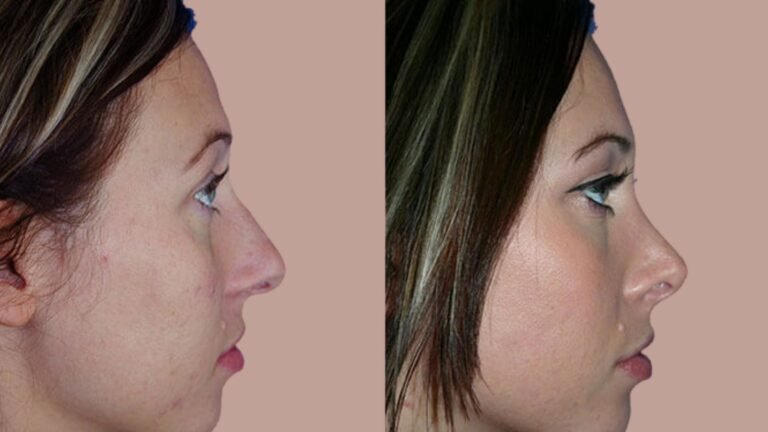
Does Niacinamide Help With Acne Scars?


Dealing with acne scars after your skin finally clears up is incredibly frustrating. I know how discouraging it feels when dark spots and red marks won’t fade.
You’ve probably seen niacinamide mentioned everywhere and wondered if it’s worth trying. Here’s what I’ve learned from research and real results.
Niacinamide does work on certain acne scars, but you need realistic expectations about what it can fix. Some marks respond well while others need different treatments.
In this guide, I’ll share exactly which scars niacinamide helps, how long it takes, and when you should consider other options instead.
Let’s get into it.
What Is Niacinamide?

Niacinamide is a form of vitamin B3 that your skin needs to stay healthy. It works by strengthening your skin’s protective barrier and reducing inflammation.
This ingredient also controls oil production and helps minimize pore appearance. It’s become a go-to for acne care because it’s gentle and works well with other treatments.
Unlike harsh acids, niacinamide calms irritated skin while targeting breakouts. You can use it morning and night without worrying about sun sensitivity or irritation.
What Are Acne Scars? Understanding the Different Types

Acne scars come in several forms, ranging from flat discoloration to raised or indented marks. Knowing which type you have matters because treatments work differently on each one.
1. Post-Inflammatory Hyperpigmentation (Dark Acne Marks)
These are flat, dark spots that appear brown or black on your skin.
Your skin produces extra melanin when healing from breakouts, leaving behind these pigmented patches. They don’t change your skin’s texture and typically fade over several months.
2. Post-Inflammatory Erythema (Red Acne Marks)
Red or purple marks show up as flat discoloration after pimples heal.
These happen when blood vessels stay dilated or damaged under your skin. The marks are pink to deep red and usually fade faster than dark spots.
3. Atrophic Acne Scars (Ice Pick, Boxcar, Rolling)
These create indentations in your skin from collagen loss during healing. Ice pick scars look like tiny deep holes.
Boxcar scars appear as wider, box-shaped depressions. Rolling scars create wave-like dips across your skin. All three types change your skin’s texture permanently without treatment.
4. Hypertrophic and Keloid Acne Scars
These raised scars sit above your skin’s surface. Hypertrophic scars stay within the original wound area, while keloids grow beyond it.
Both form when your skin produces too much collagen during healing. They feel thick and can be uncomfortable.
Does Niacinamide Help With Acne Scars?
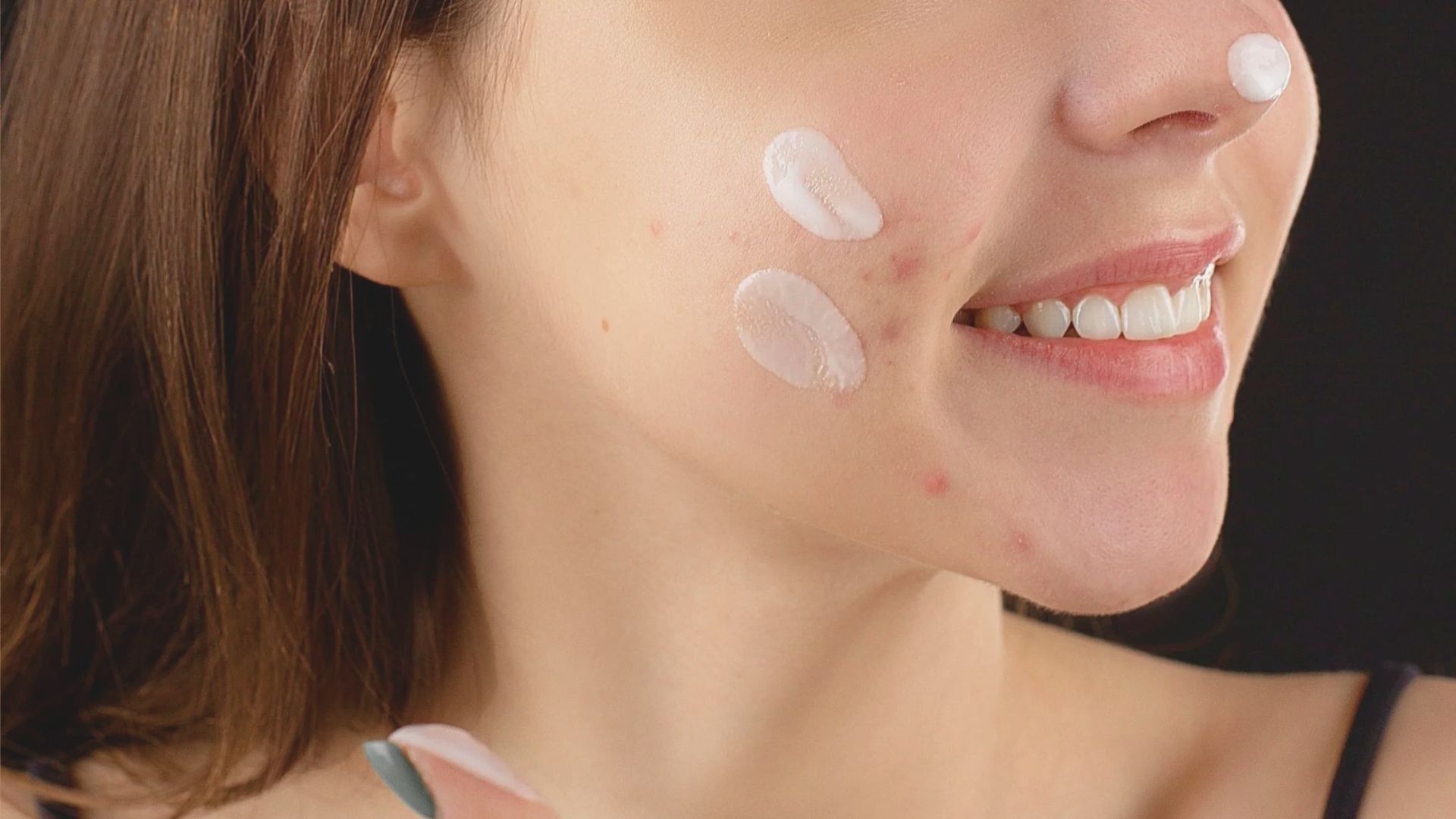
Niacinamide works best on flat discoloration from acne. It fades dark spots by blocking melanin transfer to skin cells, showing results in 8-12 weeks.
For red marks, it calms inflammation and strengthens blood vessels, helping them fade in 4-8 weeks. However, niacinamide cannot fix indented scars like ice pick, boxcar, or rolling types.
These textured scars need collagen production, which niacinamide doesn’t trigger. It also won’t flatten raised scars or keloids.
While great for pigmentation issues, you’ll need professional treatments like microneedling or lasers for structural scar damage.
What Research Says About Niacinamide for Acne Scars
Scientific studies show niacinamide helps with certain acne scars, but research also reveals its limitations for deeper damage.
Studies on Niacinamide and Hyperpigmentation
A 2011 study published in the British Journal of Dermatology found that 4% niacinamide reduced hyperpigmentation significantly after 8 weeks.
Research shows it blocks melanin transfer from pigment cells to skin cells. Another 2018 study confirmed that 5% niacinamide lightened dark spots as effectively as some prescription treatments.
Anti-Inflammatory Effects and Scar Healing
Clinical trials demonstrate niacinamide reduces inflammatory markers in skin by up to 50%.
A 2017 study showed it decreases cytokine production, which helps calm redness and irritation. This anti-inflammatory action speeds up the fading of red marks after breakouts.
Niacinamide’s Role in Skin Barrier Repair
Research from 2005 proved that niacinamide increases ceramide production by 34% within 4 weeks.
It strengthens your skin’s protective barrier, helping it heal faster from acne damage. Studies also show it reduces water loss through skin, keeping it hydrated during recovery.
Scientific Limitations of Niacinamide for Scar Treatment
No published studies show niacinamide can rebuild collagen in atrophic scars. Research confirms it works only on surface-level pigmentation and inflammation.
Clinical evidence indicates textured scars require interventions that stimulate new collagen formation, which niacinamide cannot provide.
How Long Does Niacinamide Take to Fade Acne Scars?

Results vary based on scar type and your skin. Dark spots typically lighten within 8-12 weeks of daily use, while red marks fade faster at 4-8 weeks.
Your skin type, scar severity, and complete routine affect how quickly you see changes.
People with darker skin tones may need longer treatment times. Consistent application matters more than concentration. Using sunscreen daily prevents new darkening.
Combining niacinamide with other actives can speed results, but severe pigmentation may take several months to fade completely.
How to Use Niacinamide for Acne Scars Effectively
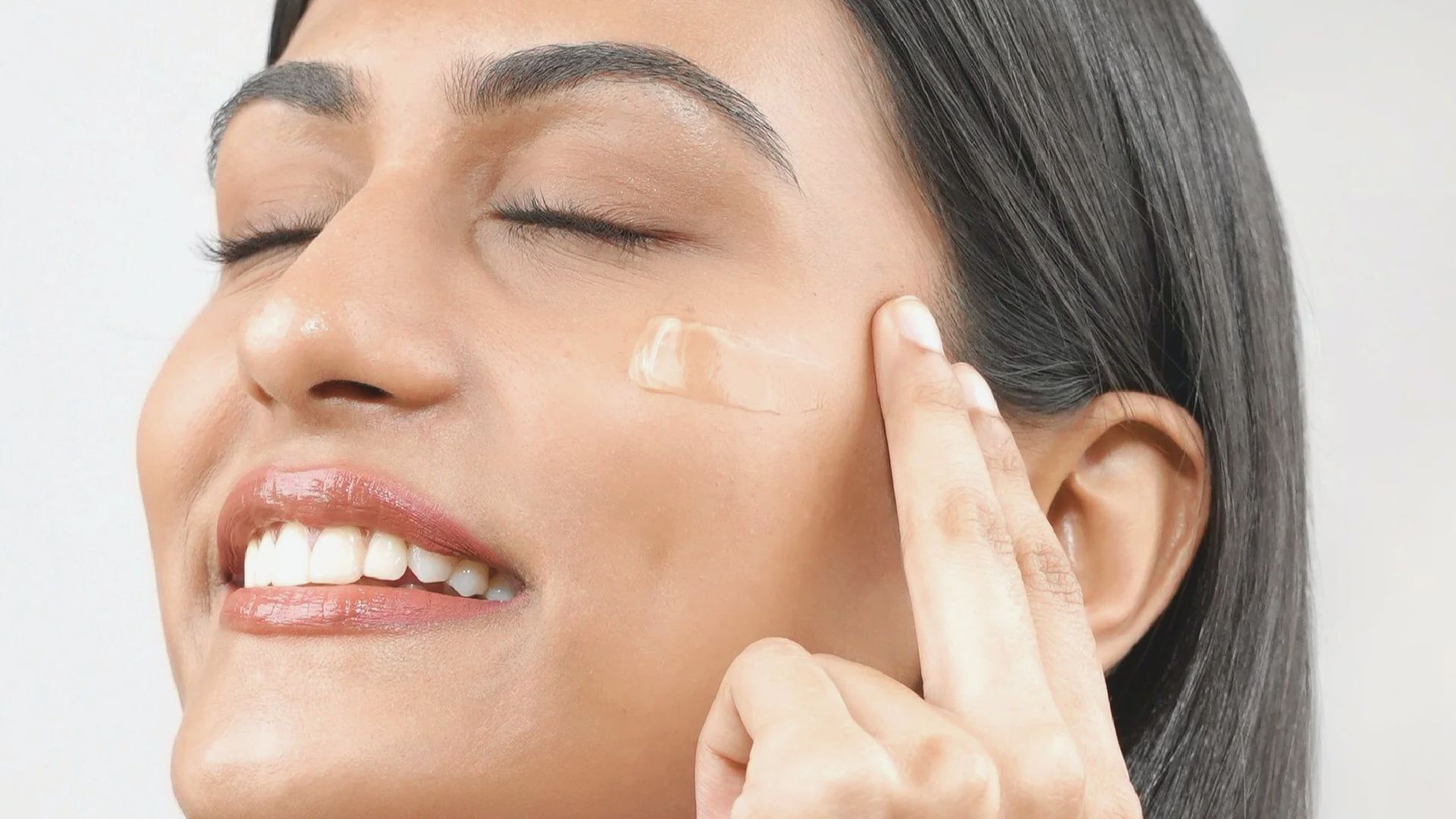
Getting the best results requires using niacinamide correctly and pairing it with the right products in your routine.
Best Niacinamide Percentage for Acne Scars
Research shows 4-5% niacinamide works best for fading acne scars. Higher percentages like 10% don’t give better results and may irritate sensitive skin.
Start with 5% if you’re new to the ingredient. Lower concentrations around 2-3% still help but take longer to show results.
How Often to Apply Niacinamide
Apply niacinamide twice daily for fastest results. Use it morning and night after cleansing. You can layer it under moisturizer or sunscreen.
It’s gentle enough for daily use without causing irritation. Consistency matters more than the amount you apply.
Best Ingredients to Combine With Niacinamide
Niacinamide pairs well with vitamin C for extra brightening power. It also works with alpha arbutin to fade dark spots faster.
Hyaluronic acid helps keep skin hydrated while treating scars. You can use it with retinol at night for better cell turnover. Avoid combining with high-strength acids right away.
Importance of Sunscreen When Treating Acne Scars
Sunscreen is required when fading acne scars. UV exposure darkens marks and reverses your progress.
Apply SPF 30 or higher every morning, even on cloudy days. Reapply every two hours if you’re outdoors. Without sun protection, your scars will take much longer to fade.
Is Niacinamide Enough on Its Own for Acne Scars?
Niacinamide works well for mild dark spots and red marks, but it isn’t enough for severe scarring. It performs best on fresh discoloration within a few months of healing.
Deep indented scars need professional treatments like microneedling, chemical peels, or laser therapy. Retinoids build collagen better for textured scars.
Vitamin C and AHAs fade pigmentation faster when combined with niacinamide.
For stubborn or old scars, you’ll get better results pairing niacinamide with stronger actives or seeing a dermatologist for in-office procedures.
Conclusion
After reviewing the research and real-world results, niacinamide does help with flat acne scars like dark spots and red marks.
It won’t fix indented or raised scars, but it’s a reliable option for pigmentation issues.
I’ve seen it work well when used consistently for at least two months. Set realistic goals and remember that deep scars need professional help.
Start with a 5% formula and stick with it. Protect your skin with sunscreen daily. If you’re dealing with stubborn scars, talk to a dermatologist about combining treatments for better results.
Frequently Asked Questions
Can I use niacinamide every day for acne scars?
Yes, niacinamide is gentle enough for twice-daily use. Apply it morning and night after cleansing for best results on dark spots and red marks.
Does niacinamide work on old acne scars?
Niacinamide works on old flat scars but takes longer than fresh ones. Expect 12-16 weeks for older hyperpigmentation compared to 8-12 weeks for recent marks.
Can niacinamide make acne scars worse?
No, niacinamide won’t worsen acne scars when used correctly. It’s a safe ingredient that reduces inflammation and helps skin heal better.
Should I use niacinamide or vitamin C for acne scars?
Both work well for dark spots, and you can use them together. Vitamin C brightens faster while niacinamide calms inflammation and strengthens your skin barrier.
What percentage of niacinamide is best for acne scars?
A 4-5% concentration works best for fading acne scars. Higher percentages like 10% don’t give better results and may irritate sensitive skin.