Summer Skin Care Tips That Dermatologists Swear By


Summer can be hard on your skin. Strong sunlight, extra sweat, and midday shine can make your usual routine stop working. Many people feel frustrated when products that helped in cooler months suddenly leave skin oily and uncomfortable.
Heat brings more sun exposure, higher moisture in the air, and faster oil production. Skin reacts very differently in July compared to January.
Pores clog more easily, and dehydration can happen even when skin feels greasy on the surface.
The good news is that skin experts have tested methods that truly help during warmer months. This guide explains how to adjust your routine with smarter product choices, proper cleansing habits, and consistent sun protection.
With a few simple changes, summer skin can feel calmer, clearer, and easier to manage each day.
How Summer Weather Affects Your Skin?
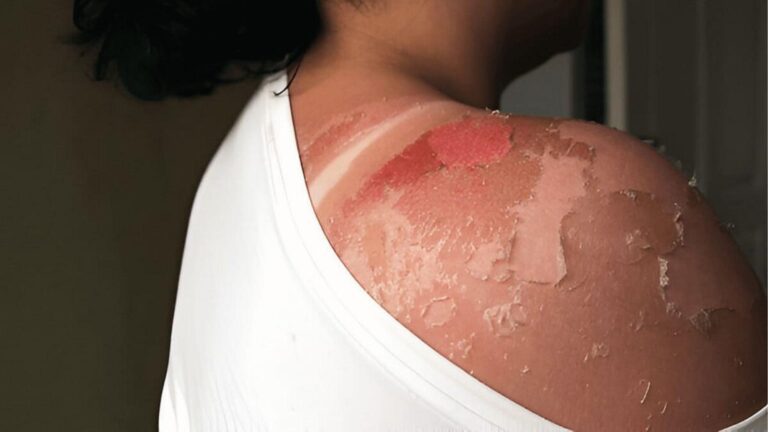
Summer changes how your skin behaves by increasing UV exposure and heat stress. More time outdoors means greater risk of sun damage, premature aging, and long-term health concerns. This makes daily protection Crucial.
Heat also pulls moisture from your skin faster than it can be replaced. Even in humid weather, dehydration leads to irritation, redness, and weakened moisture retention. Summer dryness is about water loss, not lack of oil.
At the same time, heat and humidity boost oil production and sweating. Excess oil mixes with sweat and dead skin cells, clogging pores and increasing breakouts. Faster cell turnover adds to congestion, making summer skin harder to manage.
Crucial Summer Skincare Routine (Step-by-Step Guide)
Your summer routine needs to be different. Not slightly tweaked. Actually different. Here’s exactly what dermatologists recommend for keeping skin healthy when temperatures climb.
Step 1: Cleanse Twice Daily

Cleanse your face every morning and night to prevent sweat, oil, and debris from clogging pores. Summer buildup happens fast, so consistency is Crucial to avoid breakouts and irritation.
Use a gentle, lightweight cleanser with cool to room temperature water. Avoid hot water and harsh exfoliating formulas, as they strip skin and trigger excess oil production.
Step 2: Apply Alcohol-Free Toner

Toner plays a bigger role in summer by removing leftover oil, sweat, dirt, and sunscreen residue. This extra cleansing step helps keep pores clear and reduces the chance of breakouts.
Choose alcohol-free toners with hydrating and oil-balancing ingredients like hyaluronic acid, glycerin, or witch hazel. Toner also restores pH balance, helping your skin absorb the next products more effectively.
Step 3: Use Lightweight Serums

Serums are ideal for summer because they deliver targeted ingredients without heaviness. Lightweight formulas hydrate skin quickly, replacing moisture lost to heat while staying breathable under sunscreen and makeup.
Vitamin C, hyaluronic acid, and antioxidant serums support hydration, collagen, and protection from sun damage. Apply them after cleansing and toning, before moisturizer and sunscreen, for best absorption.
Step 4: Moisturize with Lightweight Products

Moisturizer is Crucial in summer, even if your skin feels oily. Skipping it causes dehydration, which triggers your skin to produce even more oil.
Switch to lightweight, water-based, or gel formulas during the day and slightly richer options at night. Oil-free moisturizers hydrate without heaviness and support overnight skin repair.
Step 5: Apply Sunscreen Daily (Non-Negotiable)

Sunscreen is the most critical step in any routine. It protects against skin cancer, premature aging, and long-term sun damage. Use broad-spectrum SPF 30 or higher every single day without exception.
Apply sunscreen generously 15 to 30 minutes before sun exposure and reapply every two hours. Choose lightweight, oil-free formulas with zinc oxide, and apply them before makeup for proper protection.
Step 6: Exfoliate Regularly (2-3 Times Per Week)

Exfoliation works best in your summer night routine, limited to two or three times per week. Overdoing it strips natural oils and leads to irritation and increased breakouts.
Light exfoliation removes dead skin cells that mix with sweat and oil. Skip exfoliating if your skin is sunburned, and allow skin to heal before resuming for best results.
Additional Dermatologist-Recommended Summer Skincare Tips
The basic routine covers the Crucials. These additional tips take your summer skincare from good to great. Small changes that make a real difference.
- Stay hydrated inside and out by drinking water and eating water-rich fruits to keep skin balanced and reduce excess oil.
- Layer sun protection with sunscreen, protective clothing, hats, and shade for full UV defense.
- Switch to lightweight makeup and consider self-tanners for a glow without sun damage.
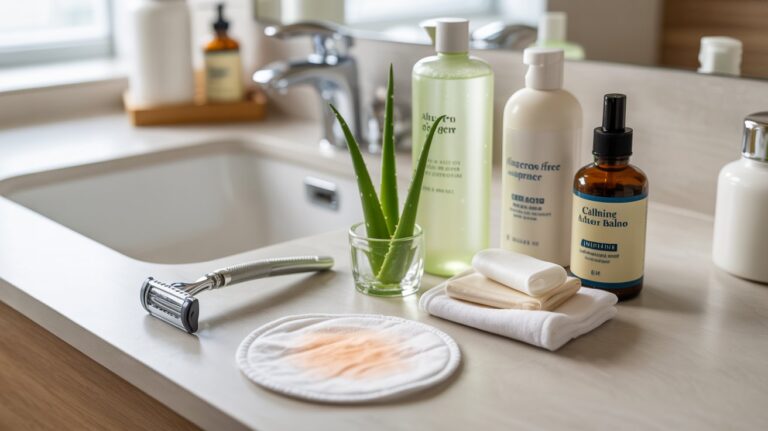
- Soothe and protect skin after sun exposure with calming lotions, and use cleansing wipes to stay fresh during the day.
- Support skin health with a nutrient-rich diet, antioxidants, and staying cool to limit heat-related oil production.
What to Avoid in Summer Skincare?
Knowing what not to do matters as much as knowing what to do. These common mistakes make summer skin problems worse. Avoid them completely.
- Avoid heavy, thick products in summer, as they clog pores and worsen oiliness in humid weather.
- Use cold to room-temperature water instead of hot water to prevent stripping natural oils.
- Skip exfoliating cleansers and choose gentle formulas, limiting exfoliation to 2–3 times per week.
- Stay away from alcohol-based toners, which trigger excess oil production and irritation.
- Never skip moisturizer or over-exfoliate; both disrupt your skin barrier and increase oiliness.
Building Your Complete Summer Skincare Routine
Here’s how everything fits together. Your complete summer routine, organized by time of day. Follow this structure and adjust products based on your specific skin needs.
Morning Routine Summary
Your morning routine prepares and protects:
- Cleanse with a gentle, lightweight cleanser
- Apply alcohol-free toner
- Use a lightweight serum (Vitamin C or hyaluronic acid)
- Moisturize with an oil-free, water-based formula
- Apply broad-spectrum SPF 30 or higher
This routine takes 5-10 minutes. No excuses for skipping it. Your skin needs this protection before facing summer weather.
Nighttime Routine Summary
Your evening routine repairs and treats:
- Cleanse thoroughly to remove sunscreen, sweat, and dirt
- Exfoliate 2-3 times per week (not every night)
- Apply the treatment serum
- Use a nourishing night moisturizer
- Apply after-sun care if you got extra sun exposure
Nighttime is when your skin repairs itself. Active ingredients work better while you sleep. Don’t skimp on your evening routine.
Weekly Additions
Add these throughout the week:
- Exfoliate 2-3 times per week (never daily)
- Use hydrating masks as needed
- Deep cleanse once weekly to prevent buildup
Consistency matters more than correctness. Following this routine most days beats doing an elaborate routine occasionally.
When to See a Dermatologist?
Sometimes DIY skincare isn’t enough. Professional help can solve problems that over-the-counter products can’t touch. Here’s when to make an appointment.
Warning Signs
Watch for these issues:
- Persistent breakouts despite following the proper routine
- Unusual skin reactions to summer weather
- Concerns about sun damage or suspicious skin changes
- Overwhelming confusion about product selection
Don’t wait months hoping problems resolve themselves. Early intervention prevents bigger issues down the road.
Professional Treatments
Dermatologists offer solutions beyond drugstore products:
- Customized summer skincare plans for your specific skin
- Access to medical-grade products stronger than retail options
- Professional assessment of your skin condition
- Prescription treatments for stubborn acne or sun damage
A dermatologist sees hundreds of summer skin problems. They know what actually works versus what just sounds good in marketing. One appointment can save you months of trial and error with products that don’t work for you.
Conclusion
Summer skin care does not need to feel confusing or overwhelming. With guidance supported by dermatologists, you can protect your skin from sun damage, manage excess oil, and keep it feeling comfortable during hot months. A steady routine makes a noticeable difference over time.
The focus should be on lightweight products that do not feel heavy on the skin. Cleanse twice a day, apply sunscreen daily, and drink enough water throughout the day. Summer heat brings sweat and humidity, but the right habits help your skin stay balanced and calm.
You now have clear steps to deal with sun exposure, humidity, and oil buildup. Start making small changes to your routine today and stay consistent. Share your biggest summer skin concern in the comments or check out more seasonal skin care guides to support healthy skin all year.
Frequently Asked Questions
What are the most important summer skin care tips?
The most important tips include applying SPF 30 or higher daily, cleansing twice to remove sweat and oil, using lightweight moisturizers instead of heavy creams, staying hydrated by drinking at least eight glasses of water, and exfoliating 2-3 times weekly to prevent clogged pores from increased oil production.
Should I change my skincare routine for summer?
Yes, you should adjust your routine for summer. Switch from thick winter moisturizers to lightweight, water-based formulas. Add or increase sunscreen usage, cleanse more frequently to remove sweat and oil, use alcohol-free toners, and incorporate antioxidant serums like vitamin C to protect against UV damage and free radicals.
How often should I apply sunscreen in summer?
Apply broad-spectrum SPF 30 or higher generously 15-30 minutes before going outside. Reapply every two hours when outdoors, or more frequently if swimming or sweating heavily. Don’t forget easily missed spots like ears, hands, and the top of the forehead. Layer SPF in moisturizer and sunscreen for extra protection.
Can I skip moisturizer if my skin is oily in summer?
No, never skip moisturizer even with oily summer skin. Your skin still needs hydration to maintain balance. Skipping moisturizer causes dehydration, triggering your skin to produce even more oil. Switch to lightweight, oil-free, water-based, or gel moisturizers that hydrate without feeling greasy or heavy.
What skincare ingredients work best for summer?
Best summer ingredients include hyaluronic acid for lightweight hydration, vitamin C for antioxidant protection and collagen production, niacinamide to control oil, zinc oxide in sunscreen for UV protection, and witch hazel in toners. Avoid heavy oils like cocoa butter and alcohol-based products that strip moisture.