Can Body Lotion Be Used on the Face: Skincare Guide

You’ve run out of face moisturizer. The body lotion is right there.
You wonder: can body lotion be used on the face?
It’s a fair question. Many people have done it at least once.
This guide breaks down the real difference between face and body skin. It explains when using body lotion on the face is okay. And when it’s not.
I’ve worked with skincare content for years and consulted dermatologist-backed sources to give you clear, honest answers.
By the end, you’ll know exactly what to put on your face and why it matters.
What Does “Can Body Lotion Be Used on the Face” Really Mean?

It’s not just about swapping products. It’s about understanding what your face actually needs.
When people ask this question, they usually want a quick fix. Maybe they ran out of face cream. Maybe they want to simplify their routine.
The answer is not simply yes or no. It depends on the product, its ingredients, and your skin type.
Facial skin is thinner and more sensitive than body skin. What works on your legs may not work on your cheeks.
Understanding this difference helps you make smarter choices for your skin every day.
Differences Between Facial Skin and Body Skin

Your face and body skin are not the same. They behave differently and need different care.
Skin Thickness and Sensitivity
Facial skin is thinner than body skin. It reacts faster to ingredients. A product that feels fine on your arms might cause redness or breakouts on your cheeks.
Body skin is tougher. It can handle stronger formulas. Your face simply cannot.
Pore Size and Sebum (Oil) Production
Your face has more oil glands than most parts of your body. That means more sebum. More sebum means a higher chance of clogged pores if you use the wrong product.
Body lotions are not made with this in mind.
Sun Exposure and Environmental Impact
Your face is exposed to the sun every single day. Wind, pollution, and UV rays hit your face more than anywhere else. This makes facial skin more prone to damage and sensitivity over time.
Why Facial Skin Is More Delicate
Because of all the above, thinner skin, more oil glands, and constant sun exposure, your face needs products made specifically for it. Using something not designed for your face is a risk.
Can Body Lotion Be Used on the Face Safely?
The short answer: sometimes. But it depends on the product and your skin type.
Situations Where It May Be Acceptable
If you’re in a pinch and have no other option, using body lotion once is unlikely to cause major harm. Especially if it’s fragrance-free and non-comedogenic.
When It Is Not Recommended
If you have oily, acne-prone, or sensitive skin, keep body lotion away from your face. It can trigger breakouts, irritation, or redness quickly.
Importance of Reading Product Labels
Always check the label. Look for words like “non-comedogenic” and “fragrance-free.” These are your green flags.
Role of Individual Skin Type in Decision-Making
Dry skin types may tolerate a gentle body lotion better than oily skin types. Know your skin before making the call.
When You Might Consider Using Body Lotion on the Face
There are a few cases where it’s not the worst idea.
Dry or Normal Skin Scenarios
If your skin is dry or normal and not easily irritated, a gentle body lotion may work short-term. It won’t be ideal, but it won’t cause disaster either.
Fragrance-Free and Non-Comedogenic Formulas
These are the only body lotions worth considering for facial use. Skip anything with added scent or heavy oils.
Multi-Purpose Moisturizers Suitable for Both Face and Body
Some moisturizers are made for both face and body use. These are your safest bet if you want one product for everything.
Examples of Suitable Dermatologist-Developed Products Like CeraVe
CeraVe Moisturizing Cream is a well-known example. It’s non-comedogenic, fragrance-free, and contains ceramides. Dermatologists often recommend it for both face and body. That makes it a rare exception where one product truly works for both.
Best Practices for Applying Moisturizer on the Face
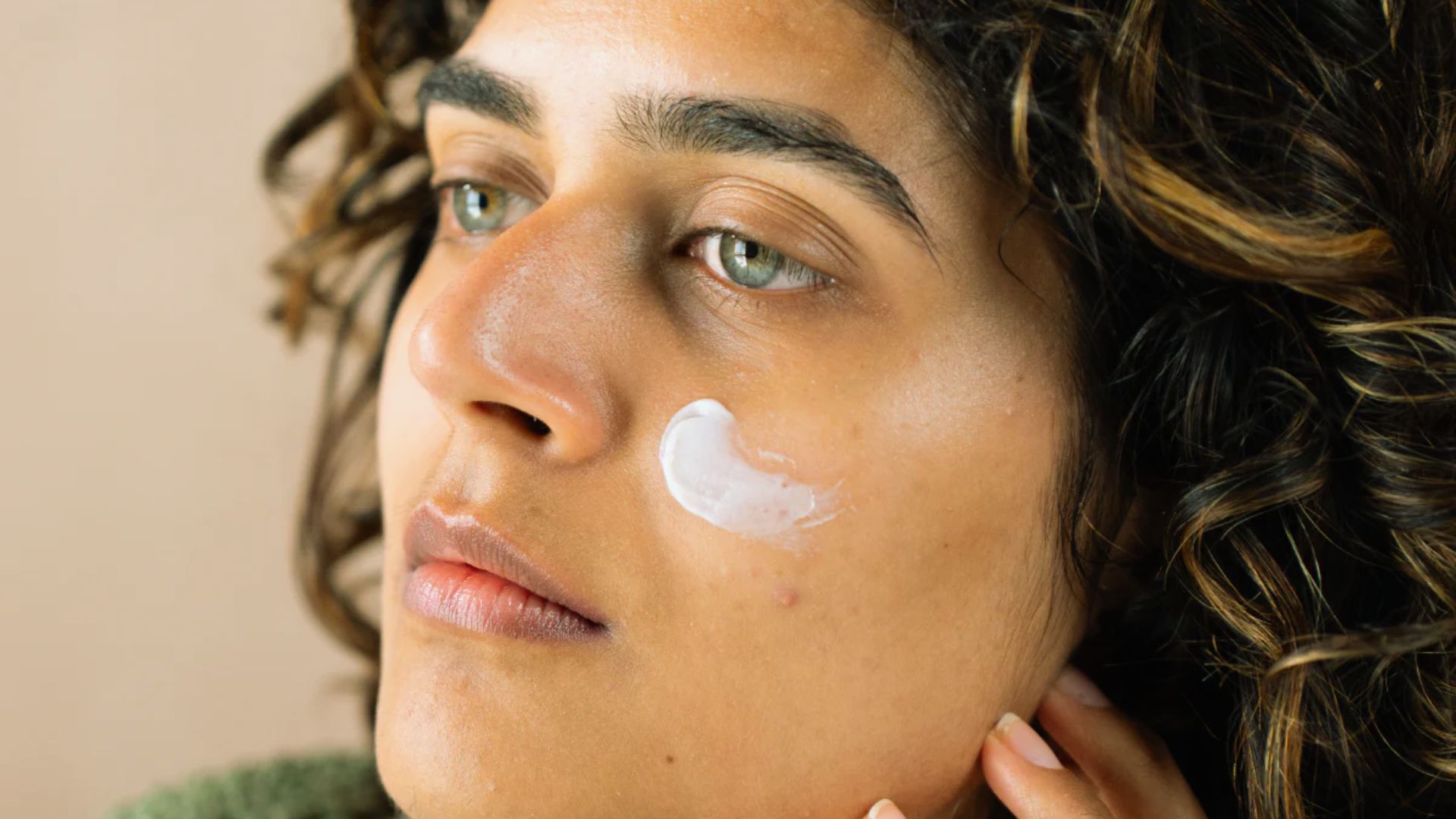
Good skincare isn’t just about what you use. It’s about how you use it.
Cleanse Before Applying Moisturizer
Always start with a clean face. Applying moisturizer over dirt or makeup blocks absorption and can cause breakouts.
Apply on Slightly Damp Skin for Better Absorption
Right after washing your face, pat it dry gently but not completely. Applying moisturizer on slightly damp skin helps lock in hydration.
Use the Right Amount (Avoid Overuse)
A pea-sized to dime-sized amount is enough for most people. Using too much doesn’t hydrate more. It just sits on the skin and can clog pores.
Morning vs Nighttime Application Tips
In the morning: follow SPF always.
At night: you can use a richer formula since your skin repairs itself while you sleep.
Common Mistakes to Avoid
Small habits can make a big difference in how your skin looks and feels.
- Using thick body butters on the face. They are far too heavy and almost always cause breakouts.
- Ignoring skin type compatibility. A product that works for someone else may not work for you.
- Over-moisturizing or under-moisturizing. Both throw off your skin’s natural balance.
- Skipping sunscreen after moisturizing. This is one of the biggest skincare mistakes people make.
- Sticking to the same product for years. Your skin changes over time and your routine should too.
How to Choose a Safe Moisturizer for Your Face
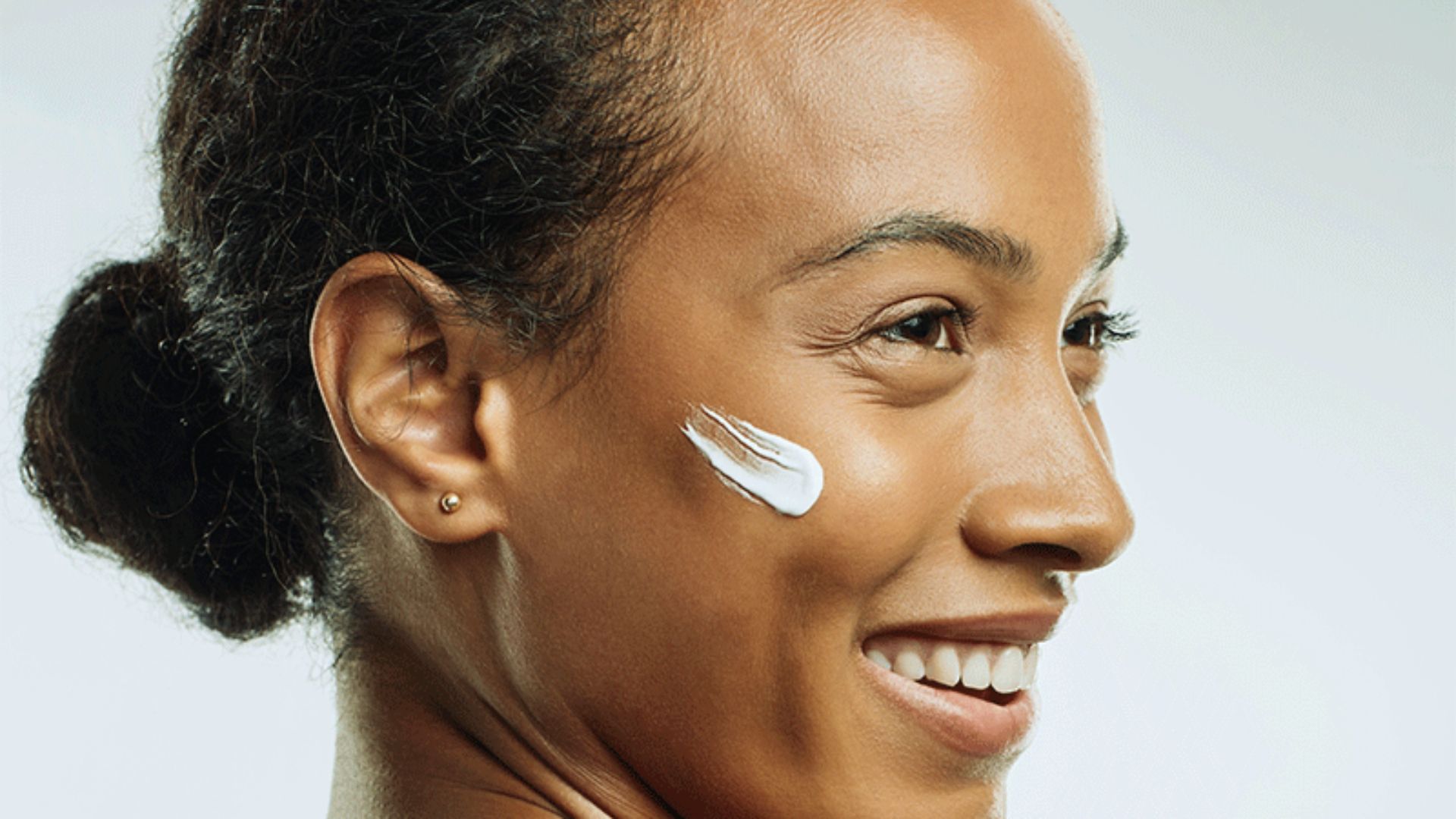
Picking the right moisturizer doesn’t have to be complicated. A few key rules go a long way.
Look for Non-Comedogenic Labels
Non-comedogenic means the product won’t clog pores. Always look for this on the label when choosing a face moisturizer.
Choose Fragrance-Free and Gentle Formulations
Fragrance is a common irritant. Go fragrance-free, especially if your skin is sensitive or reactive.
Key Beneficial Ingredients (Ceramides, Hyaluronic Acid, etc.)
Ceramides repair and strengthen the skin barrier. Hyaluronic acid pulls moisture into the skin. Glycerin is a gentle, effective humectant. Niacinamide calms redness and controls oil. Look for these on the ingredient list when shopping for a face moisturizer.
Selecting Moisturizers Based on Your Skin Type
Oily skin does best with gel-based or lightweight formulas. Dry skin benefits from richer creams. Combination skin needs a balance. Normal skin has more flexibility.
Tips for Maintaining Healthy Facial Skin
Small, consistent habits make the biggest difference for your skin over time.
- Avoid harsh or heavily fragranced products that irritate the skin
- Follow a consistent morning and night routine without skipping steps
- Always do a patch test before trying any new product on your face
- Drink enough water and maintain a balanced diet because your skin reflects what’s happening inside your body
- Never skip sunscreen in the morning, as daily sun protection is one of the most important steps for long-term skin health
Conclusion
So, can body lotion be used on the face? Occasionally yes, but only with the right product.
I’ve made the mistake of grabbing a scented body lotion in a rush. My skin was not happy about it.
Your face deserves care that’s made for it. Stick to face moisturizers when you can. If you must use body lotion, go fragrance-free and non-comedogenic.
Found this helpful? Leave a comment below or share it with a friend who’s been asking the same question. Check out our other skincare guides too. Your skin will thank you.
Frequently Asked Questions
Can body lotion be used on the face daily?
Using body lotion on the face every day is not a good idea. It can clog pores and cause breakouts over time, especially with regular use.
Is body lotion safe for acne-prone skin?
Most body lotions are not safe for acne-prone skin. They tend to be heavy and may contain ingredients that trigger more breakouts.
What happens if I use body lotion on my face once?
Using it once is unlikely to cause major harm. But if it contains fragrance or heavy oils, you may notice mild irritation or a breakout shortly after.
Which type of moisturizer is best for facial skin?
A lightweight, fragrance-free, non-comedogenic moisturizer with ceramides or hyaluronic acid works well for most facial skin types.
Can sensitive skin use body lotion on the face?
Sensitive skin should avoid most body lotions. If needed, choose one that is completely fragrance-free, hypoallergenic, and made without harsh additives.