Best Practices for Safe Aesthetic Procedures with Physician Collaboration

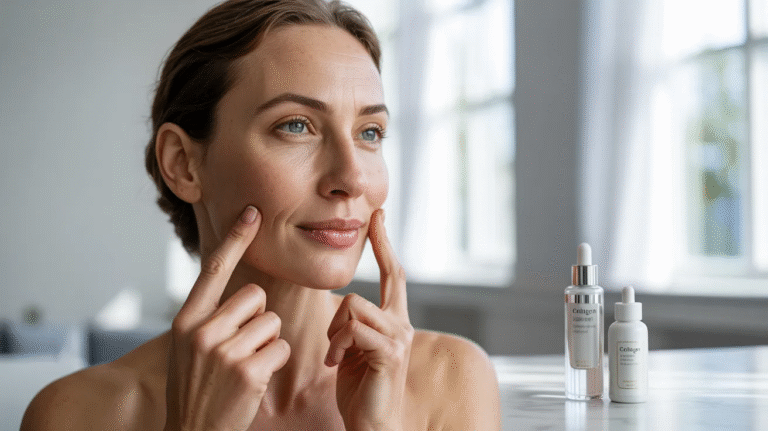
The demand for minimally invasive cosmetic treatments has surged over the past decade. Medical spas, aesthetic clinics, and wellness centers now offer a wide range of services, including Botox®, dermal fillers, laser treatments, chemical peels, microneedling, body contouring, and skin rejuvenation procedures. While these treatments can produce impressive results with little downtime, they are still considered medical procedures that require appropriate clinical oversight.
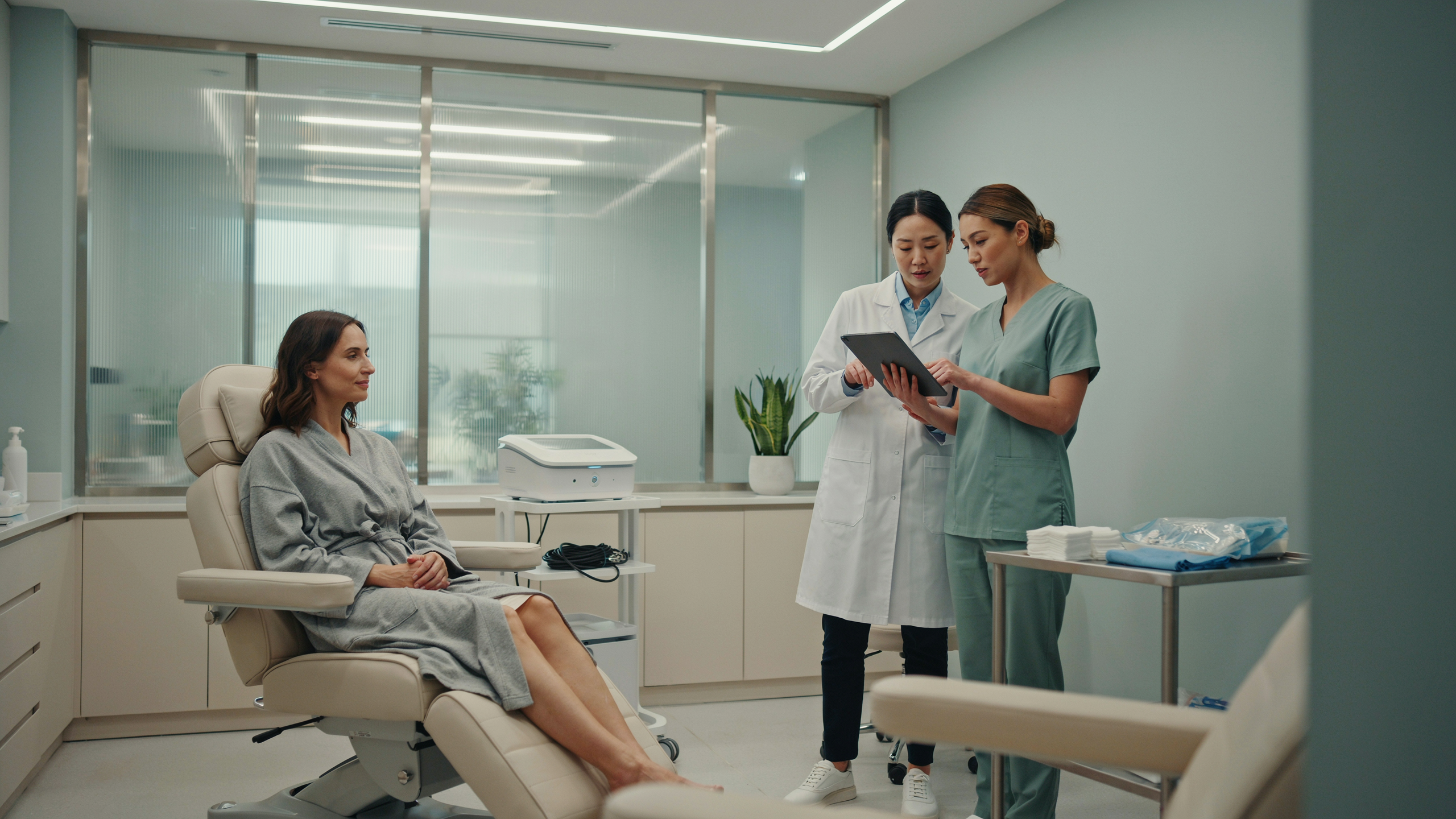
Patient safety should always be the foundation of every aesthetic practice. One of the most effective ways to maintain high standards of care is by partnering with a Collaborating Physician for Aesthetic Practices. A collaborating physician provides medical oversight, helps ensure regulatory compliance, supports healthcare providers, and establishes clinical protocols that promote safe and consistent patient care.
Whether you’re launching a new medical spa or expanding an existing aesthetic practice, following established best practices with physician collaboration can improve patient outcomes, reduce risks, and strengthen your clinic’s reputation.
Understand the Role of a Collaborating Physician
A collaborating physician is a licensed medical doctor (MD) or doctor of osteopathic medicine (DO) who provides medical oversight and clinical guidance to healthcare providers performing aesthetic procedures.
Depending on state laws, a Collaborating Physician for Aesthetic Practices may assist with:
- Reviewing patient treatment protocols
- Supervising advanced practice providers
- Developing standing orders
- Providing clinical consultations
- Reviewing medical documentation
- Monitoring patient safety
- Ensuring compliance with state regulations
- Supporting quality improvement initiatives
Although physicians may not perform every treatment personally, their oversight helps ensure aesthetic services are delivered safely and according to accepted medical standards.
Know Your State’s Regulations
Healthcare laws governing aesthetic practices vary significantly across the United States.
Some states require physician supervision for certain procedures, while others allow nurse practitioners or physician assistants greater autonomy. Requirements may also differ regarding:
- Medical director responsibilities
- Delegation of cosmetic procedures
- Laser supervision
- Injectable medications
- Prescription authority
- Medical spa ownership
- Collaborative agreements
Before offering services, every aesthetic practice should review applicable state regulations and work closely with a collaborating physician to ensure full compliance.
Remaining informed about regulatory updates is equally important, as healthcare laws frequently evolve.
Perform Comprehensive Patient Consultations
Every successful treatment begins with a thorough patient evaluation.
Before recommending any cosmetic procedure, providers should assess:
- Medical history
- Current medications
- Allergies
- Previous cosmetic treatments
- Skin type
- Existing health conditions
- Pregnancy status when applicable
- Patient goals and expectations
Patients should also be evaluated for conditions that may increase procedural risks, such as autoimmune disorders, bleeding disorders, active skin infections, or certain chronic illnesses.
A collaborating physician often helps establish standardized consultation procedures that promote consistent patient screening.
Create Evidence-Based Clinical Protocols
Standardized protocols improve treatment consistency while reducing unnecessary risks.
Clinical protocols should address:
- Patient eligibility criteria
- Contraindications
- Injection techniques
- Laser safety procedures
- Product selection
- Dosage recommendations
- Emergency response plans
- Follow-up schedules
- Infection prevention measures
Protocols should be based on current medical evidence rather than trends or marketing claims.
A Collaborating Physician for Aesthetic Practices regularly reviews these protocols to ensure they remain aligned with evolving clinical guidelines.
Obtain Proper Informed Consent
Patients should fully understand every treatment before proceeding.
Informed consent discussions should include:
- Expected benefits
- Potential risks
- Possible complications
- Alternative treatment options
- Recovery expectations
- Likely treatment outcomes
Patients should have adequate time to ask questions and make informed decisions without feeling pressured.
Written consent forms should be completed before treatment begins and securely stored within the patient’s medical record.
Proper informed consent not only supports legal compliance but also builds patient trust.
Verify Provider Competency
Aesthetic medicine requires technical skill, clinical judgment, and a thorough understanding of facial anatomy.
Healthcare providers should receive training appropriate for every procedure they perform.
Training may include:
- Injection techniques
- Laser certification
- Anatomy education
- Product-specific instruction
- Complication management
- Infection control
- Emergency response
A collaborating physician may help evaluate provider competency and recommend continuing education opportunities.
Regular skill development ensures providers remain current with new technologies and evolving treatment techniques.
Use Only FDA-Approved Products
Patient safety depends on using authentic, high-quality products.
Practices should purchase:
- Injectable medications
- Dermal fillers
- Neuromodulators
- Medical devices
- Prescription products
only through authorized distributors.
Counterfeit or improperly stored products may increase the risk of complications and produce unpredictable treatment outcomes.
Providers should also verify expiration dates, storage conditions, and manufacturer recommendations before administering any product.
Follow Strict Infection Control Standards
Even minimally invasive procedures involve some risk of infection.
Every aesthetic practice should establish infection prevention protocols that include:
- Proper hand hygiene
- Sterile injection techniques
- Single-use needles and syringes
- Equipment sterilization
- Surface disinfection
- Personal protective equipment
- Safe disposal of sharps
Maintaining a clean clinical environment protects both patients and healthcare providers.
Routine infection control audits help ensure these standards remain consistently followed.
Screen Patients Carefully
Not every patient is an appropriate candidate for cosmetic treatment.
Providers should evaluate:
- Medical contraindications
- Active skin infections
- Medication interactions
- Unrealistic expectations
- Psychological readiness
- History of allergic reactions
Patients experiencing body dysmorphic disorder or unrealistic cosmetic expectations may benefit from additional counseling before proceeding with elective treatments.
Careful patient selection helps improve satisfaction while minimizing preventable complications.
Prioritize Patient Education
Educated patients are more likely to follow treatment recommendations and aftercare instructions.
Before every procedure, providers should explain:
- Treatment steps
- Expected recovery
- Potential side effects
- Activity restrictions
- Follow-up appointments
- Warning signs requiring medical attention
Providing written aftercare instructions further supports safe recovery and improves patient outcomes.
Prepare for Medical Emergencies
Although complications are uncommon, aesthetic practices should always be prepared to respond quickly.
Emergency preparedness includes:
- Written emergency protocols
- Emergency medications
- First aid equipment
- Oxygen supplies
- Staff emergency training
- Routine emergency drills
Potential emergencies may include:
- Allergic reactions
- Anaphylaxis
- Vasovagal syncope
- Vascular occlusion
- Infection
- Hypertensive episodes
A Collaborating Physician for Aesthetic Practices can review emergency protocols and recommend improvements based on current medical standards.
Maintain Thorough Medical Documentation
Accurate documentation supports continuity of care and regulatory compliance.
Patient records should include:
- Medical history
- Physical assessment
- Treatment recommendations
- Consent forms
- Medication lot numbers
- Injection sites
- Dosages administered
- Device settings
- Photographs when appropriate
- Follow-up notes
- Adverse events
Complete documentation protects both patients and providers while supporting quality assurance efforts.
Conduct Routine Chart Reviews
Chart reviews are an important component of physician collaboration.
A collaborating physician may periodically review patient records to assess:
- Documentation accuracy
- Protocol compliance
- Treatment appropriateness
- Follow-up care
- Clinical outcomes
Regular chart reviews help identify trends that may require additional staff education or protocol updates.
They also demonstrate a commitment to continuous quality improvement.
Protect Patient Privacy
Patients expect their personal information and cosmetic treatments to remain confidential.
Practices should comply with HIPAA by:
- Securing electronic medical records
- Restricting access to patient information
- Encrypting digital communications
- Obtaining written consent before sharing photographs
- Providing staff privacy training
Protecting patient confidentiality strengthens trust while reducing legal risks.
Monitor Treatment Outcomes
Successful aesthetic practices continuously evaluate their clinical performance.
Outcome monitoring may include:
- Patient satisfaction surveys
- Clinical photography
- Follow-up appointments
- Complication tracking
- Procedure success rates
Collecting this information helps clinics improve protocols and identify opportunities for enhanced patient care.
Collaborating physicians may review outcome data to recommend evidence-based improvements.
Encourage Open Team Communication
Safe patient care depends on collaboration among physicians, nurse practitioners, physician assistants, registered nurses, aestheticians, and administrative staff.
Regular team meetings encourage discussion of:
- Clinical concerns
- New treatment protocols
- Safety improvements
- Regulatory updates
- Patient feedback
- Quality assurance findings
Open communication reduces errors while promoting a culture of continuous learning.
Stay Current With Medical Advances
The field of aesthetic medicine evolves rapidly.
New technologies, injectables, laser systems, and treatment techniques become available each year.
Practices should encourage providers to:
- Attend continuing education courses
- Participate in professional conferences
- Review current clinical literature
- Complete manufacturer training
- Maintain specialty certifications
A collaborating physician often provides guidance on integrating new procedures safely into clinical practice.
Promote Ethical Patient Care
Ethics should guide every treatment recommendation.
Providers should avoid:
- Overselling cosmetic procedures
- Creating unrealistic expectations
- Recommending unnecessary treatments
- Misrepresenting treatment outcomes
- Pressuring patients into elective services
Instead, treatment recommendations should always prioritize the patient’s health, safety, and informed decision-making.
Ethical care builds long-term patient relationships and enhances the reputation of the practice.
Establish a Continuous Quality Improvement Program
Quality improvement should be an ongoing process rather than a one-time initiative.
Practices should regularly evaluate:
- Clinical outcomes
- Patient satisfaction
- Documentation quality
- Staff competency
- Safety incidents
- Protocol effectiveness
A collaborating physician plays a key role in reviewing quality metrics, identifying improvement opportunities, and helping implement corrective actions when necessary.
Continuous improvement supports safer procedures and better patient experiences.
Benefits of Working With a Collaborating Physician
Partnering with a Collaborating Physician for Aesthetic Practices offers numerous advantages beyond regulatory compliance.
Some of the most significant benefits include:
- Improved patient safety
- Stronger clinical oversight
- Standardized treatment protocols
- Better documentation practices
- Ongoing quality assurance
- Reduced legal and compliance risks
- Access to expert medical guidance
- Enhanced staff education
- Greater patient confidence
- Consistent clinical decision-making
These benefits help practices build a reputation for professionalism, safety, and high-quality care.
Conclusion
The success of any aesthetic practice depends on more than advanced technology and popular cosmetic treatments. It requires a strong commitment to patient safety, regulatory compliance, clinical excellence, and ethical care. By implementing comprehensive patient evaluations, standardized protocols, thorough documentation, emergency preparedness, and continuous staff education, practices can create a safer environment for every patient.
Partnering with a Collaborating Physician for Aesthetic Practices further strengthens these efforts by providing experienced medical oversight, supporting evidence-based clinical decisions, and helping practices navigate complex healthcare regulations. As the aesthetic industry continues to evolve, physician collaboration remains one of the most valuable investments a clinic can make to ensure long-term success, patient satisfaction, and the highest standards of care.