Botox vs Fillers: Key Differences You Should Know


Many people assume Botox and fillers are the same thing when they first hear about them.
I used to think they were interchangeable too. When I first considered addressing my forehead lines, I assumed any cosmetic injection would work.
It wasn’t until my consultation that I learned Botox and fillers tackle completely different concerns in totally different ways.
For anyone considering either treatment, understanding what sets them apart is crucial .
This guide breaks down everything you need to know about Botox vs fillers.
Let’s get started.
Key Differences Between Botox and Fillers
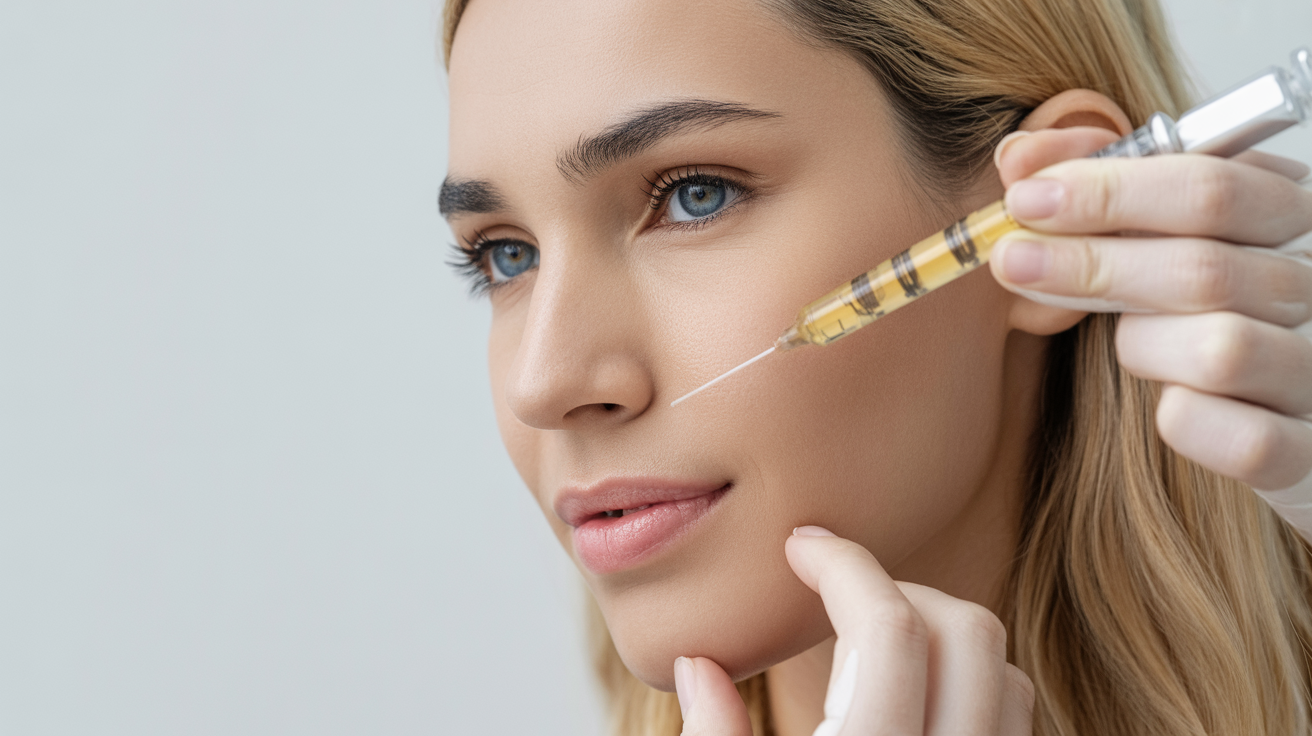
Let me make the botox vs fillers distinction crystal clear. They’re designed for completely different problems.
|
Feature |
Botox |
Fillers |
|
How It Works |
Relaxes muscles |
Adds volume |
|
Best For |
Expression lines |
Volume loss and static wrinkles |
|
Injection Site |
Into the muscle |
Under the skin |
|
Results Timeline |
3-7 days |
Immediate or gradual |
|
Duration |
3-6 months |
6-12 months |
|
Common Areas |
Forehead, around eyes, between brows |
Cheeks, lips, smile lines |
|
Precision |
Very targeted to specific muscles |
Broader volume restoration |
Here’s something interesting. Many people get both treatments during the same appointment.
Your provider might use Botox on your forehead and crow’s feet, then switch to fillers for your cheeks and smile lines. They complement each other really well.
What Is Botox?

Botox is probably the most recognized name in cosmetic treatments. But it’s actually a brand name for a specific type of injectable that relaxes your facial muscles.
How Botox Works
Botox is what doctors call a neuromodulator. It works by blocking the signals between your nerves and your muscles.
When those signals get blocked, your muscles can’t contract the way they normally do. This means the wrinkles caused by those movements start to soften and fade.
The main ingredient is a purified form of botulinum toxin protein. I know that sounds scary, but it’s been used safely for decades in controlled doses.
You might also hear about other brands like Dysport, Xeomin, Jeauveau, and Daxxify. They all work similarly, just with slight differences in formulation.
Best Uses for Botox
When I talk about botox vs fillers, this is where the real difference starts to show. Botox targets dynamic wrinkles, which are the lines that appear when you make facial expressions.
- Forehead lines that show up when you raise your eyebrows
- Crow’s feet around your eyes when you smile
- Frown lines between your brows (the “11 lines”)
- Any wrinkle that appears with facial movement
The results don’t happen overnight. You’ll start seeing changes within 3 to 7 days, and the effects typically last 3 to 6 months before you need another treatment.
What Are Dermal Fillers?
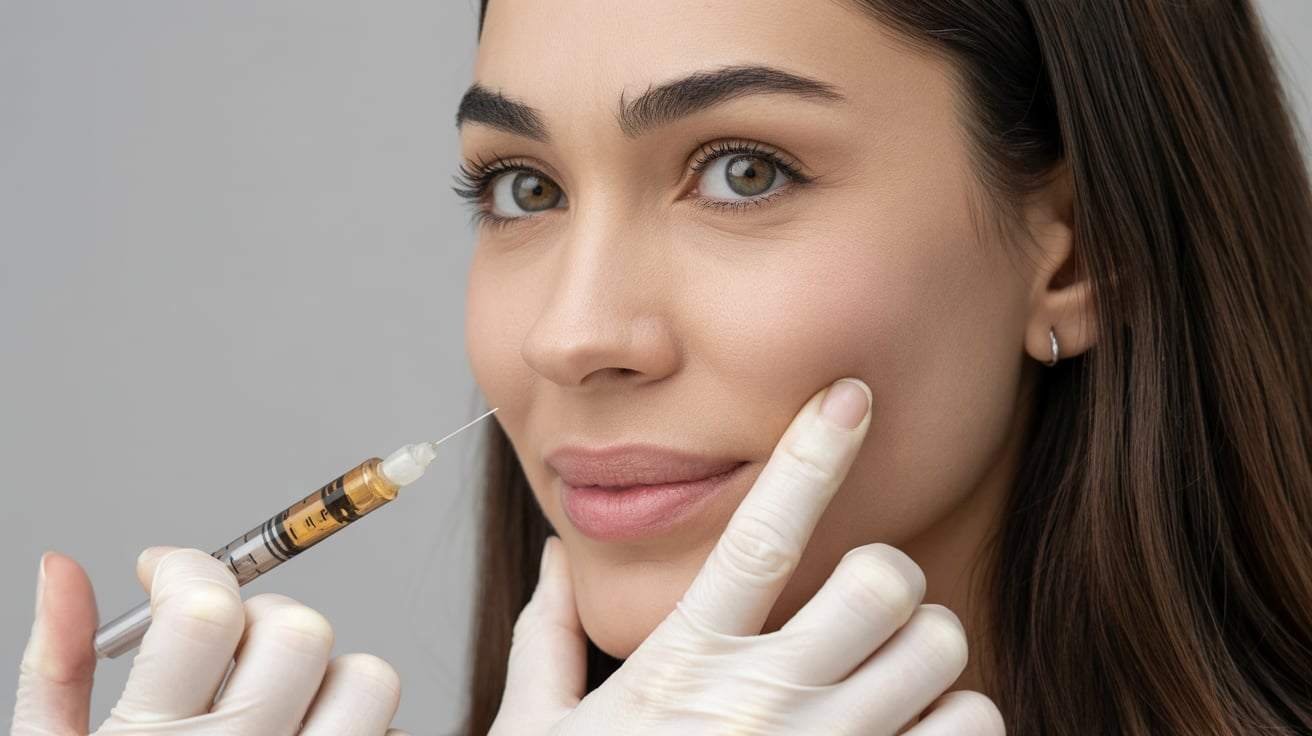
Fillers are a completely different approach. Instead of relaxing muscles, they add volume directly under your skin.
How Dermal Fillers Work
Think of fillers as a way to fill in spaces that have lost volume over time. They’re injectable substances that plump up your skin from underneath.
These products literally fill the areas where your skin has thinned or sagged. The material adds structure and smoothness to your face.
There are different types of fillers made from various materials. Hyaluronic acid is the most common, but you’ll also find poly-L-lactic acid and PMMA.
Some fillers work right away. Others build up gradually over weeks or months, depending on what type you get.
Best Uses for Fillers
Here’s another key point in the botox vs fillers comparison. Fillers work on static wrinkles, which are the lines you see even when your face is completely relaxed.
- Smile lines (nasolabial folds) that run from your nose to your mouth
- Laugh lines around your mouth
- Cheek volume that’s decreased with age
- Lip plumping for fuller lips
- Hollow areas under your eyes or in your temples
Results from fillers typically last 6 to 12 months. The exact duration depends on which type of filler you choose and where it’s injected.
Which Treatment Is Right for You?
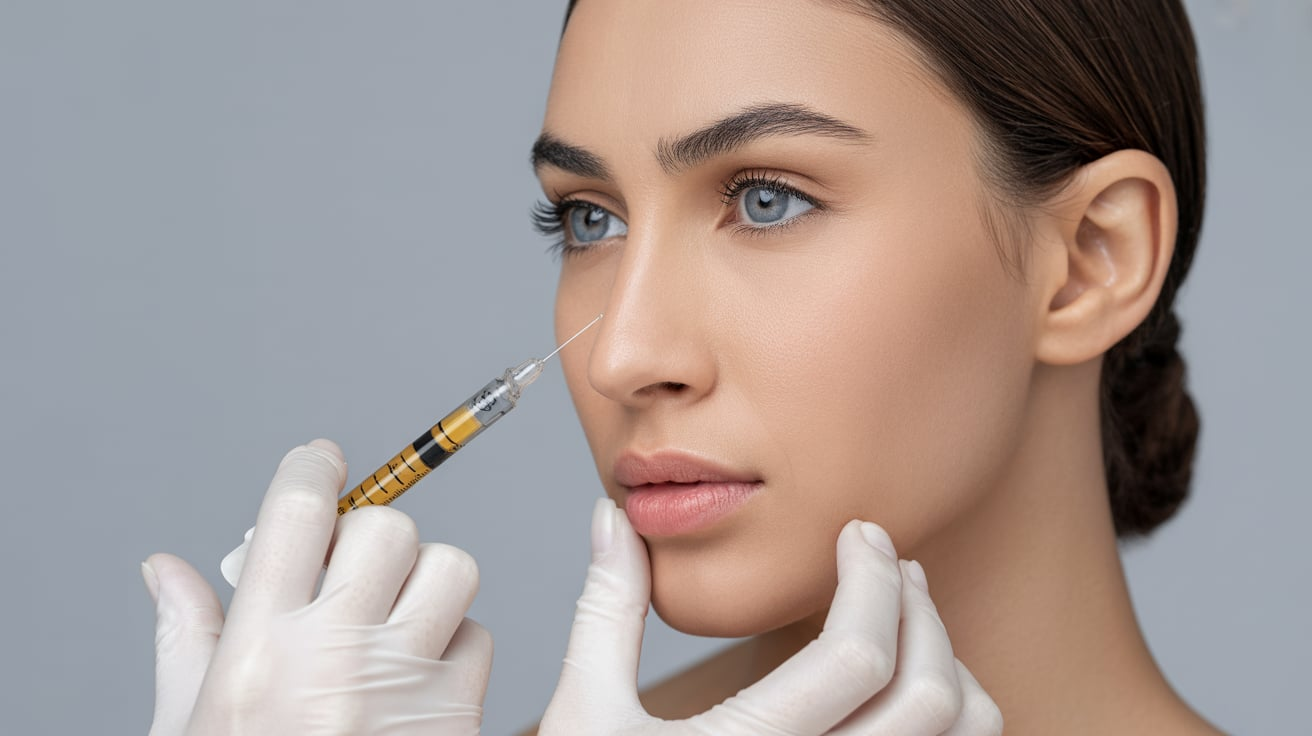
The answer depends entirely on what’s bothering you about your appearance. Look in the mirror and pay attention to what you see.
If your wrinkles show up when you smile, frown, or raise your eyebrows, you’re probably looking at a Botox situation. These are movement-related lines.
Volume loss is a filler problem. If your cheeks look sunken, your lips are thinner than they used to be, or you have deep static lines, fillers will give you better results.
Most people actually need both. Your upper face often responds best to Botox, while your mid and lower face usually need fillers.
A good provider will create a customized plan based on your specific concerns and facial structure.
That’s why a consultation is so important before making any decisions about botox vs fillers.
Safety and Side Effects

Both treatments are considered safe when done correctly. But like any medical procedure, there are potential side effects you should know about.
Botox Side Effects
The most common issues are temporary and mild. You might have some pain, swelling, or bruising right where the needle went in.
Some people get flu-like symptoms or a headache after treatment. These usually go away within a day or two.
Rarely, you might experience eyelid drooping if the Botox spreads to nearby muscles.
Even more rarely, the botulinum toxin can spread to other parts of your body and cause serious problems.
If you have certain neuromuscular disorders like myasthenia gravis or ALS, Botox isn’t recommended for you.
Filler Side Effects
Short-term reactions include pain, swelling, bruising, numbness, and itchiness at the injection sites. These typically resolve within a few days.
If bacteria gets introduced during the injection, you could develop an infection. This is why sterile technique matters so much.
Long-term issues can include lumpiness, asymmetry, or scarring if the filler doesn’t settle properly or if too much is used.
Serious complications are rare but possible. Allergic reactions can happen, and in very rare cases, filler can block blood vessels and cause vision problems or skin damage.
This is exactly why you need an experienced, qualified provider who knows facial anatomy inside and out.
Choosing a Qualified Provider

Your provider’s skill level directly affects both your safety and your results. This isn’t something to bargain shop for.
Look for someone who’s board-certified in dermatology, plastic surgery, or cosmetic medicine.A dedicated consultation for facial volume restoration with fillers is essential to plan how to replenish your face’s natural supportive structure. This planning session allows a certified professional to assess your anatomy, discuss your desired outcome, and create a customized treatment map. Check their credentials and training.
Ask specifically about their experience with the treatments you’re considering. How many procedures have they done? Do they use FDA-approved, medical-grade products?
During your consultation, talk openly about your goals, your budget, and your complete health history.
A good provider will listen carefully and recommend what actually makes sense for you, not just try to sell you everything.
When weighing botox vs fillers, their expertise helps you make the right choice.
Conclusion
So here’s what you need to remember. Botox relaxes muscles to smooth expression lines. Fillers add volume to restore fullness and smooth static wrinkles.
They solve different problems, which is why understanding botox vs fillers matters so much.
Both treatments are safe and effective when you choose a qualified provider who uses proper techniques and quality products.
Many people get the best results by combining both treatments in a customized plan.
Talk to a cosmetic specialist to figure out what works for your specific concerns.
Now you know the real difference between these treatments, and you can make an informed decision about what’s right for your face.
Frequently Asked Questions
Can You Get Botox and Fillers at the Same Time?
Yes, you absolutely can. Many providers combine both treatments in a single appointment to address different concerns. It’s safe and actually very common to get Botox and fillers together.
How Long Should You Wait Between Treatments?
For repeat Botox, wait at least 3 months between sessions. For fillers, you typically need to wait 6 to 12 months, depending on the type used and how your body metabolizes it.
Are There Any Age Restrictions for These Procedures?
Botox is FDA-approved for adults 18 and older. Some people start preventative treatments in their late 20s or early 30s. There’s no upper age limit if you’re healthy.
What Should You Avoid After Getting Injections?
Don’t lie down for 4 hours after Botox. Avoid intense exercise, alcohol, and blood-thinning medications for 24 hours. Don’t massage the treated areas unless your provider specifically tells you to.
How Much Do These Treatments Typically Cost?
Botox costs around $10 to $20 per unit, and most treatments need 20 to 60 units. Fillers range from $600 to $1,200 per syringe. The final cost depends on your location and provider.