Can Dry Scalp Cause Hair Loss? Dermatologist-Backed Guide

Noticing more hair in your brush lately? Does your scalp feel tight, itchy, and flaky? You might be dealing with dry scalp, and yes, it can absolutely cause your hair to fall out.
Can dry scalp cause hair loss? The medical answer is clear: scalp dryness creates conditions that weaken follicles and trigger shedding.
This guide covers the science behind the connection, how to identify if your scalp is causing your hair loss, and treatments backed by dermatological research.
You’ll learn the difference between dry scalp and dandruff, when to see a doctor, and what actually works to stop the shedding.
After years of researching scalp health and working with dermatological sources, I’m breaking down everything you need to know to get your hair growing again.
Let’s get started.
Can Dry Scalp Cause Hair Loss? (Quick Answer)
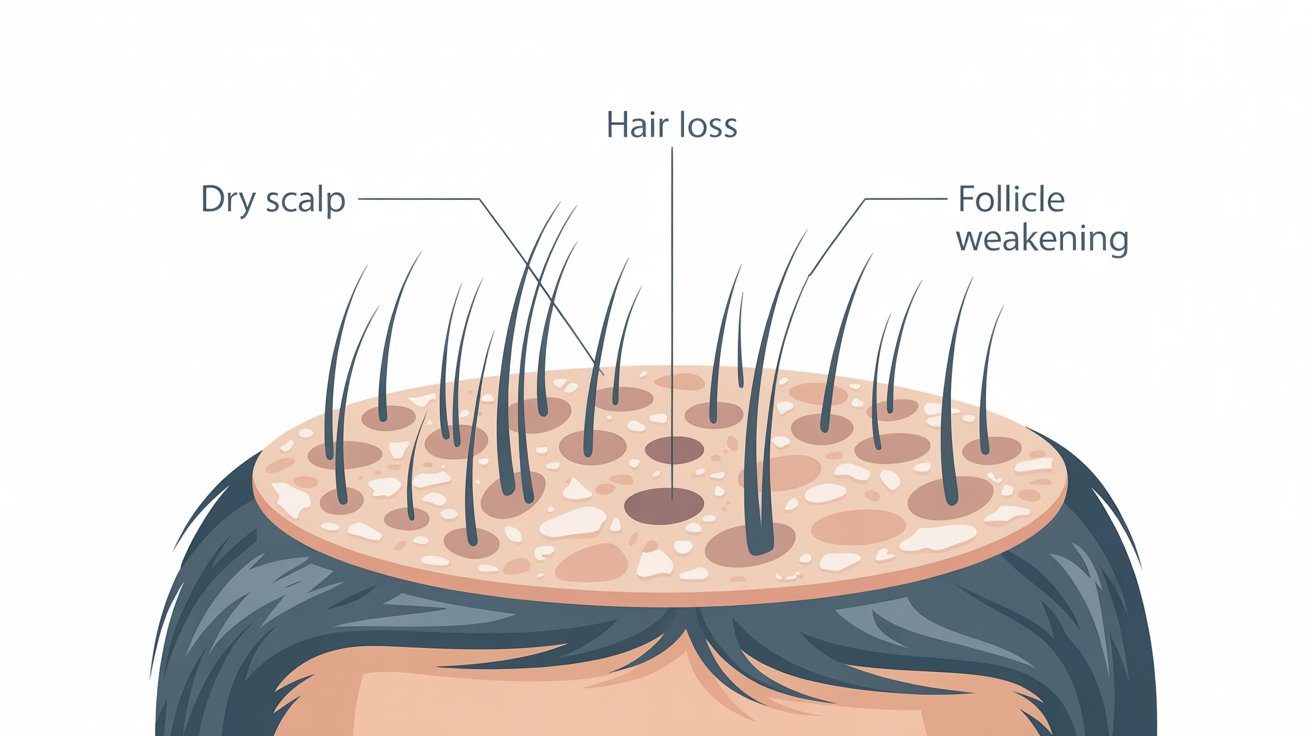
Yes, dry scalp can cause temporary hair loss.
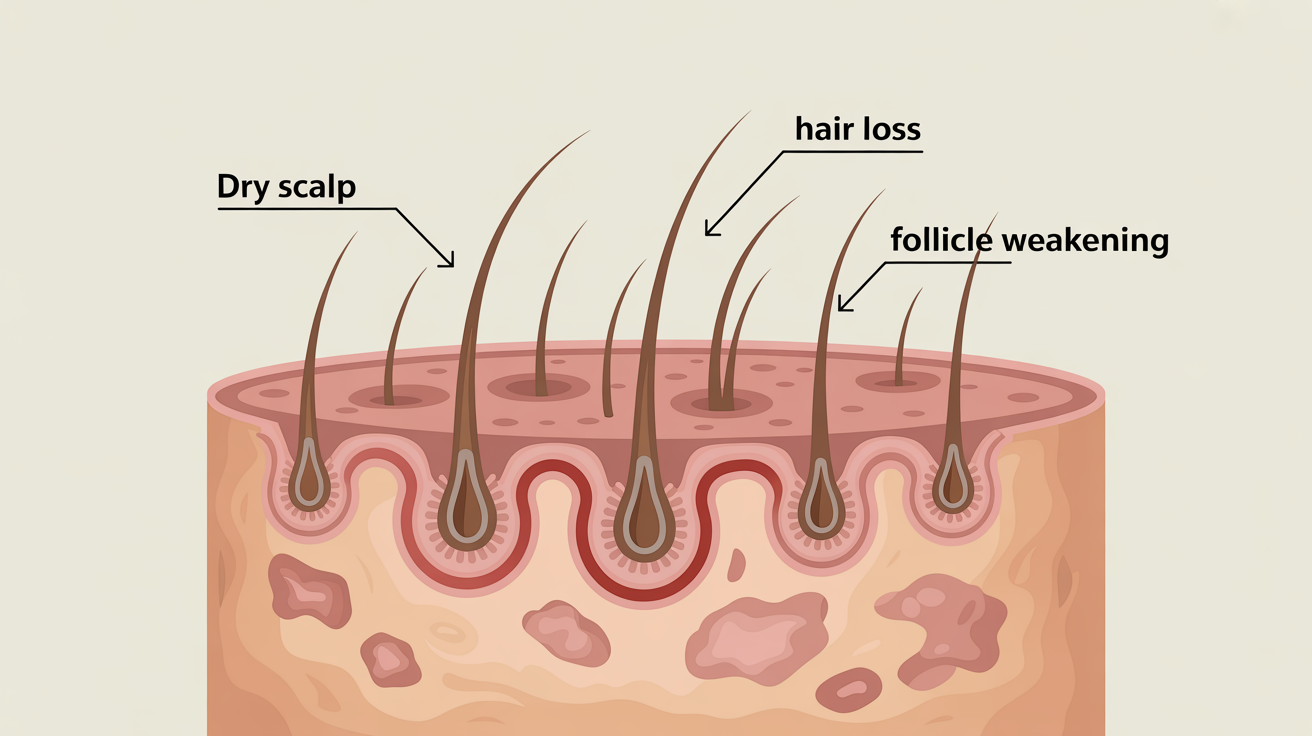
Scalp dryness weakens hair follicles, triggers inflammation, and disrupts the normal hair growth cycle.
Chronic itching and scratching further damage follicle structure.
According to dermatological research, this type of hair loss is usually reversible once the underlying scalp condition is treated and moisture balance is restored.
What Is a Dry Scalp?
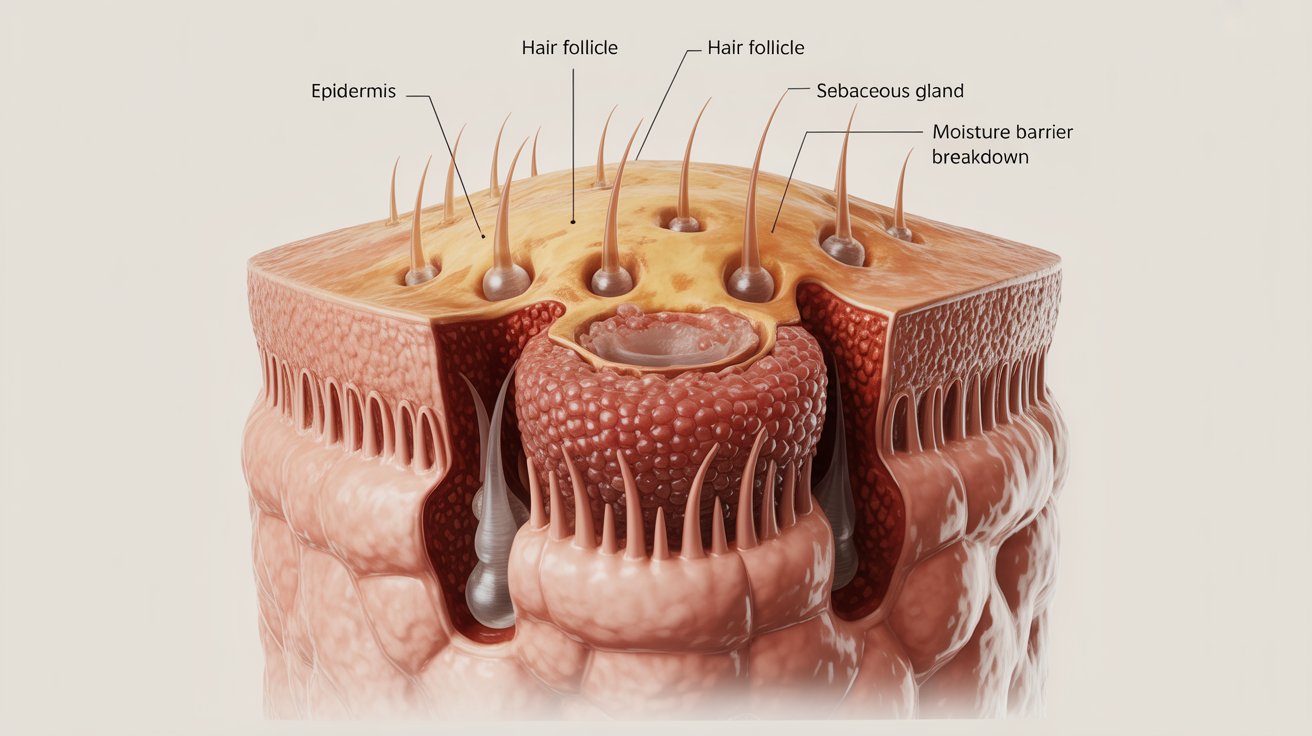
A dry scalp occurs when the skin on your head doesn’t produce enough sebum (natural oil).
The American Academy of Dermatology explains that scalp skin functions like facial skin. It needs adequate moisture to maintain its protective barrier.
When this barrier breaks down, you experience tightness, itching, and flaking.
Those white flakes are dead skin cells shedding at an accelerated rate. Your scalp becomes vulnerable to environmental damage and can’t properly support healthy follicle function.
How Dry Scalp Leads to Hair Loss
Understanding the mechanism helps you treat it effectively.
Disruption of the Hair Growth Cycle
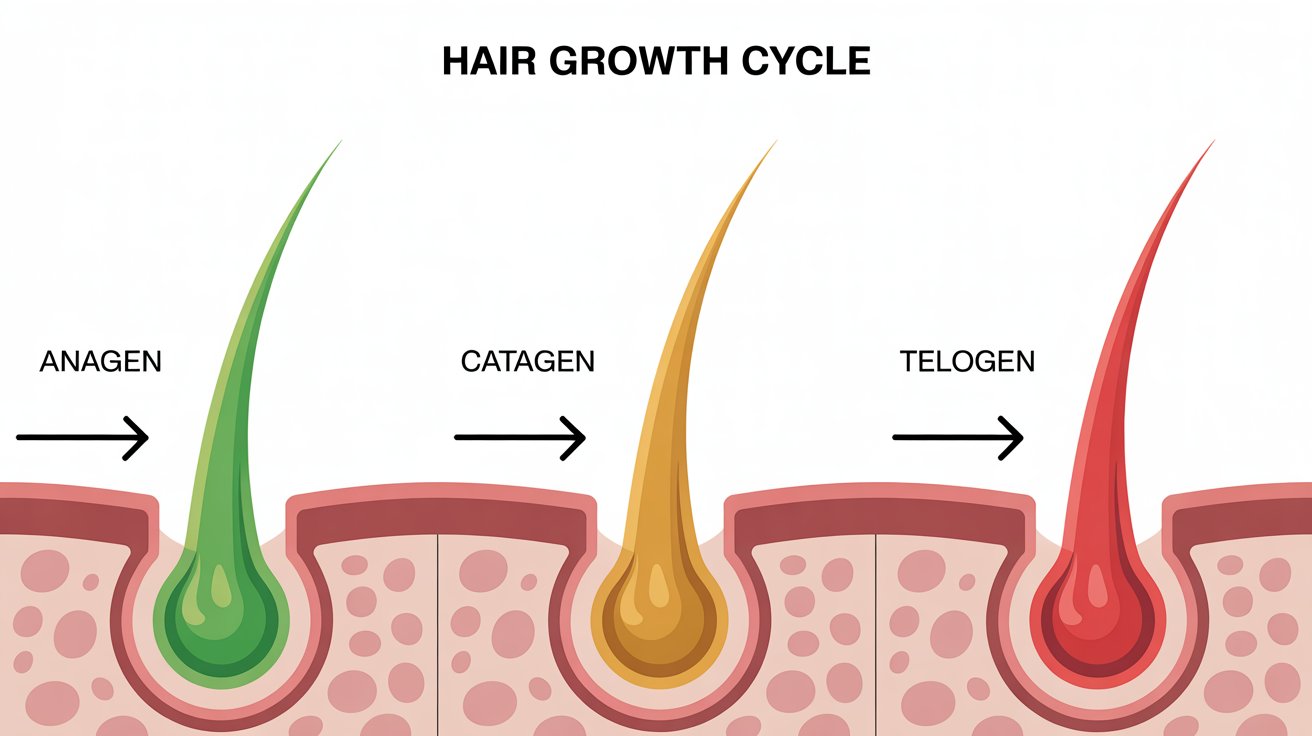
Your hair goes through three phases: anagen (growth), catagen (transition), and telogen (resting).
According to the Mayo Clinic, scalp inflammation and dryness can push hair follicles prematurely into the telogen phase.
This condition, called telogen effluvium, causes increased shedding typically 2-3 months after the scalp stress occurs.
Clinical evidence indicates that when the scalp environment is compromised, follicles may struggle to maintain the anagen phase properly.
Follicle Damage from Scratching and Inflammation
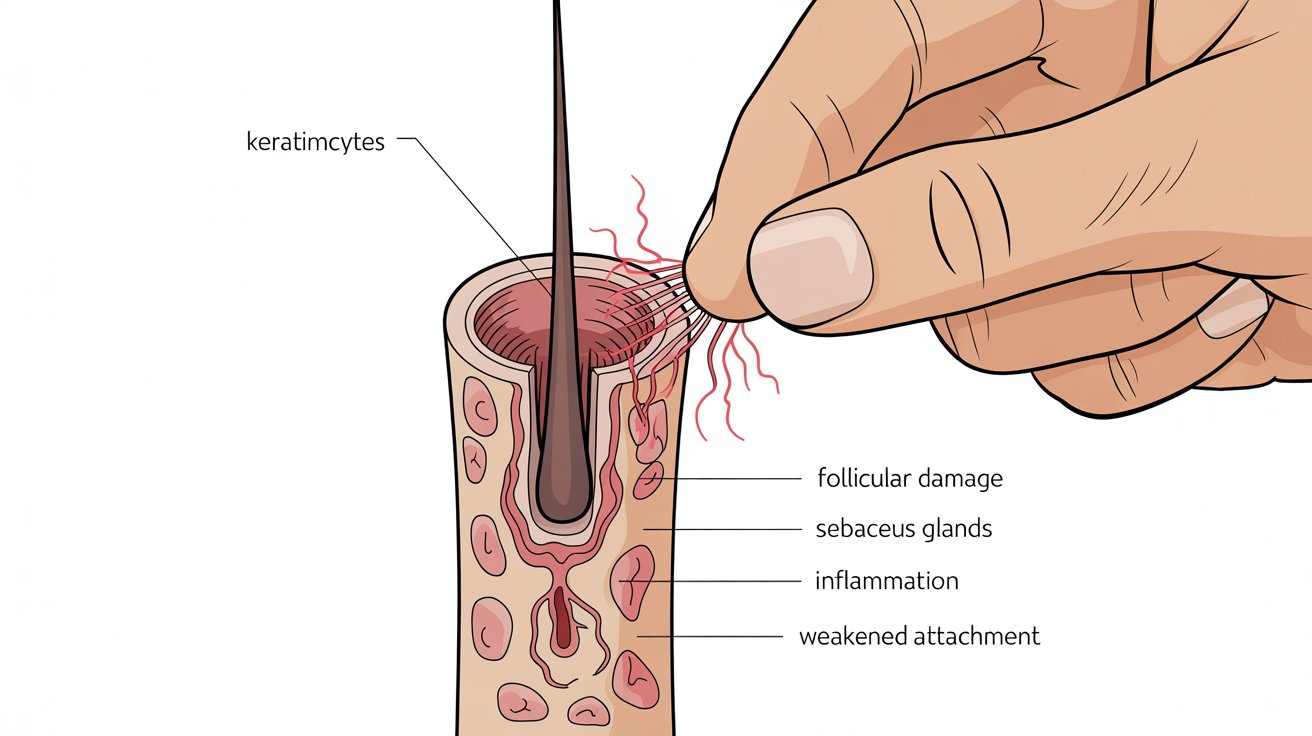
Chronic scratching creates a destructive cycle.
Research in dermatological science suggests that repeated mechanical trauma to the scalp can damage follicle structure.
This physical damage combined with inflammation weakens the hair shaft attachment point.
Scalp Barrier Dysfunction
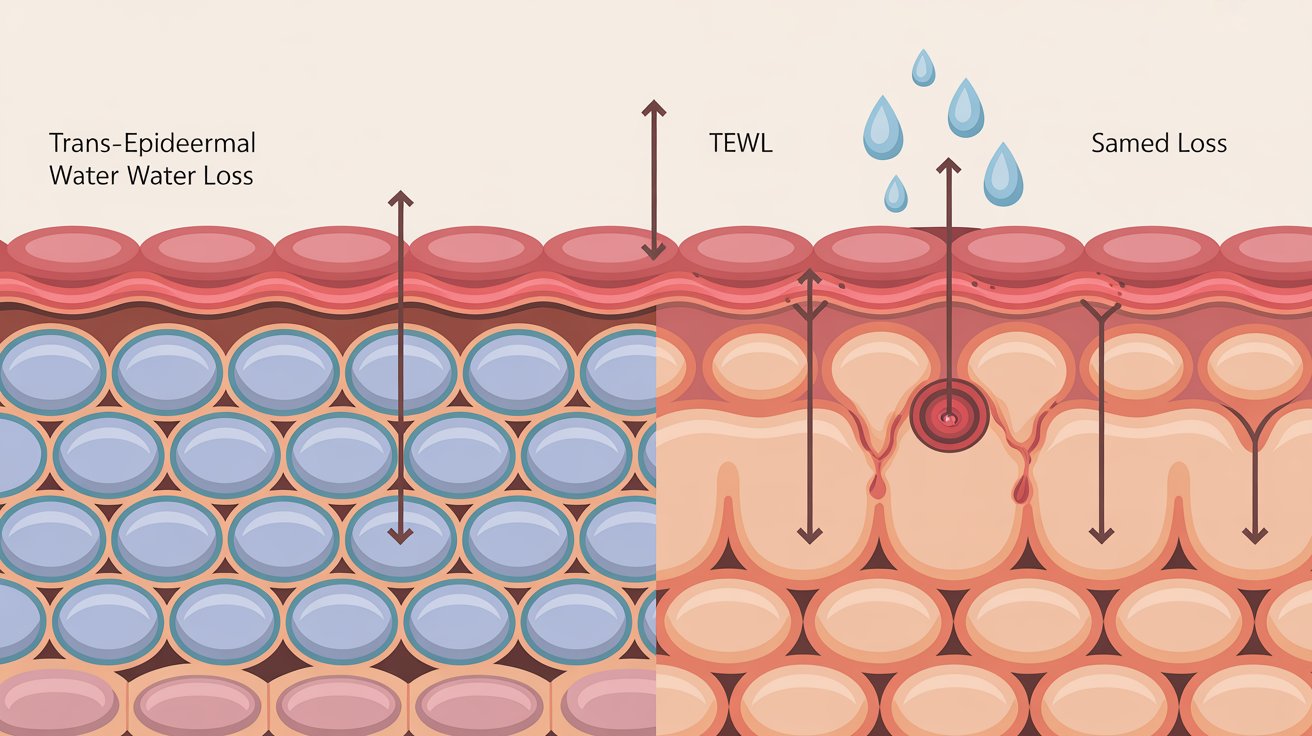
ALT TEXT: Diagram illustrating the skin’s structure, highlighting its multiple layers of cells.
Your scalp has a natural moisture barrier made of lipids and proteins.
Dermatologists explain that when this barrier is damaged, it can’t regulate water loss properly.
This leads to transepidermal water loss (TEWL), which further dries the scalp and creates a less favorable environment for hair growth.
Flaking and Follicle Obstruction
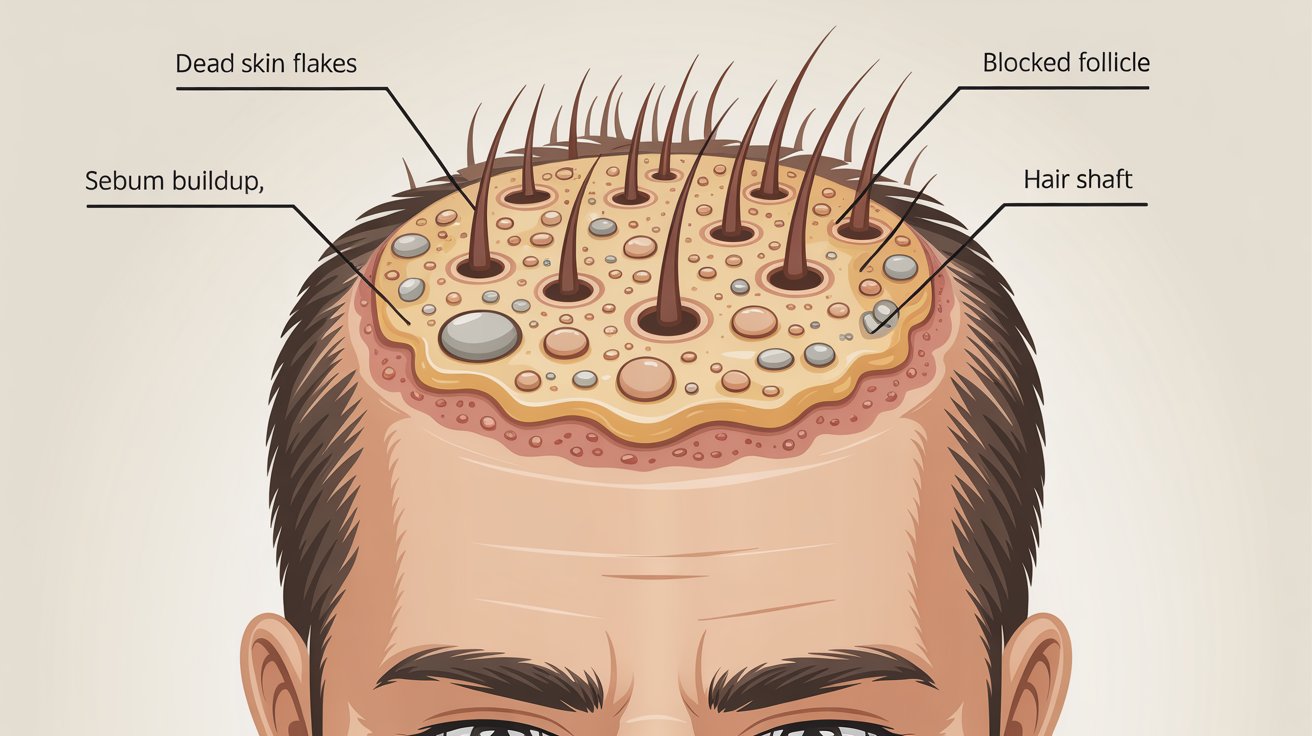
Dead skin buildup creates physical blockages.
Clinical observations indicate that excess scaling can partially obstruct hair follicle openings. This may interfere with the normal growth of new hair shafts and can trap sebum and debris.
Hair Breakage vs Hair Shedding
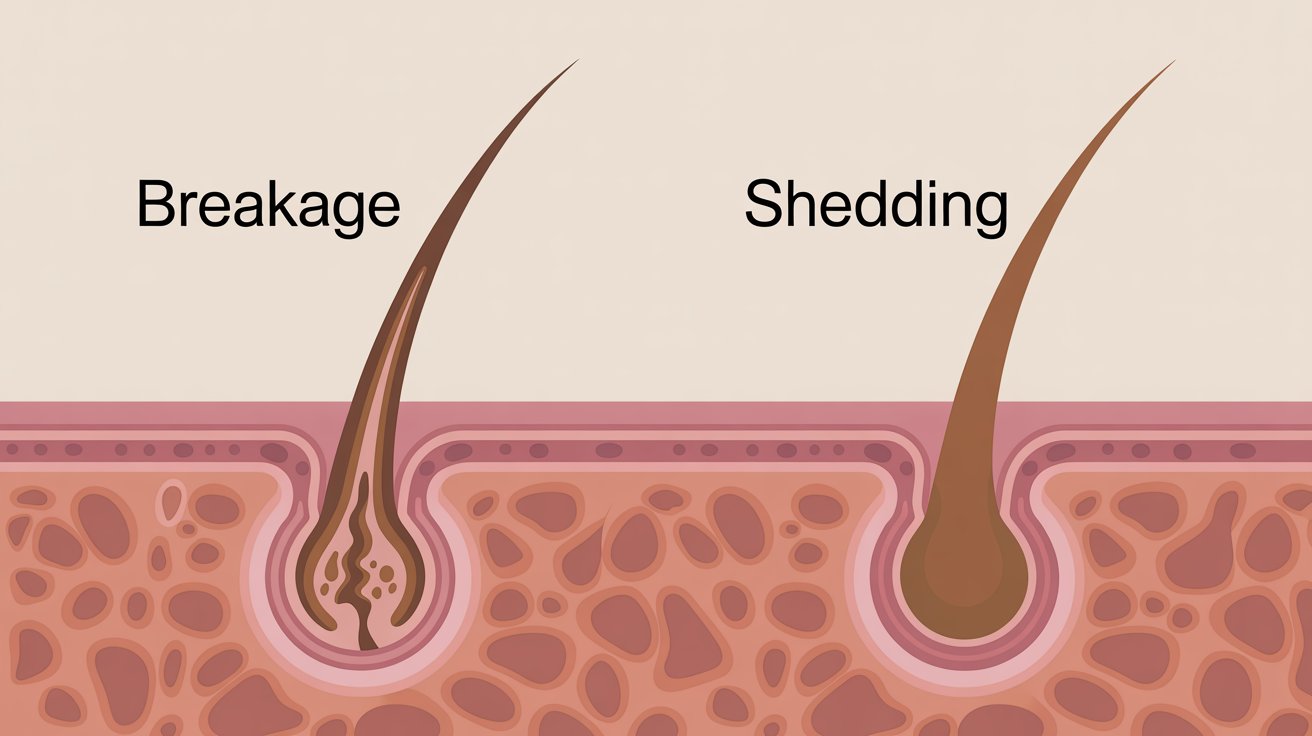
Shedding (telogen effluvium) means hair falls out from the root when follicles enter the resting phase.
Breakage occurs when the hair shaft snaps due to brittleness from lack of moisture. Dry scalp conditions can cause both types of hair loss simultaneously.
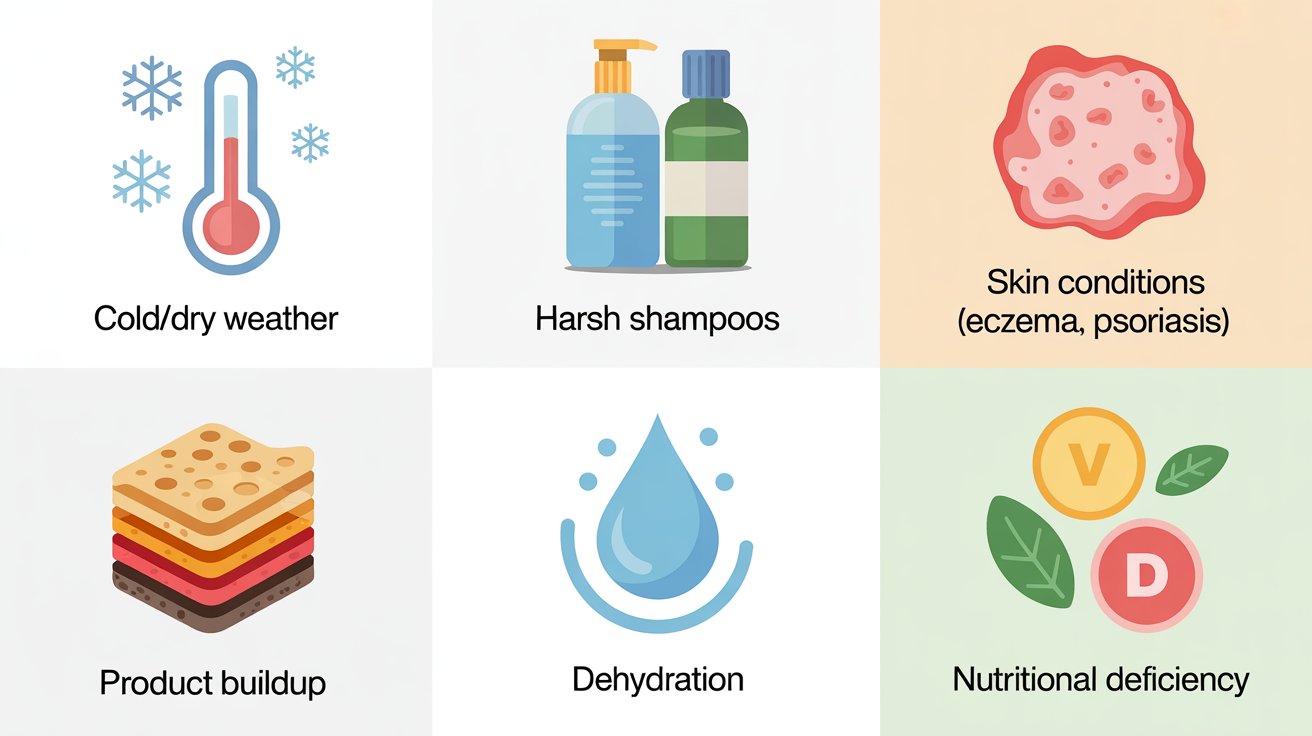
Common Causes of Dry Scalp and Hair Loss
ALT TEXT: WRONG TEXT
Identifying the trigger helps you fix the problem faster.
Weather and Environmental Factors
Cold, dry air significantly impacts scalp moisture. The American Academy of Dermatology notes that indoor heating during winter months can reduce humidity levels, which accelerates moisture loss from scalp tissue. UV exposure in summer may also damage the scalp’s protective barrier.
Overwashing or Harsh Shampoos
Frequent washing strips the scalp’s natural oils. Dermatologists often recommend washing 2-3 times weekly for most people with dry scalp concerns. Shampoos containing sulfates (sodium lauryl sulfate, sodium laureth sulfate) are particularly aggressive at removing sebum.
Skin Conditions Affecting Scalp Health
Eczema (atopic dermatitis) commonly involves the scalp. Psoriasis creates thick, scaly patches that disrupt normal follicle function. Seborrheic dermatitis causes both dryness and inflammation. These conditions require medical diagnosis and treatment.
Product Buildup and Chemical Treatments
Styling products, dry shampoos, and leave-in treatments accumulate on the scalp over time. Chemical services like bleaching and relaxing can cause direct damage to scalp skin. This buildup prevents proper moisture absorption and may irritate the skin.
Dehydration and Nutritional Deficiencies
Clinical evidence suggests that inadequate water intake may reduce skin hydration throughout the body, including the scalp. Deficiencies in omega-3 fatty acids, vitamin D, and B vitamins are associated with dry skin conditions.
Dry Scalp vs Dandruff: Key Differences
These conditions are often confused but require different treatments.
|
Feature |
Dry Scalp |
Dandruff |
|
Flakes |
Small, white, dry |
Larger, yellowish, oily |
|
Scalp feel |
Tight, dry |
Oily or greasy |
|
Cause |
Lack of moisture |
Malassezia yeast overgrowth |
|
Treatment |
Moisturizing products |
Anti-fungal shampoos |
According to the American Academy of Dermatology, using dandruff shampoo on a dry scalp can worsen the condition because these products are designed to reduce oil production.
Signs Your Hair Loss Is Caused by Dry Scalp
Watch for these patterns:
Your scalp feels tight, especially after washing. You see white flakes on your shoulders and in your hair. Your hair feels dry and brittle, not just your scalp.
You’re losing more hair than usual when you brush or shower. Your scalp is itchy and you catch yourself scratching often.
The hair loss is diffuse (all over) rather than in specific patches. When you pull gently on your hair, strands come out easily.
If you’re seeing these signs together, dry scalp is likely the culprit.
Who Is Most at Risk?
Some people are more prone to dry scalp.
People with naturally dry skin tend to have dry scalps too. If you have eczema or psoriasis, you’re at higher risk.
Older adults often deal with this because skin produces less oil with age. I’ve noticed it getting worse as I get older.
People who live in dry climates or use a lot of heat styling tools are also vulnerable. And if you wash your hair daily with hot water, you’re probably drying out your scalp.
How to Treat Dry Scalp and Stop Hair Loss
The right approach combines hydration, gentle care, and targeted treatments.
Moisturizing Scalp Treatments
Look for products containing hyaluronic acid, which can hold significant amounts of water. Ceramides help repair the scalp barrier.
Glycerin acts as a humectant to draw moisture into the skin. The American Academy of Dermatology recommends applying scalp serums containing these ingredients 2-3 times weekly.
Gentle Hair Care Routine
Use lukewarm water instead of hot water, which strips oils more aggressively. Limit washing to 2-3 times per week unless you have specific medical reasons to wash more frequently.
Choose sulfate-free shampoos labeled “for sensitive scalp” or “moisturizing formula.” Pat hair dry gently rather than rubbing vigorously.
Natural Remedies with Clinical Support
Clinical evidence suggests coconut oil may penetrate the hair shaft and reduce protein loss. Apply warm coconut oil to the scalp, massage for 5 minutes, and leave for 30 minutes before washing.
Jojoba oil closely mimics human sebum and is generally well-tolerated. Tea tree oil has antimicrobial properties. Always dilute essential oils properly before scalp application.
Medicated Shampoos and Treatments
Prescription options may be necessary for severe cases. Shampoos containing coal tar or salicylic acid help remove dead skin buildup.
Ketoconazole shampoo (2%) can address both dryness and any fungal component. Topical corticosteroids may be prescribed for significant inflammation.
Lifestyle and Diet Changes for Scalp Health
Drink adequate water daily to maintain systemic hydration. Research suggests that increased water intake may improve skin hydration.
Consume omega-3 fatty acids from fish, walnuts, and flaxseeds. Use a humidifier to maintain 40-50% relative humidity indoors. Manage stress through regular exercise.
Best Ingredients to Look for in Dry Scalp Treatments
When shopping for products, scan the ingredient list.
Hyaluronic acid holds 1000 times its weight in water. It’s perfect for hydrating dry scalps.
Glycerin is a humectant that draws moisture from the air into your skin. Ceramides repair the scalp’s moisture barrier.
Niacinamide reduces inflammation and strengthens skin. Panthenol (vitamin B5) moisturizes and soothes irritation.
Natural oils like argan, jojoba, and coconut penetrate the scalp well. Aloe vera provides immediate relief from itching.
Avoid alcohol, sulfates, and synthetic fragrances. These all dry out your scalp more.
How Long Does It Take for Hair to Grow Back After Treating Dry Scalp?
Recovery happens in stages, and patience is key.
|
Timeline |
What to Expect |
|
2-3 weeks |
Scalp condition improves, less itching and flaking |
|
3-4 weeks |
Reduced hair shedding becomes noticeable |
|
2-3 months |
New hair growth becomes visible |
|
6-12 months |
Full recovery of hair density |
Hair grows approximately 0.5 inches per month, so visible length takes time even after new growth starts.
When to See a Doctor
Seek medical evaluation if hair loss is sudden, severe, or occurs in distinct patches rather than overall thinning. This could indicate alopecia areata or other autoimmune conditions.
See a doctor if there’s no improvement after 2-3 months of proper home treatment.
Presence of pain, burning, or significant redness on the scalp requires attention. Oozing, crusting, or signs of infection like pustules need medical care.
A dermatologist can perform a scalp examination, possibly including dermoscopy, to determine the exact cause and provide targeted treatment.
How to Prevent Dry Scalp and Future Hair Loss
Reduce washing frequency to 2-3 times weekly and always use lukewarm water.
Install a humidifier to maintain indoor humidity at 40-50%. Protect your scalp from extreme weather with hats or scarves in both winter and summer.
Limit heat styling to no more than 2-3 times weekly. When using heat tools, keep temperatures below 350°F and always apply a heat protectant.
Choose gentle, pH-balanced hair products and avoid frequent product switching.
Get regular scalp massages to improve blood circulation. Clinical observations suggest that scalp massage for several minutes daily may improve hair thickness over time.
Expert Tips for Maintaining a Healthy Scalp
- Massage your scalp for 5 minutes daily. Use gentle circular motions.
- Exfoliate weekly with salicylic acid or fruit enzyme scrubs. This removes dead skin.
- Apply conditioner to hair lengths only. Keep it off your scalp.
- Change pillowcases at least weekly. Clean linens reduce bacteria exposure.
- Sleep 7-9 hours nightly. Your scalp repairs itself during rest.
- Trim hair every 8-12 weeks. This prevents split ends from traveling up.
- Drink water consistently throughout the day. Hydration starts from within.
- Eat omega-3 rich foods like salmon and walnuts. Nutrition supports follicle health.
Conclusion
The connection between dry scalp and hair loss is clear in dermatological research. Scalp dryness weakens follicles, disrupts growth cycles, and triggers shedding.
The good news is that this hair loss is typically reversible with proper treatment. Start by switching to sulfate-free shampoo and washing just 2-3 times weekly.
Apply hydrating scalp serums with ceramides or hyaluronic acid. Use a humidifier and protect your scalp from harsh weather.
If symptoms persist after 8-12 weeks, see a dermatologist for evaluation. Your scalp health directly impacts your hair health, so take action today.
Ready to stop the shedding and regrow your hair?
Frequently Asked Questions
Can a dry scalp cause permanent hair loss?
No, dry scalp causes temporary hair loss that usually regrows once the scalp condition is treated.
How often should I wash my hair if I have a dry scalp?
Wash 2-3 times per week with sulfate-free shampoo and lukewarm water to avoid stripping natural oils.
Is dry scalp the same as dandruff?
No, dry scalp produces small white flakes from lack of moisture while dandruff produces larger oily flakes from yeast overgrowth.
Can diet really help with dry scalp and hair loss?
Yes, omega-3 fatty acids, adequate hydration, and vitamins A, C, and E support healthy scalp barrier function.
Should I use oil treatments for dry scalp?
Yes, coconut, jojoba, and argan oils are recommended by dermatologists to moisturize dry scalp effectively.