Can You Over Cure Gel Polish? Let’s Save Your Manicure

Ever stared at your freshly done nails and wondered, “Did I just overcure them?”
I totally get it, I’ve been there too, and it can be so tricky to figure out the right curing time.
In this guide, I’ll walk you through everything you need to know about overcured gel polish, from spotting the signs to preventing common mistakes.
You’ll learn how to keep your nails strong, flexible, and flawless every time.
I’ve spent years perfecting gel techniques, so you can trust these tips to help you get salon-quality results at home or in your nail routine.
Let’s get started.
What Is Proper Curing Time for Gel Polish?
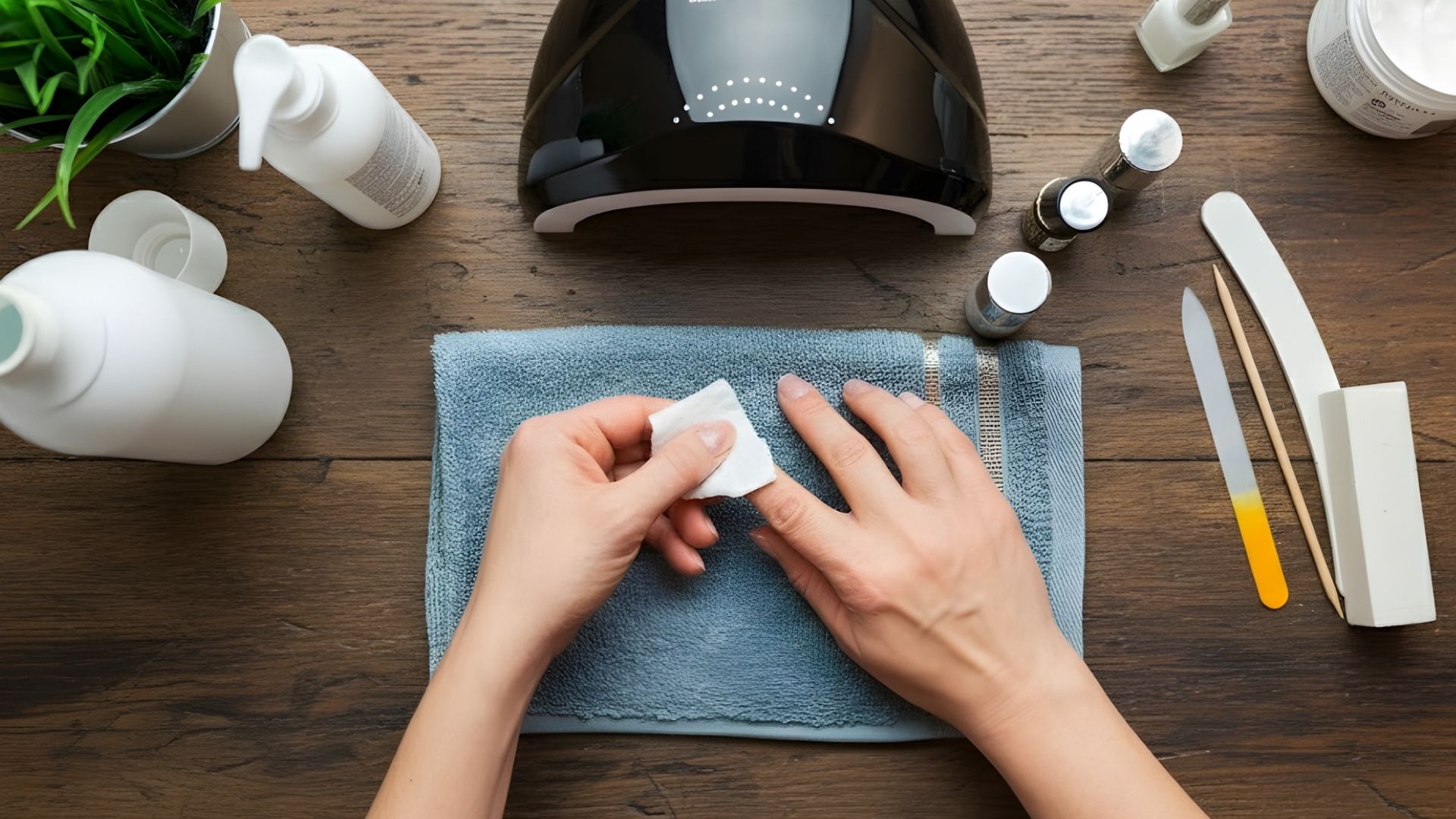
Curing is the process that hardens gel polish under a UV or LED lamp through a chemical reaction.
For gel to cure correctly, it needs the right amount of light exposure. Too little light leads to under-curing, while more time than needed offers no added benefit.
Most gel polishes cure within standard time ranges. Under an LED lamp, curing usually takes 30 to 60 seconds per layer, depending on the formula and lamp strength.
With a UV lamp, curing time is typically around 2 minutes per layer, though brand instructions may vary.
Sticking to these ranges helps ensure the gel is fully cured without unnecessary exposure.
What Does “Overcured” Mean in Gel Polish?
Gel polish does not dry in the air. It cures under a UV or LED lamp. Drying is evaporation, while curing is a chemical reaction that hardens the gel through light exposure.
When gel polish is placed under a lamp, UV or LED light activates photoinitiators in the formula.
This starts polymerization, which turns the liquid gel into a solid layer. Once this reaction is complete, the gel is fully cured and does not continue to harden with more time under the lamp.
The term “overcured” is often misunderstood. Gel polish cannot keep curing forever. Extra light exposure does not improve the gel.
Instead, it can affect flexibility, color, comfort during curing, or removal.
In simple terms, overcured gel means the polish was exposed to more light than needed, not that it continued curing endlessly.
Can Gel Polish Actually Be Overcured?
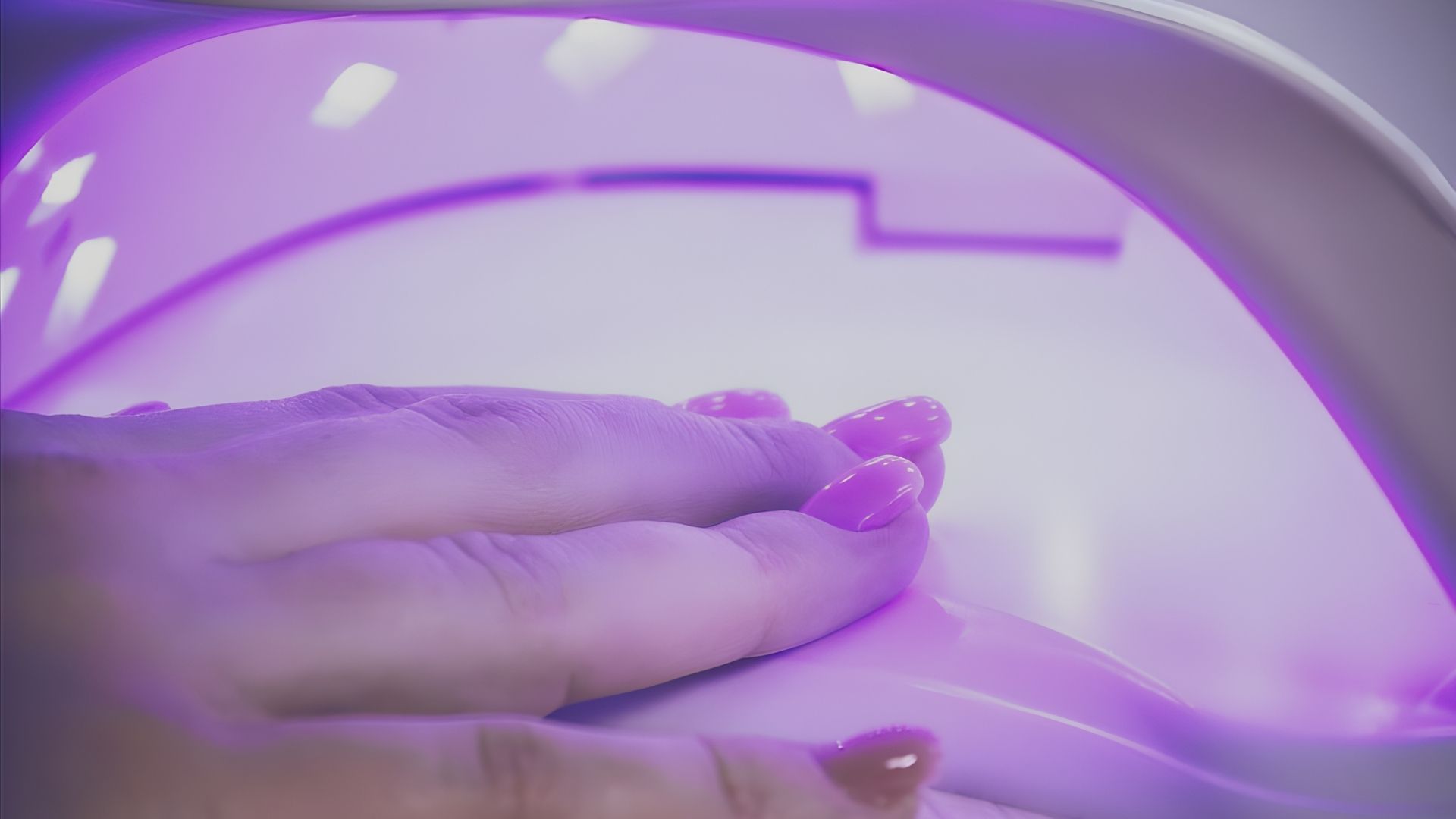
Yes, gel polish can be exposed to too much UV or LED light, but this is uncommon. Most gel problems come from under-curing, not overcuring.
When overcuring does happen, it is usually due to lamp mismatch, not extra seconds in the lamp.
A lamp that is too strong for a gel formula can deliver more energy than the product needs, even at normal cure times.
What Happens When Gel Is Exposed Too Long:
After gel is fully cured, more light does not help. Excess exposure can stress the cured gel and reduce flexibility.
This can cause surface changes such as dullness, slight yellowing in light colors, and earlier chipping.
Signs Your Gel Polish May Be Overcured
Overcured gel polish often looks fine at first, but small changes can appear over time. These signs usually affect how the manicure wears and removes, not nail health.
- Yellowing or color shift: Light shades, especially whites and nudes, may turn slightly yellow or lose brightness.
- Brittle or cracking gel: The gel may feel stiff and chip or crack instead of flexing with the nail.
- Heat spikes or burning during curing: Excess light energy can cause sudden heat, leading to discomfort under the lamp.
- Hard-to-remove or uneven soak-off: Overexposed gel can resist acetone and break down unevenly during removal.
- Premature chipping despite proper prep: Loss of flexibility can cause the gel to chip earlier than expected.
What Causes Gel Polish to Be Overcured?
Overcuring is usually caused by lamp choice or application habits, not by curing a few seconds too long.
- Using a lamp that’s too powerful: Some gel formulas are not designed for high-watt LED lamps. Excess light energy can stress the gel even at normal cure times.
- Excessive or repeated curing cycles: Re-curing already cured layers or double-curing top coats adds unnecessary exposure and heat without improving durability.
- Incorrect layer thickness: Thick gel layers hold more heat during curing. This increases stress in the cured gel and raises the chance of heat spikes and stiffness.
- Accidental UV overexposure (rare): Normal sunlight has little effect on cured gel. Prolonged or intense exposure is uncommon and rarely the cause.
Overcured vs. Under-Cured Gel Polish
Overcured and under-cured gel polish can look similar at first, but they behave very differently.
Understanding the difference helps fix the problem correctly and avoid nail damage.
|
Feature |
Overcured Gel Polish |
Under-Cured Gel Polish |
|
Texture |
Fully hardened |
Soft, gummy, or flexible |
|
Surface Feel |
Smooth but stiff |
Sticky, dentable, or moving |
|
Main Issue Type |
Cosmetic issue |
Potential health risk |
|
Comfort During Wear |
Generally comfortable |
Burning, itching, or irritation possible |
|
Odor |
No strong chemical smell |
Strong uncured gel odor |
|
Nail Safety |
Safe but may wear poorly |
Can cause skin reactions or allergies |
|
Removal |
Harder to soak off evenly |
Smears or clogs file during removal |
How to Prevent and Handle Overcured Gel Polish
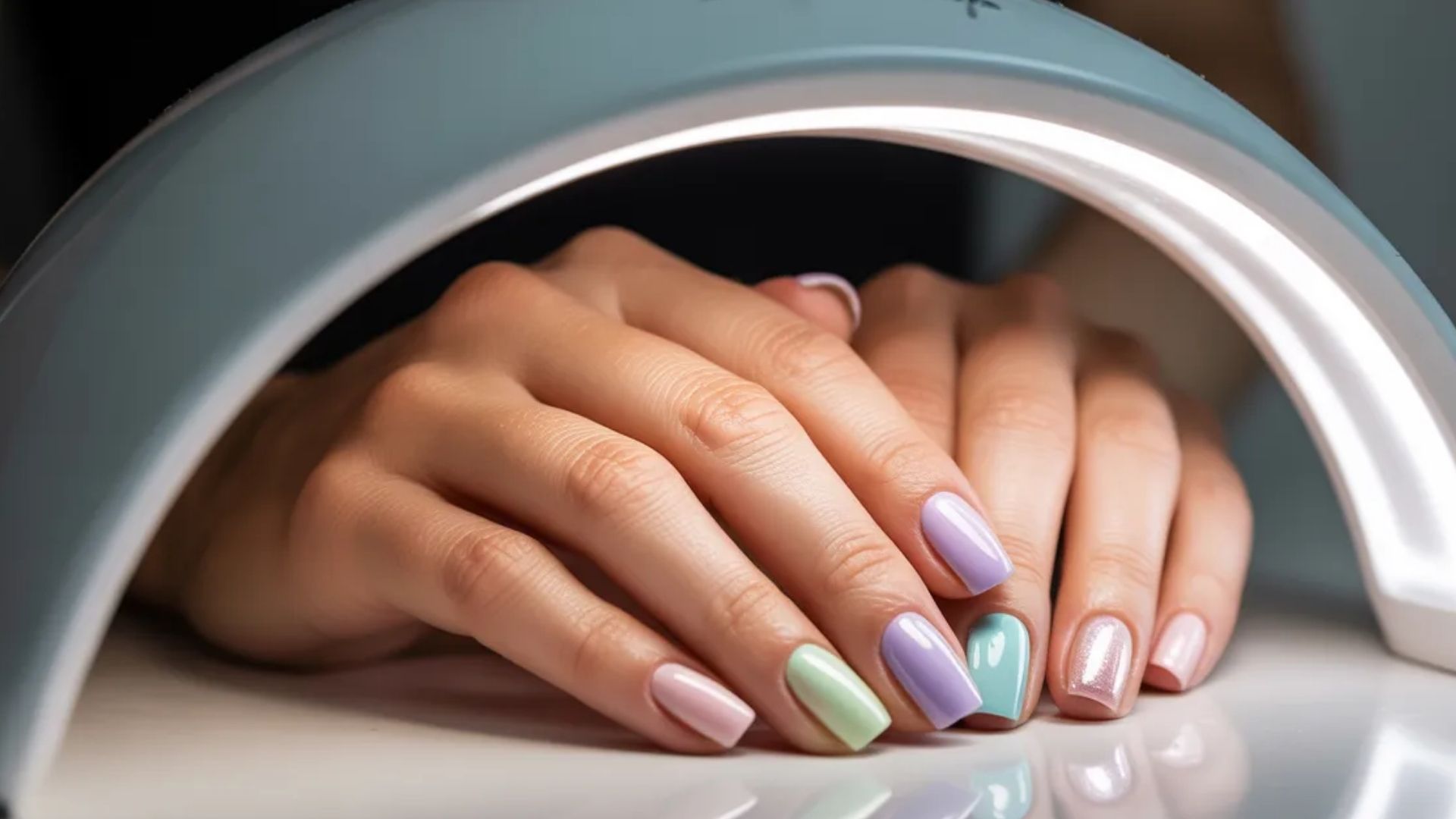
Overcuring gel polish can be avoided with the right techniques, and even if it happens, it can be managed safely. Following simple steps helps protect the gel and keep nails healthy.
- Follow the curing instructions provided by the gel brand
- Apply thin, even layers of gel polish
- Use a lamp that is compatible with the gel system
- Avoid curing layers more times than needed
- Replace old or inconsistent lamps
- For overcured gel, use proper soaking techniques instead of aggressive filing
- Stop filing when the gel softens during soaking to protect the nail
- Remove and reapply completely if needed for a smooth, flexible manicure
Other Common Gel Nail Curing Mistakes
Many gel nail problems are caused by mistakes during application or curing rather than overcuring.
Knowing these common errors helps prevent issues and keeps nails strong and long-lasting.
- Thick application:
- Old or weak lamps:
- Incorrect hand placement:
- Rushing cure times:
- Misunderstanding the sticky inhibition layer:
Applying gel too thickly can prevent light from reaching the lower layers. This leaves the base under-cured, even if the surface looks hard.
Lamps lose power over time, which can result in uneven or incomplete curing. Using an old or inconsistent lamp may leave some layers soft, making the gel more likely to lift or peel early.
If nails are angled incorrectly or not fully under the lamp, some areas may not receive enough light. This can cause uneven curing, with soft spots on certain nails or edges.
Shortening the recommended curing time to save a few seconds often leaves the gel tacky or partially uncured. This can lead to peeling, dents, or smudging when the manicure is finished.
The tacky layer on cured gel is normal and protects the gel’s surface. Mistaking it for under-curing may lead to unnecessary over-filing or extra curing, which can damage the nail.
Quick Debunk of Overcured Gel Myths
Many people have misconceptions about overcured gel, which can lead to mistakes or unnecessary worry.
The table below clarifies the myths and shows the correct facts.
|
Myth |
Reality |
|
Gel keeps curing forever |
Once fully cured, the chemical reaction stops. Extra time under the lamp does nothing. |
|
Overcuring makes gel last longer |
Excess light can make the gel stiff and prone to chipping. |
|
Sticky layer means under-curing |
The tacky layer is normal and protects the polish. It does not indicate under-curing. |
|
Longer lamp time fixes curing issues |
Extra curing time cannot fix thick layers, wrong lamp type, or poor application. Proper technique is required. |
Final Thoughts
I’ve shared everything you need to know about overcured gel polish, from spotting the signs to preventing it in your own manicure.
Now you know how proper curing, the right lamp, and careful layers keep your nails strong, flexible, and flawless.
With these tips, you can feel confident every time you do your gel nails and avoid common mistakes that many beginners make.
Try adjusting your curing routine today and see how much smoother and longer-lasting your gel nails can look, you’ll notice the difference instantly!
Frequently Asked Questions
Can Overcured Gel Damage Natural Nails?
Overcured gel rarely damages nails directly. It can make the gel stiff and harder to remove, which may increase the risk of nail thinning or damage during filing or soak-off.
Can Builder Gel Be Overcured?
Yes, builder gel can be overcured. Like regular gel polish, exposing it to too much UV or LED light can make it brittle, stiff, and harder to remove, but it does not continue curing beyond its chemical reaction.
Can Gel Polish Be Cured Too Long?
Technically, yes, but fully cured gel does not keep hardening. Excessive light can stress the polish, reduce flexibility, cause dullness, or make removal more difficult, but it won’t make the gel stronger.
Does Curing Gel Longer Make It Harder?
Once gel is fully cured, additional exposure does not increase hardness. Extra curing can make it brittle, but it does not improve durability or thickness.
Is Burning Under a Lamp a Sign of Overcuring?
A heat or burning sensation can happen when curing thick layers, using high-watt lamps, or double-curing. It may indicate stress on the gel, but not necessarily harmful overcuring.