Can You Tan in UV 4? Safe Tanning Times, Benefits & Risks


Most people check the weather before heading outside. But very few check the UV index.
If you have ever come back from a sunny afternoon with more color than you expected, UV 4 was likely doing its job.
UV index 4 is moderate. It is not the strongest level, but it is strong enough to tan your skin and cause damage if you are not careful. Fair skin can start reacting in as little as 10 minutes.
This blog breaks down exactly what UV 4 does to your skin, how long you can safely stay outside, and what you need to know before your next sunny day out.
Can You Tan in UV 4?
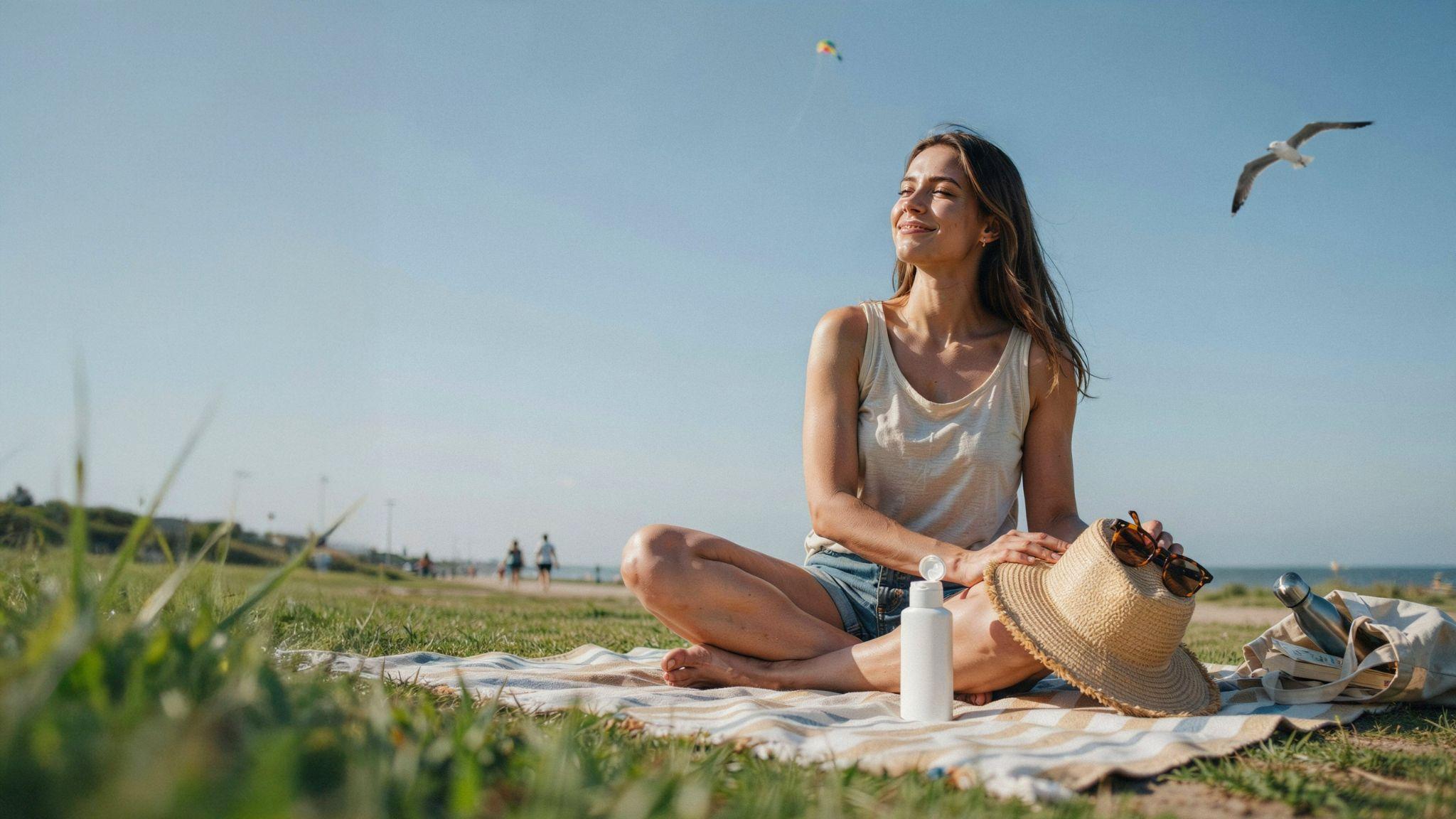
Yes, UV index 4 is strong enough to tan your skin. It falls in the moderate range, meaning the sun has enough intensity to trigger melanin production in your skin.
When UV rays hit your skin, melanin increases to protect deeper layers from damage. This process leads to a visible tan over time.
Fair-skinned people may notice color change within 30 to 60 minutes. Darker skin tones take longer but still respond to UV 4 exposure.
Understanding UV Index 4

The UV index measures how strong the sun's ultraviolet radiation is at a given time. It runs on a scale from 1 to 11+, with higher numbers meaning stronger radiation.
UV 4 sits in the moderate range on this scale. It is not as intense as peak summer levels but still carries enough strength to affect your skin.
At this level, unprotected skin can burn or tan, especially during midday hours when the sun is at its highest point.
Is UV 4 a Good UV Index for Tanning?
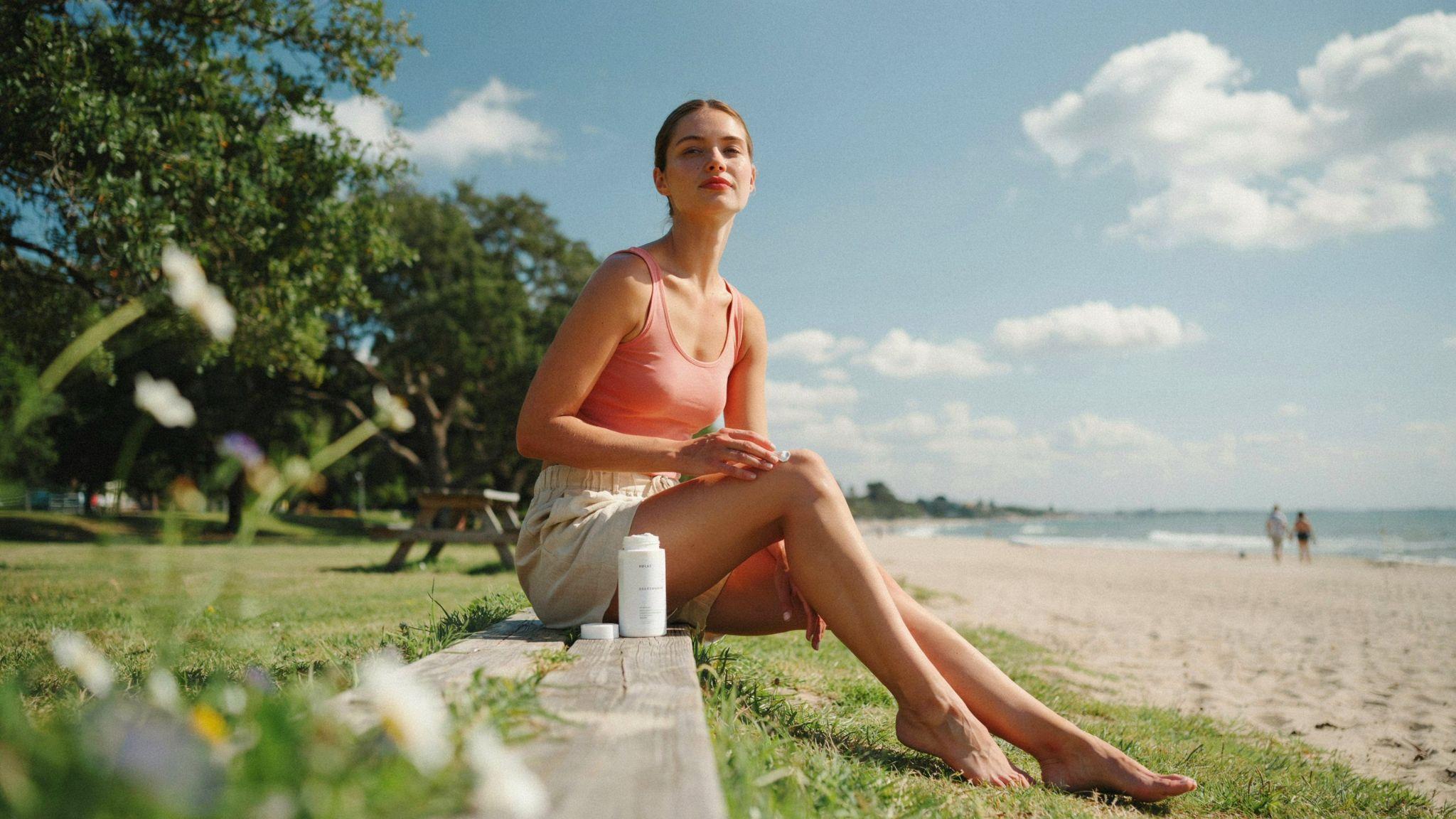
UV 4 is a moderate sun level that can give you a gradual tan. Managing your time outside and protecting your skin makes all the difference.
Why Many People Prefer UV 4 for Gradual Tanning
UV 4 gives your skin enough sun exposure to build color slowly without burning quickly. It is a manageable level for people who want a light tan without putting their skin under too much stress.
UV 4 vs. UV 3 for Tanning
UV 3 is slightly weaker, so tanning takes longer and results are less noticeable. UV 4 moves faster in producing color, making it a more practical choice for tanning on an average sunny day.
UV 4 vs. UV 5–6: Tanning Speed vs. Skin Protection
UV 5 and 6 tan the skin faster but also raise the risk of burns and skin damage significantly. UV 4 offers a middle ground where tanning is still possible while keeping the risk at a lower level.
How Long Does It Take to Tan in UV 4?

Tanning time at UV 4 varies from person to person based on skin type. Some people see color within 30 minutes while others need a few hours of repeated exposure.
Estimated Tanning Times by Skin Type
Your skin type plays the biggest role in how quickly you tan at UV 4. The Fitzpatrick scale helps estimate safe exposure times based on your natural skin tone.
- Fitzpatrick Type I (Very Fair Skin): This skin type burns very easily and rarely tans. Even at UV 4, limit exposure to 10 to 15 minutes and always apply sunscreen.
- Fitzpatrick Type II (Fair Skin): Fair skin can tan slightly but burns fast. Keep exposure under 20 minutes at UV 4 and reapply sunscreen regularly.
- Fitzpatrick Type III (Medium Skin): Medium skin tones tan more reliably and burn less quickly. Around 20 to 30 minutes at UV 4 can produce a noticeable tan over time.
- Fitzpatrick Type IV (Olive Skin): Olive skin tans well and has more natural protection. Exposure of 30 to 40 minutes at UV 4 is generally manageable without immediate burning.
- Fitzpatrick Type V (Brown Skin): Brown skin has higher melanin levels and handles UV 4 better. Tanning is gradual and burning is less likely, even with 40 to 60 minutes of exposure.
- Fitzpatrick Type VI (Dark Brown to Black Skin): This skin type rarely burns but can still experience UV damage over time. Tanning is slow and visible change may take several sessions of exposure.
Factors That Influence Tanning Time
Several outside factors change how quickly UV 4 affects your skin. Even the same UV index reading can feel stronger or weaker depending on conditions around you.
- Time of Day: UV rays are strongest between 10 AM and 2 PM. Tanning during this window at UV 4 means faster results but also a higher chance of skin damage.
- Geographic Location: People closer to the equator receive stronger UV radiation even at the same index level. Your location affects how intensely UV 4 hits your skin.
- Altitude: UV radiation increases with altitude. At higher elevations, UV 4 can feel more intense, meaning your skin reacts faster than it would at sea level.
- Cloud Cover and Weather Conditions: Clouds reduce UV exposure but do not block it completely. On a partly cloudy day, UV 4 can still reach your skin and cause tanning or burning.
Can You Tan in UV 4 Without Burning?

Yes, you can tan at UV 4 without burning, but it depends on your skin type and how long you stay in the sun. Fair skin burns faster and needs more protection.
Darker skin tones handle this level better. Watch for redness, warmth, or tightness as early signs of overexposure.
To lower your burn risk, apply SPF 30 or higher, stay in the shade during peak hours, and limit your time outside to short, manageable sessions.
Can You Tan in UV 4 While Wearing Sunscreen?
Yes, you can still tan at UV 4 while wearing sunscreen. Sunscreen slows down UV absorption but does not block it completely.
SPF 30 filters out about 97% of UVB rays, leaving a small amount that can still trigger melanin production over time. SPF 50 offers slightly more coverage but works the same way.
Tanning just takes longer. Sunscreen matters at UV 4 because even moderate UV levels cause skin damage that builds up over repeated exposure.
What Factors Affect Tanning Results in UV 4?
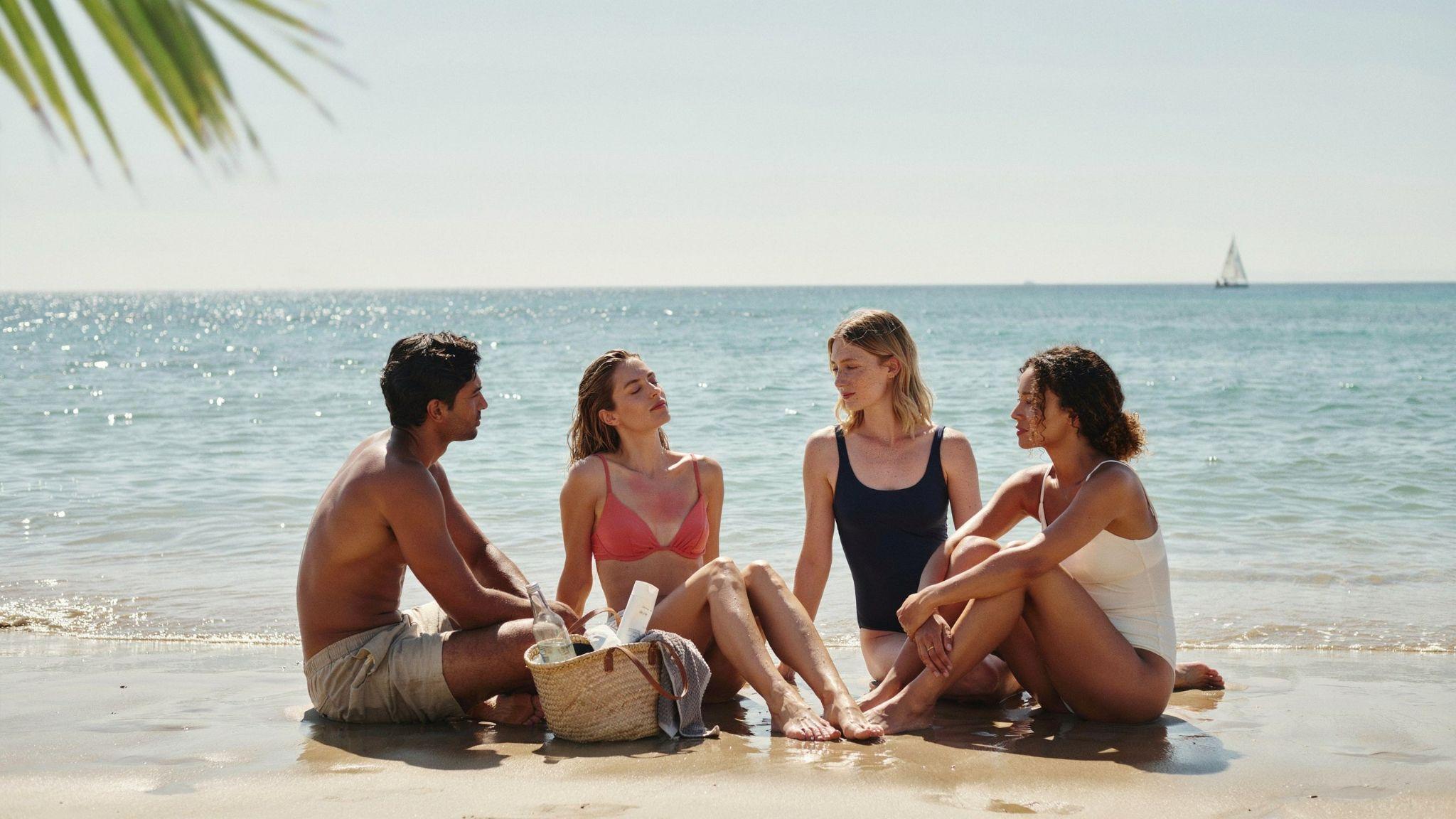
Tanning results at UV 4 are not the same for everyone. Several personal and environmental factors decide how much color you build and how fast it shows.
Natural Skin Tone and Melanin Levels
Skin tone is the biggest factor in tanning results. People with more melanin tan faster and burn less. Fair-skinned people produce melanin slowly, so color takes longer to appear.
Duration of Sun Exposure
The longer you stay in the sun, the more melanin your skin produces. Short sessions build color gradually. Staying out too long at UV 4 raises burn risk without speeding up your tan in any meaningful way.
Reflection From Water, Sand, and Snow
Water, sand, and snow reflect UV rays back onto your skin, increasing total exposure. At UV 4, spending time near these surfaces means your skin absorbs more radiation than the index number alone suggests.
Existing Base Tan and Skin Condition
A base tan helps new color develop faster and offers minimal natural protection. Dry or damaged skin may tan unevenly and is more likely to peel after sun exposure.
Risks of Tanning in UV 4
- UV 4 carries enough strength to cause sunburn, especially in fair-skinned people who stay outside without protection during peak hours.
- Repeated UV 4 exposure breaks down collagen in the skin over time, leading to fine lines, wrinkles, and a loss of firmness at an earlier age.
- UV rays at this level can trigger uneven melanin distribution, causing dark spots and patches that are difficult to fade without treatment.
- Long-term and unprotected exposure to UV 4 gradually increases the risk of developing skin cancer, including melanoma, over many years.
- Skin damage from UV 4 adds up with every session, even when burns do not occur, making daily sun protection a necessary habit.
Conclusion
UV 4 is moderate, but it still affects your skin more than most people realize.
Tanning at this level is possible, but how your skin responds depends on your skin type, time spent outside, and whether you use protection.
Start with short sessions. Use SPF 30 or higher. Pay attention to how your skin feels.
Small habits make a big difference over time. If you found this helpful, share it with someone who spends a lot of time outdoors. Your skin will thank you later.
Frequently Asked Questions
Does UV 4 tan your skin?
Yes, UV 4 is strong enough to trigger melanin production and cause a visible tan. The time it takes depends on your skin type and how long you stay outside.
How long should you stay in the sun at UV 4?
Safe exposure times range from 10 minutes for very fair skin to over an hour for darker skin tones. Always apply sunscreen and watch for early signs of redness or irritation.
Can you get sunburned at UV 4?
Yes, sunburn is possible at UV 4, especially for fair-skinned people without sun protection. Even moderate UV levels cause skin damage when exposure time is not managed carefully.
Does sunscreen stop tanning at UV 4?
Sunscreen slows down tanning but does not stop it completely. SPF 30 and SPF 50 still allow a small amount of UV rays through, which can gradually build a tan over time.
Is UV 4 safe for daily sun exposure?
Short and protected exposure at UV 4 is generally manageable for most skin types. However, repeated unprotected sessions over time increase the risk of skin damage and long-term health concerns.