Color Stages of a Scar Timeline: How Healing Progresses

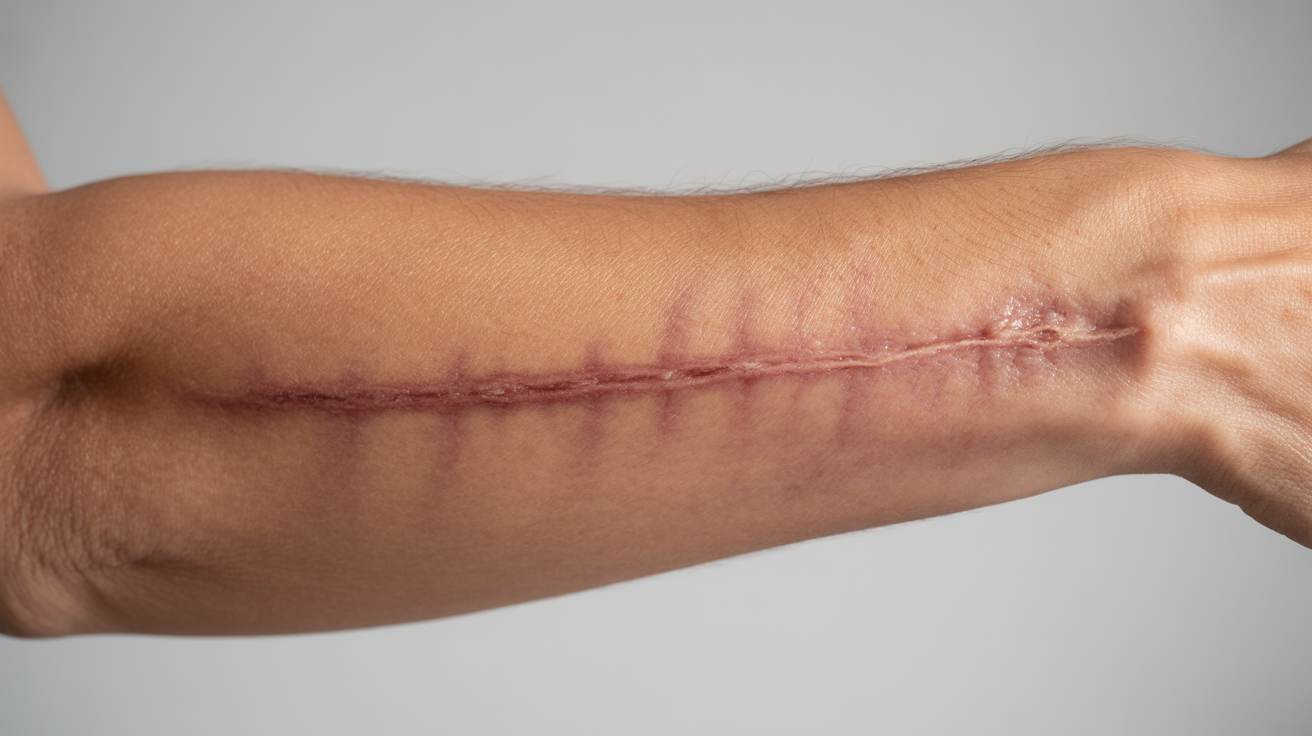
I remember staring at a fresh scar on my arm, watching it shift from angry red to dark purple over just a few days.
Was this normal? Should I be worried?
If you’re here, you’re probably wondering the same thing about your own scar.
Here’s the truth: scars change color as they heal, and it’s completely natural. Your body goes through specific stages, each with its own telltale hue.
In this post, I’ll walk you through each color stage, explain why these changes happen, and show you what to expect.
Let’s get into it.
What Are the Color Stages of a Scar?
Your scar will go through three main phases before it settles into its final appearance. Each stage has distinct color characteristics that tell you what’s happening beneath your skin.
Stage 1: Inflammation Phase (Red to Reddish-Purple)
This is where healing begins.
Timeline: First few days up to about two weeks.
Your blood rushes to the wound site. White blood cells flood the area to fight bacteria and clean up damaged tissue. You’ll see a scab form as your body seals the injury.
The color?
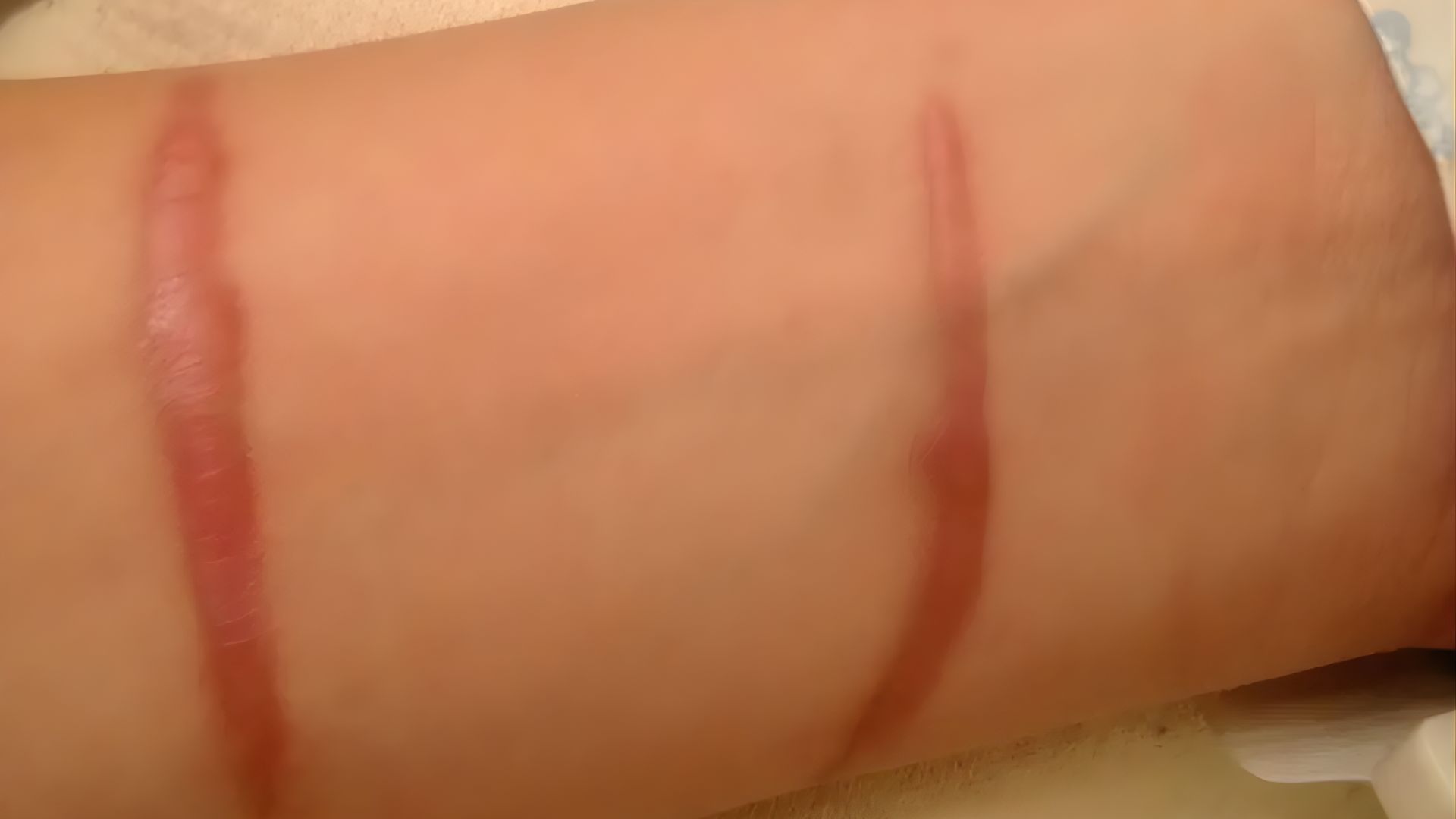
Bright red or reddish-purple. Sometimes almost burgundy, especially for deep injuries.
You’ll notice warmth, swelling, and tenderness. This intense color comes from extra blood flow delivering oxygen and nutrients to kickstart healing.
Stage 2: Proliferation Phase (Red to Pink)
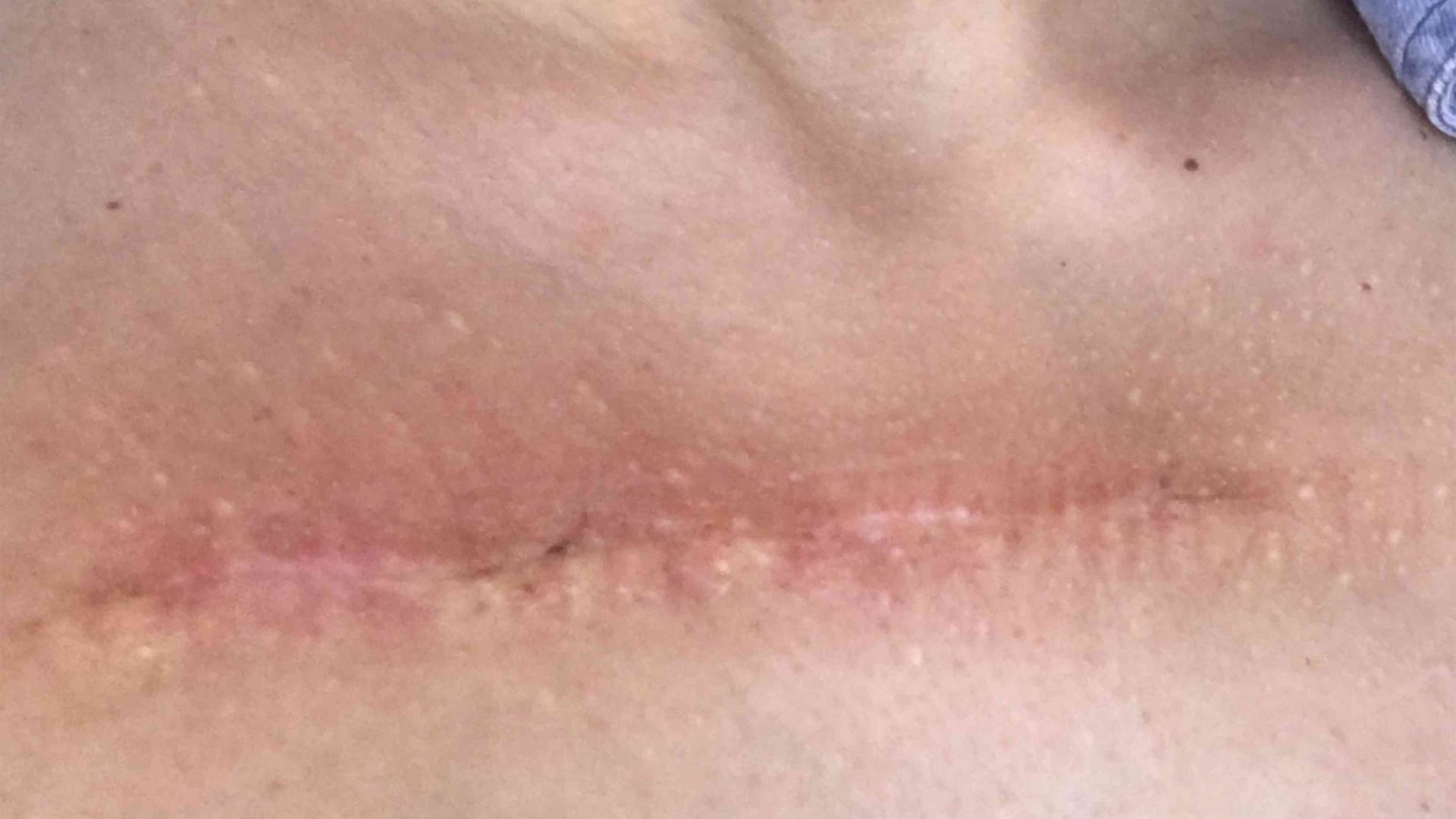
Now your body shifts from cleanup to rebuild mode.
Timeline: Two weeks to several months after injury.
Your skin makes new tissue. Fresh blood vessels form to support healing. The wound edges pull together and close properly.
The scar stays red or pink and might look raised or bumpy. That’s your body laying down collagen fibers to fill the gap. The texture feels firm and slightly elevated.
This stage can last months. Don’t panic if your scar stays pink, that’s normal.
Stage 3: Remodeling Phase (Fading to Natural Skin Tone)
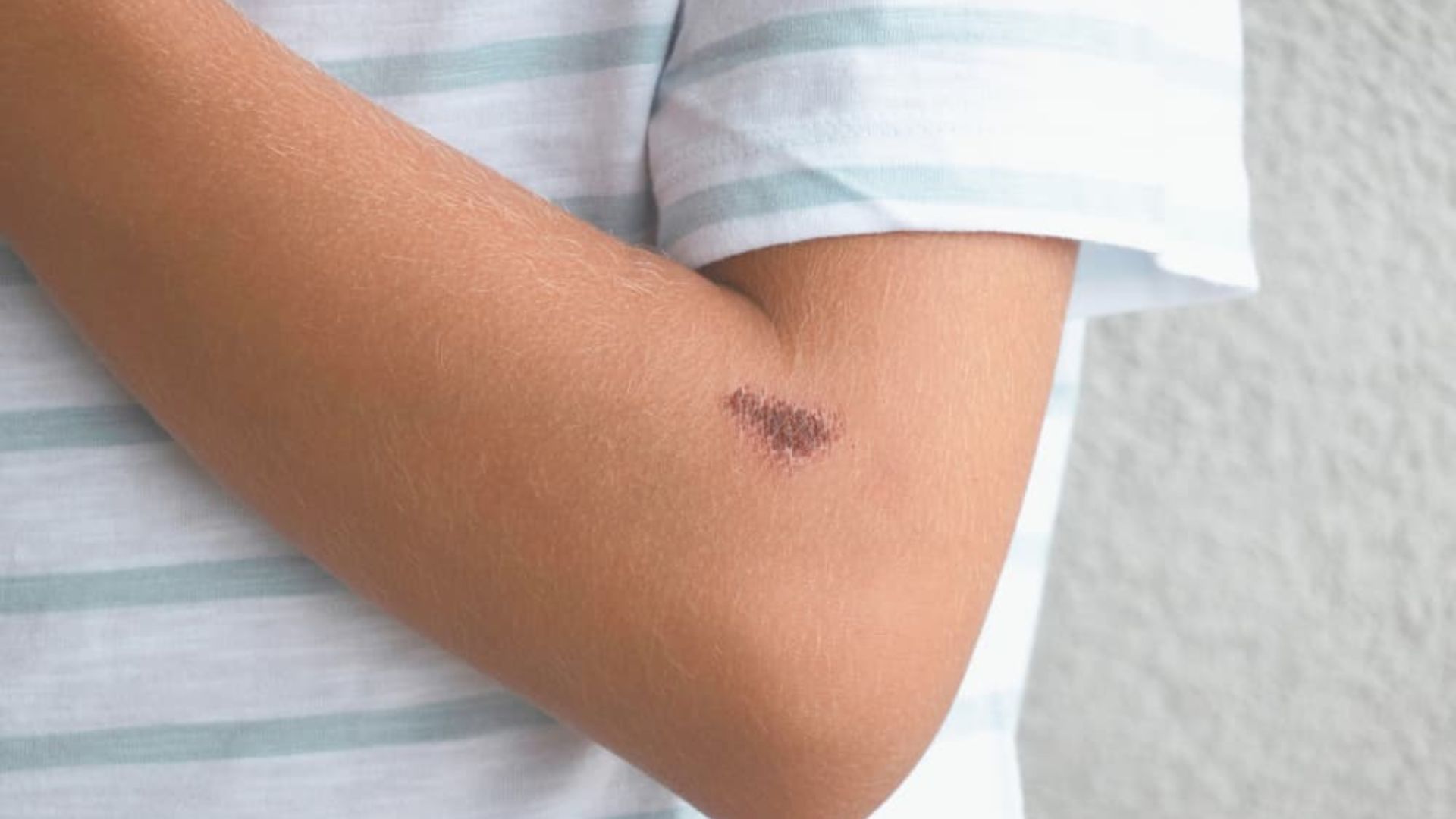
This is the final stretch.
Timeline: Several months to one or two years (sometimes longer).
The collagen fibers reorganize and line up more neatly, making the scar smoother. The tissue matures and softens.
The redness gradually fades. Your scar might end up slightly lighter or darker than surrounding skin, but it becomes much less noticeable. The raised texture disappears, and the color difference becomes subtle.
Factors That Affect Scar Color
Not all scars heal the same way. Several factors influence how your scar looks and what color stages of a scar you’ll experience.
Melanin and Skin Pigmentation
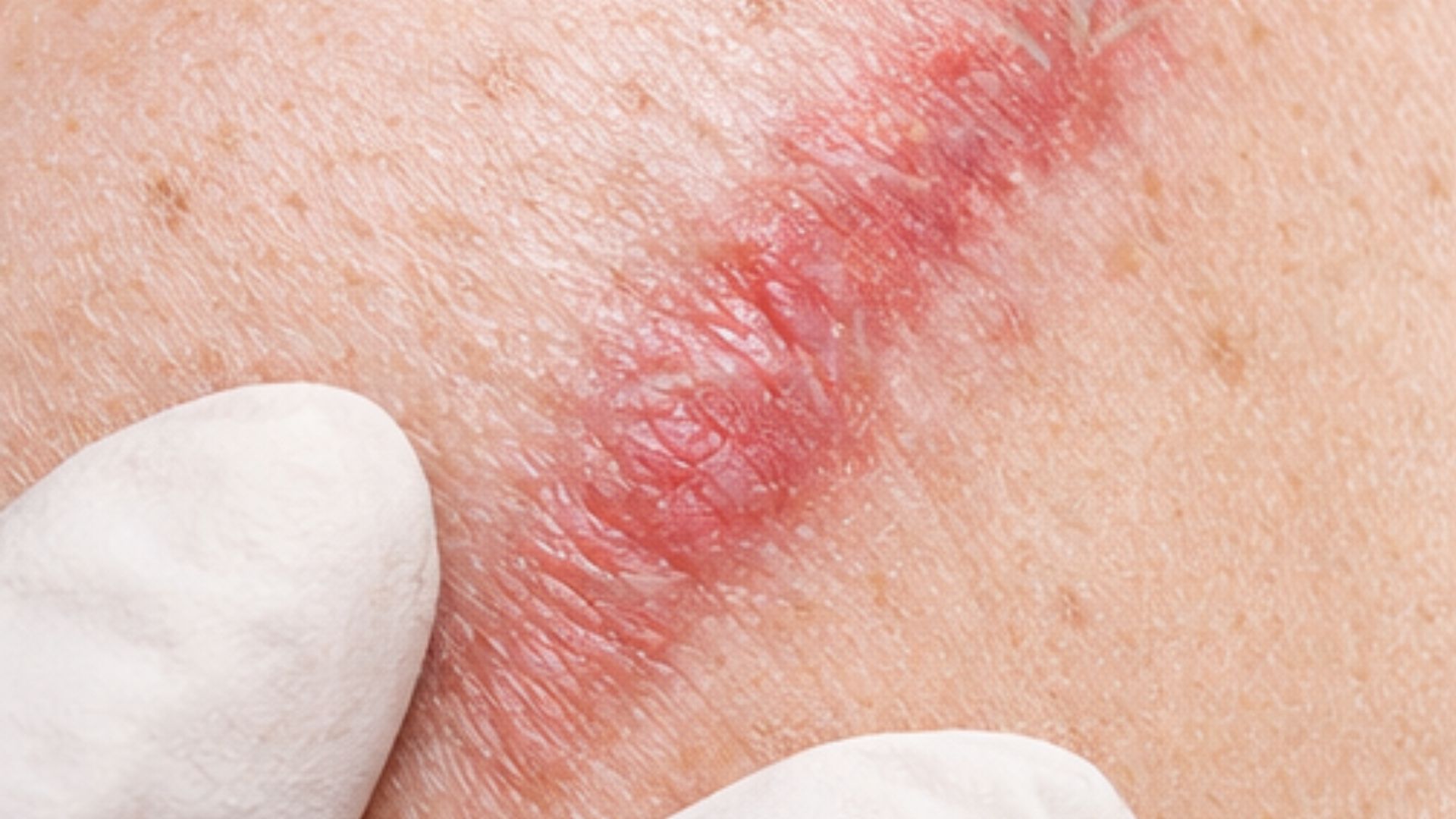
When your skin gets injured, melanocytes sometimes go into overdrive, pumping out extra melanin around the wound. This is called post-inflammatory hyperpigmentation (PIH).
People with darker skin tones produce more melanin naturally, so they’re more likely to develop darker scars that stick around for months or years.
Your Skin Type
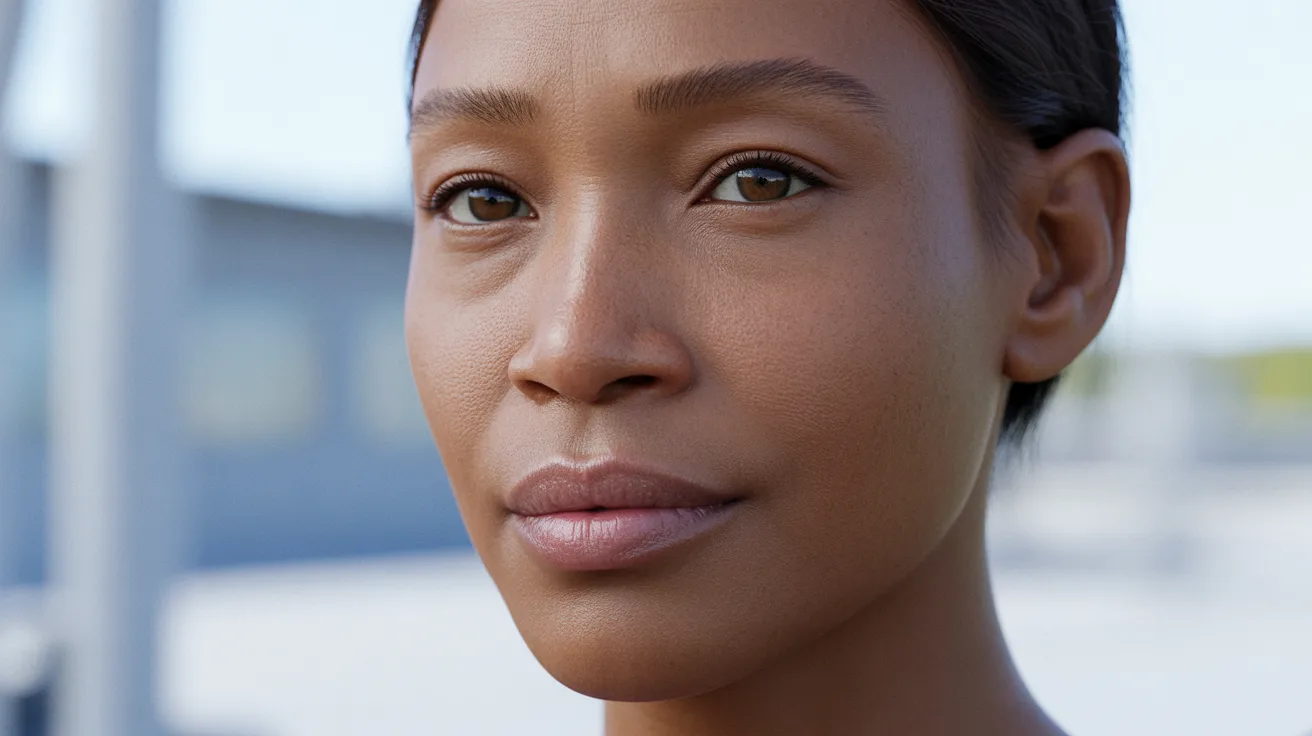
Darker skin types have higher risk of pigmentation changes and keloids (thick, raised scars). Lighter skin often shows more initial redness but tends to blend better with natural tone over time.
Genetics plays a huge role. If your family develops prominent scars, you might too.
Sun Exposure
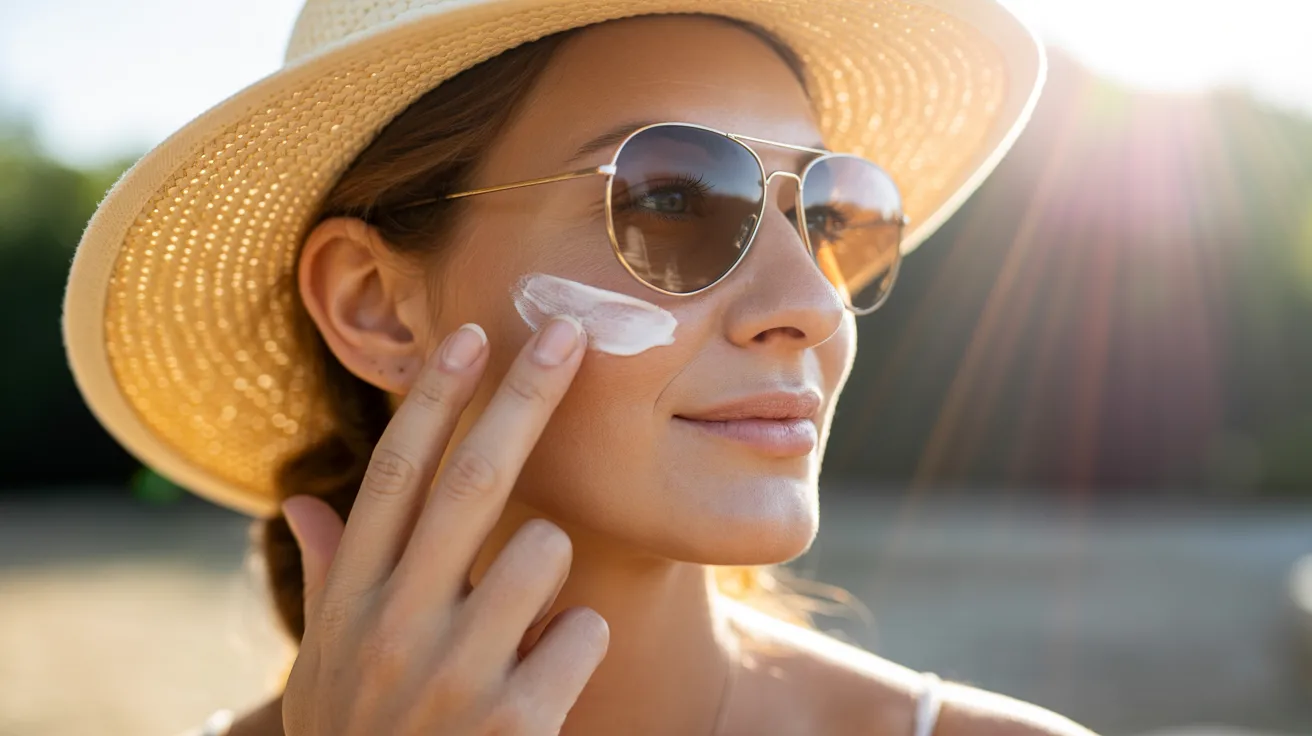
UV rays trigger melanin production in healing scars. When sunlight hits a fresh scar, your skin produces extra pigment to protect the damaged area, and this can become permanent.
Use SPF 30 or higher daily. Even on cloudy days. Even in winter. Unprotected scars can turn dark brown or black and become extremely difficult to reverse.
When to See a Doctor About Scar Color
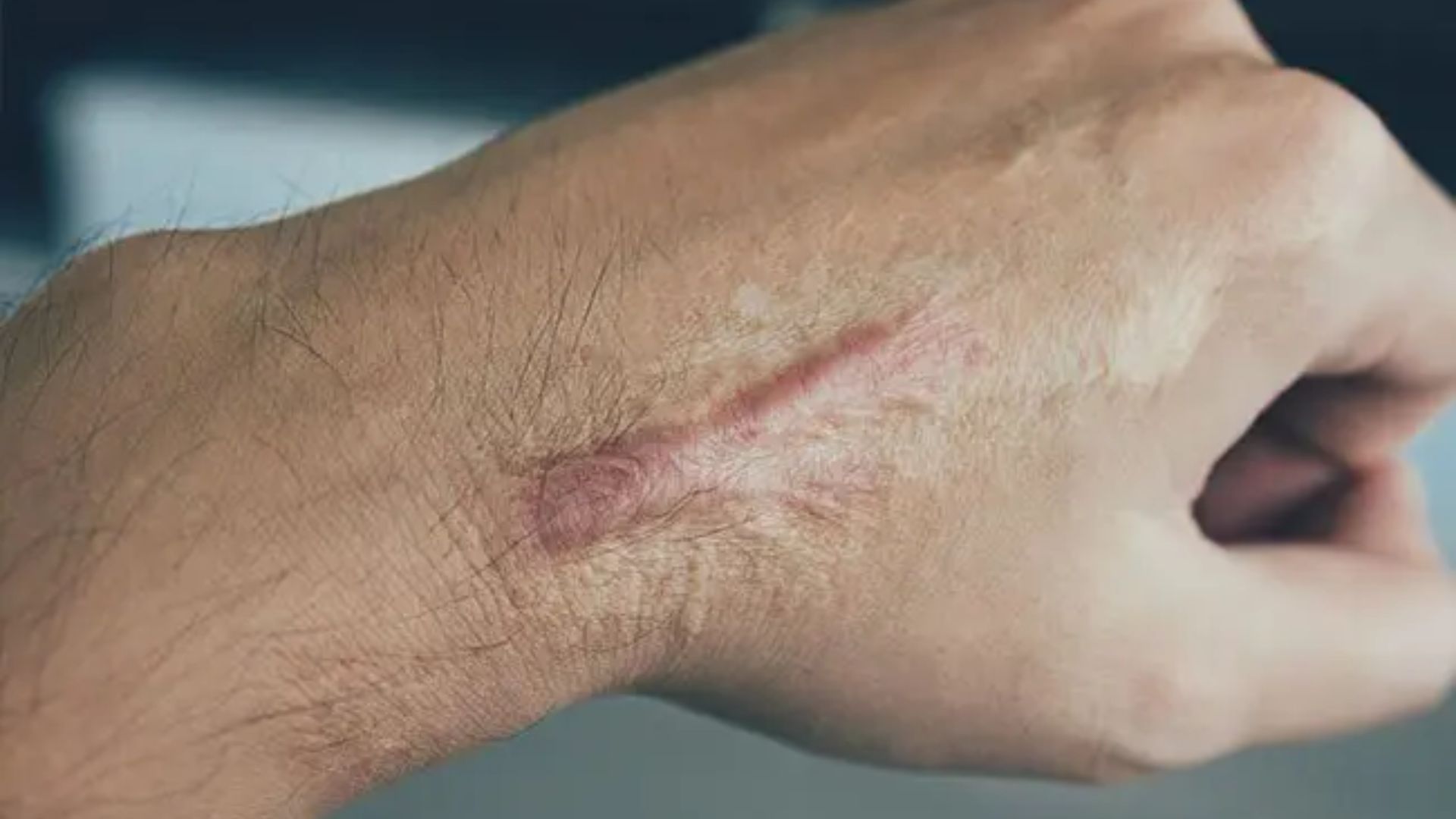
Most scars heal just fine on their own. But sometimes the color changes signal something that needs professional attention.
See a doctor if:
- Your scar becomes increasingly darker instead of fading
- You notice unusual colors (very dark purple, black, or greenish tones)
- You experience pain, itching, or growth beyond the original wound
- Signs of infection appear (warmth, pus, spreading redness, or fever)
Doctors have options: laser therapy, steroid injections, and prescription topical treatments can improve stubborn scars.
Conclusion
The color stages of a scar might look dramatic, but they’re your body’s natural healing process at work. Red fades to pink, pink softens to a shade closer to your skin tone.
Most scars take 12 to 24 months to reach their final appearance. Yes, that’s a long time. But patience really does pay off.
Protect your scar from the sun, keep it moisturized, and give your body time to work. You’ll likely see steady improvement.
If something feels off or your scar isn’t fading like it should, don’t hesitate to talk to your doctor. There are treatments available.
Your scar tells a story of healing. Trust the process and take care of yourself along the way.
Frequently Asked Questions
How Long Does It Take for a Scar to Completely Change Color?
Most scars take 12 to 24 months to reach their final color. Some people heal faster, others slower. Factors like age, location, and skin type all affect timing. Deep scars might take longer than surface injuries.
Can a Scar Change Color Years After Healing?
Yes, scars can darken years later from sun exposure. Hormonal changes during pregnancy or menopause can also affect scar pigmentation. Aging skin sometimes makes old scars more visible. Protect healed scars with sunscreen to prevent late changes.
Are Purple Scars Permanent?
Purple scars usually fade over time, though it can take a year or more. The purple color comes from blood vessels and inflammation. If your scar stays deep purple after two years, laser therapy or other treatments can help lighten it.
Do All Scars Go Through the Same Color Stages?
Not exactly. Everyone experiences the basic red-to-pink-to-faded progression, but the intensity and duration vary. Darker skin tones might skip visible redness and go straight to hyperpigmentation. Scar location and injury type also create differences in healing patterns.
Can I Speed Up the Color Fading Process?
You can’t rush biology, but good care helps. Sunscreen prevents darkening. Silicone treatments and gentle massage support healthy healing. Professional options like laser therapy or chemical peels can accelerate fading. Just remember that realistic expectations matter more than quick fixes.