Sun Poisoning or Sunburn? How to Tell the Difference


You spent the day outside and now your skin is on fire. But is it a sunburn, or something worse?
I've been there. After a long afternoon at the beach without enough sunscreen, I came home feeling sick, dizzy, and covered in red, painful skin.
I had no idea if it was a bad sunburn or sun poisoning. Most people don't.
This guide breaks down the real difference between sun poisoning vs sunburn, the symptoms to watch for, and how to treat it at home and when to see a doctor.
I've researched this carefully so you don't have to guess. You'll leave here knowing exactly what to do.
Understanding Sun Damage: Why Too Much Sun Can Be Dangerous
UV rays come in two types, UVA, which goes deep and speeds up aging, and UVB, which hits the surface and causes burns.
Both damage the DNA in your skin cells, triggering your body to send blood to the area, which is why skin turns red and hot.
Some people are at higher risk, including those with fair skin, light hair, or freckles, as well as children and older adults.
Being near water, sand, or high altitudes increases exposure.
Conditions like lupus or rosacea and medications like antibiotics or acne treatments can also make your skin react much more strongly to sun.
What Is Sun Poisoning?

Sun poisoning sounds extreme, but it's more common than most people think. Here's what it actually means.
Is Sun Poisoning a Real Medical Condition?
Yes, it is real. The term "sun poisoning" isn't an official medical name, but it refers to a severe reaction to UV exposure. Doctors may call it photodermatitis or polymorphous light eruption.
It's not actually poisoning in the toxic sense. It means your body has a strong reaction to too much sun. That reaction can affect your skin, your immune system, and how you feel overall.
What Causes Sun Poisoning?
Sun poisoning is caused by overexposure to ultraviolet radiation. Your skin can only handle so much UV light before it breaks down. When you go past that limit, your body reacts more aggressively.
Some people have a natural sensitivity to UV rays. Others develop it because of medications or skin conditions. In both cases, the result is the same. The skin and body react strongly to sun exposure.
How Sun Poisoning Develops After Excessive UV Exposure
Sun poisoning doesn't happen right away. It takes time. After a few hours in the sun, your skin starts to show damage. Over the next several hours, symptoms build up.
Your skin may blister. You may start to feel sick, tired, or feverish. In some cases, the reaction spreads beyond the skin. That's when you know it's more than a typical burn.
Common Misconceptions About Sun Poisoning
A lot of people think sun poisoning only happens in very hot climates. That's not true. You can get it on a cloudy day or in cold weather at high altitudes.
Others think if they've had a bad sunburn before, they'll know sun poisoning when they see it. But sun poisoning has symptoms most people don't expect, like nausea, chills, and dizziness.
Sun Poisoning vs Sunburn: Key Differences You Need to Know
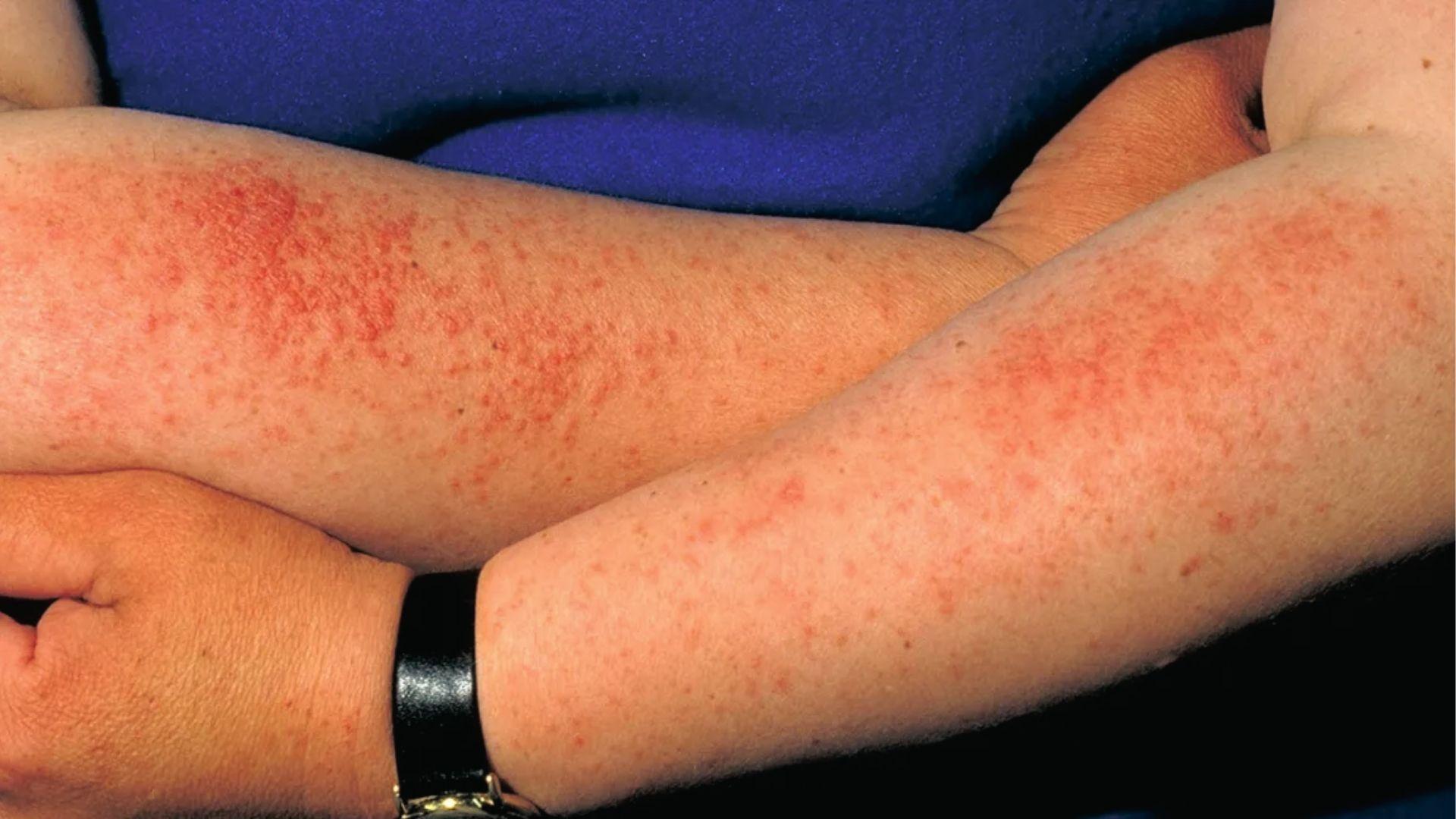
Not every red, painful burn is the same. Knowing what separates the two can change how you respond.
Sun Poisoning vs Sunburn Symptoms Compared
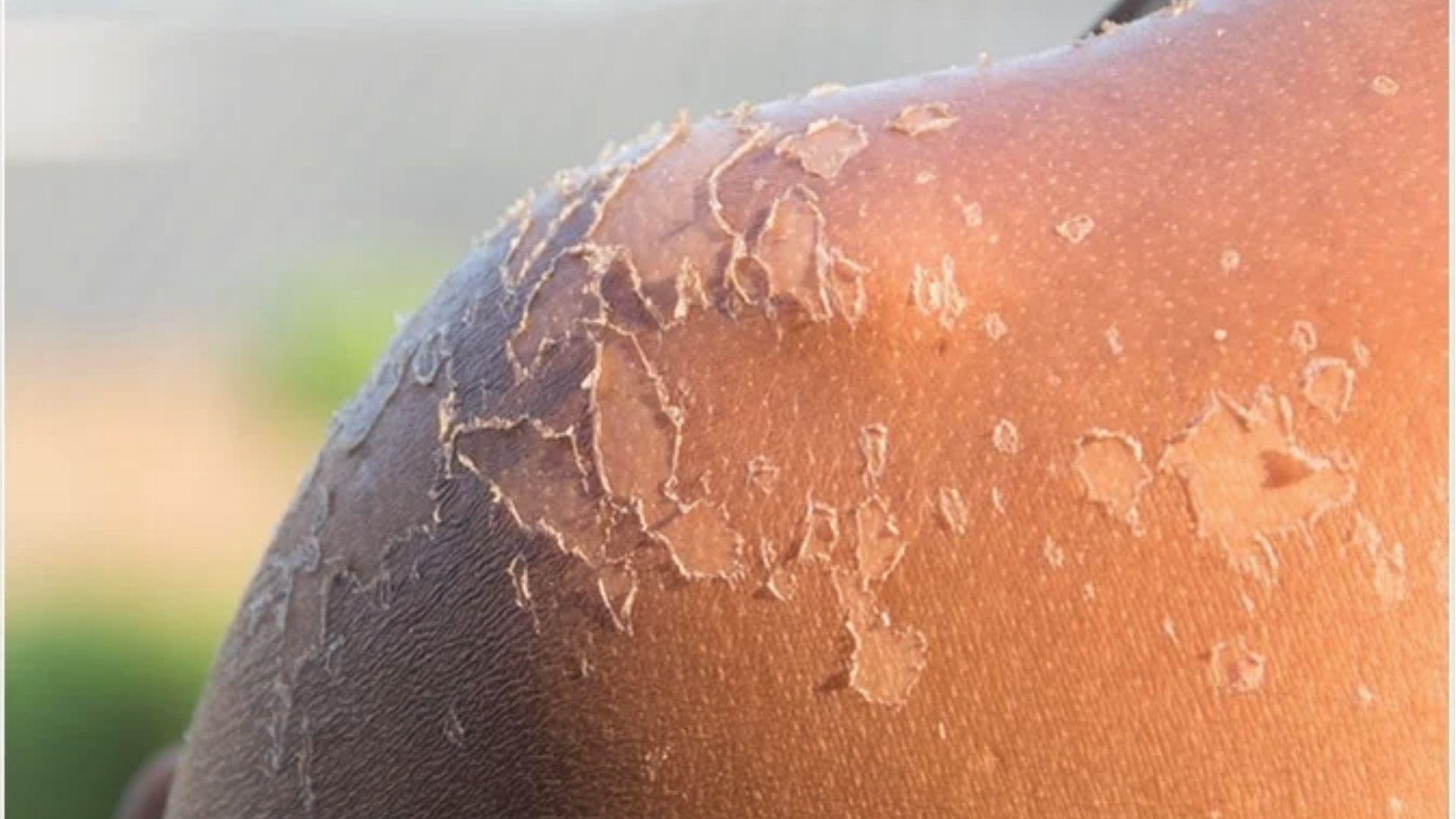
A regular sunburn causes redness, tenderness, and peeling. It stays on the skin. You feel sore, but you still feel like yourself.
Sun poisoning goes further. In addition to red, painful skin, you may feel sick. Symptoms include fever, chills, nausea, headaches, and dizziness. Your body is reacting, not just your skin.
Differences in Severity and Recovery Time
A mild to moderate sunburn usually heals in three to five days. The skin peels, and things go back to normal.
Sun poisoning can last longer. Depending on how severe it is, you could feel sick for a week or more. The blistering and skin damage also take more time to heal.
When a Sunburn Becomes Sun Poisoning
A sunburn crosses into sun poisoning territory when symptoms go beyond the skin. If you feel nauseous, get a fever, or feel too weak to do normal things, that's a sign your body is reacting systemically.
Severe blistering over large areas of skin is also a red flag. So is dehydration, fainting, or confusion.
How to Know If You Have Sun Poisoning
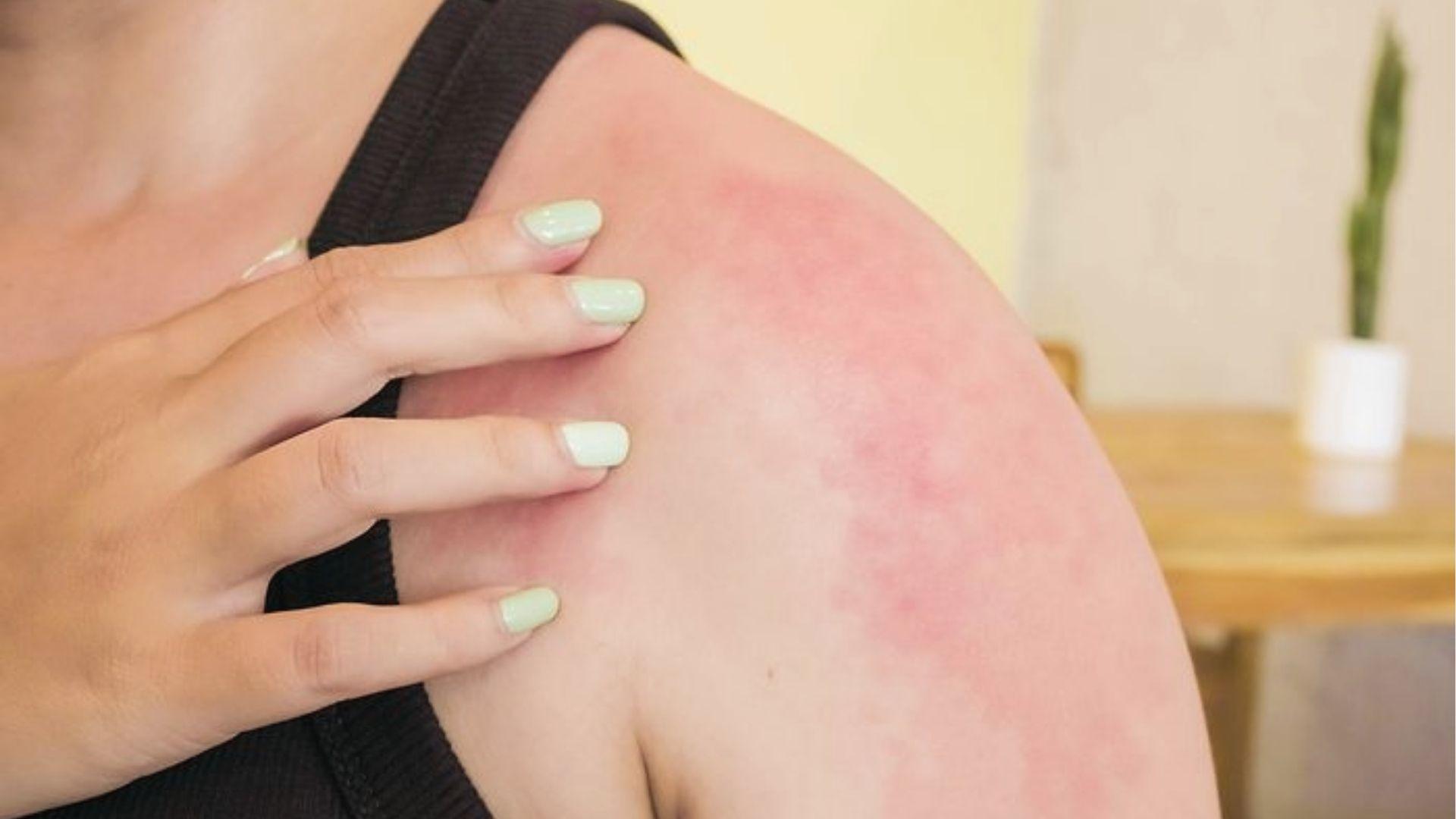
Sorting out what your body is telling you is the first step to getting better sooner.
Warning Signs Beyond a Typical Sunburn
If your symptoms are limited to red, sore skin, you likely have a sunburn. But if you feel sick on top of the skin symptoms, that's a warning sign.
Pay attention to fever above 101°F, nausea, chills, or a rapid heartbeat. These are the body's signals that something more serious is happening.
Symptoms That Require Immediate Medical Attention
Go to the doctor or emergency room if you experience:
- Blistering over a large part of your body
- High fever that won't come down
- Severe headache or confusion
- Feeling faint or losing consciousness
- Extreme dehydration
These symptoms mean your body needs more support than home care can give.
Can Sun Poisoning Cause Dehydration and Dizziness?
Yes. Sun poisoning often comes with dehydration because your body is under stress. You may not feel like drinking water when you're nauseous, but dehydration makes everything worse.
Dizziness is a direct result of dehydration and heat exposure. If you feel unsteady or lightheaded after a day in the sun, drink water slowly and rest in a cool place right away.
When to Contact a Doctor
Contact a doctor if your symptoms don't improve after 48 hours, if you have a high fever, or if your skin shows signs of infection like increased redness, warmth, or pus.
Children, older adults, and anyone with a health condition should see a doctor sooner rather than waiting it out.
How to Treat Sun Poisoning Safely and Effectively

The right steps taken early can speed up recovery and protect your skin from further damage.
Immediate Steps to Take After Too Much Sun Exposure
Get out of the sun right away. Go indoors or find shade. Apply cool water or a cool compress to the affected area. Drink water to start rehydrating.
Don't put ice directly on the skin. It can cause more damage. Cool water is enough. Take an over-the-counter pain reliever like ibuprofen if needed to bring down swelling and fever.
Home Remedies That Help Relieve Symptoms
Aloe vera gel is one of the best options for soothing burned skin. Use a product without alcohol or fragrance. Cool baths can help bring down skin temperature.
Drinking water, sports drinks, or coconut water helps restore hydration. Rest is important. Your body is working hard to recover, and sleep helps.
Medical Treatments for Severe Cases
If symptoms are severe, a doctor may prescribe oral corticosteroids to reduce inflammation. IV fluids may be needed for serious dehydration.
For infected blisters, antibiotics may be required. In rare cases, hospitalization is needed. Don't try to push through severe symptoms on your own.
What to Avoid During Recovery
Avoid going back in the sun until your skin has fully healed. Avoid picking at blisters or peeling skin. Don't use products with alcohol, fragrance, or heavy oils on the affected area.
Avoid alcohol and caffeine, which can worsen dehydration. Tight clothing over burned areas can cause more irritation. Loose, soft fabric is best.
Tips to Prevent Sun Poisoning and Severe Sunburn
Small habits practiced consistently make a big difference in protecting your skin long term.
- Use broad-spectrum sunscreen with SPF 30 or higher, apply it 15 to 30 minutes before going out, and reapply every two hours or after swimming.
- Cover all exposed skin including ears, neck, and feet, and never skip sunscreen on cloudy days since UV rays still get through.
- Wear UPF 50 clothing, a wide-brim hat, and UV-blocking sunglasses for reliable protection beyond just sunscreen.
- Stay out of direct sun between 10 AM and 4 PM when UV rays are at their strongest, and plan outdoor time in the early morning or late afternoon.
- If you take antibiotics, retinoids, diuretics, or certain antidepressants, talk to your doctor since these medications can make your skin far more sensitive to UV rays.
Conclusion
Telling the difference between sun poisoning vs sunburn isn't always easy, especially when you're already not feeling well.
But now you know what to look for. Watch your whole body, not just your skin. Rest, hydrate, and protect yourself going forward.
I hope this helped you feel more confident about what you're dealing with. If you found this useful, share it with someone who spends a lot of time outdoors.
And drop a comment below if you have questions.
Frequently Asked Questions
What is sun poisoning?
Sun poisoning is a severe reaction to overexposure to UV rays. It goes beyond typical sunburn and can cause fever, nausea, and flu-like symptoms affecting the whole body.
What does sun poisoning look like?
It shows up as very red, swollen skin that may blister over large areas. You may also notice a rash, hives, or significant peeling a few days after exposure.
How to know if you have sun poisoning?
If your sunburn comes with fever, chills, nausea, dizziness, or extreme fatigue, it's likely sun poisoning. Symptoms that go beyond the skin are the clearest sign.
How to treat sun poisoning at home?
Move to a cool area, apply aloe vera gel, drink plenty of water, and take ibuprofen to reduce fever and swelling. Rest and avoid sun exposure until symptoms fully clear.
How long does sun poisoning last?
Mild cases may clear up within a week. More severe cases can last up to two weeks or longer, especially if blistering or systemic symptoms like fever are involved.