Does Beeswax Clog Pores? What Experts Say


So, does beeswax clog pores? I asked myself the same thing before using a lip balm packed with it. Here’s what I found after looking into it closely.
In this article, I’ll break down beeswax’s comedogenic rating, what dermatologists actually think, and how your skin type plays a role.
You’ll also get practical tips to use it without risking breakouts. I’ve spent time going through expert opinions and research so you don’t have to.
By the end, you’ll know exactly how to handle beeswax for your skin.
Does Beeswax Clog Pores?
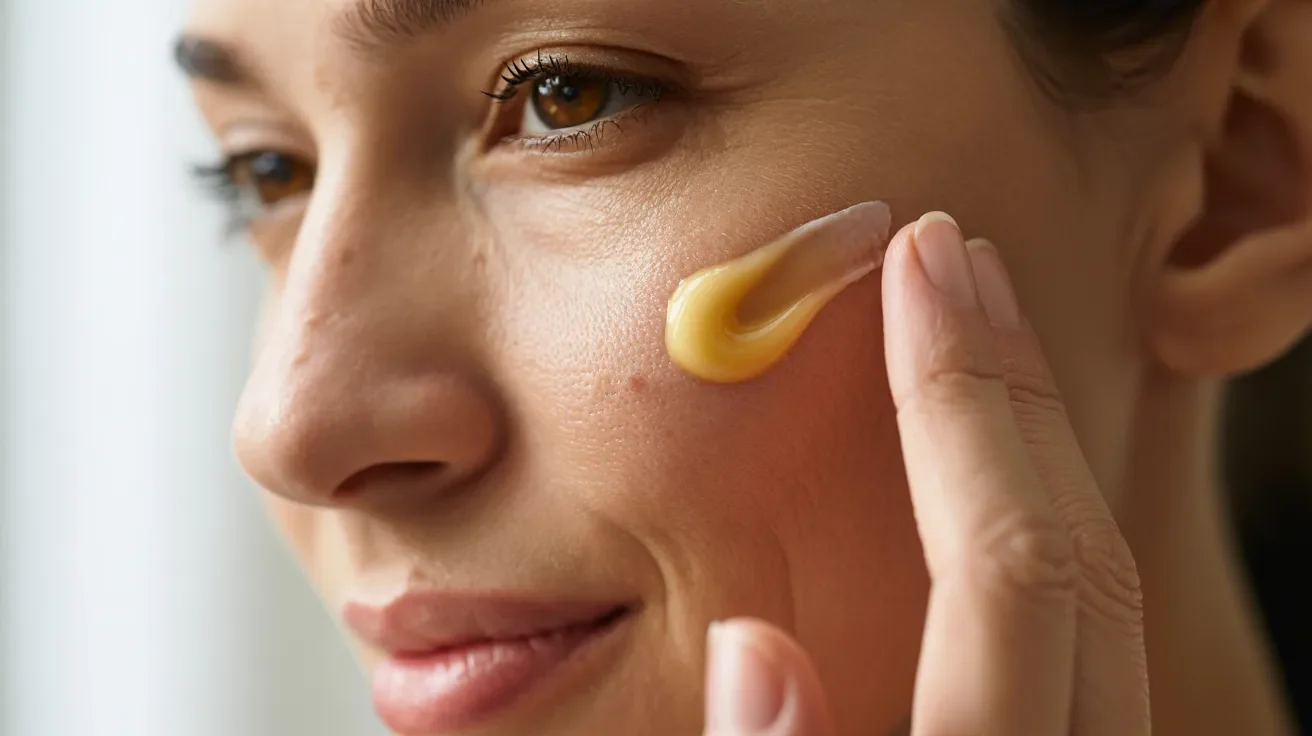
Beeswax rates between 0 and 2 on the comedogenic scale, which runs from 0 to 5. That puts it in the low-risk category.
It forms a light layer on the skin’s surface and doesn’t sink deep into pores like heavy oils or thick waxes do. For most people, that means no clogging.
But it’s not always that simple. Beeswax can cause problems when it’s mixed with pore-clogging ingredients, used in high amounts on oily skin, or applied to already reactive skin.
The product formula around it matters just as much as the beeswax itself.
What Experts Say About Beeswax and Acne
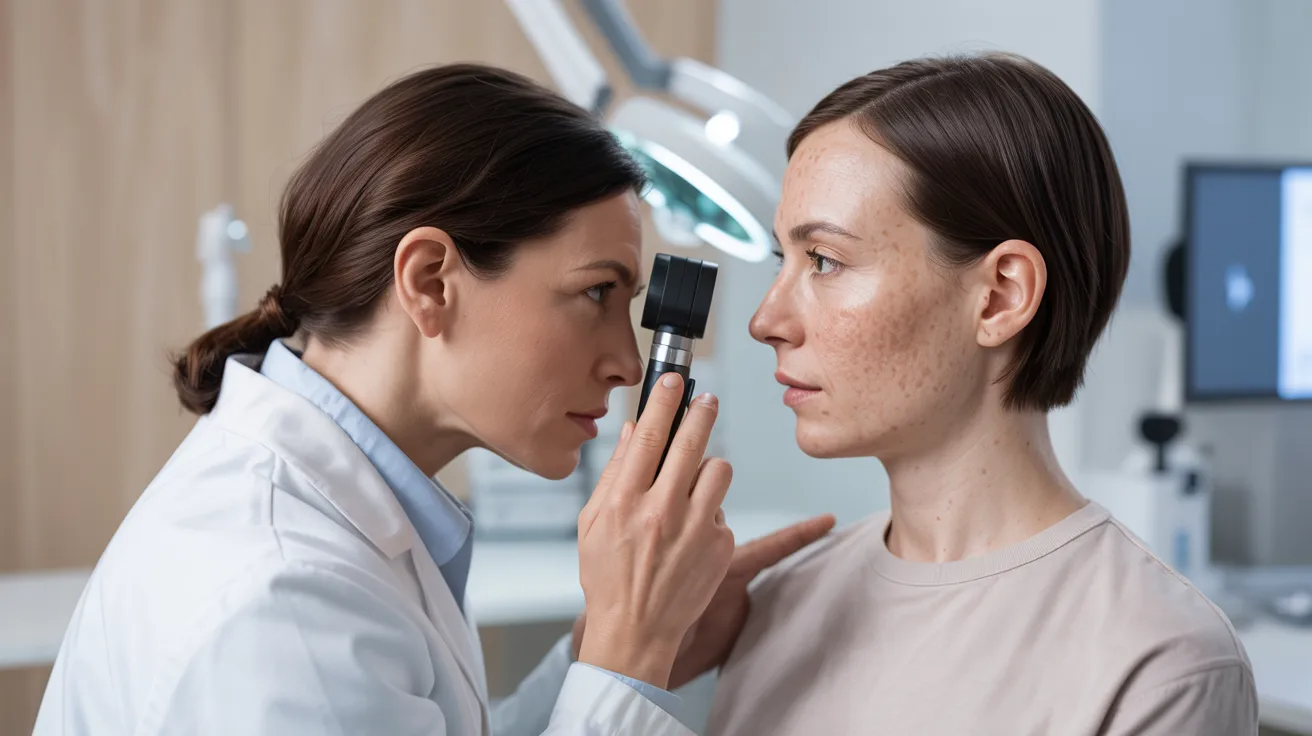
Here’s what dermatologists and skin experts actually think about beeswax and breakouts.
Dermatologist’s View on Beeswax
Most dermatologists don’t flag beeswax as a major concern. They place it in the same group as other low comedogenic ingredients.
Some note that its occlusive nature can be helpful. It seals in moisture without acting like a thick plug in the pore. For most patients, it’s considered safe in moderate amounts.
Is Beeswax Safe for Acne-Prone Skin?
The honest answer is: it depends.
People with mild acne often use beeswax-based products with no issue. Those with severe or cystic acne may want to be more careful.
The key is checking other ingredients in the product, not just the beeswax itself.
If you’re acne-prone, a patch test is always a smart move before full use.
Common Misconceptions About Beeswax
A big myth is that all waxes clog pores. That’s not accurate.
Beeswax is not the same as petroleum-based waxes or synthetic coatings. It’s a natural ingredient with a lighter feel.
People often blame beeswax when another ingredient in the formula is the actual problem.
What Affects Whether Beeswax Clogs Your Pores
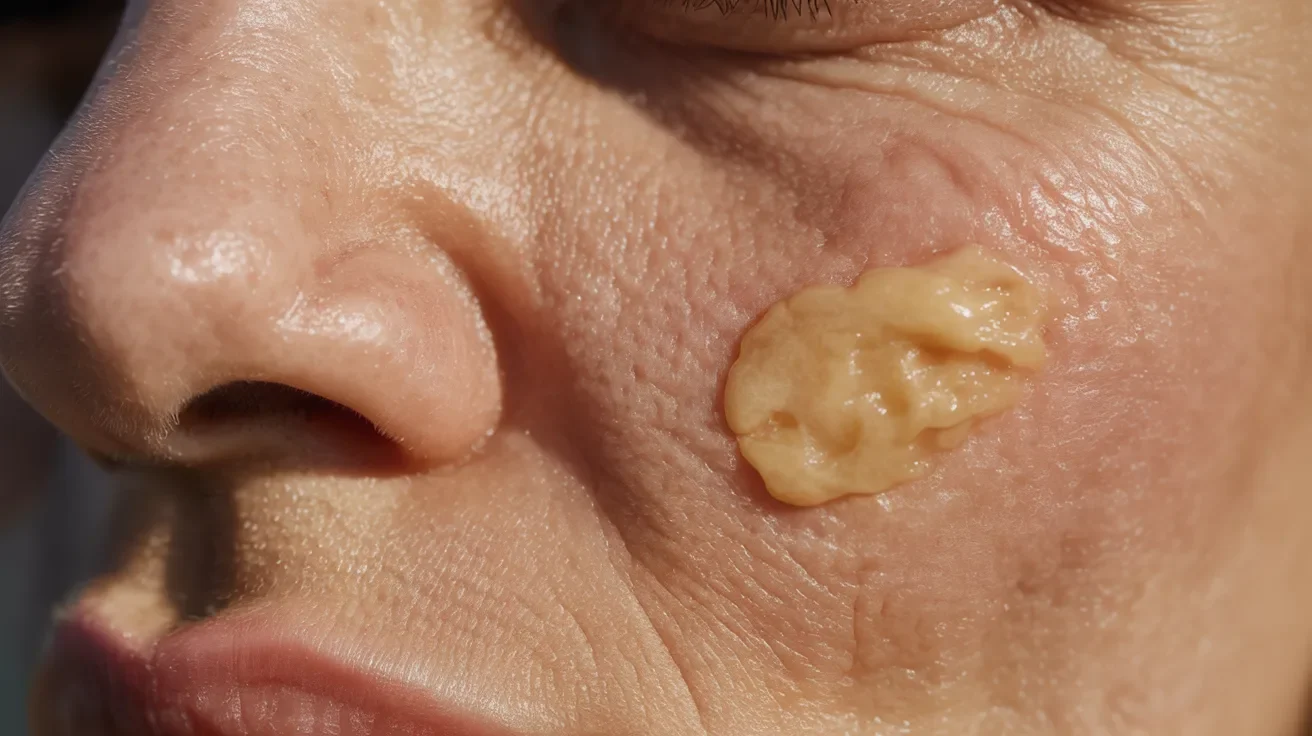
Your result with beeswax isn’t random. These three things play a big role.
Product Formulation & Ingredient Combinations
Beeswax rarely works alone in a product. It comes packaged with oils, butters, and preservatives. Some of those other ingredients rate much higher on the comedogenic scale.
For example, coconut oil rates a 4. If your beeswax product also has coconut oil, coconut oil is likely the bigger concern, not the beeswax.
Always read the full ingredient list.
Concentration of Beeswax
A product with a small amount of beeswax behaves differently than one where beeswax is the second or third ingredient.
Higher concentration means more occlusion. For oily or acne-prone skin, that can increase the chance of clogged pores. Lower concentrations are much easier for your skin to handle.
Skin Type Differences (Oily vs Dry vs Sensitive)
Your skin type changes everything:
- Oily skin produces more sebum. Adding an occlusive can trap that oil.
- Dry skin benefits from occlusive ingredients. Beeswax helps hold moisture in.
- Sensitive skin may react to beeswax or the fragrances paired with it.
Knowing your skin type helps you predict how you’ll respond.
Is Beeswax Good or Bad for Your Skin Type?
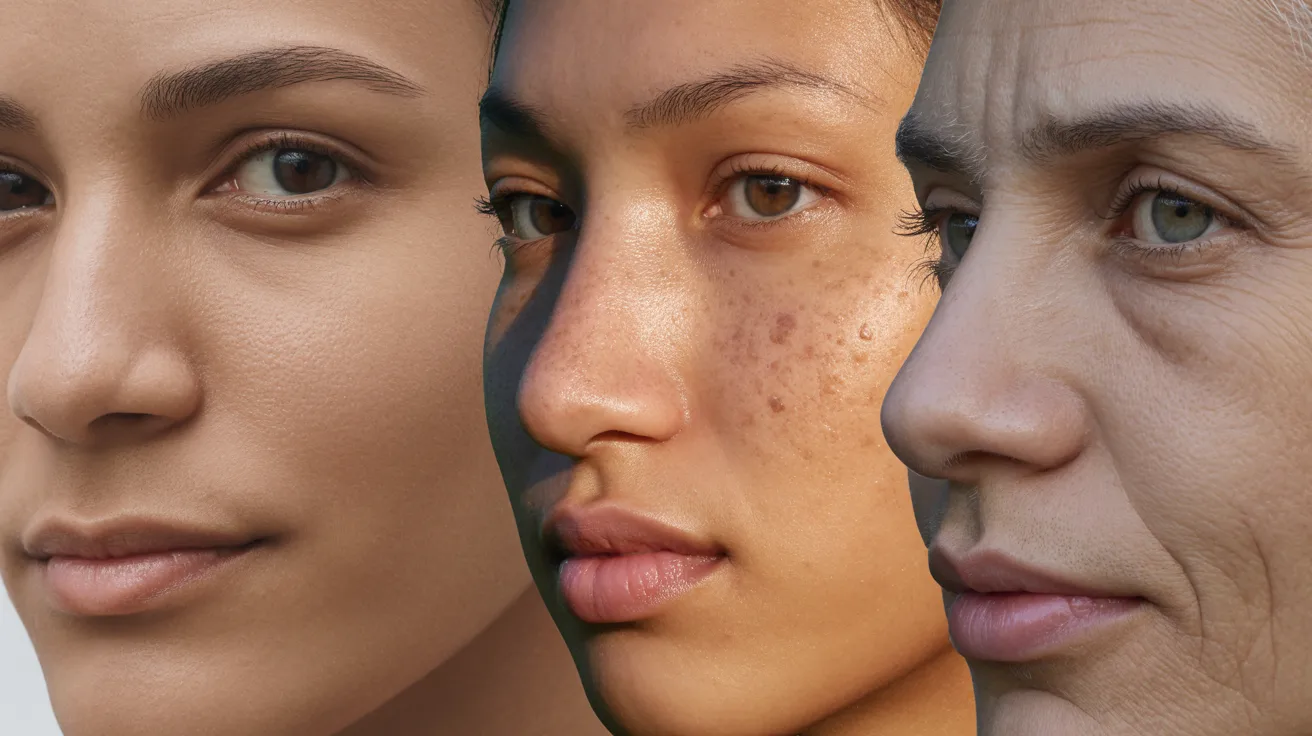
Not all skin types respond the same way to beeswax. Here’s a quick breakdown.
For Oily Skin
Oily skin already has extra sebum on the surface. Using products with higher beeswax concentration can sometimes trap that oil.
Lightweight formulas work better here. Look for beeswax as a minor ingredient, not the main one. Avoid using heavy beeswax-based products on oily areas like the T-zone.
For Acne-Prone Skin
Acne-prone skin needs careful product selection. Beeswax itself isn’t the enemy, but ingredient combos matter a lot.
Stick to products labeled non-comedogenic that include beeswax. Avoid formulas with shea butter, coconut oil, or heavy lanolin if your skin breaks out easily.
For Dry and Sensitive Skin
This is where beeswax actually shines. Dry skin needs ingredients that lock in hydration. Beeswax does that without causing heavy buildup.
Sensitive skin may still react, especially to fragrances mixed with beeswax. Go fragrance-free if your skin is reactive.
Benefits of Beeswax (And Why People Still Use It)
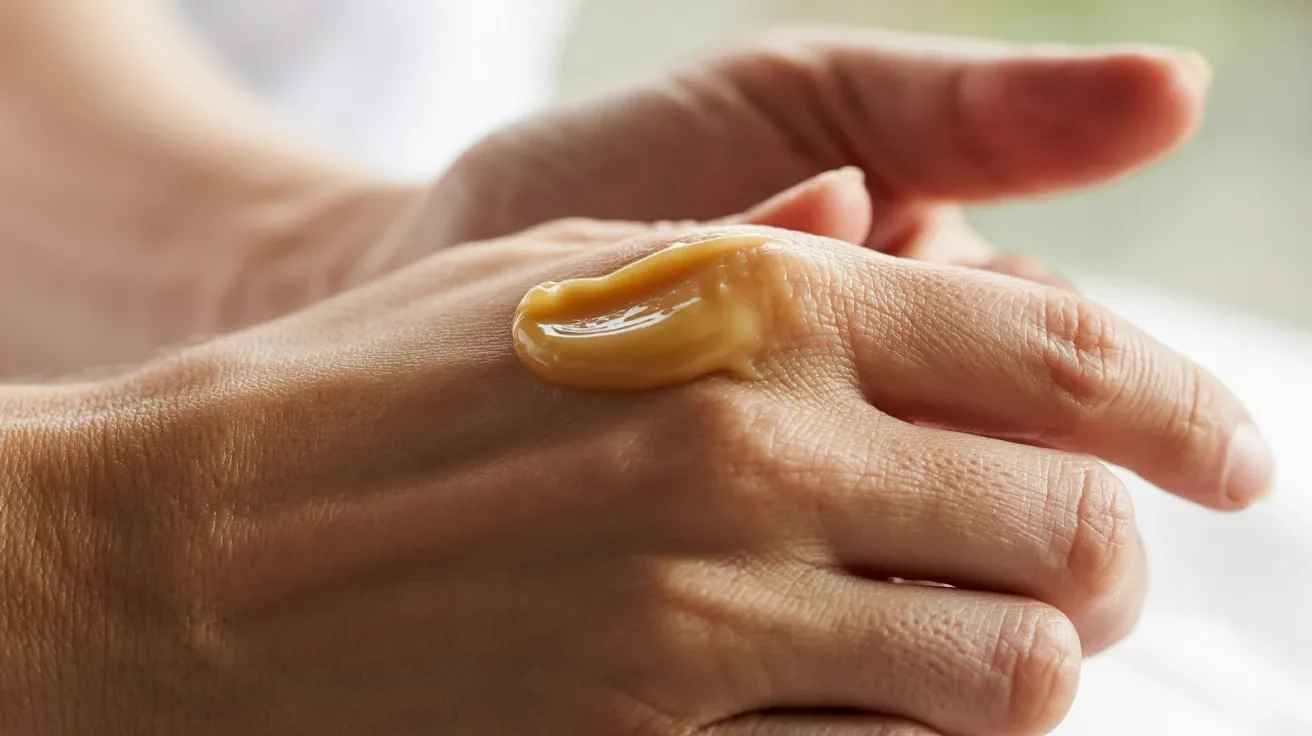
Despite the debate, beeswax has real skin benefits that keep it popular in skincare.
Moisture Locking Without Heavy Occlusion
Beeswax creates a thin layer on the skin that holds water in. It’s not as thick or heavy as petroleum jelly. That means you get hydration without the greasy feeling.
For chapped lips, dry elbows, or tight skin in winter, this works really well.
Skin Barrier Protection
Your skin barrier is what keeps irritants out and moisture in. Beeswax supports that barrier. It gives your skin a mild shield against wind, cold, and environmental stress.
This makes it a common pick in lip balms, hand creams, and soothing ointments.
Soothing and Anti-Inflammatory Effects
Beeswax contains small amounts of vitamin A and natural compounds that may calm irritation. Some research suggests it has mild anti-inflammatory properties.
For people dealing with dryness, redness, or mild skin sensitivity, this can be a helpful ingredient.
Tips to Use Beeswax Without Clogging Pores
Small changes in how you use beeswax can make a big difference for your skin.
- Pick products where beeswax appears lower on the ingredient list for a lighter concentration.
- Skip heavy oils like coconut or cocoa butter if you’re already using beeswax in your routine.
- Always patch test on your inner arm or jawline and wait 24 to 48 hours before full use.
- Watch for new breakouts after starting a beeswax product and stop use if pimples appear within a week.
- Choose products labeled non-comedogenic and check that all supporting ingredients are also low-risk.
- Store beeswax-based products properly since heat can change the formula and affect how it sits on skin.
Conclusion
I’ve been in your spot, staring at ingredient labels and wondering if beeswax is worth the risk. Honestly, for most people, it’s fine.
It’s a low-comedogenic ingredient with real skin benefits. But your skin is your own. What works for someone else may not work for you.
Start slowly, patch test, and pay attention to how your skin responds. If this helped clear things up, leave a comment below or share it with someone who’s been asking the same question.
Your skin care routine deserves real answers, not guesswork.
Frequently Asked Questions
Does beeswax cause breakouts?
Beeswax alone rarely causes breakouts. Most breakouts linked to beeswax products are caused by other high-comedogenic ingredients in the same formula.
Is beeswax safe to use on the face?
Yes, for most skin types, beeswax is safe on the face. People with oily or acne-prone skin should choose lightweight formulas and check all other ingredients.
What is the comedogenic rating of beeswax?
Beeswax has a comedogenic rating of 0 to 2. This puts it in the low-risk category for most skin types, including moderately sensitive skin.
Can I use beeswax if I have oily skin?
You can, but be careful with concentration and formula type. Lightweight products with beeswax as a minor ingredient are a safer pick for oily skin.
How do I know if beeswax is clogging my pores?
Watch for new blackheads or small bumps after starting a new product. If they appear consistently in areas where you applied the product, stop using it and reassess the ingredient list.